
 Save 15% on your 1st Autoship learn more

 Email us
 Live Chat
 FAQs
FAQs





Introduction
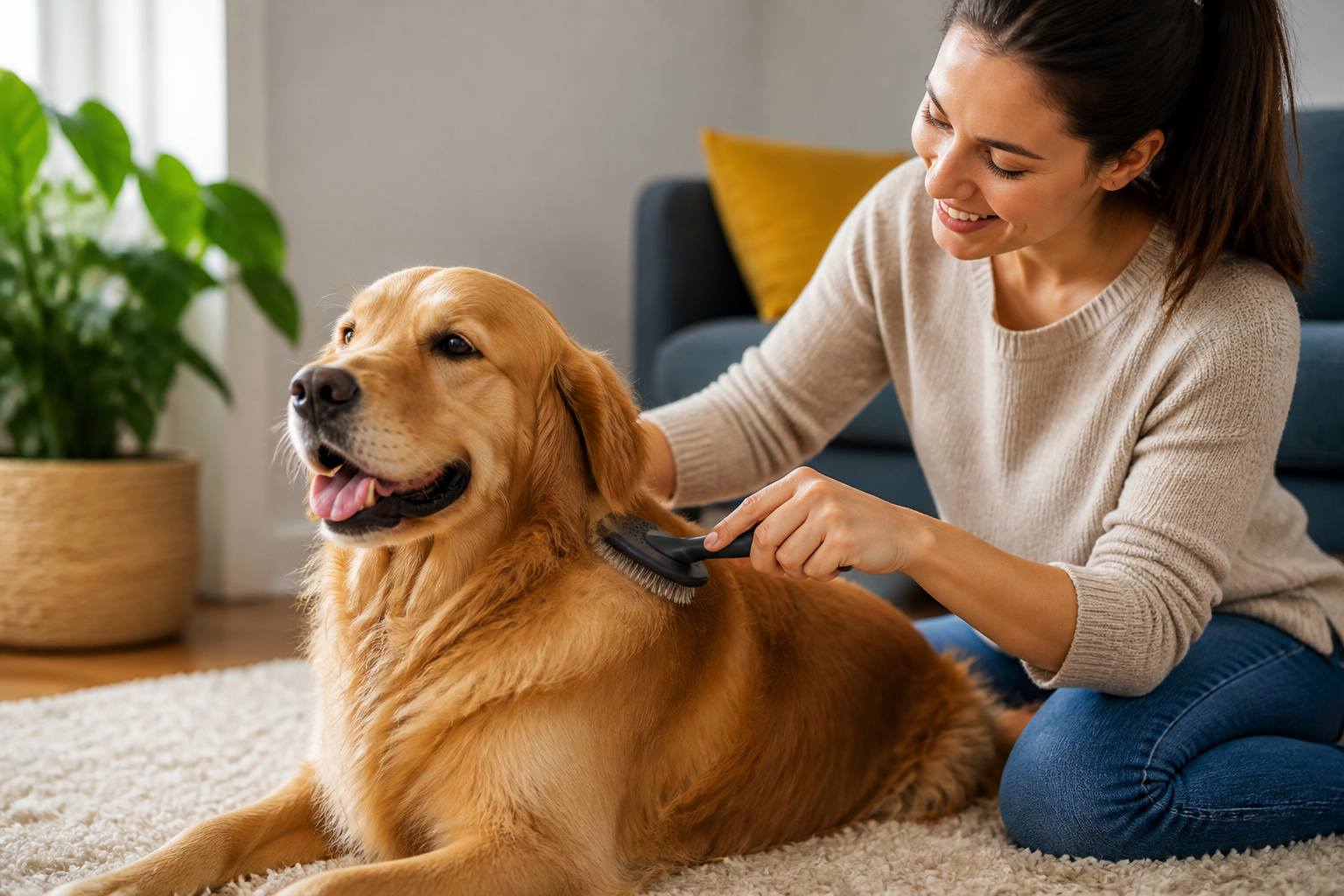
You are standing in the grooming aisle or scrolling through endless pages of pet supplies, trying to figure out why there are so many different types of brushes. Your dog has a short, sleek coat that seems easy enough to manage, yet it lacks that healthy glow you see on other pups at the park. This is the exact moment many owners start wondering what a bristle brush actually does and if it is the right tool for their specific pet.
At BaxterBoo, we have spent years helping pet parents navigate the world of grooming to find the perfect match for every coat type. Whether you are prepping for a dog show or just want your best friend to feel their best, the right brush makes all the difference. This post covers exactly what a bristle brush is, which dogs benefit from it most, and how to use it to achieve a professional finish at home. Understanding this simple tool is the first step toward a healthier skin and coat routine for your dog.
The Anatomy of a Bristle Brush
A bristle brush is a grooming tool characterized by clusters of tightly packed bristles set into a sturdy base. Unlike slicker brushes that use fine wires or rakes that feature heavy metal tines, the bristle brush relies on softer, more flexible materials. These bristles can be made from natural sources, such as boar hair, or synthetic materials like nylon.
The design is intended to work on the surface of the coat rather than digging deep into a thick undercoat. You will often see these brushes with wooden handles, like those made from beechwood or bamboo, providing a comfortable grip for the owner. The spacing and stiffness of the bristles vary. Some are designed to be very soft for sensitive skin, while others are reinforced to handle wiry hair. For an example of this style, explore the BASS Brush Wire/Boar Dog Groomer with Bamboo Handle.
Quick Answer: A bristle brush is a grooming tool with soft, closely packed bristles used to remove surface debris and distribute natural skin oils. It is the primary grooming tool for short-haired dogs and a finishing tool for longer coats.
Natural vs. Synthetic Bristles
When you are choosing a brush at BaxterBoo, you will notice two main categories of bristles. Each serves a slightly different purpose, and knowing the difference helps you provide the best care for your dog.
Natural bristles are almost always made from boar hair. These are highly prized in the grooming world because the structure of natural hair is excellent at "grabbing" the microscopic oils on your dog's skin. As you brush, these bristles soak up those oils and move them down the hair shaft. This process creates a natural, healthy shine without the need for topical sprays.
Synthetic bristles are usually made from nylon. These tend to be a bit stiffer than natural hair. They are excellent for dogs with thicker or more "wiry" coats, such as certain terriers. The nylon is strong enough to push through a slightly denser topcoat to reach the skin. Many modern brushes actually use a blend of both natural and synthetic bristles to give you the best of both worlds: the oil distribution of boar hair and the staying power of nylon. You can compare options in our selection of BASS Brushes products.
Why Every Short-Haired Dog Needs One
If you have a Boxer, a Beagle, or a Greyhound, you might think a brush is unnecessary. Their hair is so short that it does not seem like it could get tangled. However, grooming is about more than just preventing mats.
Short-haired dogs still shed, and they still produce dander. A bristle brush acts like a magnet for loose fur that has not quite fallen off yet. By removing this hair during a grooming session, you keep it off your furniture and clothes. More importantly, the action of the bristles against the skin stimulates blood flow. This brings more nutrients to the hair follicles, which can lead to a stronger and healthier coat over time. Browse our dog brushes and combs to find tools suited to different coat types.
Benefits for Wiry Coats
Dogs with wiry coats, like Jack Russell Terriers or Miniature Schnauzers, have a unique hair texture. Their fur can feel rough or even "crispy" to the touch. A bristle brush with slightly stiffer nylon bristles is perfect for these breeds. It helps to keep the hair lying flat and removes the "dead" hair that can give a wiry coat a dull, dusty appearance.
The Role for Long-Haired Dogs
While a bristle brush is not the primary tool for a long-haired dog (you would likely start with a slicker brush or a pin brush), it is an essential finishing tool. After you have removed the tangles and mats with a more heavy-duty tool, the bristle brush is used for the final "polish." It smooths the long, silky hairs and adds that final touch of shine that makes a coat look luxurious. For additional bath and coat-care ideas, read these tips for bathing your dog.
Key Takeaway: While slicker brushes and rakes handle the heavy lifting of detangling, the bristle brush is the "polisher" that manages skin oils and surface shine.
How to Use a Bristle Brush for Maximum Shine
Using a bristle brush effectively is more about technique than force. Because the bristles are relatively soft, you do not need to press down hard. In fact, pressing too hard can irritate the skin.
Step 1: Start at the head and neck. / Move the brush in the direction of hair growth using short, gentle strokes. This helps your dog get used to the sensation before you move to more sensitive areas.
Step 2: Work your way down the back and sides. / Use slightly longer strokes here. The goal is to "sweep" the oils from the base of the hair near the skin all the way to the tips.
Step 3: Pay attention to the chest and belly. / These areas often have thinner hair and more sensitive skin. Use an even lighter touch here to ensure your dog remains comfortable.
Step 4: Finish with the legs and tail. / These areas can collect the most dirt and debris from outside. The bristle brush is excellent at flicking away dried mud or dust that is clinging to the surface of the fur.
Vet Tip: Regular brushing sessions are the best time to check your dog for new lumps, bumps, or skin irritations. If you notice persistent redness, dry flaky skin, or bald patches, consult your veterinarian to rule out underlying health issues or allergies.
Comparing the Bristle Brush to Other Tools
It is common to get overwhelmed by the variety of grooming tools available. Knowing when to reach for a bristle brush versus a slicker brush is key to a happy dog and a clean house. See our dog grooming supplies for brushes, combs, shampoos, and other care essentials.
Bristle Brush vs. Slicker Brush
A slicker brush has fine, short wires placed close together on a flat or curved head. It is designed to pull out loose undercoat and break up mats. If you try to use a slicker brush on a short-haired dog like a Dalmatian, you might scratch their skin because there is not enough hair to buffer the wire pins. Conversely, a bristle brush will not be able to get through a thick Golden Retriever coat to remove deep mats. Use the slicker for "work" and the bristle for "finish."
Bristle Brush vs. Pin Brush
Pin brushes look like the hairbrushes humans use, with metal pins often tipped with plastic or rubber. These are great for long-haired dogs with single coats (like Yorkies) because they provide a gentle experience without pulling. The bristle brush is still superior for shine because the pins on a pin brush are too far apart to effectively distribute skin oils.
| Brush Type | Best For | Primary Purpose |
|---|---|---|
| Bristle Brush | Short or Wiry coats | Shine, oil distribution, surface cleaning |
| Slicker Brush | Medium to Long coats | Removing mats, deshedding undercoat |
| Pin Brush | Long, Silky coats | Gentle detangling, finishing |
| Undercoat Rake | Double-coated breeds | Reaching deep to pull out dead undercoat |
Maintaining Your Grooming Tools
To keep your brush working effectively, you need to clean it regularly. Because bristle brushes are so good at picking up oils and dander, they can become "clogged" over time. A dirty brush will stop adding shine and may actually start making the coat look greasy or dusty.
After every grooming session, use a comb or your fingers to pull out the hair trapped in the bristles. Once a month, you should give the brush a deeper clean. Dip the bristles into warm water with a tiny bit of pet-safe shampoo. Avoid soaking the handle if it is made of wood, as this can cause the wood to crack or the glue to fail. Rinse the bristles thoroughly and let the brush air dry with the bristles facing down so water does not sit in the base.
At BaxterBoo, we recommend checking your tools for wear every few months. If the bristles start to fray or the natural boar hairs are falling out in clumps, it is time for a replacement. Our MVP Rewards program is a great way to earn points on these essential maintenance items, ensuring you always have fresh tools on hand.
Skin Health and the Role of Nutrition
A brush can only do so much if your dog is not healthy from the inside out. If you are brushing regularly but your dog’s coat remains dull or their skin is constantly flaky, there may be an issue with their diet or an underlying allergy.
Many dogs require specific fatty acids, like Omega-3 and Omega-6, to maintain skin elasticity and hair strength. If your vet recommends a specific diet for skin health, our dog pharmacy offers a range of prescription pet foods and medications. We carry brands like Farmina Vet Life that are formulated specifically for skin and coat support.
Sometimes, environmental allergies can cause a dog to overproduce oils or develop "hot spots." In these cases, no amount of brushing will solve the problem. Your vet might prescribe a medicated shampoo or a supplement to help manage these symptoms. Having access to a reliable pharmacy ensures you can get the treatments your dog needs to feel comfortable in their own skin.
Key Takeaway: A shiny coat starts with high-quality nutrition and ends with the right grooming tool. If brushing does not improve coat quality, a veterinary consult is the next logical step.
The Mental Benefits of Brushing
Beyond the physical appearance of your dog, the act of brushing is a powerful bonding activity. Most dogs find the sensation of a soft bristle brush very relaxing. It mimics the feeling of being petted but provides a more consistent, rhythmic pressure.
Starting a grooming routine when your dog is a puppy helps them learn to trust you with their body. It makes future vet visits and professional grooming appointments much less stressful. If you have a nervous dog, using a soft bristle brush for just five minutes a day can be a calming ritual for both of you. It is a quiet time to focus on your pet and show them affection while doing something productive for their health.
We suggest keeping your grooming kit in a place that is easy to reach, like near the sofa. This way, you can do a quick "once over" while you are relaxing together in the evening. If you find it hard to remember, our Autoship program can help by delivering new grooming supplies or skin supplements right to your door on a schedule, serving as a helpful reminder to keep up with your pup's care.
Choosing the Right Size and Shape
Bristle brushes come in various shapes, including oval, rectangular, and "palm" styles. The shape you choose depends mostly on your hand comfort and the size of your dog.
A large oval brush is great for bigger breeds like Labradors or Great Danes because it covers more surface area with each stroke. If you have a small dog like a Chihuahua or a Pug, a smaller rectangular brush or a palm brush might give you better control. Palm brushes fit into the curve of your hand, allowing you to "pet" your dog while you brush them. This is often less intimidating for dogs that are wary of grooming tools.
No matter which shape you choose, look for a handle that feels balanced. A well-made brush should feel like a natural extension of your arm. This prevents hand fatigue, which is especially important if you have multiple dogs to groom.
Bottom line: Select a brush size that matches your dog's frame to ensure the most efficient and comfortable grooming session.
Summary of Grooming Best Practices
To get the most out of your bristle brush, keep these tips in mind:
- Always brush in the direction of hair growth.
- Use a bristle brush daily on short-haired breeds to manage shedding.
- Clean the bristles regularly to prevent the buildup of oils and dander.
- Combine brushing with a high-quality diet for the best results.
- Use grooming time to inspect the skin for any unusual changes.
Conclusion
The humble bristle brush is one of the most versatile and valuable tools in any dog owner's grooming kit. By effectively distributing natural oils and removing surface debris, it provides a level of shine and skin stimulation that other brushes simply cannot match. Whether you are caring for a sleek Beagle or adding the final polish to a Poodle's coat, this tool is the secret to a healthy-looking pet.
At BaxterBoo, we believe that great grooming should be accessible to everyone. Since 2006, we have handpicked the best products to ensure your pets get the expert care they deserve. From the highest quality brushes to prescription diets and medications in our pharmacy, we are here to support your dog’s wellness at every stage of their life.
If you are ready to upgrade your grooming routine, explore our dog grooming supplies. Do not forget to sign up for the MVP Rewards program to save on your first order and start earning back on every purchase.
FAQ
Can I use a bristle brush on a dog with long hair?
Yes, but it should not be your only tool. For long-haired dogs, a bristle brush serves as a "finishing" tool to smooth the hair and add shine after you have already removed tangles with a slicker or pin brush. It will not be able to reach through thick fur to remove deep mats.
Is a natural boar bristle brush better than a synthetic one?
Natural boar bristles are generally better for distributing oils and creating a high-gloss shine because the hair structure naturally holds and spreads skin oils. However, synthetic nylon bristles are more durable and are often better at penetrating thick or wiry coats that might flatten softer natural bristles.
How often should I use a bristle brush on my dog?
For short-haired dogs, using a bristle brush three to four times a week is ideal for managing shedding and maintaining shine. Because these brushes are gentle, you can even use them daily as a bonding activity without worrying about irritating your dog's skin.
Does a bristle brush help with heavy shedding?
A bristle brush is excellent for removing loose hair from the surface of the coat before it falls off in your home. While it does not "de-shed" an undercoat the way a rake or specialized tool like a FURminator would, regular use significantly reduces the amount of hair you find on your furniture.






