
 Save 15% on your 1st Autoship learn more

 Email us
 Live Chat
 FAQs
FAQs





Introduction
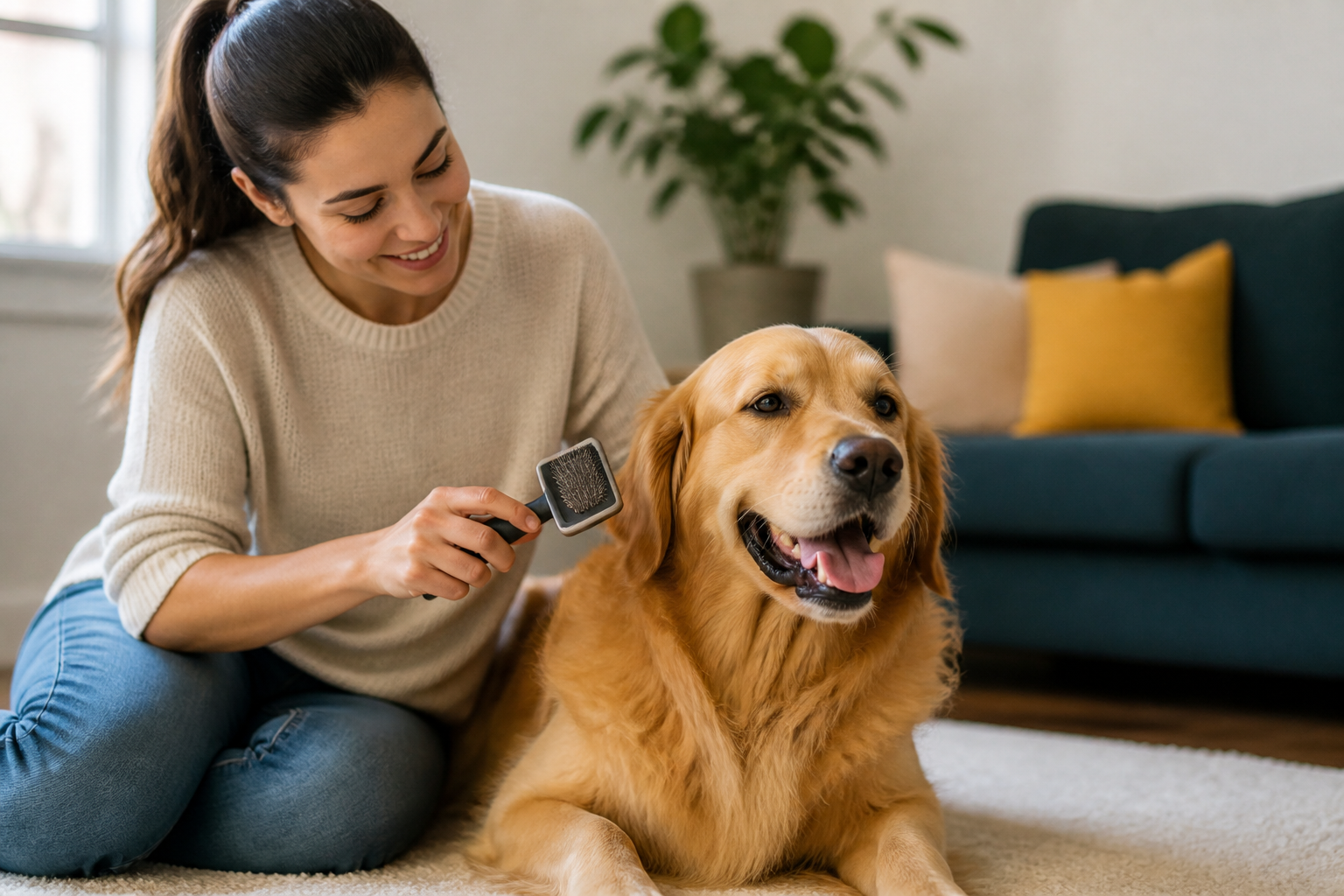
You might notice a persistent tangle forming behind your dog's ears or see clouds of loose fur drifting across your hardwood floors. These are the moments when a standard comb just will not cut it. Every pet owner eventually asks what is a dog slicker brush when they realize their current grooming routine is falling behind. At BaxterBoo, we see thousands of pet parents looking for ways to manage heavy shedding and stubborn mats without causing their dogs discomfort. This specific tool is the workhorse of the grooming world. It is designed to handle dense coats, curly fur, and the thick undercoats that other brushes often miss. This guide covers how these brushes work, which dogs benefit most, and the best techniques to keep your dog's coat healthy and shiny.
The Anatomy of a Slicker Brush
To understand what makes this tool unique, you have to look closely at the bristles. A slicker brush features a flat or slightly curved head covered with rows of thin wire pins. These pins are not straight like a sewing needle. Instead, they have a slight hook or angle near the tip. This angle is the secret to how the brush grabs loose fur and debris without poking the skin.
The pins are usually set into a flexible rubber pad. This pad acts like a shock absorber. When you move the brush through a thick coat, the pad allows the pins to bend and move with the contours of the dog's body. This flexibility helps prevent "brush burn," which is skin irritation caused by too much pressure or repetitive scraping.
The handles are typically designed for a firm grip. Since grooming a large, long-haired dog can take twenty minutes or more, comfort matters. Most modern slicker brushes use ergonomic rubber or silicone handles to prevent hand fatigue. Some even feature a button on the back that pushes the hair out of the pins for easy cleaning. You can compare options in our dog brushes and combs collection.
Quick Answer: A dog slicker brush is a grooming tool with fine wire pins that are slightly angled to reach through the topcoat. It is primarily used to remove mats, tangles, and loose undercoat hair in medium to long-haired breeds.
Why the Bent Pin Design Matters
You might wonder why the pins are bent instead of straight. Straight pins, like those found on a standard pin brush, are great for smoothing the top layer of hair. However, they tend to slide over mats rather than breaking them up. The bent pins on a slicker brush act like tiny hooks. They catch the individual hairs that have already shed but are still trapped in the coat.
This design also allows the brush to penetrate the undercoat. Many breeds have a soft, fuzzy layer of fur beneath their tougher outer coat. This undercoat is what usually causes the most shedding. If you do not remove this dead hair, it twists around the live hair and forms a mat. The slicker brush reaches down, hooks that dead fur, and pulls it to the surface.
Which Dog Coats Benefit the Most
Not every dog needs a slicker brush. If you have a short-haired breed like a Beagle or a Boxer, a slicker brush might be too harsh for their thin coat. These dogs do better with a rubber curry brush or a soft bristle brush. However, for other coat types, the slicker brush is indispensable.
Long-Haired Breeds
Dogs like Golden Retrievers, Collies, and Cocker Spaniels have hair that grows continuously or is very long. These coats pick up burs, sticks, and dirt during walks. A slicker brush is the best tool for "back-brushing" these breeds to ensure no tangles are hiding near the skin.
Curly and Wavy Coats
Poodles and Doodles are famous for their curly fur. While they do not shed much on your furniture, their hair is very prone to matting. The curls trap loose hair against the body. Without regular slicker brushing, these curls can quickly turn into a solid felt-like mat that requires professional shaving. For additional guidance, read how to groom a dog with curly hair.
Double-Coated Breeds
Huskies, German Shepherds, and Newfoundlands have a dense undercoat that "blows" twice a year. During these seasons, a slicker brush helps manage the sheer volume of fur. It pulls out the tufts of loose undercoat before they end up all over your house.
Wire-Haired Breeds
Terriers with wiry coats often have a mix of textures. The slicker brush helps remove the dead, coarse hair and keeps the coat from looking shaggy and unkempt.
| Coat Type | Primary Benefit | Recommended Frequency |
|---|---|---|
| Long & Silky | Prevents tangles and adds shine | 3-4 times per week |
| Curly/Doodle | Prevents painful matting | Daily |
| Double Coat | Removes loose undercoat | Daily during shedding season |
| Wire Haired | Removes dead hair and debris | 2 times per week |
The Benefits of Regular Slicker Brushing
Using a slicker brush is about more than just making your dog look good. It is a fundamental part of their physical health. Regular sessions provide several benefits that go beyond aesthetics.
First, it stimulates the skin. The gentle contact of the wire pins against the skin increases blood flow. This helps distribute natural oils across the hair shaft, which creates a natural protective barrier and a healthy shine.
Second, it allows you to check for external parasites. As you move the hair aside with the brush, you can see the skin clearly. This is the perfect time to look for fleas or ticks. Our flea and tick collection carries a wide range of FDA-approved flea and tick preventives if you spot any unwanted guests during your grooming session. Through our partnership with Pet's Choice, we can help you manage these prescription needs easily.
Third, it prevents skin infections. Mats are more than just ugly. They trap moisture and heat against the dog's skin. This creates a breeding ground for bacteria and yeast. By using a slicker brush to keep the coat open and airy, you reduce the risk of "hot spots" and other painful skin conditions.
Key Takeaway: Slicker brushes are essential for health because they prevent the moisture-trapping mats that lead to bacterial skin infections and hot spots.
How to Use a Slicker Brush Properly
Technique is everything when it comes to wire brushes. Because the pins are sharp, you cannot use the same pressure you would with a human hairbrush. If you press too hard, you will scratch the skin, which can lead to a fear of grooming.
The "Pat and Pull" Method
Do not drag the brush through the hair in one long motion. Instead, use short, gentle strokes. This is often called the pat and pull method. You "pat" the brush into the hair and then "pull" it away from the body in a slight curved motion. This breaks up tangles without yanking on the dog's skin.
Line Brushing for Thick Coats
If your dog has a very thick coat, use the line brushing technique. Use one hand to push the hair upward, exposing a "line" of skin. Use the slicker brush in your other hand to brush the hair downward from that line. Work your way across the dog's body, one section at a time. This ensures you are reaching the hair closest to the skin rather than just skimming the surface.
Step-by-Step Grooming Routine
Step 1: Inspect the coat. / Run your hands over your dog to feel for large mats or sensitive spots.
Step 2: Apply a detangling spray. / Use a light mist of grooming spray to lubricate the hair and reduce static.
Step 3: Start at the extremities. / Begin brushing at the legs or tail and work your way toward the head.
Step 4: Use short strokes. / Work in small sections, roughly two inches wide, using the pat and pull motion.
Step 5: Check your progress. / Run a metal comb through the section you just brushed to ensure no tangles remain.
Step 6: Clear the brush. / Remove the trapped fur frequently so the pins can reach deep into the coat.
Vet Tip: If you encounter a mat that is tight against the skin, do not try to pull it out with the brush. This causes significant pain. Apply a detangler and try to work it apart with your fingers first. If the mat is hard or the skin underneath is red, consult your veterinarian to avoid accidental skin tears.
Choosing the Right Slicker Brush for Your Dog
Not all slicker brushes are created equal. When you browse the selection at BaxterBoo, you will see a variety of sizes and pin types. Matching the brush to your dog's specific needs will make the job much easier.
Pin Firmness
Slicker brushes come with soft, medium, or firm pins. Soft pins are best for puppies, senior dogs with thin skin, or dogs with very fine, silky hair. Firm pins are designed for thick, coarse coats or dogs with heavy matting. Most owners find that a medium-firmness brush is a good all-around choice.
Size and Shape
Small brushes are perfect for toy breeds or for reaching tight areas like the armpits and behind the ears. Large, wide-headed brushes are better for the broad back and sides of a Golden Retriever or a Great Pyrenees. Some brushes have a curved head, which helps follow the natural curve of a dog's ribcage.
Self-Cleaning Features
If you hate picking hair out of wire pins, look for a self-cleaning model. These have a plate that slides forward when you press a button, stripping the hair off the pins instantly. This is a huge time-saver for dogs that shed heavily. The Master Grooming Tools Self-Cleaning Slicker Brush is one option to consider.
Common Mistakes to Avoid
Even with the best intentions, it is easy to make mistakes that turn grooming into a negative experience. Avoid these common pitfalls to keep your dog happy.
Pressing too hard. The most common mistake is applying too much downward pressure. You should let the tips of the pins do the work. If your dog's skin looks pink or red after brushing, you are using too much force.
Brushing wet hair. Never use a slicker brush on a dog with severe mats after a bath. Water causes hair to swell and the mats to tighten. Always brush your dog thoroughly before the bath. If you must brush a wet dog, use a high-quality detangling spray first. For more bath-time guidance, review these dos and don'ts for bathing your dog.
Ignoring the "Hidden" Spots. Mats love to hide in high-friction areas. These include the armpits, the area where the collar sits, and the backs of the hind legs. Make sure you use a small slicker brush to reach these spots every time you groom.
Going too fast. If you rush, you are more likely to snag a tangle and hurt your dog. Take your time, especially around sensitive areas like the belly and the face.
Maintaining Your Grooming Tools
A good slicker brush can last for years if you take care of it. However, damaged tools can be dangerous. Wire pins can sometimes bend or break. A broken wire can have a sharp, jagged edge that will slice a dog's skin.
Check your brush before every use. Run your thumb lightly across the pins to make sure none are bent out of alignment or missing their protective tips. If the pins are starting to rust or the rubber pad is cracking, it is time for a replacement.
Cleaning is also vital. In addition to removing the hair, you should occasionally wash the brush with warm water and a mild soap. This removes the buildup of skin oils and dander. Ensure the brush is completely dry before storing it to prevent the wire pins from weakening.
Bottom line: A well-maintained slicker brush with straight, intact pins is the safest way to ensure a comfortable grooming session for your pet.
Integrating Brushing into Your Wellness Routine
Grooming is a great time to evaluate your dog's overall health. While you are brushing, look for changes in coat texture. A coat that suddenly becomes dry, brittle, or oily can be a sign of underlying nutritional deficiencies or health issues.
We offer a wide selection of premium foods and supplements from brands like Farmina, Zesty Paws, and Honest Paws that support skin and coat health. If your dog's skin seems chronically itchy or flaky, it may be worth discussing a prescription diet with your vet. Our pharmacy carries many specialized diets through our Pet's Choice partnership that are formulated specifically for skin sensitivities.
Brushing is also an excellent bonding activity. If you start when your dog is a puppy, they will learn to view the slicker brush as a source of attention and comfort. Always end your grooming sessions with a high-value treat to reinforce this positive association. Our MVP Rewards programme is a great way to save on those favorite treats and grooming supplies while you build your dog's routine.
Conclusion
A slicker brush is one of the most effective tools for maintaining a healthy dog. By reaching deep into the coat to remove loose fur and debris, it prevents painful mats and keeps the skin healthy. Whether you have a fluffy Doodle or a double-coated Shepherd, the right slicker brush makes the grooming process faster and more comfortable for everyone involved.
Remember to:
- Choose the right pin firmness for your dog's coat type.
- Use the pat and pull method to avoid skin irritation.
- Check for mats and skin issues regularly.
- Reward your dog for their cooperation.
For the best results, pair your brushing routine with high-quality grooming sprays and skin-supporting supplements. You can find everything you need in our dog grooming collection and our pet pharmacy.
FAQ
Can I use a slicker brush on a cat?
Yes, slicker brushes are excellent for long-haired cats like Persians or Maine Coons. You should choose a smaller brush with softer pins, as cat skin is generally thinner and more sensitive than dog skin. Always use a very light touch to avoid causing the cat distress.
How often should I clean the hair out of my slicker brush?
You should remove the hair as soon as the pins are about halfway full. If the brush is packed with hair, the pins cannot reach deep enough into the coat to be effective. For heavy shedders, this might mean cleaning the brush every few strokes.
My dog hates the slicker brush, what should I do?
Start by letting your dog sniff the brush while it is on the floor and give them a treat. Gradually progress to touching them with the back of the brush, then one gentle stroke. Keep sessions very short and use lots of rewards to change their emotional response to the tool.
Is a slicker brush the same as a de-shedding tool?
Not exactly. While a slicker brush helps with shedding, a dedicated de-shedding tool often has a blade-like edge designed to reach through the topcoat and pull out huge amounts of undercoat. Slicker brushes are more versatile for everyday grooming and mat prevention across various coat types.






