
 Save 15% on your 1st Autoship learn more

 Email us
 Live Chat
 FAQs
FAQs





Introduction
You are relaxing on the couch with your dog when your fingers snag on a hard, tight clump of fur behind their ear. You try to smooth it out, but the hair is tangled deep down near the skin. This is the exact moment many pet owners realize their current brush is not up to the task. At BaxterBoo, we see this often with breeds that have dense or curly coats. A slicker brush is the specific tool designed to solve this problem before it leads to painful mats. In this guide, we will explain exactly how these brushes work and which coats benefit from them most. We will also cover safety tips to keep your dog comfortable during grooming. Understanding this one tool can significantly improve your dog's skin health and coat appearance.
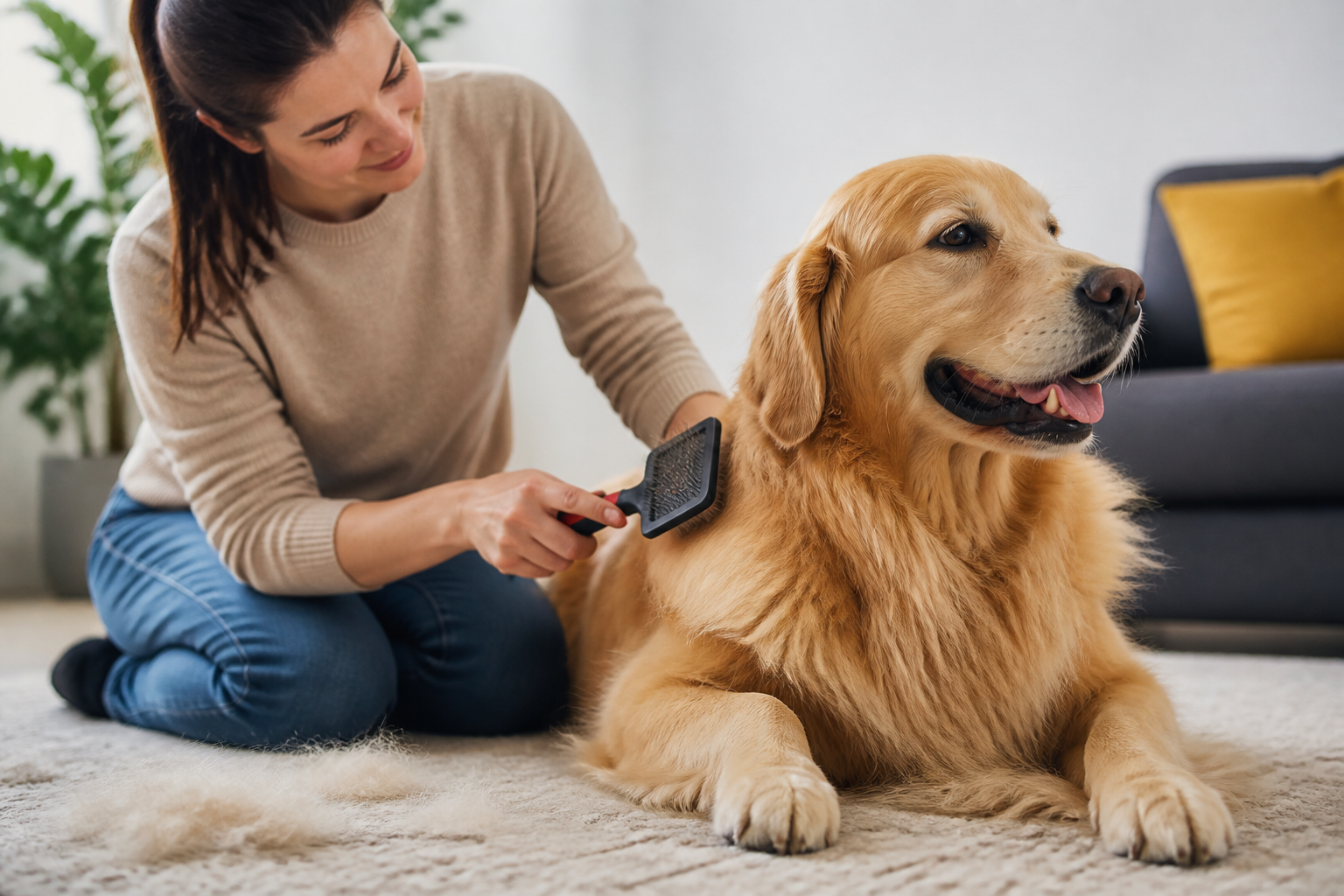
Quick Answer: A slicker brush is used to remove mats, tangles, and loose debris from a dog's coat. It features fine wire pins that reach through the topcoat to pull out dead hair from the undercoat.
What Exactly Is a Slicker Brush?
A slicker brush is a grooming tool characterized by its unique head and pin design. The head is typically flat or slightly curved. It is covered with hundreds of fine wire pins. These pins are usually angled or slightly hooked at the ends. This specific shape allows the brush to grab onto loose hair and tangles without needing to exert heavy pressure.
The pins are often mounted on a flexible rubber pad. This pad acts as a cushion. It allows the pins to move with the contours of your dog's body. This flexibility is vital because it prevents the stiff wires from poking or scratching the skin too harshly. You will find these brushes in various sizes, ranging from tiny versions for toy breeds to large, wide heads for giant dogs.
Unlike a standard bristle brush that mostly smooths the surface, the slicker brush is a deep-cleaning tool. It is built to penetrate through thick layers of fur. It targets the "problem areas" where mats tend to form, such as the armpits, the base of the tail, and behind the ears.
The Primary Uses for a Slicker Brush
The slicker brush is a multi-purpose tool that serves several roles in a weekly grooming routine. It is rarely the only brush a pet owner needs, but it is often the most important for maintenance.
Removing Mats and Tangles
This is the most common reason owners reach for a slicker brush. Mats are dense clumps of tangled fur that can pull on a dog's skin and cause pain. If left alone, they can trap moisture and lead to skin infections. The fine wires of the slicker brush act like a high-density comb. They separate individual hairs to break down tangles before they become solid mats.
For a brush designed specifically for removing mats and loose hair, explore our dog brushes and combs collection.
Deshedding the Undercoat
Many dogs have a double coat. This means they have a soft undercoat for insulation and a tougher topcoat for protection. The slicker brush is excellent at reaching that undercoat. It pulls out dead hair that has already detached from the follicle but is trapped under the topcoat. By removing this hair, you prevent it from falling off on your furniture and clothes.
For more information about managing loose fur, read our guide to Australian Shepherd shedding.
Clearing Debris and Dirt
If your dog loves the outdoors, they likely bring back "souvenirs" from their walks. Dried mud, burrs, and small twigs often get stuck in long or curly fur. The closely spaced pins of a slicker brush are perfect for snagging these bits of debris. It is much more effective than using your fingers, which can accidentally push the debris deeper into the coat.
Stimulating Skin and Distributing Oils
Grooming is not just about the hair. It is also about the skin. The gentle "massaging" action of the pins helps stimulate blood flow to the skin's surface. It also helps move natural oils from the base of the hair shaft down to the ends. This process results in a shinier, healthier-looking coat over time.
Which Dogs Benefit Most from a Slicker Brush?
Not every dog needs a slicker brush. If you have a short-haired breed like a Beagle or a Boxer, this tool might be too aggressive for their thin coat. However, for certain coat types, it is indispensable.
Curly and Wavy Coats
Poodles and Doodles are the primary candidates for this tool. Their hair grows continuously and does not shed in the traditional sense. Instead, loose hair gets caught in the curls. Without regular slicker brushing, these dogs can become matted very quickly.
For additional curly-coat grooming guidance, read how to groom a dog with curly hair.
Long, Silky Coats
Breeds like Yorkies, Cocker Spaniels, and Setters have hair that tangles easily. The slicker brush helps keep these long strands separated and smooth. It prevents the "frizzy" look that can happen when fine hair begins to clump together.
Double-Coated Breeds
Golden Retrievers, German Shepherds, and Huskies have dense undercoats that shed heavily. For these dogs, the slicker brush is used to manage the sheer volume of fur. It is often used as a "finishing" brush after a heavier rake has been used to pull out the bulk of the shedding undercoat.
Wiry Coats
Terriers with wiry coats, like Airedales or Schnauzers, often get tangles in their thicker leg hair and "beards." A slicker brush helps keep these areas neat and free of food particles or outdoor debris.
Key Takeaway: Slicker brushes are best for medium to long-haired dogs, curly coats, and double-coated breeds. They are not recommended for dogs with very short, smooth coats.
How to Use a Slicker Brush Safely
Using a slicker brush requires a specific technique. Because the pins are made of wire, you must be careful not to cause "slicker burn." This is a skin irritation caused by repeatedly scraping the metal pins against the dog's skin. At BaxterBoo, we recommend a gentle approach to ensure your dog enjoys the grooming session.
The "Pat and Pull" Technique
Professional groomers often use a method called "pat and pull." Instead of dragging the brush in long, heavy strokes, you gently pat the brush into a section of hair. Then, you pull the brush away from the body in a short, smooth motion. This minimizes the amount of time the pins spend in direct contact with the skin.
The Master Grooming Tools Ergonomic Slicker Dog and Cat Brush features cushioned pins and an ergonomic handle for controlled brushing.
Working in Sections
Never try to brush the whole dog at once. Start at the bottom of a leg and work your way up. By working in small, two-inch sections, you can ensure you are getting all the way down to the skin. If the brush snags on a tangle, do not pull harder. Stop and use your fingers to loosen the knot before continuing with the brush.
Step-by-Step Grooming Process
Step 1: Check the skin. / Before brushing, look for any redness, sores, or hotspots that might be sensitive.
Step 2: Start with the ends. / If your dog has long hair, brush the ends first to clear surface tangles.
Step 3: Move to the base. / Gradually work the brush closer to the skin using the pat and pull method.
Step 4: Check your progress. / Run a metal comb through the fur when you are finished. If the comb catches, there is still a hidden tangle.
Vet Tip: While grooming, always check your dog's skin for lumps, bumps, or parasites like fleas and ticks. If you notice persistent redness or skin irritation, consult your veterinarian. Our pet pharmacy offers FDA-approved flea and tick preventives through our partnership with Pet's Choice if you discover an infestation during your grooming routine.
Different Types of Slicker Brushes
When you look at the selection we carry, you will notice several variations. Choosing the right one depends on your dog's specific needs and your own comfort.
Self-Cleaning Slicker Brushes
One of the most popular innovations is the self-cleaning feature. These brushes have a button on the handle. When you press it, the pins retract into the head of the brush. This leaves the matted fur sitting on a flat surface, allowing you to wipe it off in one piece. It saves time and prevents you from pricking your fingers on the wire pins.
The Master Grooming Tools Self-Cleaning Slicker Brush is designed with push-button pin retraction for easier cleanup.
Flexible Head Brushes
Some slicker brushes have a head that is split into two halves, joined by a flexible joint. This allows the brush to wrap around the curves of a dog's leg or neck. These are often gentler and are a great choice for dogs that are nervous about grooming.
Different Pin Firmness
Pins come in soft, medium, and firm.
- Soft pins: Best for puppies, senior dogs with thin skin, or breeds with very fine hair.
- Medium pins: The standard for most adult dogs with average coats.
- Firm pins: Necessary for very thick, dense coats or for professional dematting.
Handle Ergonomics
Do not ignore the handle. If you have a large dog like a Great Pyrenees, you might be brushing for 30 minutes or more. Look for a handle with a rubber grip and an ergonomic shape. This reduces hand fatigue and gives you better control over the pressure you apply.
Common Mistakes to Avoid
Even experienced pet owners can make mistakes with a slicker brush. Avoiding these errors will make the process faster and safer for your pet.
Brushing Wet Hair
Never use a slicker brush on a wet dog. Water causes hair to swell and can make mats tighter. Brushing wet hair also increases the risk of hair breakage. Always dry your dog thoroughly before starting your slicker brush routine.
For more coat-care guidance around bath time, read these dos and don'ts for bathing your dog.
Only Brushing the Top Layer
This is the most common mistake. The coat may look smooth on top, but mats often form right against the skin. You must ensure the pins are reaching through the entire depth of the coat. If you only brush the surface, you are essentially "polishing" the mats rather than removing them.
Using Too Much Pressure
You should never have to press the brush hard against the dog. The pins are designed to do the work. If you find yourself pushing down, the brush might be too small for the coat, or the pins might be too soft.
Ignoring Sensitive Areas
Tangles love to hide in "high friction" areas. These include the armpits, the backs of the thighs, and the area under the collar. Many owners skip these spots because the dog might be ticklish or sensitive there. However, these are the most important places to use your slicker brush.
Bottom line: Successful slicker brushing is about technique and consistency rather than force.
Comparing the Slicker Brush to Other Tools
It helps to know how the slicker brush fits into a full grooming kit. It is often used in combination with other tools to get the best results.
| Tool Type | Primary Function | Best For |
|---|---|---|
| Slicker Brush | Detangling and Mat Prevention | Medium to long or curly coats |
| Bristle Brush | Smoothing and Adding Shine | Short-haired dogs or finishing long coats |
| Undercoat Rake | Removing Bulky Shedding | Double-coated breeds (Huskies, Goldens) |
| Metal Comb | Checking for Hidden Knots | All long-haired breeds |
| Rubber Curry Brush | Massaging and Surface Deshedding | Short-haired dogs (Labs, Pugs) |
Using a slicker brush followed by a metal comb is often called the "gold standard" for home grooming. The brush does the heavy lifting of detangling, and the comb ensures no small knots were missed.
Maintenance and Care for Your Brush
To keep your grooming tools effective, you must care for them properly. A dirty or damaged brush can actually hurt your dog's coat.
- Clean after every use: Remove all hair from the pins. If hair builds up, the pins cannot penetrate the coat effectively.
- Wash periodically: You can wash most slicker brushes with warm water and a mild dish soap. Ensure you dry it thoroughly, face down, so water does not sit in the cushion pad.
- Check for damage: Look for bent or broken pins. A bent pin can have a sharp edge that scratches the skin. If the pins start to lose their shape or the rubber pad cracks, it is time to replace the brush.
- Store safely: Store the brush with the pins facing up or in a drawer where they will not be crushed. This maintains the specific angle needed for the "pat and pull" technique to work.
Grooming and Your Dog's Health
Regular use of a slicker brush is about more than just looking good. It is a vital part of preventative health care. When you groom your dog, you are acting as the first line of defense against skin issues. You will notice things like dry skin flakes, unusual bumps, or areas of hair loss that might otherwise go unnoticed.
If your dog has a history of skin allergies or sensitivities, grooming becomes even more critical. Removing dead hair and allergens like pollen from the coat can reduce itching. For dogs managing chronic skin conditions, your vet might recommend specific prescription shampoos or topical treatments. Our pharmacy carries a range of these products to support your dog's dermatological health.
We believe that a well-groomed dog is a comfortable dog. By using a slicker brush a few times a week, you prevent the pain of severe matting and the stress of "shave-downs" at the professional groomer. It is a simple way to bond with your pet while keeping them healthy.
FAQ
Can I use a slicker brush on my cat?
Yes, slicker brushes are excellent for medium and long-haired cats. Cats are prone to painful mats, especially as they age and may struggle to groom themselves. Use a smaller slicker brush with softer pins and a very light touch, as feline skin is thinner and more sensitive than canine skin.
How often should I use a slicker brush on my dog?
For most long-haired or curly-coated dogs, we recommend using a slicker brush every two to three days. If your dog has a coat that mats easily, such as a Goldendoodle or a Bichon Frise, daily brushing may be necessary. Consistent, short sessions are usually better than one long, stressful session once a month.
Why does my dog hate being brushed with a slicker brush?
Your dog might have a negative association if the pins were previously used too roughly or if they have existing mats that are being pulled. Try using a softer pin brush and pairing the grooming with high-value treats. Always start in a non-sensitive area like the back before moving to legs or ears to build trust.
Does a slicker brush stop a dog from shedding?
A slicker brush does not stop the biological process of shedding, but it does manage it. By manually removing the loose hair before it falls out, you significantly reduce the amount of fur found on your floors and furniture. For heavy shedders, combining a slicker brush with a dedicated deshedding rake provides the best results.






