
 Save 15% on your 1st Autoship learn more

 Email us
 Live Chat
 FAQs
FAQs





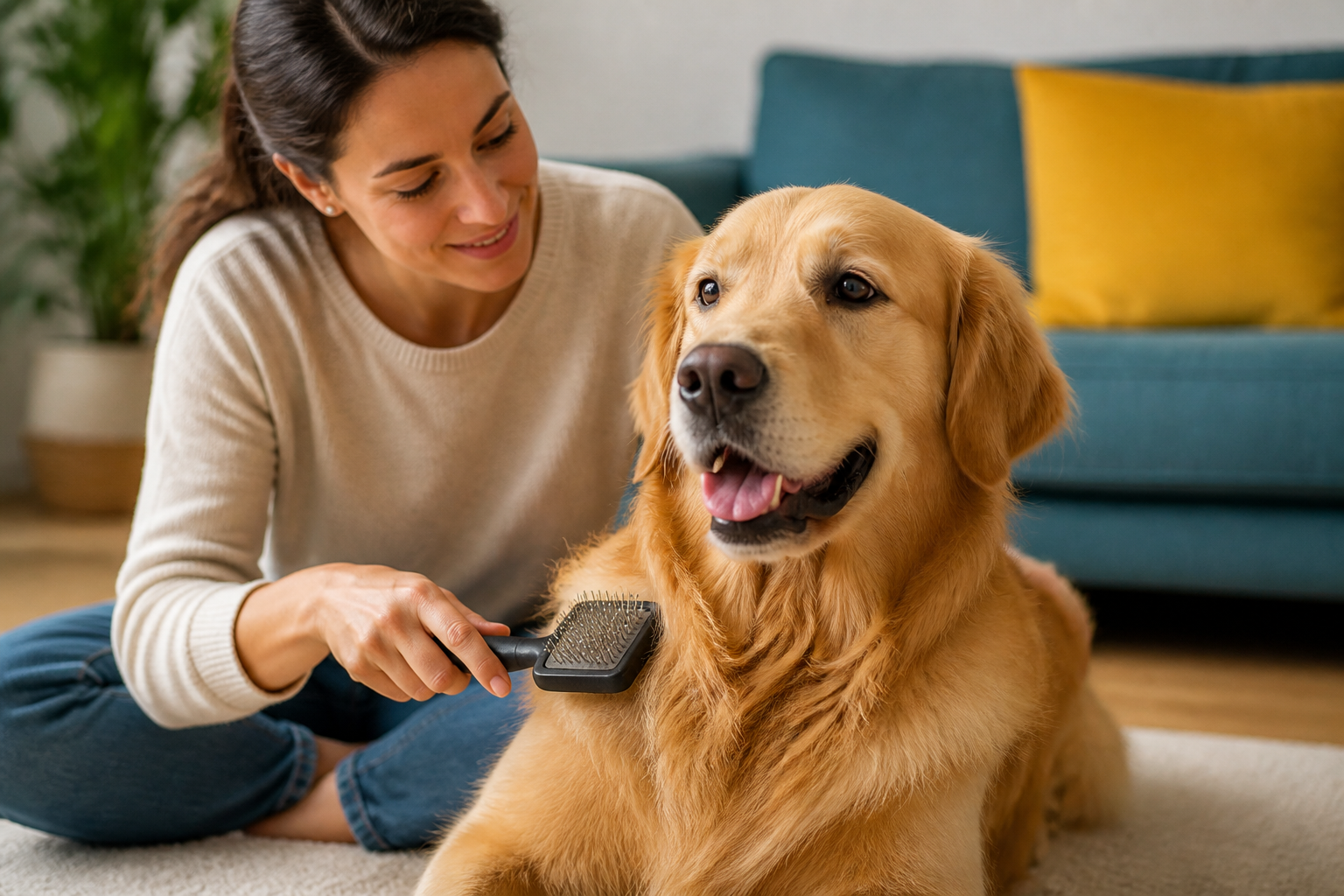
Introduction
You might be standing in the grooming aisle or scrolling through our selection of tools, wondering why there are so many types of brushes for a single dog. It is easy to feel overwhelmed when a pin brush looks almost exactly like the hairbrush sitting on your own bathroom vanity. At BaxterBoo, we know that choosing the right tool is the difference between a relaxing bonding session and a stressful afternoon of tugging on tangles. This article will explain exactly what a pin brush is, which coat types benefit most from its design, and how to select the right pin length for your dog. Understanding this simple tool helps you maintain a healthy, shiny coat while keeping your pet comfortable. Whether you are prepping for a dog show or just trying to manage daily shedding, the pin brush is a fundamental tool for your grooming kit.
The Anatomy of a Pin Brush
A pin brush is a grooming tool characterized by a wide, usually oval or oblong head with wire pins set into a flexible rubber or silicone cushion. These pins are typically made of stainless steel or brass. Unlike a slicker brush, which has fine, bent wires designed to grab loose undercoat, the pins on this brush are straight and spaced further apart.
The cushion is one of the most important parts of the tool. It acts as a shock absorber, allowing the pins to retract slightly when they meet resistance. This prevents the brush from pulling too hard on the hair or scraping the skin. Most high quality pin brushes feature "ground and rounded" tips. This means the ends of the metal pins have been polished so they are smooth to the touch, rather than sharp. Some versions also feature tiny protective balls or nubs on the tips for pets with very sensitive skin.
The handle is another key feature. You will find handles made of lightweight beechwood, ash, or ergonomic plastic. Since grooming can take time, especially with larger breeds, a comfortable grip is essential to prevent hand fatigue.
Quick Answer: A pin brush is a grooming tool with straight metal pins set into a flexible cushion, designed to smooth the coat and remove light tangles. It is most effective for dogs with medium to long hair or silky coats that require a gentle touch.
Key Benefits of Using a Pin Brush
The primary job of a pin brush is to provide a polished, finished look to the coat. It is not necessarily the heavy hitter for removing massive mats, but it excels at daily maintenance. One of the biggest advantages is its ability to reduce static. When you use a plastic brush on long, fine hair, it often creates a frizzy mess. Stainless steel or brass pins help neutralize that charge, leaving the coat lying flat and smooth.
This tool is also excellent for distributing natural skin oils. As you move the pins through the fur, they gently stimulate the skin and help move oils from the base of the hair shaft to the tips. This creates that healthy, glossy shine that every owner wants to see.
Because the pins are spaced out, they provide a much gentler experience than other tools. If you have a puppy or a dog that is nervous about grooming, a pin brush often feels like a massage rather than a chore. It is an ideal "starter brush" to get a young pet used to the sensation of being handled.
Key Takeaway: Pin brushes are the best choice for finishing and daily smoothing because they reduce static and distribute natural oils without the aggressive pulling of a de-shedding tool.
Which Dog Breeds Benefit Most?
While you can use a pin brush on almost any dog, it is the gold standard for specific coat types. Dogs with long, silky hair or curly coats that are prone to frizz need the gentle spacing of these pins.
Silky and Long-Coated Breeds
Breeds like Yorkshire Terriers, Maltese, and Afghan Hounds have hair that is very similar to human hair. It can break easily if you use a tool that is too aggressive. A pin brush with a soft cushion and long pins allows you to glide through the length of the coat without snapping the delicate strands.
Curly and Wire-Haired Breeds
For Poodles, Bichon Frises, and various Doodles, a pin brush helps maintain the "fluff" after a bath. It separates the curls without making them look frayed. Wire-haired breeds like Schnauzers also benefit from the way a pin brush can smooth the topcoat without irritating the skin underneath.
Double-Coated Breeds
While a pin brush might not replace a dedicated undercoat rake for a Siberian Husky or a Great Pyrenees, it is an essential maintenance tool. It is perfect for a quick daily brush-over to catch loose surface hairs before they end up on your furniture. For these thick coats, you will generally want a brush with longer, firmer pins that can reach through the outer guard hairs.
For additional guidance on managing a double coat, see our article about Australian Shepherd shedding and grooming.
List of Breeds Ideal for Pin Brushes:
- Golden Retrievers and Setters
- Collies and Australian Shepherds
- Yorkshire Terriers and Maltese
- Poodles and Bichon Frises
- Bernese Mountain Dogs and Great Pyrenees
Choosing the Right Pin Length and Pad Firmness
Not all pin brushes are created equal. When you look at professional lines, such as the Chris Christensen series we carry, you will notice variations in pin length and pad flexibility. Choosing the wrong one can lead to a brush that either does not reach the skin or feels too harsh.
Selecting Pin Length
The rule of thumb is that the pins should be long enough to reach through the coat to the skin, with a little bit of room to spare.
- 20 mm pins: These are standard for short to medium coats.
- 27 mm pins: These are the "all-around" choice for most long-haired breeds.
- 35 mm pins: Use these for very thick, dense, or exceptionally long coats like those on a Full-Coat Shih Tzu or a rough-coated Collie.
Understanding Pad Flex
The "flex" refers to how much the cushion gives when you press on it.
- Firm Pads: Best for thick, heavy coats that need a bit more pressure to get through the hair.
- Medium Pads: A great middle-ground for most breeds, providing enough support for tangles but enough give for comfort.
- Soft Pads: Ideal for puppies, senior dogs with thinning hair, or breeds with very fine, delicate coats like the Papillon.
Vet Tip: If your dog has sensitive skin or is prone to "brush burn," always opt for a softer pad and pins with rounded tips. Always check the skin for redness after grooming to ensure the pressure you are using is appropriate for your pet.
Comparing Pin Brushes and Slicker Brushes
One of the most common questions we hear is whether an owner should buy a pin brush or a slicker brush. The truth is that many owners need both, but they serve different purposes.
A slicker brush has hundreds of tiny, bent wire pins packed closely together. It is designed to grab and pull out dead undercoat and break up small mats. It is a "working" brush. However, because the wires are so fine and numerous, it can sometimes be too scratchy for sensitive areas or fine hair.
The pin brush is a "finishing" brush. It is much more comfortable for the dog and is better at smoothing the top layer of hair. If you try to use only a pin brush on a heavily shedding dog, you will likely leave behind a lot of loose undercoat. If you use only a slicker brush on a long-haired dog, you might end up with broken hair and a frizzy texture.
For a working brush to pair with a pin brush, explore our dog slicker brush selection.
| Feature | Pin Brush | Slicker Brush |
|---|---|---|
| Pin Type | Straight, spaced apart | Bent, densely packed |
| Primary Use | Smoothing, finishing, daily care | De-shedding, removing mats |
| Coat Finish | Glossy, flat, anti-static | Fluffy, separated |
| Best For | Silky/Long/Curly coats | Double/Thick/Wiry coats |
| Sensitivity | Very gentle | Can be scratchy if used incorrectly |
Bottom line: Use a slicker brush first to remove dead hair and mats, then follow up with a pin brush to smooth the coat and add shine.
How to Use a Pin Brush Effectively
To get the most out of your pin brush, you should follow a specific technique. Simply dragging the brush over the top of the fur will not do much for the health of the skin or the deeper layers of the coat.
Step 1: Start with a detangling spray.
Mist your dog's coat lightly with a grooming spray or a diluted conditioner. Brushing dry hair can cause breakage and static. The moisture helps the pins glide through the hair.
Step 2: Use the "Line Brushing" technique.
For dogs with long hair, lift a section of the coat and brush from the skin outward. Work in small sections, moving from the bottom of the dog (the legs) upward toward the spine. This ensures you are reaching every layer of hair.
Step 3: Brush in the direction of hair growth.
Follow the natural flow of the coat. Use long, smooth strokes. If you meet a tangle, do not yank. Hold the hair near the base of the skin with your other hand to prevent pulling, and gently wiggle the pins through the knot.
Step 4: Check the "hot spots."
Pay special attention to the areas behind the ears, under the armpits, and around the tail. These are areas where friction causes mats to form quickly. A pin brush is gentle enough to use in these sensitive spots.
For more bathing and post-bath brushing guidance, read our tips for bathing your dog.
Specialized Pin Brushes for Unique Needs
Sometimes a standard oval brush is not the best fit for the job. There are several specialized designs that solve specific grooming problems.
Wood Pin Brushes
These brushes use bamboo or wooden pins instead of metal. They are incredible for dogs that are terrified of grooming because they feel exactly like a human massage. Because wood does not conduct heat, they are also the best choice for style-drying your dog with a blow dryer. The pins stay cool against the skin.
You can browse our BASS Brushes selection for grooming designs that include wooden handles and styling tools.
T-Brushes
A T-brush has a unique handle shape that looks like the letter T. This allows you to apply more even pressure across the brush head without straining your wrist. These are often used for double-coated breeds where you need to get deeper into the coat but want to maintain the gentle action of a pin brush.
Pocket and Travel Brushes
If you are traveling or heading to a dog show, a smaller pocket-sized pin brush is a lifesaver. These are also great for toy breeds like Chihuahuas or Toy Poodles where a full-sized oval brush would be too bulky to maneuver around their small frames.
Maintenance and Care for Your Brush
A high quality pin brush is an investment. If you take care of it, it can last for many years. We recommend cleaning the hair out of the pins after every single use. You can use a comb to gently lift the hair out of the cushion.
Periodically, you should wash the brush. Use a mild pet shampoo and warm water. Avoid soaking the entire brush if the handle is made of wood, as this can cause the wood to swell or crack. Instead, dip the pins and cushion into the soapy water and use an old toothbrush to scrub away any buildup of oils or skin dander.
Check the pins regularly. If you notice that the protective nubs have fallen off or if a pin has become bent or sharp, it is time to replace the brush. Damaged pins can scratch your dog's skin, leading to irritation or even small infections.
Key Takeaway: Proper maintenance prevents bacteria buildup and ensures the tool remains safe and comfortable for your dog's skin.
When Grooming Reveals Health Issues
Regular brushing is about more than just looking good. It is your primary opportunity to check your dog's skin health. While you are using your pin brush, keep an eye out for redness, flaking, or unusual bumps.
If you notice your dog is constantly itchy despite regular brushing, or if you see patches of hair loss, it may be time to consult your veterinarian. These can be signs of allergies or skin infections that require more than just grooming. Our pet pharmacy carries FDA-approved treatments for skin conditions and allergies through our partnership with Pet's Choice. If your vet provides a prescription for medicated shampoos or topical treatments, we can help you fulfill those needs easily.
Vet Tip: Use grooming time to check for fleas and ticks, especially in the spring and summer. If you find pests, consult your vet for the best preventive medication for your specific pet's lifestyle.
Conclusion
A pin brush is a versatile and gentle tool that belongs in almost every dog owner's grooming kit. By choosing the right pin length and pad firmness for your dog's specific coat, you can turn a necessary chore into a pleasant experience for your pet. Remember to always brush in sections, use a detangling spray to prevent breakage, and keep your tools clean. We are here to help you find the perfect grooming supplies to keep your dog's coat in peak condition. For those looking to save time and money on regular grooming needs, consider signing up for our Autoship programme. This ensures you never run out of the sprays, shampoos, and conditioners that make brushing a breeze, while earning rewards through our MVP program.
FAQ
Can I use a human hairbrush on my dog instead of a pin brush?
While they look similar, human brushes often have pins that are too close together or tips that are too sharp for a dog's skin. Dog pin brushes are specifically designed with flexible cushions and rounded metal pins to handle the density of fur without causing "brush burn" or skin irritation.
What is the main difference between a pin brush and a slicker brush?
A pin brush has straight, widely spaced pins used for smoothing long hair and daily maintenance, whereas a slicker brush has fine, bent wires designed to pull out dead undercoat and break up mats. The pin brush is much gentler and is typically used as a finishing tool to add shine and reduce static.
How often should I use a pin brush on my dog?
For dogs with medium to long hair, daily brushing is ideal to prevent tangles from turning into mats. At a minimum, you should aim for two to three times a week to keep the coat smooth, distribute natural oils, and reduce the amount of loose hair in your home.
Do I need a pin brush with the little balls on the end of the pins?
Pins with protective nubs are excellent for dogs with very thin hair or highly sensitive skin. However, for dogs with very thick or long coats, these nubs can sometimes catch and pull on the hair. If your dog has a dense coat, a high-quality brush with "ground and rounded" tips without the nubs is usually the better choice.






