Save 15% on your 1st Autoship learn more

 Email us
 Live Chat
 FAQs
FAQs





Introduction
You are relaxing on the sofa with your cat when you notice something unusual in their fur. As you stroke their back, small white flecks appear against their coat. It looks just like human dandruff, and you might wonder if it is a sign of a health problem or just a dry environment. While a few flakes are common, a sudden increase in dandruff often signals that your cat needs a little extra help with their skin health. At BaxterBoo, we see this often and know how much it worries pet owners. This guide covers the common causes of feline dandruff, from grooming challenges to nutritional needs. You will learn how to identify the signs of "walking dandruff" and when it is time to consult your veterinarian. Understanding these flakes is the first step toward restoring your cat's glossy, healthy coat.
Quick Answer: Cat dandruff is the visible buildup of dead skin cells that appear as white or gray flakes in a cat's fur. It can be caused by environmental dryness, poor grooming, parasites, or underlying health issues like allergies and arthritis.
Understanding Feline Dandruff
Cat dandruff refers to the visible flakes of dead skin that collect on the hair coat. It is most frequently seen along the spine and near the base of the tail. While every cat sheds skin cells naturally, these cells are usually microscopic. When the skin becomes irritated, dry, or oily, these cells clump together. This creates the visible white or tan flakes you see during petting or brushing.
It is important to distinguish between dandruff and dander. Dander consists of microscopic skin cells that all cats shed as part of a normal cycle. These tiny particles are what often trigger human allergies. Dandruff is different because it is visible to the naked eye. If you can see the flakes, your cat is experiencing more than just normal shedding.
Dandruff is a symptom rather than a specific disease. It tells you that the skin's natural balance is off. This might happen because the skin is too dry or because it is producing too much oil. Sometimes, the skin cells are simply turning over faster than they should. Identifying the appearance of the flakes can help you and your vet determine the next steps for care.
Key Takeaway: If you can see white flakes in your cat's fur, it is dandruff, not just normal dander. This visible flaking is a sign that the skin barrier needs attention or that an underlying condition is present.
Environmental and Seasonal Factors
The air inside your home plays a major role in your cat's skin health. During the winter months, indoor heating systems strip moisture from the air. This low humidity often leads to dry, itchy skin for both humans and pets. If your cat spends a lot of time near heat vents, you might notice an increase in flakes during the colder seasons.
Low humidity reduces the natural oils that keep a cat's coat supple. When these oils are depleted, the skin becomes brittle and starts to flake off. This is a common issue for indoor cats in the United States. You might see more dandruff when the furnace is running constantly. Improving the air quality in your home is often the easiest first step in managing seasonal flakes.
Air conditioning can also have a drying effect during the summer. While not as common as winter dryness, consistent exposure to very dry, cool air can also lead to skin irritation. If the dandruff only appears during certain times of the year, the environment is likely a primary factor.
- Use a humidifier in the rooms where your cat sleeps.
- Keep your cat away from direct drafts from heating vents.
- Ensure your cat has access to multiple fresh water sources to stay hydrated.
Grooming Challenges and Physical Limitations
Cats are famous for their cleanliness, but they cannot always maintain their coats perfectly. When a cat stops grooming effectively, dead skin cells and oils build up. This results in visible dandruff and a greasy or matted coat. Many factors can interfere with a cat's ability to reach certain spots, especially the lower back and tail area.
Obesity is a leading cause of grooming issues. If a cat is overweight, they may lack the flexibility to reach their spine or rear. These areas then become hotspots for dandruff and loose fur. Regular weight management is essential for long term skin health.
Senior cats often face mobility issues like arthritis. If it hurts to twist or bend, the cat will skip grooming those hard to reach places. You might notice that your older cat's coat looks dull or flaky along the back. This is often an early sign of joint discomfort that your vet should evaluate.
Vet Tip: If your cat suddenly stops grooming or develops dandruff in specific areas like the lower back, it could indicate pain from arthritis or dental disease. A veterinary exam can help identify if your cat needs pain management or a specialized senior care plan.
Parasites and "Walking Dandruff"
Not all flakes are just dry skin. Some parasites can mimic the appearance of dandruff. One of the most notable is the Cheyletiella mite. This condition is often called "walking dandruff" because the mites are large enough to be seen with the naked eye. When they move under the skin scales, it looks like the dandruff is actually walking across the fur.
This parasite is highly contagious. It can spread between cats, dogs, and even humans. If you notice large flakes that seem to move, or if multiple pets in the house are itchy, mites may be the cause. Your veterinarian will need to perform a skin scraping to confirm the diagnosis.
Other parasites like fleas and ticks also contribute to skin irritation. A cat with a flea allergy may scratch excessively, leading to inflammation and flaking. Even indoor cats are at risk for these pests. Consistent prevention is the best way to keep the skin barrier safe from parasitic intruders. Explore our cat flea and tick collection for prevention options.
For more guidance on parasite prevention, read our guide to flea and tick prevention products.
Skin Infections and Medical Conditions
Sometimes dandruff is a sign of a deeper health issue. Fungal infections, such as ringworm, can cause circular patches of hair loss and heavy scaling. Bacterial infections can also lead to crusty skin and dandruff. These conditions require specific medical treatments to resolve.
Internal health problems can also affect the coat. The skin is the largest organ of the body, and it often reflects what is happening inside. Conditions that affect metabolism or hydration can lead to poor coat quality. Some of these include:
- Diabetes mellitus
- Hyperthyroidism
- Kidney disease
- Allergies (food or environmental)
If your cat has dandruff along with changes in thirst, appetite, or litter box habits, a vet visit is necessary. These symptoms suggest that the dandruff is not just a surface issue. Our pharmacy at BaxterBoo offers a variety of prescription diets and medications through our partnership with Pet's Choice. If your vet prescribes a specific treatment for an underlying condition, we can help you manage that care.
Bottom line: While dandruff is often benign, it can be a visible warning sign of internal medical issues or contagious parasites that require professional diagnosis.
The Role of Nutrition in Skin Health
What your cat eats directly impacts the quality of their skin and fur. The skin requires a high amount of protein and specific fats to remain healthy. If a diet is low in essential nutrients, the skin barrier weakens. This leads to moisture loss and the development of flakes.
Omega-3 and Omega-6 fatty acids are crucial for a shiny, flake-free coat. These healthy fats support the inflammatory response and help keep the skin hydrated. Many high quality cat foods, like those from Farmina or Royal Canin, are formulated with these essential nutrients. If your cat has chronic dry skin, your vet might suggest a supplement or a specialized skin and coat formula. You can browse our skin and coat cat food selection for relevant dietary options.
Water intake is also a vital part of nutrition. Cats often have a low thirst drive. If they only eat dry kibble, they may be mildly dehydrated. This lack of hydration shows up in the skin first. Offering wet food or using a pet water fountain can encourage more drinking and help keep the skin moist from the inside out.
How to Manage Cat Dandruff at Home
Once your vet has ruled out serious medical conditions, you can take steps to improve your cat's coat at home. A consistent routine can make a significant difference in reducing flakes and keeping your cat comfortable.
Regular Brushing
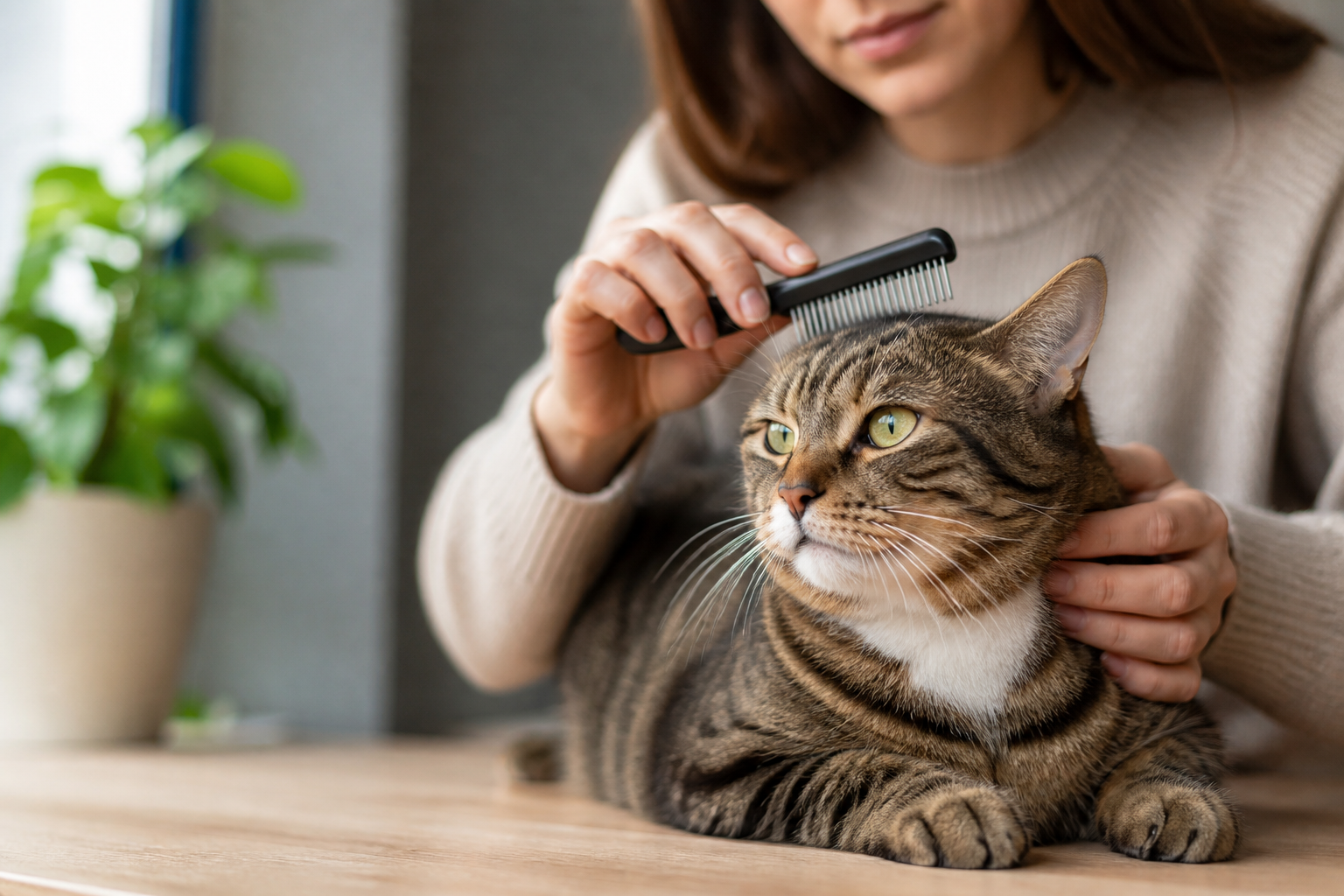
Brushing is the most effective way to manage dandruff. It mimics the natural grooming process by removing loose hair and dead skin. It also helps distribute natural skin oils across the entire coat. For long haired cats, daily brushing is often necessary to prevent mats and buildup. Short haired cats usually benefit from a weekly session.
Step-by-Step Grooming Routine
Step 1: Choose the right tool. Use a soft bristle brush or a grooming mitt for short hair. Use a slicker brush or a long toothed comb for long hair to reach the undercoat.
Step 2: Start slowly. Begin brushing in areas your cat enjoys, like the chin or shoulders. Gradually move toward the back and tail where dandruff is most common.
Step 3: Check for irritation. Look for red spots, scabs, or signs of fleas while you brush. If your cat pulls away or seems painful, stop and consult your vet.
Step 4: Reward your cat. Use a healthy treat after grooming to create a positive association. This makes the routine easier for both of you over time.
Using a Humidifier
If the dandruff is caused by dry air, adding moisture to the environment is key. A small humidifier placed near your cat's favorite napping spot can help. This prevents the skin from drying out during the winter months. It is a simple, non invasive way to improve comfort for everyone in the home.
Dietary Supplements
If your vet approves, adding a skin and coat supplement can provide the extra fatty acids your cat needs. Products containing fish oil or plant based oils can support the skin's moisture barrier. We carry several trusted supplement brands that focus on feline skin health. Always check with your veterinarian before starting a new supplement to ensure it is appropriate for your cat's specific health profile.
When to See a Veterinarian
While a few flakes are usually not an emergency, you should monitor your cat closely. Dandruff is often the first sign that something is changing. If home care does not help within a few weeks, professional advice is the next logical step.
Schedule a veterinary visit if you notice any of the following:
- Intense itching or over-grooming
- Bald patches or thinning fur
- Red, inflamed, or bleeding skin
- Odd odors coming from the skin or ears
- Visible parasites like fleas or mites
- Changes in behavior, appetite, or energy levels
Your vet may perform a physical exam and recommend diagnostic tests. This might include a skin scraping to look for mites, a fungal culture for ringworm, or blood work to check organ function. Catching underlying issues early makes treatment much more effective and less stressful for your cat.
Key Takeaway: Don't ignore persistent dandruff if it is accompanied by itching or behavior changes. A quick vet visit can rule out contagious parasites and ensure your cat isn't in pain from an underlying condition.
Selecting the Right Grooming Tools
Using the correct tools makes grooming more effective and more pleasant for your cat. The goal is to remove the flakes without irritating the skin underneath. Explore our cat grooming supplies to find brushes, combs, and other care tools.
For cats with short, fine hair, a rubber grooming mitt is often best. These mitts have soft nubs that gently massage the skin and pull away loose fur. They are excellent for cats who are sensitive to the feel of a traditional brush. For thicker coats, a slicker brush with fine, wire bristles can help reach deeper into the fur to remove trapped skin cells.
Long haired cats require more specialized care. A wide toothed comb or an undercoat rake is necessary to prevent painful mats. These tools help you reach the skin where the dandruff originates. If you find a mat, do not try to cut it out with scissors. Use a dedicated mat removal tool or seek help from a professional groomer to avoid injuring the skin.
At BaxterBoo, we handpick grooming supplies that are effective yet gentle. We look for ergonomic handles and pet safe materials to ensure you have the best experience possible. Whether you have a sleek Siamese or a fluffy Maine Coon, having the right brush is the foundation of a flake-free coat.
Managing Stress and Skin Health
Stress can actually contribute to skin problems in cats. When a cat is stressed, their immune system may not function at its peak. This can lead to flare ups of skin conditions or changes in grooming behavior. Some cats over-groom when stressed, leading to bald spots, while others stop grooming entirely.
Changes in the household, such as a new pet or a move, can trigger stress. Providing a stable environment with plenty of enrichment is important. If your cat's dandruff seems to coincide with a stressful event, focus on calming techniques. This might include using pheromone diffusers or providing more hiding spots.
A healthy routine of play and predictable feeding times helps reduce feline anxiety. When your cat feels secure, they are more likely to maintain their natural grooming habits. If you suspect stress is affecting your cat's health, discuss behavioral support options with your veterinarian.
The Importance of High Quality Nutrition
We believe that health starts in the bowl. The ingredients in your cat's food provide the building blocks for every skin cell. Cheap fillers and low quality proteins do not provide the nourishment required for a thick, glossy coat. Look for foods where a high quality animal protein is the first ingredient.
A diet rich in antioxidants also supports skin health by protecting cells from damage. Ingredients like vitamin E and vitamin C are common in premium feline diets. These help the skin stay resilient against environmental stressors. If you are considering a diet change, transition slowly over 7 to 10 days to avoid upsetting your cat's stomach.
If your cat has a suspected food allergy, your vet may recommend a limited ingredient diet or a prescription hydrolyzed protein food. These specialized diets are designed to reduce skin inflammation. Our pharmacy and Pet's Choice partnership make it easy to get these prescription foods delivered directly to your door through our Autoship program.
For additional reading about medications and veterinary care, see our guide to pet medications.
Preventive Measures for Long Term Health
The best way to handle dandruff is to prevent it from starting. A proactive approach to skin care saves you and your cat from discomfort later on. Regular wellness checks are the cornerstone of this prevention. During these visits, your vet can spot early signs of health issues before they become major problems.
Keep your cat's flea and tick prevention up to date year round. Even in the winter, pests can survive in the cracks of your home or on other pets. Using a trusted preventative like Frontline or NexGard keeps the skin safe from bites and the irritation that follows.
- Brush your cat at least once a week.
- Maintain a healthy weight to ensure they can groom themselves.
- Provide high quality food and fresh water.
- Monitor skin and coat changes monthly.
By following these simple steps, you can help your cat maintain a coat that is soft, shiny, and flake-free. Remember that your cat's skin is a reflection of their overall wellness. Taking care of their skin is a major part of taking care of them.
For more information about flea collars and prevention methods, read how flea collars work.
Conclusion
Cat dandruff is a common issue that often has a simple solution, like a better grooming routine or a boost in humidity. However, those white flakes can also be an important clue about your cat's internal health or the presence of parasites. By paying attention to where the dandruff is and how your cat is acting, you can take the right steps to help them. Regular brushing, high quality nutrition, and consistent flea prevention are the best tools in your kit. If the flakes persist or your cat seems uncomfortable, always reach out to your veterinarian for a professional opinion.
Key Takeaway: Healthy skin is a vital part of your cat's overall well-being. A combination of regular grooming, quality food, and veterinary guidance will keep your cat's coat in top condition.
For all your grooming and nutritional needs, check out our cat food selection. We offer a wide range of brushes, premium foods, and supplements to support your cat's skin health. If your cat needs prescription treatment, our pharmacy is here to help you get the exact care your vet recommends.
FAQ
Is it normal for my cat to have a little bit of dandruff?
A few small flakes can be normal, especially during seasonal changes or if the air in your home is very dry. Cats constantly shed old skin cells, and sometimes these become visible during brushing. However, if the flakes are numerous, greasy, or accompanied by itching, you should investigate further.
Can I use human dandruff shampoo on my cat?
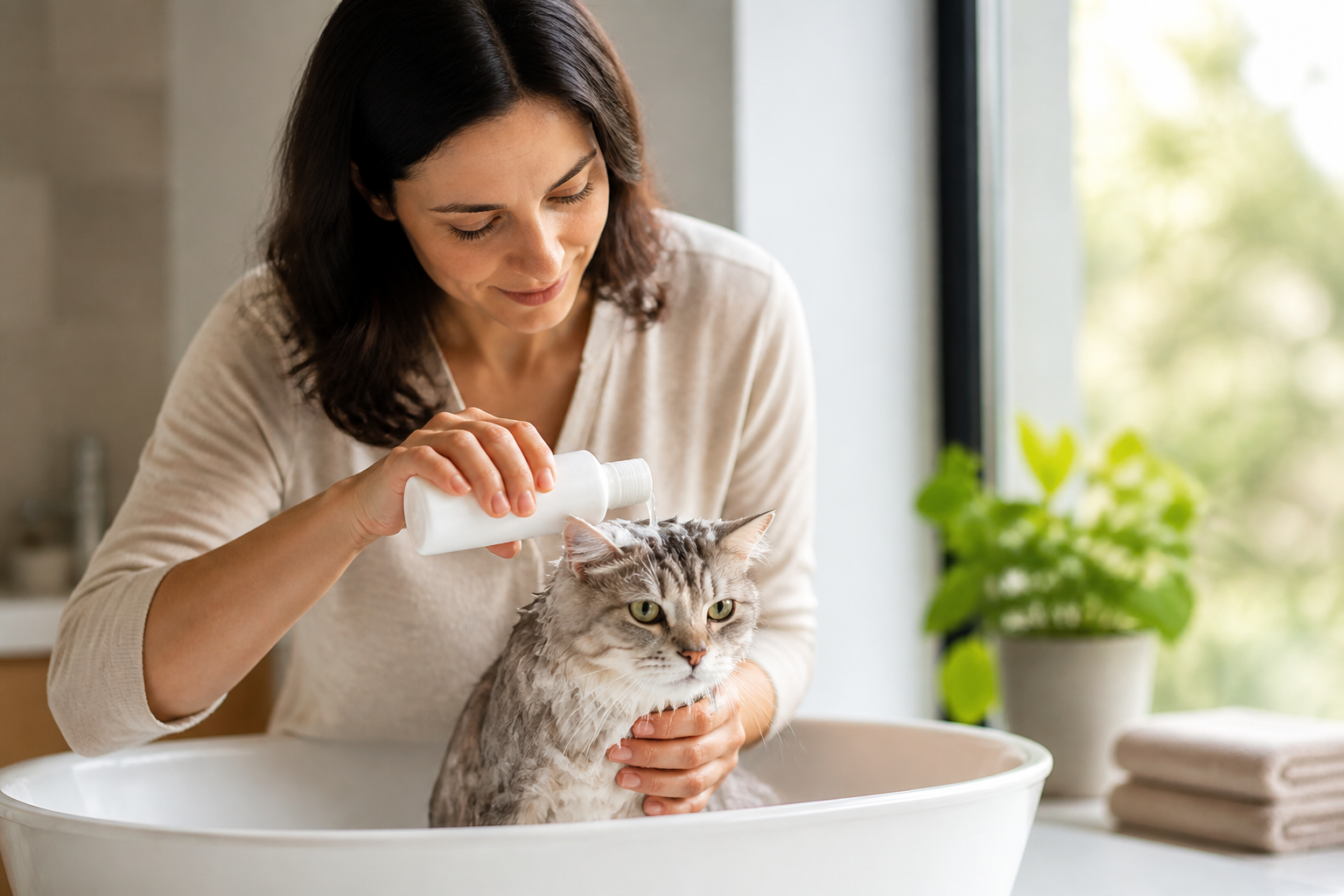
No, you should never use human dandruff shampoo on a cat unless specifically instructed by a veterinarian. Human shampoos have different pH levels and contain ingredients that can be toxic or highly irritating to feline skin. Always use a shampoo specifically formulated for cats, and consult your vet before the first use.
What is "walking dandruff" in cats?
Walking dandruff is a skin condition caused by Cheyletiella mites. These parasites are large enough to see, and as they move under the skin's surface, it looks like the dandruff flakes are moving on their own. This condition is highly contagious to other pets and humans and requires veterinary treatment.
How does obesity cause cat dandruff?
When a cat is overweight, they often lose the flexibility needed to groom their entire body. They may struggle to reach their lower back, hips, and tail area. Without regular grooming to remove dead skin and distribute oils, dandruff and loose fur build up quickly in these hard to reach spots.