
 Save 15% on your 1st Autoship learn more

 Email us
 Live Chat
 FAQs
FAQs





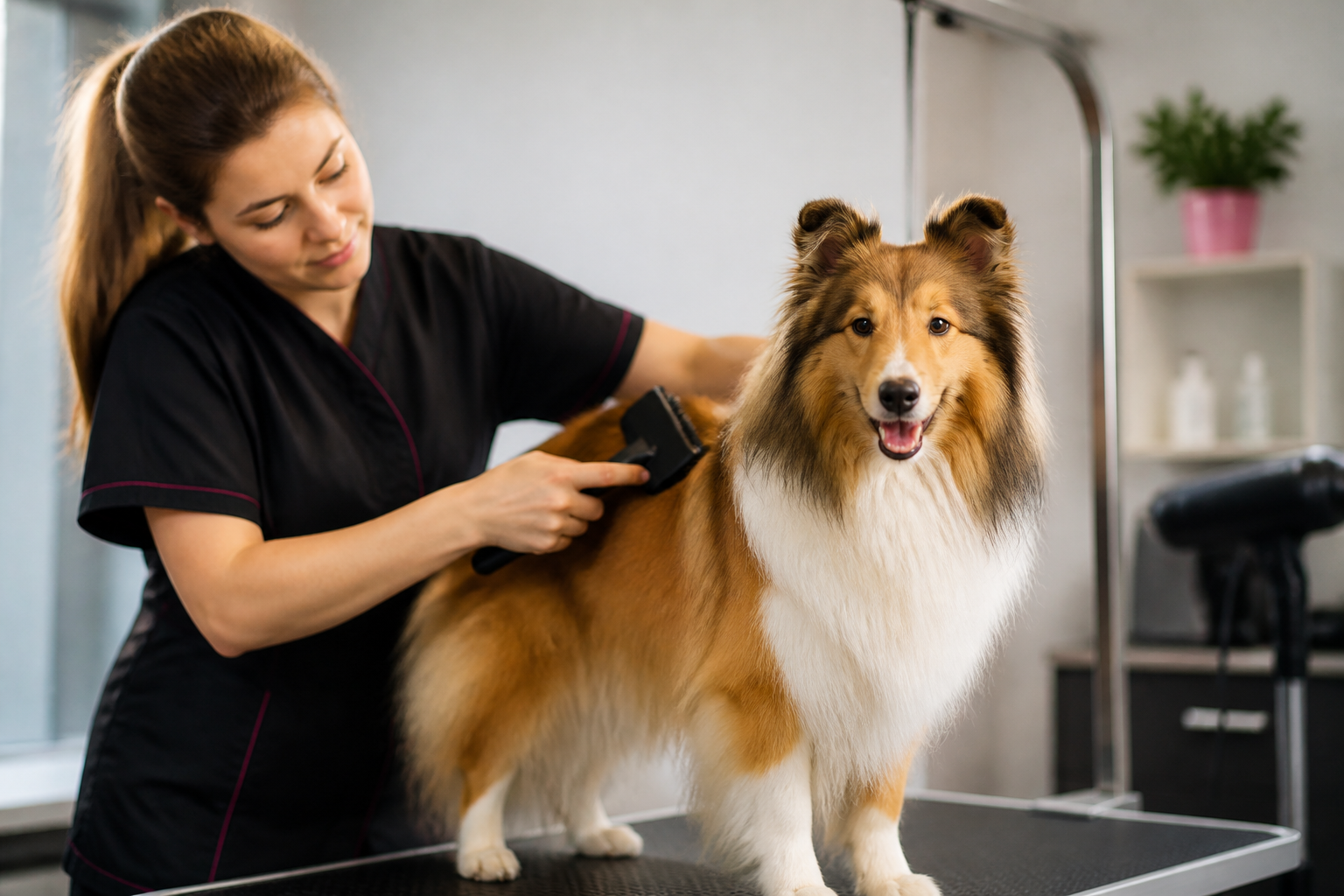
Introduction
You spend twenty minutes brushing your dog until their coat looks fluffy and smooth. A few days later, you take them to the groomer, only to be told they are matted to the skin and need a short shave. This frustrating situation happens to many well meaning pet owners who only perform surface brushing. At BaxterBoo, we talk to owners every day who are surprised to learn that a quick pass with a brush often misses the tangles hiding deep against the skin.
Line brushing is a systematic grooming technique that ensures you reach every layer of the coat from the skin outward. It is the most effective way to prevent painful mats and keep long-haired or thick-coated dogs comfortable. This post covers the specific tools you need, the correct hand movements, and how to build a routine that works for your dog. Mastering this skill will save you money on grooming bills and keep your pet’s skin healthy.
Quick Answer: Line brushing is a method where you part the dog's hair to the skin and brush small sections at a time. This ensures you are removing tangles from the base of the hair rather than just smoothing the top layer.
The Concept of Line Brushing
Most people brush a dog the same way they brush their own hair. They run a tool over the top layer until it looks neat. For dogs with thick double coats or curly fur, this approach is insufficient. The hair closest to the skin remains tangled. Over time, these small tangles weave together into tight mats. These mats trap moisture and bacteria against the skin, which can lead to sores or infections.
Line brushing changes the focus from the surface to the skin. When you line brush, you use your hand to pull the hair up and away, exposing a visible line of skin. You then brush the hair down from that line, one small section at a time. This method ensures that no part of the coat is ignored. It turns grooming from a quick chore into a thorough wellness check for your dog.
Why Standard Brushing Often Fails
Standard brushing usually involves long, sweeping strokes over the back and sides. While this removes some loose surface fur, it does not penetrate the dense undercoat. In breeds like Poodles, Doodles, or Old English Sheepdogs, the hair is so thick that a brush cannot reach the skin without specific technique.
The result is often called "pelting." This occurs when the base of the coat becomes a solid sheet of tangled fur while the tips look perfectly fine. Pelting is uncomfortable for the dog because it pulls on the skin every time they move. It also makes it impossible for air to circulate, which regulates body temperature. Line brushing prevents this by breaking the coat down into manageable sections.
Essential Tools for Your Grooming Kit
You do not need a professional grooming table to line brush at home, but you do need the right tools. Using the wrong brush can cause "brush burn," which is skin irritation from sharp bristles. We carry several high quality options in our dog grooming supplies that are designed to be effective yet gentle on the skin.
The Slicker Brush
A slicker brush is the primary tool for line brushing. It features a flat or slightly curved head with rows of thin, hooked wire pins. These pins are designed to grab onto loose undercoat and pull through small tangles. Look for a slicker brush with pins that have rounded or polished tips to protect the skin.
The Metal Greyhound Comb
A metal comb is your diagnostic tool. After you brush a section, you must run the comb through it. If the comb catches, there is still a tangle. A comb with both wide and narrow teeth is ideal. The wide teeth help you work through thicker sections, while the fine teeth ensure the coat is completely clear.
Detangling or Conditioning Spray
Never brush a dry coat. Brushing dry hair can cause static and breakage, which actually leads to more mats later. A light mist of a grooming spray or diluted conditioner helps the brush glide through the fur. This protects the hair shaft and makes the process much more comfortable for your dog.
Key Takeaway: Success in line brushing depends on using a slicker brush to clear the hair and a metal comb to verify that you reached the skin.
The Step-By-Step Line Brushing Technique
Line brushing takes more time than standard brushing, so it is best to work when your dog is relaxed. You can do this while they are lying on their side or standing.
Step 1: Prepare the Coat
Lightly mist the area you plan to brush with a detangling spray. Do not soak the fur. You want just enough moisture to reduce friction.
Step 2: Create Your First Line
Start at the bottom of a leg or the base of the tail. Use your non-dominant hand to push the hair upward. You should see a clear line of skin. This is the "line" in line brushing.
Step 3: The Pat and Pull Motion
Take your slicker brush in your dominant hand. Use a "pat and pull" motion. Gently pat the brush onto the hair just below your line and pull it away from the dog. Avoid dragging the pins across the skin. Use short, controlled strokes.
Step 4: Check with the Comb
Once the section feels smooth, take your metal comb. Start at the skin and pull the comb out through the ends of the hair. If it glides through without resistance, that section is finished.
Step 5: Move to the Next Line
Drop a small amount of hair from your non-dominant hand. This new section should overlap slightly with the one you just finished. Repeat the pat and pull motion. Work your way up the leg or across the body until the entire area is groomed.
Vet Tip: If you notice red, crusty, or oozing skin while line brushing, stop immediately. These may be hot spots or infections hidden under the fur. Consult your veterinarian for a skin exam and appropriate treatment.
Managing Different Body Areas
Dogs have varying sensitivity levels depending on the body part. Your technique should adjust as you move from the sturdy back to the sensitive belly.
Legs and Paws
Legs are prone to heavy matting because they pick up burrs, sticks, and moisture from the ground. Start at the toes and work your way up toward the shoulder or hip. Be very careful around the "armpit" area, as the skin there is very thin and easily pinched.
The Tail and Ears
The hair on the tail and ears is often longer and finer. Use a lighter touch here. For ears, place your hand behind the ear leather to provide a flat, firm surface. This prevents you from accidentally pulling on the ear itself, which can be painful.
The Belly and Chest
Most dogs are protective of their underside. If your dog is uncomfortable, try doing these areas in short bursts. Use your hand to support the skin and keep it taut. This prevents the brush from snagging on loose skin folds.
Specific Needs for Different Coat Types
While the basic technique is the same, how often you line brush depends on your dog’s specific coat.
- Double-Coated Breeds: Dogs like Huskies, Shepherds, and Golden Retrievers have a soft undercoat and a coarse outer coat. Line brushing is essential during "shedding season" to remove the dead undercoat before it clumps.
- Curly and Wire Coats: Poodles, Doodles, and Airedales have hair that grows continuously. Without line brushing, the shed hairs get caught in the curls, creating instant mats. These dogs usually require line brushing at least three times a week.
- Long, Silky Coats: Yorkies and Shih Tzus have hair similar to human hair. It tangles easily but is also prone to breakage. Use a very soft slicker brush and plenty of conditioning spray for these breeds.
For additional guidance on curly coats, see our article about how to groom a dog with curly hair.
The Benefits of a Routine
Line brushing is more than just a beauty routine. It is a vital part of your dog’s overall health management. Regular sessions allow you to find fleas, ticks, or unusual lumps early. It also stimulates the skin’s natural oils, which results in a shinier, more water-resistant coat.
Establishing a routine also reduces your dog's anxiety about grooming. When you brush frequently, you rarely encounter large, painful mats. This makes the experience pleasant rather than a struggle. Many owners find that line brushing becomes a bonding activity.
When to Call a Professional
There are times when line brushing at home is not enough. If you find a mat that is tight against the skin and larger than a coin, do not try to cut it out with scissors. Dog skin is incredibly thin and can easily be pulled into a mat. Cutting into a mat often results in a deep laceration that requires stitches.
If your dog is heavily matted, a professional groomer or a veterinarian is the safest choice. They have specialized clippers and tools to remove the fur safely. If the matting has caused skin irritation, our pet pharmacy carries prescription treatments through our partnership with Pet's Choice. We can help you manage the aftermath of a "shave down" with soothing shampoos and supplements.
Bottom line: Line brushing is a preventive measure; if the coat is already severely matted, professional intervention is necessary for the dog's safety.
Troubleshooting Common Issues
My Dog Won't Sit Still
Grooming is a learned skill for dogs. Start with very short sessions, even just two minutes. Give high value treats during and after the process. Gradually increase the time as your dog becomes more comfortable.
The Brush Keeps Snagging
If the brush is snagging, you might be taking sections that are too large. Try creating a thinner line. Ensure the coat is slightly damp with detangling spray. If the hair is extremely dry, you may need to use a deeper conditioning treatment before attempting to brush.
I'm Seeing Dandruff
Flaking skin during brushing can be a sign of dryness or an underlying allergy. Ensure you are not pressing too hard with the slicker brush. If the flaking persists, consider adding a skin and coat supplement to their diet to support oil production from the inside out.
Setting Up for Success
To make line brushing easier, keep all your supplies in one place. Using a dedicated grooming area, like a specific rug or a counter with a non-slip mat, helps the dog understand it is time to work.
- Keep a slicker brush and metal comb handy.
- Always have a bottle of detangling spray ready.
- Use treats to reward calm behavior.
- Check your tools regularly for bent or broken pins.
By following these steps, you can maintain a "show quality" coat at home. You will also enjoy the peace of mind that comes with knowing your dog is free from hidden mats and skin discomfort.
At BaxterBoo, we are committed to providing the gear you need for professional results at home. Whether you are looking for a new slicker brush or a specific conditioning spray, our dog brushes and combs offer options for building a home grooming kit. For those with dogs that have chronic skin sensitivities, remember that we also offer prescription diets and medications through our pharmacy to help manage their health from the inside out.
Conclusion
Line brushing is the only way to guarantee a truly tangle-free coat for dogs with thick or long fur. By working in sections from the skin outward, you prevent the painful matting that often leads to emergency shaves. It requires patience and the right tools, like a quality slicker brush and a metal comb, but the results are worth the effort. Your dog will be more comfortable, and your bond will grow stronger through regular, gentle care.
For all your grooming needs, you can explore our selection of BASS Brushes for brushes and detangling tools. Joining the MVP Rewards programme is a great way to save on these essentials as you build your home grooming kit.
FAQ
How often should I line brush my dog?
Most long-haired or curly-coated dogs benefit from line brushing at least two to three times per week. If your dog has a very dense coat or spends a lot of time outdoors, you may need to do it daily to prevent debris from causing mats. Regular sessions are much shorter and easier than trying to tackle a week's worth of tangles at once.
Does line brushing hurt the dog?
When done correctly, line brushing should not be painful. The "pat and pull" method ensures you are not dragging sharp pins across the skin or pulling on tangles too hard. Always use a detangling spray to help the brush glide and take small sections to avoid tugging on the hair.
Can I line brush a short-haired dog?
Line brushing is specifically designed for dogs with enough hair to be parted into sections. Short-haired breeds like Beagles or Labradors do not need this technique. For those dogs, a rubber curry brush or a simple bristle brush is usually enough to remove loose hair and maintain skin health.
For more bathing and brushing guidance, read our tips on brushing or combing your dog after a bath.
What should I do if I find a mat while line brushing?
If you encounter a small mat, apply extra detangling spray and use your fingers to gently pull it apart. Then, use the edge of your slicker brush to slowly pick at the mat starting from the ends of the hair and moving toward the skin. If the mat is tight against the skin and cannot be easily separated, it is safer to have a professional groomer remove it.






