
 Save 15% on your 1st Autoship learn more

 Email us
 Live Chat
 FAQs
FAQs





Introduction
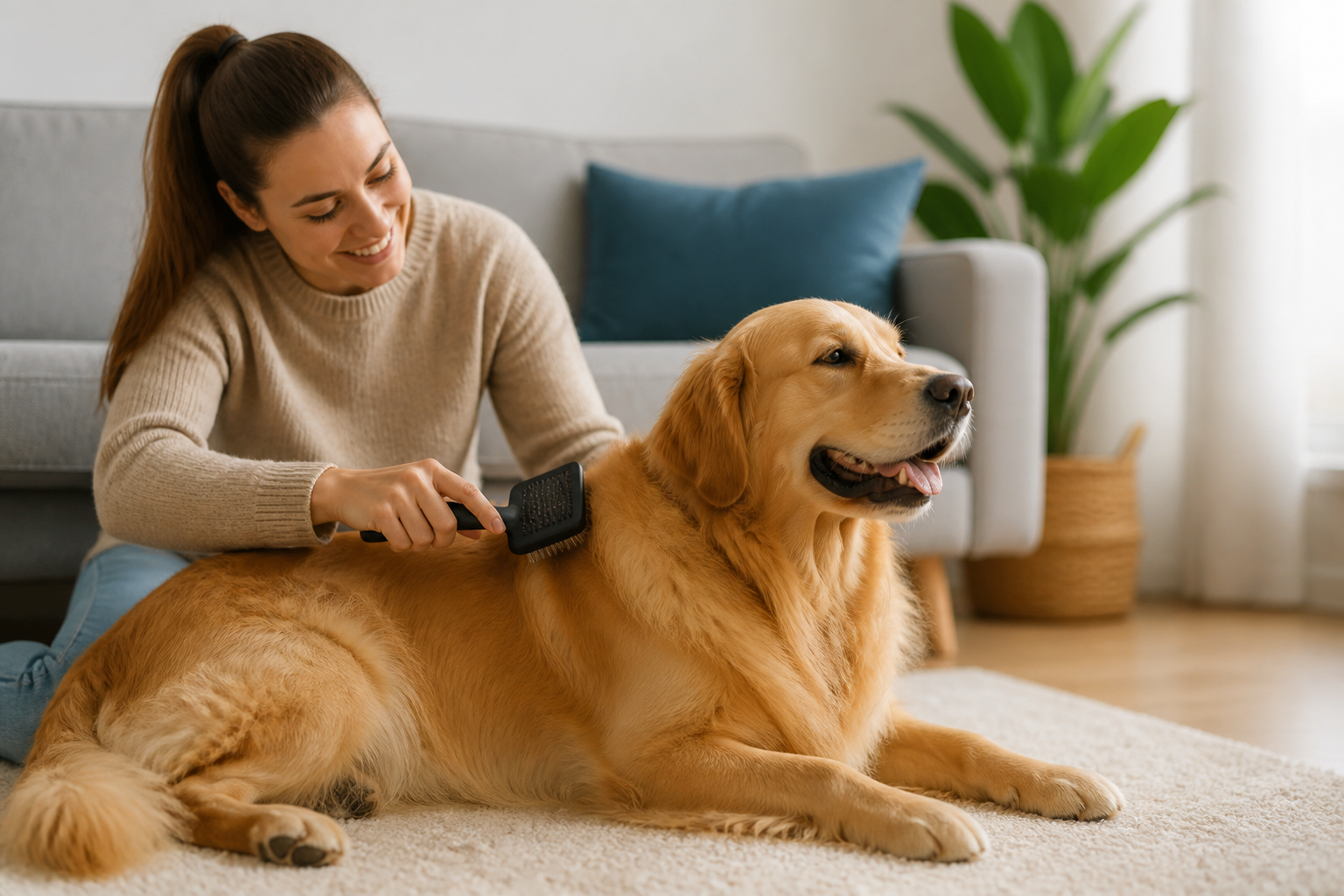
You are standing in your living room, watching a stray tumbleweed of fur drift across the hardwood floor. Your dog is happy and wagging, but their coat looks a little dull, or perhaps you have spotted a few stubborn tangles forming behind their ears. This is the moment every pet owner realizes that a generic brush from the junk drawer will not cut it. Choosing the right tool is the difference between a stressful chore and a relaxing bonding session that keeps your home cleaner. At BaxterBoo, we have spent years helping owners navigate the massive world of grooming gear. This guide will help you identify your dog's specific coat type and match it to the perfect tool. Understanding these differences ensures your dog stays comfortable while their skin and coat stay healthy.
Quick Answer: The best brush for a dog depends entirely on their coat type. Slicker brushes are the top choice for curly or long-haired breeds, while bristle brushes work best for short-haired dogs. Double-coated breeds usually require an undercoat rake to manage heavy shedding.
Identifying Your Dog’s Coat Type
Before you pick a brush, you must understand what you are working with. Not all fur is created equal. A tool that works for a Doberman will do nothing for a Poodle, and it might even hurt a sensitive Greyhound. Most dogs fall into one of five main categories.
Short and Smooth Coats
These dogs have hair that lies close to the body. Breeds like Boxers, Labradors, and Beagles fit here. They do not get traditional mats, but they do shed. The goal for these dogs is to remove loose hair and skin dander while spreading natural oils.
Double Coats
Dogs like Huskies, Golden Retrievers, and German Shepherds have a soft, insulating undercoat and a tougher outer layer. These breeds blow their coats twice a year. You need a tool that can reach through the top layer to pull out the dead fluff underneath.
Long and Silky Coats
Yorkies and Afghan Hounds have hair that is more similar to human hair. It grows continuously and can tangle easily. These dogs need frequent brushing to prevent painful mats from forming close to the skin.
Curly and Wavy Coats
Poodles and many "Doodle" mixes have hair that traps shed fur instead of letting it fall to the ground. This trapped hair quickly turns into dense mats. You need a brush that can penetrate these curls without pulling too hard.
Wire Coats
Terriers often have a rough, wiry outer coat. This hair needs a specific touch to keep it looking tidy without ruining the texture.
Key Takeaway: Matching the brush to the coat type prevents skin irritation and ensures you are actually removing the hair that causes shedding.
The Slicker Brush: The Universal Workhorse
The slicker brush is perhaps the most common tool in a grooming kit. It features a flat or slightly curved head with rows of thin wire pins. These pins are usually angled to help grab loose hair and debris.
Slicker brushes are excellent for removing mats and tangles. If you have a dog with curly or medium-to-long hair, this is your primary tool. We carry several high-quality brands like Kong and RC Pets that offer ergonomic handles. A good handle is important because grooming a long-haired dog can take twenty minutes or more.
For a specific option, consider the Master Grooming Tools Self-Cleaning Slicker Brush, which includes a push-button pin retraction feature for easier cleaning.
When using a slicker brush, use a light touch. The wire pins are effective but can be sharp if you press too hard against the skin. Always brush in the direction of hair growth. If you hit a mat, do not yank. Hold the base of the hair with your fingers to prevent pulling the skin, then gently pick at the mat with the edge of the brush.
Vet Tip: If you notice your dog’s skin turning red or if they flinch during brushing, you may be applying too much pressure. This is known as brush burn. If skin irritation persists or looks infected, consult your veterinarian for guidance on topical treatments.
Bristle Brushes for Short Hair and Finishing
If your dog has short, sleek hair, a bristle brush is your best friend. These brushes use natural or synthetic bristles that are packed tightly together. They do not reach deep into a thick coat, but they are perfect for surface work.
Bristle brushes serve two main purposes:
- Removing surface dirt and loose hair on short-coated breeds.
- Smoothing the coat and adding shine to long-haired breeds after the tangles are gone.
As you brush, the bristles stimulate the skin and help distribute natural oils across the fur. This results in that healthy, glossy look everyone loves. For dogs that are nervous about grooming, the soft feel of a bristle brush is often less intimidating than metal pins.
For more options, browse our dog brushes and combs collection.
Pin Brushes: The Gentle Detangler
A pin brush looks very similar to a human hairbrush. It has wire pins with rounded tips, usually set into a flexible rubber base. While it looks like a slicker brush, it is much gentler and less effective at removing dense mats.
The pin brush is best for dogs with long, fine hair. It provides a finishing touch that keeps the hair separated and flowing. It is also a great choice for wire-haired breeds. Because the pins are spaced further apart, they do not create as much friction as a slicker brush. This makes it a good "everyday" brush for maintaining a coat that is already in good shape.
Managing Heavy Shedding with Undercoat Rakes
For owners of "shedding machines" like Malamutes or Great Pyrenees, a standard brush is often not enough. You need an undercoat rake. These tools have one or two rows of long, sturdy metal teeth.
The rake is designed to bypass the guard hairs of the topcoat and reach into the thick undercoat. It pulls out the dead, fuzzy hair before it can fall off onto your carpet.
For additional guidance on seasonal shedding and undercoats, read how Australian Shepherds shed.
Step 1: Check for large mats. / Rakes can snag on tight knots, so clear those with a slicker brush first.
Step 2: Use long, gentle strokes. / Follow the direction of the fur from the neck down to the tail.
Step 3: Clear the tool frequently. / You will be surprised by how much fur a rake can pull out in a single pass.
Bottom line: An undercoat rake is the only way to effectively manage the heavy shedding of double-coated breeds.
Rubber Brushes and Grooming Mitts
Rubber brushes, like the popular ZoomGroom from Kong, are unique because they can be used on wet or dry fur. They have thick, flexible rubber nubs that act like a magnet for loose hair on short-coated dogs.
You can find the KONG Zoom Groom Natural Rubber Dog Grooming Brush among our dog grooming options.
These are excellent for dogs that hate being brushed. The sensation feels more like a massage than a grooming session. Many owners use these during bath time to help work shampoo into the coat. This also helps loosen hair that would otherwise end up in your bathtub drain.
Benefits of Rubber Brushes
- Perfect for sensitive dogs and puppies.
- Easy to clean with a quick rinse.
- Great for massaging the skin to improve circulation.
- Effective on very short coats where metal pins might be too harsh.
For related bath-time advice, see these dos and don’ts for bathing your dog.
De-shedding Tools for the Toughest Jobs
When the seasons change, many dogs lose their winter coats in a process often called "blowing the coat." During this time, you might need a dedicated de-shedding tool. These tools have very fine, comb-like teeth that grab even the smallest loose hairs.
These tools are highly effective but must be used with caution. You should not use a de-shedding tool every day. Once a week is usually enough. If you over-use them, you can actually damage the healthy topcoat or irritate the skin.
Key Takeaway: De-shedding tools are for removing dead hair, not for daily maintenance or detangling.
Brushing for Health and Wellness
Brushing is more than just an aesthetic choice. It is a vital part of your dog's health routine. Every time you brush your dog, you should be performing a mini-health check.
Look for:
- Ticks or fleas hiding in the fur.
- Lumps or bumps under the skin.
- Dry, flaky skin or hot spots.
- Unusual odors that could indicate a skin infection.
Our pet pharmacy offers FDA-approved flea and tick preventives, including options that require a prescription, through our partnership with Pet's Choice. If you find pests while brushing, we can help you get the right treatment. Brushing also helps you catch skin allergies early. If your dog is constantly itchy despite regular brushing, it may be time to look into specialized supplements or prescription diets.
For more information about managing shedding and coat care, read how Golden Retrievers shed.
Vet Tip: If you find a new lump or a sore that will not heal while grooming your dog, do not wait. Schedule a visit with your veterinarian to have it checked. Early detection is often the key to successful treatment.
Handling Mats and Tangles Safely
Mats are more than just an eyesore. They can pull on the skin, causing constant pain. In severe cases, they can trap moisture and lead to bacterial infections. If you find a mat, your first instinct might be to grab the scissors. Stop there.
Cutting mats out with scissors is dangerous. It is very easy to accidentally snip your dog's skin, especially in sensitive areas like the neck or belly. Instead, use a specialized mat-breaking tool or a slicker brush.
Tips for Removing Mats
- Apply a detangling spray to the area first.
- Work from the outside of the mat toward the center.
- Use a "picking" motion rather than pulling.
- If a mat is tight against the skin, a professional groomer or vet should remove it with electric clippers.
Making Grooming a Positive Experience
If your dog runs away when they see the brush, you have a challenge. You want them to associate grooming with rewards and relaxation. This starts with the right equipment and the right attitude.
Start with very short sessions. Even two minutes of brushing followed by a high-value treat can make a difference. Gradually increase the time as your dog becomes more comfortable. If they have a particularly sensitive area, like their paws or tail, leave those for last.
We recommend the MVP Rewards program for regular shoppers. It allows you to earn points on every grooming tool and treat purchase. This makes it easier to keep your kit updated with fresh brushes and plenty of rewards for your pup.
Conclusion
Finding the best brush for your dog is the first step toward a healthier, happier pet and a cleaner home. Whether you need a slicker brush for a Poodle or a rubber mitt for a Boxer, the right tool makes the job easier for both of you. Regular grooming sessions allow you to monitor your dog's skin health and bond with them at the same time. Remember to check for lumps or pests every time you brush. Our BaxterBoo pharmacy is always available through our partnership with Pet's Choice if you need prescription flea protection or skin support. Keep your sessions positive, use plenty of treats, and your dog will soon look forward to their time on the grooming table.
Bottom line: Your dog’s coat is their first line of defense, and the right brush is the best way to keep that defense strong.
FAQ
How often should I brush my dog?
Most dogs benefit from being brushed at least two to three times a week. Long-haired or curly-coated breeds often need daily brushing to prevent mats, while short-haired breeds may only need it once a week. Frequent brushing reduces shedding and keeps the coat shiny.
Can I use a human hairbrush on my dog?
It is not recommended to use a human brush on your dog. Dog brushes are specifically designed for different fur textures and are built to handle the density of a dog's coat. Human brushes often lack the necessary pin strength or bristle density to remove loose undercoat hair effectively.
What should I do if my dog has a very tight mat?
If a mat is tight against the skin, do not try to pull it out or cut it with scissors. This can cause significant pain or result in a deep skin cut. It is safest to use electric clippers to carefully shave the mat away, or take your dog to a professional groomer who can handle the situation safely.
Does brushing really help with shedding?
Yes, regular brushing is the most effective way to manage shedding. By removing the dead hair with a tool like an undercoat rake or slicker brush, you catch the fur before it falls onto your furniture. It also helps distribute natural oils which keeps the hair healthy and less likely to break.






