
 Save 15% on your 1st Autoship learn more

 Email us
 Live Chat
 FAQs
FAQs





Introduction
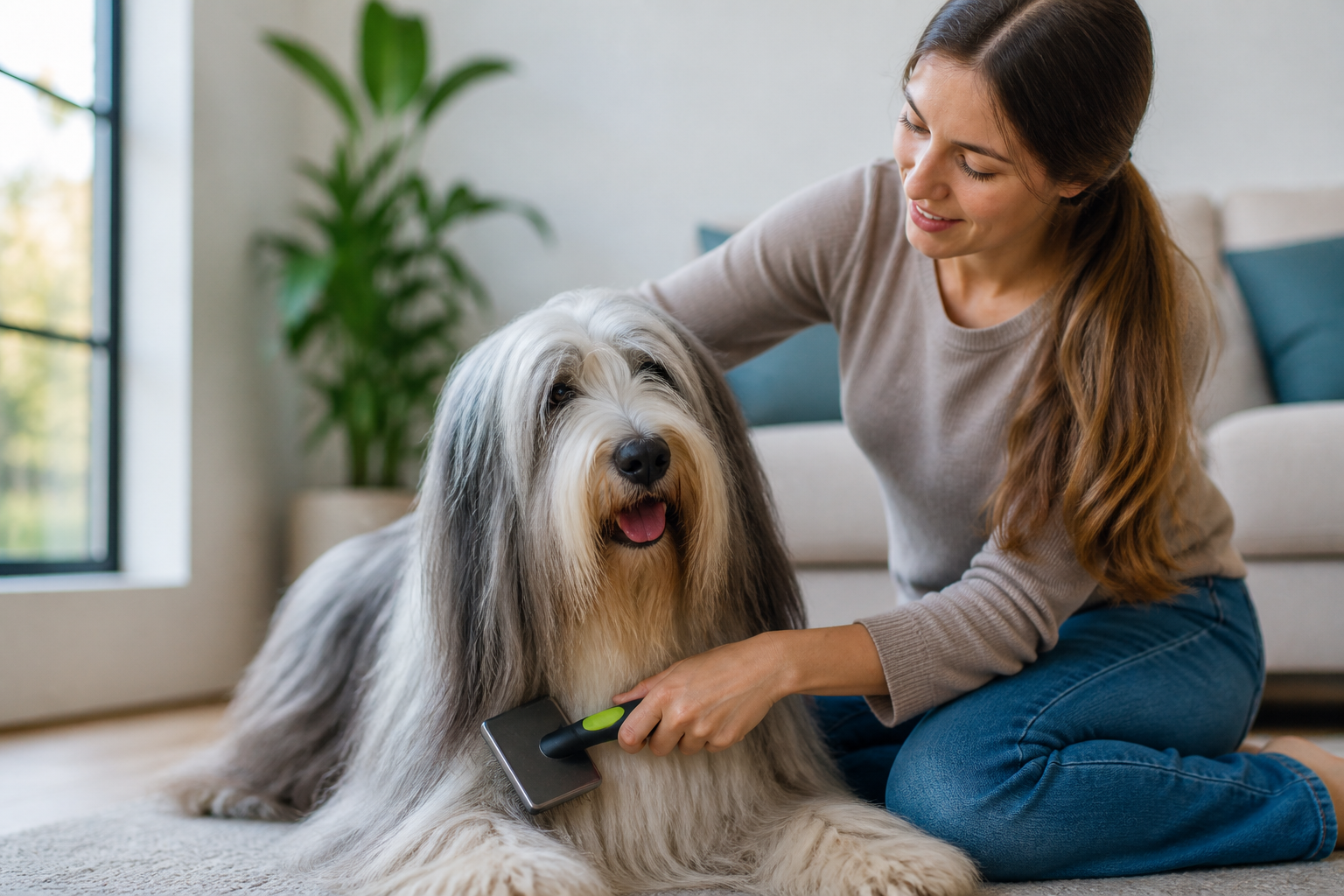
You just finished a long weekend hike or a play session in the yard. You look down at your dog and see a chaotic collection of burrs, dry leaves, and tangles woven into their beautiful long coat. This is the reality for owners of long haired breeds. Keeping that fur sleek and healthy is a daily commitment that requires more than just patience. It requires the right tools.
At BaxterBoo, we know that there is no single magical brush for every long haired dog. The best tool depends on whether your dog has a silky coat, a thick double coat, or curly hair. We carry a carefully selected range of grooming supplies because we understand that the right brush prevents painful mats and keeps your home cleaner. This guide will help you identify your dog's specific coat needs and choose the tools that make grooming a bonding experience rather than a chore.
Quick Answer: The best brush for most long hair dogs is a high quality slicker brush combined with a stainless steel greyhound comb. The slicker brush removes loose hair and light tangles, while the comb reaches down to the skin to identify and break up hidden mats.
Understanding the Variety of Long Coats
Not all long hair is created equal. Before you can pick the best brush, you must understand the texture and layers of your dog's fur. Some long haired dogs have a single coat, meaning there is only one layer of hair that grows continuously. Others have a double coat, which consists of a soft, insulating undercoat and a tougher outer layer of guard hairs.
Silky Coats
Breeds like Yorkies, Afghan Hounds, and Maltese have hair that feels very similar to human hair. It is fine and prone to tangles but does not usually have a thick undercoat. For these dogs, you need tools that are gentle on the skin and will not snap the delicate hair shafts.
Double Coats
Golden Retrievers, Newfoundlands, and Great Pyrenees have dense double coats. These dogs shed their undercoat in "floof" clouds, especially during seasonal changes. You need a brush that can reach through the top layer to grab the loose fluff underneath before it turns into a solid mat. For more ideas on managing a thick double coat, read about Golden Retriever shedding and grooming.
Curly and Wavy Coats
Doodles, Poodles, and Portuguese Water Dogs have coats that trap loose hair within the curls. If you do not brush these dogs daily, the shed hair stays inside the coat and weaves itself into tight knots. These coats require sturdy tools that can penetrate deep into the curls without pulling too hard on the skin. Our guide to grooming curly-haired dogs offers additional coat-care guidance.
Key Takeaway: Match your brush to your dog's coat type. Silky coats need gentle detangling, while double coats require tools that can reach the deep undercoat layers.
The Essential Slicker Brush
The slicker brush is the most popular tool for long haired dogs for a reason. It features a flat or slightly curved head with rows of thin, bent wire pins. These pins are designed to grab onto loose hair and pull it away from the coat.
When you use a slicker brush, the wire pins penetrate the top layer of fur to catch tangles. It is excellent for "fluffing" the coat after a bath and removing surface debris. You can find slicker brushes and other tools in our dog brushes and combs collection.
You should use short, gentle strokes. If you press too hard, the wire pins can cause "brush burn," which is a painful scraping of the skin. Always test the brush on your own forearm first. If it feels scratchy or painful to you, it will feel the same to your dog.
The Power of the Stainless Steel Comb
Many owners make the mistake of only using a brush. However, a brush often only skims the surface of a long coat. This leads to a situation where the dog looks fluffy on top, but has "hidden" mats right against the skin.
A stainless steel comb, often called a greyhound comb, is an essential second step. These combs usually have a fine-toothed side and a coarse-toothed side. After you finish brushing with a slicker or pin brush, run the comb through the fur from the skin outward. If the comb snags, you have found a hidden tangle that needs attention.
Key Takeaway: A brush is for the surface, but a comb is for the skin. You must use both to ensure your long haired dog is truly tangle-free.
Undercoat Rakes for Heavy Shedders
If your dog leaves a trail of fur on every rug in your house, you need an undercoat rake. This tool looks like a tiny garden rake with one or two rows of metal tines. It is specifically designed to bypass the long guard hairs on the surface and pull out the dead, fuzzy undercoat.
Undercoat rakes are particularly useful during "coat blowing" season in the spring and fall. By removing the dead undercoat, you allow the skin to breathe and help regulate your dog's body temperature. Using this tool once or twice a week can reduce the amount of fur in your home by a significant margin. You can also learn more about seasonal shedding in this guide to Australian Shepherd shedding.
Step 1: Identify the direction of hair growth. Always work in the direction the hair grows to avoid pulling the skin.
Step 2: Use long, steady strokes. Do not "flick" the rake. Apply even pressure to pull the loose undercoat through the top coat.
Step 3: Clear the rake frequently. Long haired dogs can produce a surprising amount of fur, so clear the tines often to keep the tool effective.
Pin Brushes for Daily Maintenance
A pin brush looks very similar to a standard human hairbrush. It has long metal pins with rounded ends, usually set into a flexible rubber base. This is the best brush for daily maintenance on silky coats or for dogs that are particularly sensitive to grooming.
The pin brush is not a heavy-duty detangler. Instead, it is a finishing tool. It helps distribute the natural oils from the skin down the hair shaft, giving the coat a healthy shine. If your dog is already tangle-free, a quick five-minute session with a pin brush every evening can keep them looking salon-fresh.
Managing Mats and Tangles Safely
Even with the best intentions, mats happen. They usually form in high-friction areas like behind the ears, under the armpits, and where the collar or harness sits. Never try to cut a mat out with pointed scissors. Dog skin is incredibly thin and stretchy. It is very easy to accidentally cut the skin while trying to snip a knot.
Instead, use a de-matting tool or a specialized comb. These tools have sharpened edges inside the curve of the teeth to safely "slice" through the knot without pulling on the skin. Apply a detangling spray or a small amount of dog-safe conditioner to the mat first to help the hair slide apart.
Vet Tip: If your dog has severe matting that reaches down to the skin, do not attempt to brush it out at home. This can be extremely painful and may hide skin infections. Consult a professional groomer or your veterinarian, as the dog may need to be safely shaved to prevent further skin damage.
Grooming and Skin Health
Brushing is about more than just looks. It is a vital part of your dog's health routine. Long hair can hide many issues that are easily spotted on short haired dogs. When you brush your dog, you should also be checking for:
- Lumps or bumps under the skin
- Redness or irritation
- Fleas or ticks
- Dry, flaky skin
- Hot spots
If you notice your dog is constantly scratching or has developed a dull, brittle coat, it might be more than a grooming issue. Our dog healthcare category includes skin and coat care products, supplements, and other wellness supplies. Persistent skin issues or excessive shedding may be linked to allergies or nutritional deficiencies that require a veterinarian's guidance and specific medical treatments.
Bottom line: Regular grooming is your first line of defense in spotting health changes before they become serious problems.
How to Establish a Grooming Routine
Most long haired dogs do not naturally love being brushed. You have to teach them that grooming is a positive experience. This is especially important for puppies, but older dogs can learn too.
- Start small. Only brush for two or three minutes at a time.
- Use high-value rewards. Give your dog a treat they love, like a small piece of a Real Meat Co treat or a lick of peanut butter, while you brush.
- Stay calm. If you are frustrated, your dog will pick up on that energy and become anxious.
- End on a high note. Always stop the session while your dog is still being good, rather than waiting until they get wiggly or upset.
Seasonal Grooming Needs
The best brush for your long haired dog might change with the seasons. In the winter, you might focus more on pin brushes and combs to keep the coat long and warm without matting under winter coats or sweaters. In the summer, the undercoat rake becomes your best friend to help keep your dog cool.
At BaxterBoo, we see many owners who struggle with "snowballs" in the winter. Long hair on the paws and legs can collect snow and ice, which becomes painful for the dog to walk on. Keeping the hair between the paw pads trimmed and using a slicker brush to remove ice chunks can keep your dog comfortable during the colder months.
Caring for Your Grooming Tools
To keep your brushes effective, you need to maintain them. Hair and dander can build up, and metal pins can rust if left wet.
- Clean the hair out after every use. A comb can help pull hair out of the base of a slicker brush.
- Wash your brushes occasionally. Use a mild soap and warm water. Ensure they are completely dry before storing them.
- Check for damage. If the protective tips on a pin brush fall off or the wire pins on a slicker brush become bent and sharp, it is time to replace the tool.
Choosing Quality Over Convenience
It is tempting to grab the cheapest brush at a big-box store, but for a long haired dog, quality matters. Cheap wire brushes can have sharp edges that scratch the skin, leading to "grooming phobia" in dogs. High-quality brands like Kong, RC Pets, and others we carry are designed with the animal's comfort in mind.
We have been operating since 2006, and our team handpicks products that actually work. We look for ergonomic handles for the owners and gentle, effective bristles for the pets. When you invest in a professional-grade slicker brush or a solid stainless steel comb, you are investing in years of easier grooming sessions.
The Connection Between Diet and Coat
You can have the best brush in the world, but if your dog is not getting the right nutrients, their coat will still be a mess. A healthy coat starts from the inside. Premium foods like Orijen, Acana, or Farmina are rich in Omega-3 and Omega-6 fatty acids, which provide the building blocks for shiny, strong hair. Browse our dog food category when reviewing your dog's everyday nutrition.
If your dog's hair is breaking easily or feels like straw, they might need a supplement. We carry a variety of skin and coat supplements, such as Zesty Paws or Honest Paws, which can support the natural oils in the skin.
Vet Tip: If you are considering changing your dog's diet or adding supplements for coat health, talk to your veterinarian first. They can help rule out underlying issues like thyroid problems or parasites that might be affecting the coat.
Conclusion
Finding the best brush for your long hair dog is a process of trial and error. Most owners find that a combination of a slicker brush for general use and a stainless steel comb for deep detangling provides the best results. For heavy shedders, an undercoat rake is a non-negotiable addition to the toolkit.
Regular grooming is an act of love. It keeps your dog comfortable, healthy, and looking their best. By choosing curated tools from BaxterBoo, you are ensuring that your dog receives the highest quality care.
- Identify your dog's specific coat type first.
- Always have a comb on hand to check your work.
- Keep grooming sessions short and positive.
- Watch for skin changes that might require a trip to the vet.
Bottom line: A well-groomed dog is a happy, healthy dog, and having the right tools makes the job easier for everyone.
To get started on your dog's new grooming routine, visit our dog grooming category to find the perfect match for your pet's coat. Don't forget to sign up for our MVP Rewards program to earn points on every brush, comb, and shampoo you buy.
FAQ
How often should I brush my long haired dog?
Most long haired dogs should be brushed at least three to four times a week. However, many breeds with "high maintenance" coats, like Poodles or Doodles, benefit from a quick daily brushing to prevent small tangles from turning into large, painful mats. Regular sessions are much easier than trying to tackle a week's worth of knots all at once.
Can I use a human hairbrush on my dog?
While a human hairbrush might look like a dog's pin brush, they are usually not designed to handle the density of canine fur. Human brushes often have bristles that are too soft or spaced incorrectly for a dog's coat. Using a brush specifically designed for pets ensures that the pins are the right length and strength to reach through the fur without causing skin irritation.
What should I do if my dog hates being brushed?
Start by introducing the brush slowly without actually using it. Let your dog sniff the tool and give them a treat. Gradually move to one or two soft strokes, followed by more treats. Keeping sessions extremely short—even just sixty seconds—helps build trust and prevents the dog from feeling overwhelmed.
Does the pharmacy carry anything for skin issues caused by mats?
Yes, our pet pharmacy carries prescription medications for dogs. If your dog has red, oozing, or very itchy skin after a grooming session, consult your vet about the appropriate treatment and any prescription that may be needed.






