
 Save 15% on your 1st Autoship learn more

 Email us
 Live Chat
 FAQs
FAQs





Introduction
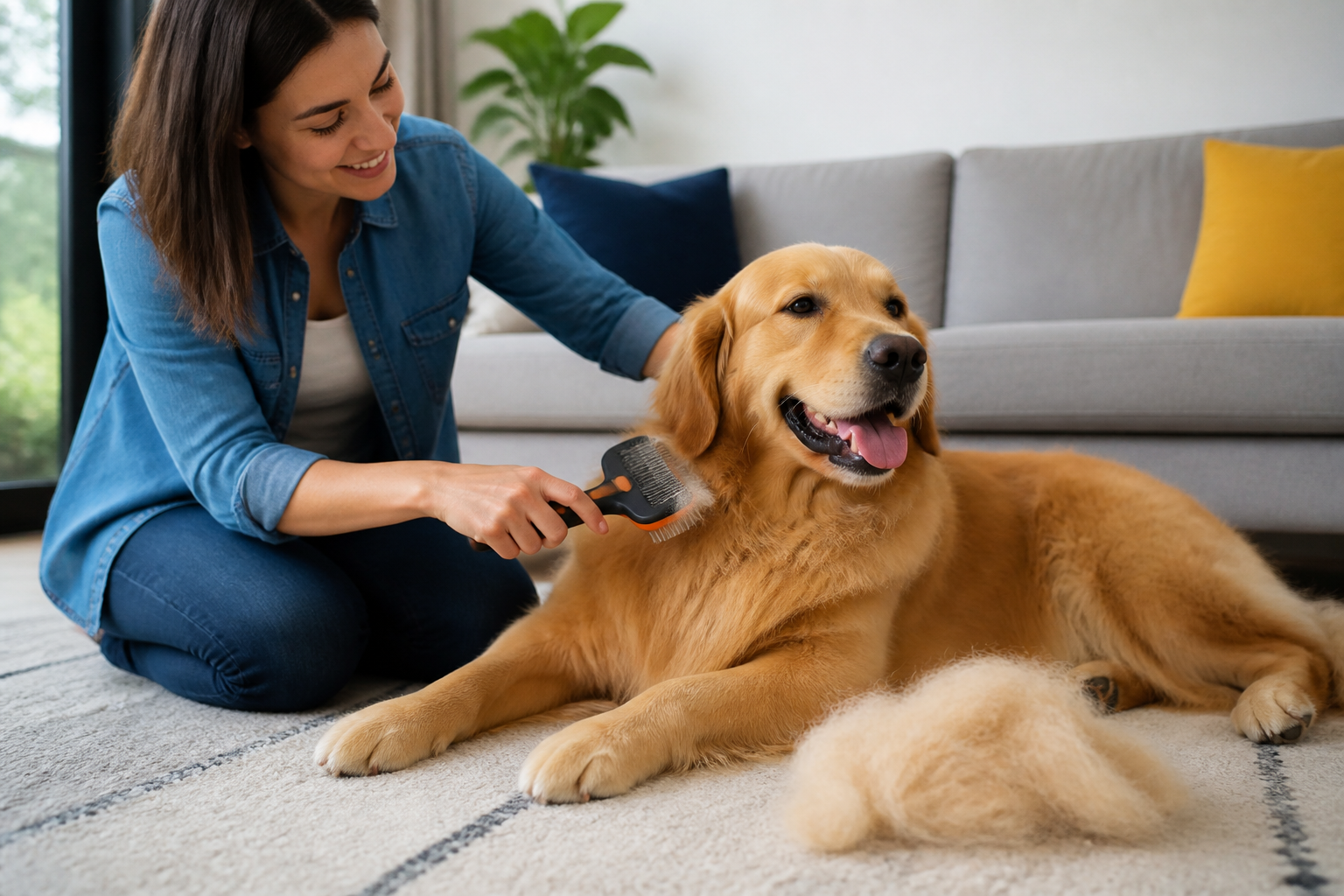
Finding a layer of dog hair on your morning toast or realizing your black leggings are now permanently grey can be a frustrating part of pet ownership. You might feel like you are losing a battle against the "tumbleweeds" of fur rolling across your hardwood floors. Every dog owner eventually asks the same question while holding a vacuum: what is the best brush for shedding dogs? At BaxterBoo, we have spent years helping pet parents navigate the endless options of grooming gear to find what actually works. There is no single brush that fits every dog because a Golden Retriever has very different needs than a Beagle. This guide covers the specific tools required for different coat types and how to use them effectively. Finding the right tool is the first step toward a cleaner home and a more comfortable pet.
Quick Answer: The best brush for shedding depends entirely on your dog's coat type. Double-coated breeds need an undercoat rake to reach deep fur, while short-haired dogs benefit most from rubber curry brushes or bristle brushes. Heavy shedders often require a dedicated de-shedding tool like the FURminator to remove loose hair before it falls.
Understanding Why Your Dog Sheds
Shedding is a natural process where old or damaged hair falls out to make room for a new, healthy coat. Some dogs shed year-round, while others "blow" their coats twice a year during seasonal changes. Before you buy a brush, you need to know what you are trying to remove. Most "shedding" comes from the undercoat. This is the soft, insulating layer of fur beneath the tougher outer guard hairs.
When this undercoat gets trapped, it can form mats or lead to skin irritation. Regular brushing does more than just keep your sofa clean. It distributes natural oils across the skin, removes dander, and helps you spot lumps or parasites early. If you notice your dog is shedding excessively alongside skin redness or itching, it might be time for a professional opinion. Our pharmacy carries a variety of FDA-approved allergy treatments and medicated shampoos through our partnership with Pet's Choice. We always recommend a quick chat with your vet if shedding seems tied to skin discomfort.
The Best Brush for Every Coat Type
The "best" brush is the one designed for your dog's specific anatomy. Using the wrong tool can be ineffective at best and painful for your pet at worst. We carry over 500 brands at BaxterBoo, and we have seen which styles consistently perform for different breeds. Explore our dog brushes and combs to compare tools for different coat types.
Short and Smooth Coats
Dogs like Boxers, Labradors, and Beagles have short hair that lies close to the skin. You might think they do not need much grooming, but these breeds are often the most prolific year-round shedders.
- Rubber Curry Brush: This is the gold standard for short hair. The rubber nubs massage the skin and act like a magnet for loose fur.
- Bristle Brush: These are great for finishing. They smooth the coat and pull hair to the surface.
- Grooming Mitts: These allow you to pet your dog while removing hair, making it a low-stress option for nervous pets.
Double-Coated Breeds
Huskies, German Shepherds, and Great Pyrenees have a dense, soft undercoat and a coarse outer coat. This is where most of the "tumbleweeds" come from.
- Undercoat Rake: These have long, widely spaced metal teeth. They reach through the topcoat to pull out the "dead" undercoat without cutting the healthy guard hairs.
- Slicker Brush: A slicker brush has fine, wire pins. It is excellent for removing debris and smoothing the coat after you have used a rake.
Long or Silky Coats
Yorkshire Terriers and Setters have hair that can tangle easily. Shedding is less of an issue than matting, but you still need to remove dead hair to keep the coat healthy.
- Pin Brush: These look like human hairbrushes but have rounded tips. They are gentle on long hair and help prevent breakage.
- Metal Comb: A "Greyhound-style" metal comb is essential for checking for mats near the skin.
Curly and Wooly Coats
Poodles and "Doodles" do not shed in the traditional sense. Their hair stays trapped in the curls. If you do not brush it out, it forms painful mats.
- Slicker Brush: This is the primary tool for curly coats. It breaks up tangles and pulls out loose hair trapped in the curls.
- De-matting Tool: These have serrated edges to safely cut through tough knots. Use these with extreme caution.
For more guidance on curly coats, read how to groom a dog with curly hair.
Comparing Shedding Tools
| Brush Type | Best For | Primary Function |
|---|---|---|
| Rubber Curry | Short/Smooth coats | Massaging skin and lifting loose hair |
| Undercoat Rake | Heavy double coats | Reaching deep to remove the dense undercoat |
| Slicker Brush | Curly, long, or wiry coats | Removing tangles and smoothing the surface |
| Bristle Brush | All coats (as a finish) | Distributing oils and adding shine |
| De-shedding Tool | Most shedding breeds | Removing huge volumes of loose undercoat |
Key Takeaway: Never use a de-shedding tool on a dog without an undercoat, such as a Maltese or a Poodle. These tools are designed to grab the soft under-layer and can damage the skin of single-coated dogs.
The Power of the De-shedding Tool
For many pet owners, a standard brush is not enough. This is where dedicated de-shedding tools like the FURminator come into play. These tools feature a fine-toothed metal edge that reaches deep into the coat to grab loose hair that a regular brush might miss.
These tools are incredibly effective, but they must be used correctly. You only need light pressure. The weight of the tool itself is often enough to do the work. If you press too hard, you risk "brush burn," which is skin irritation caused by the metal teeth scraping the surface. We suggest using these tools once or twice a week during peak shedding season. The dog grooming tools collection includes brushes and other supplies for building a regular routine.
Steps for Using a De-shedding Tool
Step 1: Ensure the coat is dry. / Using these tools on wet hair can cause the teeth to pull or tear the fur. Step 2: Check for mats first. / De-shedding tools are not detanglers. Remove any knots with a comb before you start. Step 3: Use long, gentle strokes. / Follow the direction of hair growth. Move from the neck toward the tail. Step 4: Avoid sensitive areas. / Be extra careful around the belly, legs, and genitals where the skin is thinner.
Vet Tip: If your dog's shedding is accompanied by bald spots, a foul odor, or sores, stop brushing immediately. These can be signs of a fungal infection or underlying health issue. Consult your veterinarian for a diagnosis before continuing any grooming routine.
Grooming Routine Essentials
A good brush is only half the battle. Your routine determines how much hair actually ends up on your furniture. Most experts recommend brushing at least two to three times a week. For heavy shedders, a daily five-minute session is often more effective than one long session on the weekend.
Pre-Brushing Prep
- Check the skin: Look for ticks, fleas, or unusual bumps.
- Use a detangling spray: This is especially helpful for long-haired dogs to reduce breakage.
- Set the stage: Find a spot that is easy to clean, like a tiled mudroom or an outdoor patio.
The Bathing Factor
Bathing helps loosen dead hair, but you must brush your dog before and after the bath. If you wash a dog with mats, the water will act like a sponge and tighten those knots, making them nearly impossible to remove. Use a high-quality de-shedding shampoo to help the hair "release" more easily during the process.
For additional bath-time guidance, review these dos and don'ts for bathing your dog.
Managing the Mess at Home
Even with the best brush, some hair will still escape. This is where consistency matters.
- Autoship Your Supplies: Never run out of grooming wipes or shampoo by using our Autoship program. You will save on your first order and earn MVP Gold status.
- Use Washable Covers: Protect your furniture with blankets that can be thrown in the laundry.
- Filter Your Air: Use an air purifier to catch floating dander and fine hairs.
If you find that your dog’s coat is dull or they are shedding more than usual, nutrition might be the culprit. A diet rich in Omega-3 fatty acids supports a strong hair follicle. We carry premium brands like Farmina and Open Farm that focus on high-quality proteins and fats for skin health. If your vet prescribes a specific therapeutic diet for skin issues, our pharmacy can fulfill those orders through Pet's Choice. You can also browse our dog skin and coat care selection for related products.
Building Your Grooming Kit
You do not need every tool on the market, but having a few basics will make the job easier. At BaxterBoo, we recommend building a kit based on your dog's specific needs.
The Essential Checklist
- A primary brush (rake, curry, or slicker)
- A metal finishing comb
- A de-shedding tool for seasonal use
- Nail clippers and styptic powder
- Grooming wipes for quick cleanups
Bottom line: A small investment in the right tools will save you hours of cleaning and keep your dog much more comfortable.
When to See a Professional
Sometimes the shedding or matting is beyond what you can handle at home. If your dog has thick "pelts" of matted fur, do not try to cut them out with scissors. It is very easy to accidentally cut a dog's thin skin. A professional groomer has the equipment to safely shave or thin out a coat that has become unmanageable.
Professional groomers also offer "de-shedding treatments" where they use high-velocity dryers to blow out the dead undercoat after a bath. This can significantly reduce the hair in your home for several weeks. Once the professional has done the heavy lifting, it is much easier for you to maintain the coat with your own tools.
Conclusion
The best brush for shedding dogs is the one that matches their coat type and is used consistently. Whether you need a heavy-duty rake for a Husky or a gentle rubber mitt for a Greyhound, the goal is the same: removing dead hair before it leaves the dog. Regular grooming is a great way to bond with your pet and keep an eye on their overall health. We invite you to explore our full dog grooming category to find the perfect match for your dog. Joining the MVP Rewards program is a great way to earn points on every brush, shampoo, and treat you buy, helping you save money while providing the best care possible.
FAQ
How often should I use a de-shedding tool on my dog?
For most shedding breeds, using a de-shedding tool once or twice a week is sufficient. Over-using these tools can lead to skin irritation or damage the topcoat. During the height of shedding season, you might increase frequency, but always watch for signs of skin redness.
Can I use a human hairbrush on my dog?
Human brushes are generally not effective for dogs because pet fur is much denser and has a different texture than human hair. The bristles on human brushes often cannot reach the undercoat where the shedding originates. Using a tool specifically designed for pets ensures you are actually removing dead fur and not just smoothing the surface.
Why is my dog shedding so much even though I brush them daily?
Excessive shedding can be caused by various factors, including seasonal changes, stress, or poor nutrition. If daily brushing does not seem to help, check the quality of your dog's food or consult a vet to rule out medical issues like allergies or hormonal imbalances. Sometimes, a change in diet or a supplement for skin and coat health can make a significant difference.
Does shaving a double-coated dog help with shedding?
Shaving a double-coated dog is generally not recommended and does not stop shedding. The undercoat will still shed, but the hairs will just be shorter and sharper. Furthermore, shaving can permanently damage the coat's ability to regulate temperature and protect the skin from sun damage. Stick to regular brushing and using an undercoat rake instead of reaching for the clippers.






