
 Save 15% on your 1st Autoship learn more

 Email us
 Live Chat
 FAQs
FAQs





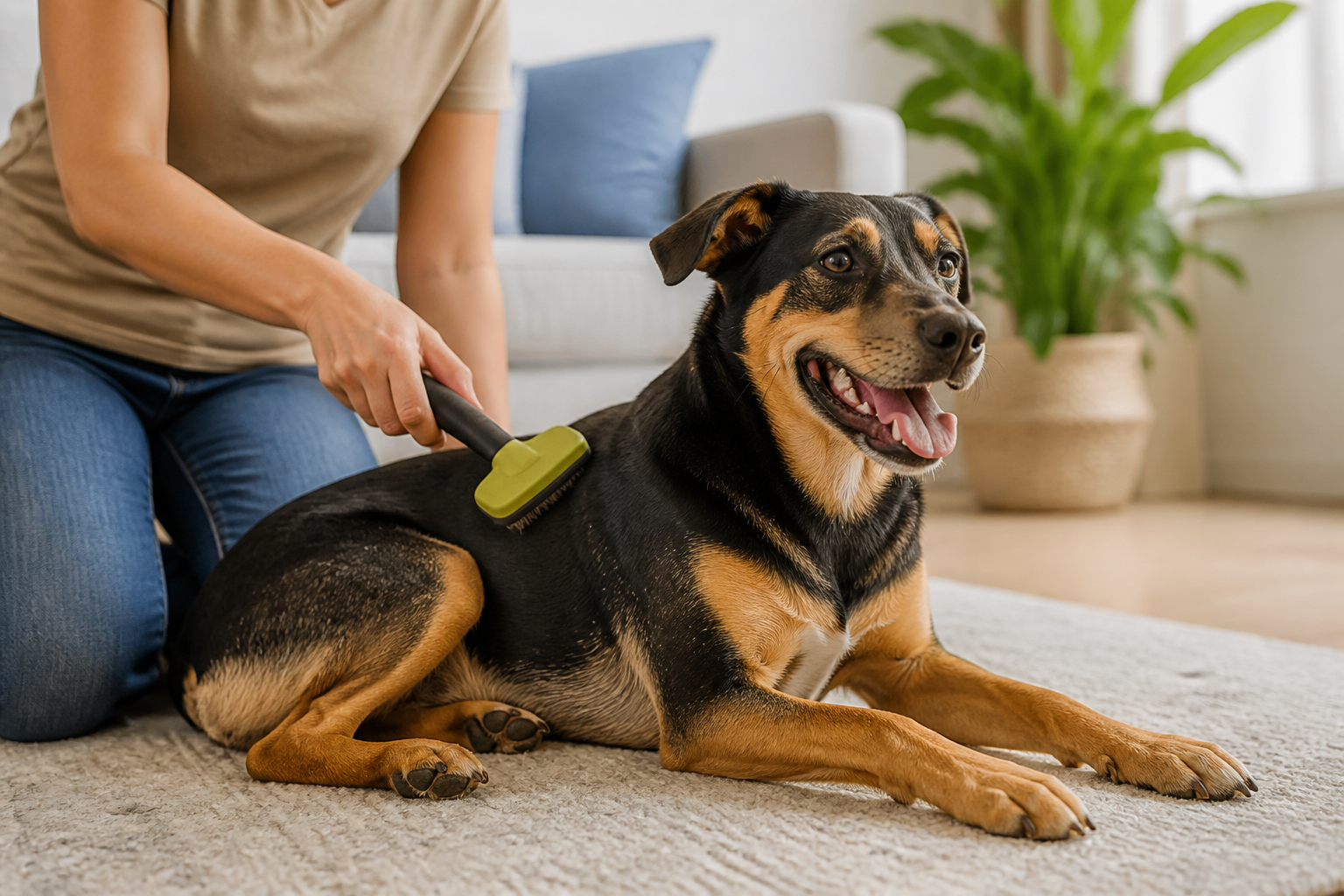
Introduction
You might think that bringing home a Labrador, a Boxer, or a Beagle means you are safe from the endless clouds of floating fur. Then you sit on your navy blue sofa and realize your short-haired dog has left behind a layer of stiff, needle-like hairs that weave themselves into the fabric. At BaxterBoo, we know that short-haired shedding is its own unique challenge. Those tiny hairs are often harder to clean up than long tufts. Choosing the right tool is the difference between a house covered in "dog glitter" and a clean home. This post covers the specific brush types that work for different short coat textures and how to use them safely. The right deshedding brush will keep your dog comfortable while keeping your vacuum in the closet more often.
Quick Answer: The best deshedding brush for short hair dogs depends on their specific coat density. For smooth, single-coated breeds, a rubber curry brush is best. For short-haired dogs with thick undercoats like Labradors, a stainless steel deshedding tool like the FURminator is the most effective choice.
Understanding the Short-Haired Coat
Not all short hair is created equal. Before you can pick the best brush, you must understand what is happening on your dog’s skin. Short-haired dogs generally fall into two categories: smooth single coats and dense double coats.
Smooth-coated dogs like Greyhounds or Pit Bulls have a single layer of hair. These dogs shed, but they do not have a thick undercoat that "blows" out twice a year. Their hair is often oily and sits close to the skin. Brushing these dogs is less about removing bulk and more about lifting loose surface hair and dead skin cells.
Dense-coated dogs like Labradors, Beagles, and Corgis have a hidden layer of soft, fuzzy hair underneath the stiff outer guard hairs. This undercoat is what causes the most trouble in your home. It sheds constantly and requires a tool that can reach past the top layer without scratching the skin. If you use a tool designed for a single coat on a double-coated dog, you will only move the hair around instead of removing it.
Why Brushing Matters for Short Hair
Many owners overlook grooming because the hair is short. However, regular brushing is a vital part of health management. It helps distribute natural skin oils. These oils act as a barrier against environmental irritants and keep the coat shiny.
Brushing also serves as an early warning system. When you run a brush over your dog daily or weekly, you will notice new lumps, bumps, or skin redness immediately. It is also the best time to check for external parasites. Our dog grooming supplies include brushes, combs, shampoos, and other tools for regular coat care. Finding a tick during a grooming session allows you to handle the issue before it becomes a larger health concern.
Key Takeaway: Short-haired dogs require different tools based on whether they have a single or double coat. Brushing is essential for oil distribution and early detection of skin or parasite issues.
The Rubber Curry Brush: The Best All-Rounder
If we had to recommend just one tool for every short-haired dog owner, it would be the rubber curry brush. These brushes are usually made of soft, flexible rubber with thick nubs. They do not have sharp metal teeth, which makes them very safe for beginners.
The rubber creates a natural static pull that grabs loose hair. For smooth-coated dogs, this is often the only tool you need. The nubs massage the skin, which increases blood flow and makes the experience feel like a spa treatment for your dog.
How to Use a Rubber Brush
Step 1: Use circular motions. / Move the brush in small circles against the direction of hair growth to loosen the fur from the skin.
Step 2: Sweep the hair away. / After loosening the fur, use long, sweeping strokes in the direction of hair growth to gather the loose fluff into a pile.
Step 3: Use it in the bath. / These brushes are excellent for working shampoo deep into the coat. The wet friction helps pull out even more dead hair during the rinse cycle.
Rubber brushes like the Kong ZoomGroom are favorites among our staff. They are nearly indestructible and very easy to clean. You simply tap them against a hard surface or rinse them under a faucet to remove the hair.
The Bristle Brush: For Polish and Shine
A bristle brush is a finishing tool. It consists of many tightly packed bristles, which can be natural or synthetic. These brushes are not meant for heavy deshedding. Instead, they are the best choice for dogs with very thin hair and sensitive skin, such as Boxers or French Bulldogs.
The bristles are excellent at picking up fine dander and dust. If your dog has a "dusty" look after playing outside, a quick once-over with a bristle brush will fix it. More importantly, the bristles act like a comb for the skin oils. They pull the sebum from the base of the hair and spread it to the tips. This gives the coat that healthy, "show-dog" reflective shine.
Selecting the Right Bristle Strength
- Soft bristles: Best for puppies, senior dogs, or breeds with very little hair.
- Medium bristles: Ideal for most short-haired breeds with a bit more texture, like Beagles.
- Firm bristles: Useful for dogs with "wire-like" short hair or those with a very dense topcoat.
Vet Tip: If you notice your dog has persistent dry, flaky skin or a dull coat despite regular brushing, it may be time for a check-up. Your veterinarian can determine if an underlying allergy or nutritional deficiency is the cause. We carry many prescription diets through our pharmacy partnership that support skin and coat health for dogs with specific medical needs.
The Stainless Steel Deshedding Tool
For the heavy shedders, a standard brush often feels like it is doing nothing. This is where stainless steel deshedding tools, like the FURminator, come into play. These tools have a very fine, comb-like edge that reaches through the topcoat to grab the loose undercoat.
Tools such as the Warren London Short Hair De-Shedding Pet Brush are designed for short coats and use steel blades to remove loose undercoat hair. These tools are incredibly effective. They can reduce the amount of hair in your home by up to 90 percent if used correctly. However, because the edge is metal and quite sharp, you must use them with caution. They are not intended for every dog. If your dog does not have an undercoat, a deshedding tool like this can actually scratch their skin or "cut" their healthy hair.
Safety Guidelines for Metal Deshedding Tools
You should only use these tools on a completely dry coat. Wet hair is more prone to breakage. You should also limit use to once or twice a week. Over-brushing with a metal edge can lead to "brush burn," which is a painful skin irritation.
- Use very light pressure. Let the weight of the tool do the work.
- Avoid sensitive areas like the stomach, ears, and genitals.
- Do not stay in one spot for too long. Move across the body in long, fluid strokes.
- Always brush in the direction of hair growth.
Key Takeaway: Metal deshedding tools are the most powerful option for double-coated short hair, but they require a gentle hand to prevent skin irritation.
Comparing the Best Brushes for Short Hair
| Brush Type | Best For | Benefit | Caution |
|---|---|---|---|
| Rubber Curry | All short coats | Massages skin and lifts hair | Less effective on very thick undercoats |
| Bristle Brush | Smooth, thin coats | Adds shine and removes dander | Does not remove bulk shedding |
| SleekEZ / Blade | Dense short coats | Pulls off massive amounts of hair | Can be harsh on sensitive skin |
| Slicker Brush | "Short-plus" coats (Corgis) | Removes tangles and debris | Pins can be sharp if pressed too hard |
The Role of the Slicker Brush
Slicker brushes are usually associated with Poodles or Golden Retrievers, but they have a place in the short-hair world too. Some dogs have "short" hair that is actually quite dense and prone to trapping dirt, like the Australian Cattle Dog or the Corgi.
A slicker brush has fine wire pins that are slightly angled. These pins are excellent at grabbing "hitchhikers" like burrs, dried mud, or grass seeds. If your short-haired dog spends a lot of time hiking or running through tall grass, a slicker brush is a great tool to keep by the door.
When using a slicker brush on a short-haired dog, you must be very gentle. Because there is not much hair to pad the skin, the wire pins can easily scratch the surface. Look for a slicker brush with "coated" tips or very flexible pins to ensure a comfortable experience for your pet.
You can compare options in our dog brushes and combs category, including slicker brushes, shedding combs, and grooming gloves.
Grooming for Skin Health
At BaxterBoo, we believe grooming is the first step in wellness. Short-haired dogs often suffer from skin allergies that manifest as small red bumps or "hives." When you are brushing, you are essentially performing a health check.
If you find that your dog is shedding excessively and also scratching or licking their paws, they may be dealing with seasonal allergies. Our pharmacy carries many products to help, including medicated shampoos and FDA-approved allergy medications. Always consult your veterinarian if you notice a sudden change in shedding patterns or if your dog seems itchy and uncomfortable.
Bottom line: Brushing is a tool for both cleanliness and health monitoring, helping you catch skin issues before they become severe.
Creating a Grooming Routine
Consistency is more important than the length of the grooming session. Five minutes of brushing three times a week is more effective than one hour-long session once a month.
The Weekly Schedule
- Start with the rubber curry brush. Spend three minutes using circular motions all over the body. This loosens the "dead" hair that is ready to fall out.
- Follow with the deshedding tool. If your dog is a heavy shedder, spend two minutes using long strokes over the back and sides.
- Finish with the bristle brush. This smooths down the remaining hair and gives that polished look.
- Reward your dog. Use a small treat to make sure they associate the brush with something positive.
Seasonal Adjustments
Dogs tend to shed more in the spring and fall as the daylight changes. During these times, you may need to increase your brushing frequency. If you use our Autoship programme for your favorite treats and grooming supplies, you can ensure you never run out of the items you need during these peak shedding months.
For additional seasonal grooming ideas, read how regular grooming can help manage shedding.
Advanced Tools: Grooming Mitts and Blades
Sometimes a traditional brush handle is awkward to use, especially on wiggly puppies or large, active dogs. Grooming mitts are a fantastic alternative. These are gloves with rubber nubs on the palms. You simply pet your dog, and the loose hair sticks to the glove. This is often the best choice for dogs who are "brush shy" or nervous about grooming tools.
For dogs with very stiff, short hair that seems to never stop falling out, some owners prefer a shedding blade. This is a looped metal strap with small teeth. You can use it one-handed or unclip it to use it as a long, two-handed sweep. It is very effective for large breeds like Labradors or Great Danes. Just like the FURminator, it should be used with a very light touch to avoid scraping the skin.
When Brushing Isn't Enough
If you are brushing daily and still finding piles of hair, it might be time to look at internal health. Nutrition plays a huge role in hair follicle strength. High-quality foods from brands we trust, such as Farmina or Open Farm, provide the omega fatty acids necessary for a strong coat.
We also offer a variety of skin and coat supplements. Ingredients like wild Alaskan salmon oil or biotin can help "lock" the hair into the follicle, reducing the amount that ends up on your floor.
Vet Tip: Excessive shedding can sometimes be a sign of hormonal imbalances, such as hypothyroidism. If your dog is losing hair in patches or has symmetrical hair loss on their flanks, please see a veterinarian for blood work. You can fill any resulting prescriptions through our pet pharmacy to help manage these conditions.
Managing the Cleanup
Even with the best brush, some hair will escape. Using a high-velocity dryer after a bath is a secret weapon for short-haired dog owners. It literally "blasts" the loose hair out of the coat. If you do this outside or in a dedicated grooming area, it significantly reduces the amount of shedding in the house for the next week.
A damp microfiber cloth is also a great tool for a final "wipe down" after a brushing session. It picks up the tiny, static-filled hairs that the brush might have missed.
Conclusion
Finding the best deshedding brush for short hair dogs makes life easier for both you and your pet. For most owners, a combination of a rubber curry brush for regular use and a stainless steel deshedding tool for deeper cleaning is the perfect kit. Remember to keep the sessions short and positive, and always keep an eye on the skin underneath the fur.
- Use rubber brushes for massage and surface hair.
- Use metal deshedding tools for thick undercoats.
- Brush 2-3 times weekly for the best results.
- Monitor skin health during every session.
Ready to upgrade your grooming kit? Visit our dog healthcare category to find tools and supplements that support your dog's skin and coat health.
Bottom line: The best grooming routine combines the right tools with consistent, gentle care.
FAQ
Does a FURminator work on short hair dogs?
Yes, there is a specific version of the FURminator designed for short-haired breeds with hair under two inches long. It is highly effective for dogs with a dense undercoat, such as Labradors or Beagles, but it should be used carefully to avoid skin irritation. It is not recommended for single-coated breeds like Greyhounds who lack a thick undercoat.
How often should I use a deshedding brush on my short-haired dog?
For most short-haired dogs, using a deshedding tool once or twice a week is sufficient. Over-using metal-edged tools can lead to hair breakage or skin sensitivity. You can use a gentle rubber curry brush more frequently, even daily, to provide a massage and keep the coat shiny.
Can I use a human brush on my dog?
It is not recommended to use human hairbrushes on dogs. Human brushes are designed for human hair texture and a different skin pH. The bristles or pins may be too sharp or too flexible to effectively reach a dog's undercoat. Investing in a tool designed specifically for canine coat types will provide better results and keep your dog safer.
Why is my short-haired dog shedding so much all of a sudden?
Sudden excessive shedding can be caused by seasonal changes, stress, or a change in diet. However, it can also be a sign of a medical issue like allergies, parasites, or a hormonal imbalance. If the shedding is accompanied by bald patches, redness, or constant itching, we recommend consulting your veterinarian to rule out underlying health problems.






