
 Save 15% on your 1st Autoship learn more

 Email us
 Live Chat
 FAQs
FAQs





Introduction
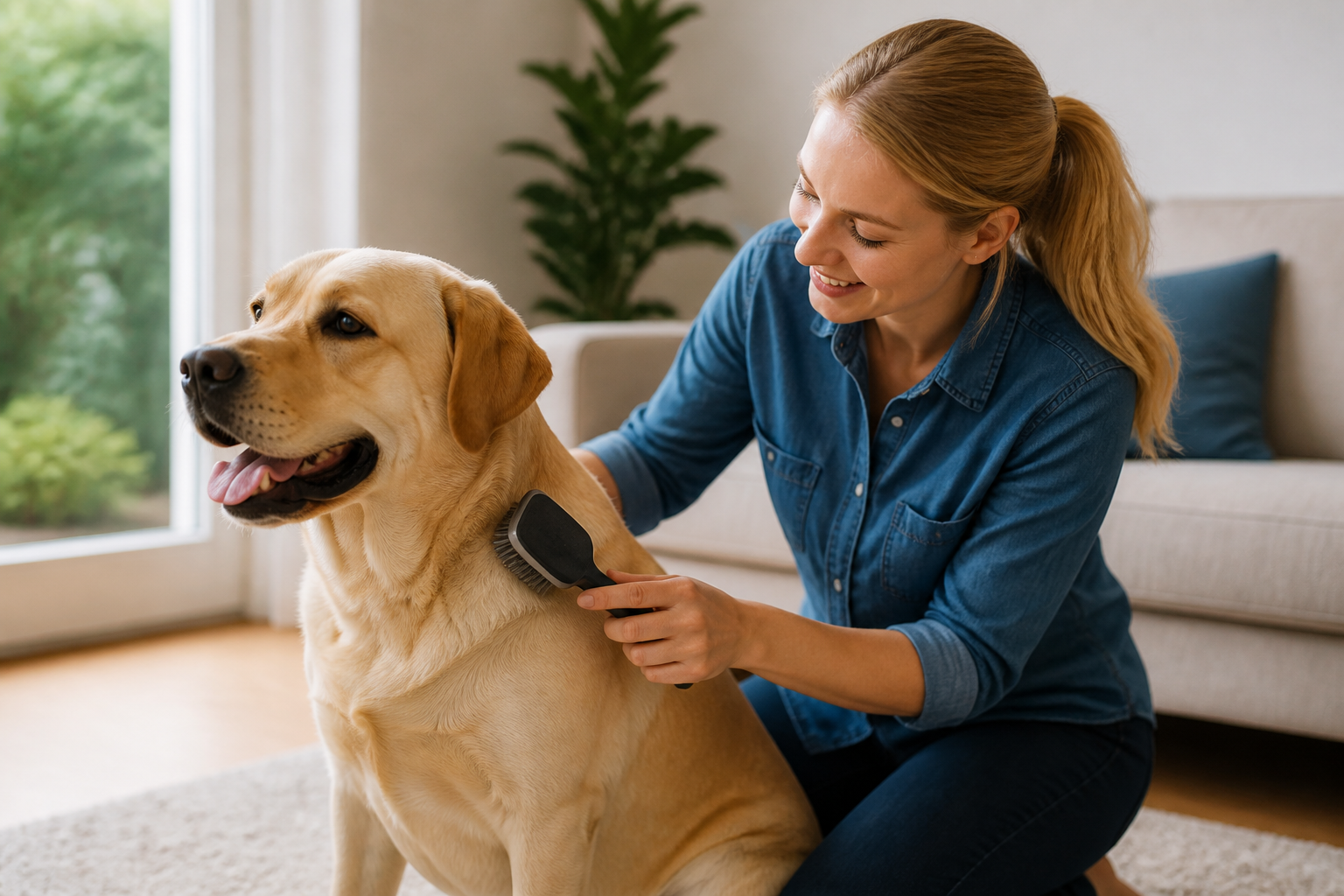
You likely know the feeling of looking down at your dark slacks or the living room rug only to see a layer of "Labrador glitter" covering every surface. Labrador Retrievers are world-class companions, but they are also world-class shedders. Their thick, water-resistant double coats are designed to keep them warm in icy waters, yet that same coat seems to end up all over your home. At BaxterBoo, we talk to Lab owners every day who are overwhelmed by the sheer volume of fur their dogs produce.
Finding the right tool is the difference between a house covered in hair and a manageable grooming routine. This article covers the specific types of brushes that work for the unique Labrador coat and how to use them effectively. We will look at why some brushes fail and which ones actually reach the dense undercoat where the shedding starts. Our goal is to help you build a grooming kit that keeps your dog comfortable and your floors cleaner.
Understanding the Labrador Double Coat
To choose the right brush, you have to understand what you are actually brushing. Labradors have a very specific coat structure. The top layer consists of short, thick, and oily guard hairs. These are designed to repel water and protect the skin. Beneath that lies the undercoat. This layer is soft, downy, and extremely dense. Its job is to provide insulation.
This undercoat is the source of most of your shedding problems. Labradors "blow" their coats twice a year, usually in the spring and fall, as they prepare for temperature changes. However, many Labs living in climate-controlled homes shed consistently throughout the year. If you only brush the top layer, you leave the dead undercoat trapped against the skin. This can lead to hot spots, skin irritation, and a dull-looking coat. For additional ideas on managing seasonal shedding, see our guide to shedding tools and seasonal coat care.
Quick Answer: The best grooming approach for a Labrador is a two-tool system. Use a rubber curry brush for daily maintenance and skin stimulation, paired with an undercoat rake for weekly sessions to remove deep, loose fur.
The Rubber Curry Brush for Daily Care
The rubber curry brush is often the most underrated tool in a Labrador owner's kit. Unlike wire brushes, rubber brushes have soft, flexible nubs. These tools are excellent for Labradors because they serve multiple purposes without any risk of scratching the dog's skin. You can explore our dog brushes and combs to compare rubber brushes, rakes, combs, and other grooming tools.
When you use a rubber brush in a circular motion, the nubs grab onto loose guard hairs on the surface. More importantly, the massage action stimulates the skin's natural oils. This oil is what gives a Lab that healthy, glossy shine. It also helps maintain the water-resistant quality of the coat.
Because these brushes are so gentle, they are perfect for dogs that are sensitive to grooming. If your Lab tends to pull away when they see a metal brush, a rubber tool like the Kong ZoomGroom is usually a better starting point. You can use it while the dog is dry, but it is also highly effective during bath time to help work shampoo deep into the fur.
Why an Undercoat Rake is Essential
If you only have one metal tool for your Labrador, it should be an undercoat rake. A standard comb or a pin brush often just slides over the top of a Lab's dense fur. An undercoat rake is designed with long, T-shaped teeth that penetrate through the guard hairs to reach the insulating layer. Our dog grooming collection includes brushes, combs, bathing supplies, towels, and other tools for building a complete routine.
The teeth on a rake are typically spaced out to avoid pulling or snagging healthy hair. Instead, they catch the dead, fuzzy undercoat that has already detached from the follicle. When you use a rake, you will likely be surprised by the amount of fur that comes out in a single pass.
How to Use a Rake Properly
Step 1: Start at the neck. / Move the rake in the direction of hair growth using light, steady pressure.
Step 2: Work in small sections. / Focus on the areas where the coat is thickest, such as the "trousers" on the back of the thighs and the base of the tail.
Step 3: Check the skin. / Periodically part the hair to ensure you are reaching the base without causing any redness or irritation.
Key Takeaway: An undercoat rake is the most efficient tool for preventing "tumbleweeds" of fur in your home because it removes the hair before it falls off the dog.
The Role of Slicker Brushes
Slicker brushes have fine, short wire bristles situated on a flat or slightly curved head. While these are often marketed as general-purpose brushes, they require a bit more care when used on a Labrador. Because Labradors have relatively short hair compared to a Golden Retriever or a Poodle, the wire bristles of a slicker brush can easily reach the skin. For a finishing tool, the Master Grooming Tools Ergonomic Slicker Dog and Cat Brush is one available option.
If you use a slicker brush with too much pressure, you can cause "brush burn." This is a painful skin irritation that looks like a red scrape. However, a slicker brush is still useful for smoothing the coat and removing fine debris like dried mud or grass seeds after a walk.
If you choose to use a slicker brush, look for one with coated tips on the wires. This provides a small buffer that makes the grooming process more comfortable for your dog. Use it for "finishing" the coat after you have already used a rake to do the heavy lifting.
Deshedding Tools and Blades
Deshedding tools are very popular among Labrador owners. These tools often feature a fine-toothed metal blade that looks similar to a clipper blade. They are incredibly effective at removing massive amounts of undercoat in a short amount of time.
However, at BaxterBoo, we always recommend using these with caution. Because the teeth are very close together and can be sharp, it is possible to "over-brush" a single area. If you go over the same spot too many times, you might actually cut the healthy topcoat or cause skin sensitivity. The Warren London Long Hair De-Shedding Pet Brush is one example of a deshedding tool designed to reach the undercoat.
Limit the use of blade-style deshedding tools to once every week or two during peak shedding season. For the rest of the year, stick to your rubber brush and rake. This prevents the coat from becoming thin or patchy.
Vet Tip: If your Labrador's shedding is accompanied by bald spots, a strong odor, or constant licking, it may not be a grooming issue. Consult your veterinarian to rule out thyroid imbalances, parasites, or skin infections.
Grooming Gloves for Sensitive Labs
Some Labradors are simply "brush shy." They might have had a bad experience with a sharp tool in the past, or they may just be nervous about the sight of a grooming kit. For these dogs, grooming gloves are a practical alternative.
These gloves have silicone or rubber nubs on the palms. You simply wear the glove and pet your dog as you normally would. The nubs trap the loose hair, which you can then peel off in a sheet. While they do not reach as deep as an undercoat rake, they are significantly better than not brushing at all. They are also excellent for reaching tricky areas like the belly, chest, and legs where a traditional brush might be awkward to use.
Bathing to Manage Shedding
Brushing is only one part of the equation. A regular bathing routine can significantly reduce the amount of fur left on your furniture. For a Labrador, a bath every four to six weeks is usually sufficient. Our dog shampoo and conditioner selection includes products for different coat and grooming needs.
Using a deshedding shampoo can help loosen the dead undercoat so it washes away in the tub. After lathering, use your rubber curry brush to massage the skin. This helps the shampoo reach the base of the hair and manualizes the removal of loose fur. For more bath-time guidance, read Dos and Don'ts for Bathing Your Dog.
Always make sure your Lab is completely dry after a bath. Water trapped in the thick undercoat can lead to a "wet dog" smell or even fungal skin issues. Use a high-quality towel to get the bulk of the moisture out, and if your dog allows it, use a blow dryer on a cool setting.
Diet and Supplements for Coat Health
The best brush in the world cannot fix a coat that is unhealthy from the inside out. Labrador Retrievers are prone to skin allergies and dry skin, which can lead to excessive shedding and itching.
High-quality food with balanced Omega-3 and Omega-6 fatty acids is essential. If your Lab has dull fur or flaky skin, you might consider adding a supplement. Brands like Zesty Paws or Nordic Naturals offer fish oil supplements that support skin barrier health. You can browse our dog skin and coat care options for supplements and topical products.
When skin issues are more serious, such as chronic dermatitis or allergic flares, a change in diet or a supplement might not be enough. Our pharmacy at BaxterBoo carries a wide range of FDA-approved medications and prescription diets through our partnership with Pet's Choice. If your veterinarian prescribes a specific medicated shampoo or a prescription-only food like Royal Canin Veterinary Diet, you can fulfill those needs through our pet pharmacy service. For broader supplement guidance, see The Ultimate Pet Supplement Guide.
Seasonal Grooming Checklist
Grooming needs change throughout the year. Your routine in July will look different than your routine in November.
- Spring: This is "blowing coat" season. Increase raking to three times a week. Use a deshedding shampoo.
- Summer: Continue using a rubber brush daily. Check for ticks and burrs that might get trapped in the thick fur.
- Fall: The second major shed occurs. Focus on removing the summer undercoat to make room for the thicker winter layer.
- Winter: Brush weekly to distribute oils and prevent the skin from drying out due to indoor heating.
Bottom line: Consistent, gentle grooming is more effective than infrequent, aggressive sessions for keeping a Labrador's shedding under control.
Beyond the Brush: Total Body Care
While you are focused on the best brush for your Lab's coat, do not forget the other aspects of grooming that contribute to their well-being. Labrador Retrievers have "drop ears," which means the ear flap hangs down. This creates a dark, moist environment that is a playground for bacteria and yeast.
Cleaning the ears once a week with a veterinarian-approved ear cleaner is a must. If you notice your Lab shaking their head or if the ears have a dark discharge, it is time for a vet visit. Our pharmacy offers various prescription ear treatments for when those routine cleanings aren't enough to stop an infection.
Nail care is also vital. Because Labs are active dogs, their nails can split or crack if they get too long. Regular trimming with a high-quality clipper or a grinder keeps their paws healthy and prevents pain while walking.
Training Your Lab for Grooming Success
A Labrador that holds still for grooming is a lot easier to manage than one that thinks the brush is a chew toy. Start grooming your dog as early as possible. If you have a puppy, get them used to the feeling of the tools even before they have a full undercoat.
Use positive reinforcement. Keep a bag of healthy treats nearby and reward your dog for staying calm while you brush. If they seem stressed, stop the session and try again later. It is better to do five minutes of successful brushing every day than thirty minutes of a "grooming battle" once a week.
Monitoring for Skin Issues
As you brush your Labrador, you have a unique opportunity to perform a "health scan." You are feeling for lumps, bumps, or areas of heat that might not be visible to the naked eye. Labradors are unfortunately prone to lipomas (fatty tumors). While these are usually benign, any new lump should be checked by a professional.
Pay close attention to the elbows. Many Labs develop callouses or "elbow sores" from lying on hard surfaces. If these become cracked or infected, they may require a topical treatment. Keeping the skin moisturized and providing soft bedding can help prevent these from worsening.
Key Takeaway: Regular grooming is your best early-warning system for detecting skin changes or health issues before they become serious problems.
Summary of the Best Tools for Labradors
Building a kit for your Labrador does not require dozens of tools. You only need a few high-quality items that serve specific roles.
- Rubber Curry Brush: For daily shine, skin health, and bath time.
- Undercoat Rake: For weekly removal of deep, loose fur.
- Grooming Wipes: For cleaning paws and removing surface allergens between baths.
- Microfiber Towel: For quickly drying the dense double coat.
- High-Quality Clippers: For maintaining nail health.
By sticking to this system, you can reduce the amount of hair in your home and keep your Labrador's coat in peak condition. We have helped thousands of owners find the right balance for their pets since 2006. Whether you are dealing with a seasonal "coat blow" or just trying to keep up with daily shedding, the right approach makes all the difference.
For ongoing skin concerns or prescription needs that arise during your grooming routine, remember that we offer a full-service pharmacy. We work directly with your vet to ensure your Labrador gets the exact support they need for their specific health profile.
Bottom line: The best brush for a Labrador is actually a combination of a rubber curry tool and an undercoat rake used consistently.
FAQ
How often should I brush my Labrador to stop shedding?
You should aim to use a rubber curry brush daily for a few minutes to manage surface hair and distribute oils. A more thorough session with an undercoat rake should happen at least once a week. During the spring and fall when they blow their coats, you may need to use the rake every other day to keep up with the volume of loose fur.
Can I shave my Labrador in the summer to keep them cool?
You should never shave a Labrador Retriever unless it is for a medical procedure. Their double coat acts as insulation against both heat and cold. Shaving the coat removes their natural cooling system and exposes their skin to sun damage and insect bites. Furthermore, the coat may not grow back with the same texture, often becoming patchy or frizzy.
My Lab has a very strong "doggy" smell even after brushing. What should I do?
A strong odor can be caused by trapped moisture in the undercoat, ear infections, or skin issues like yeast overgrowth. Ensure you are drying your dog completely after baths and check their ears for redness. If the smell persists, consult your vet, as they may need a medicated shampoo or treatment from our pharmacy to address an underlying skin condition.
What is the difference between a pin brush and an undercoat rake?
A pin brush looks like a human hairbrush and is best for long-haired breeds to prevent tangles. On a Labrador, the pins usually aren't strong or long enough to penetrate the thick undercoat. An undercoat rake has sturdier, widely spaced teeth designed specifically to go through the topcoat and pull out the dead hair trapped underneath.






