
 Save 15% on your 1st Autoship learn more

 Email us
 Live Chat
 FAQs
FAQs





Introduction
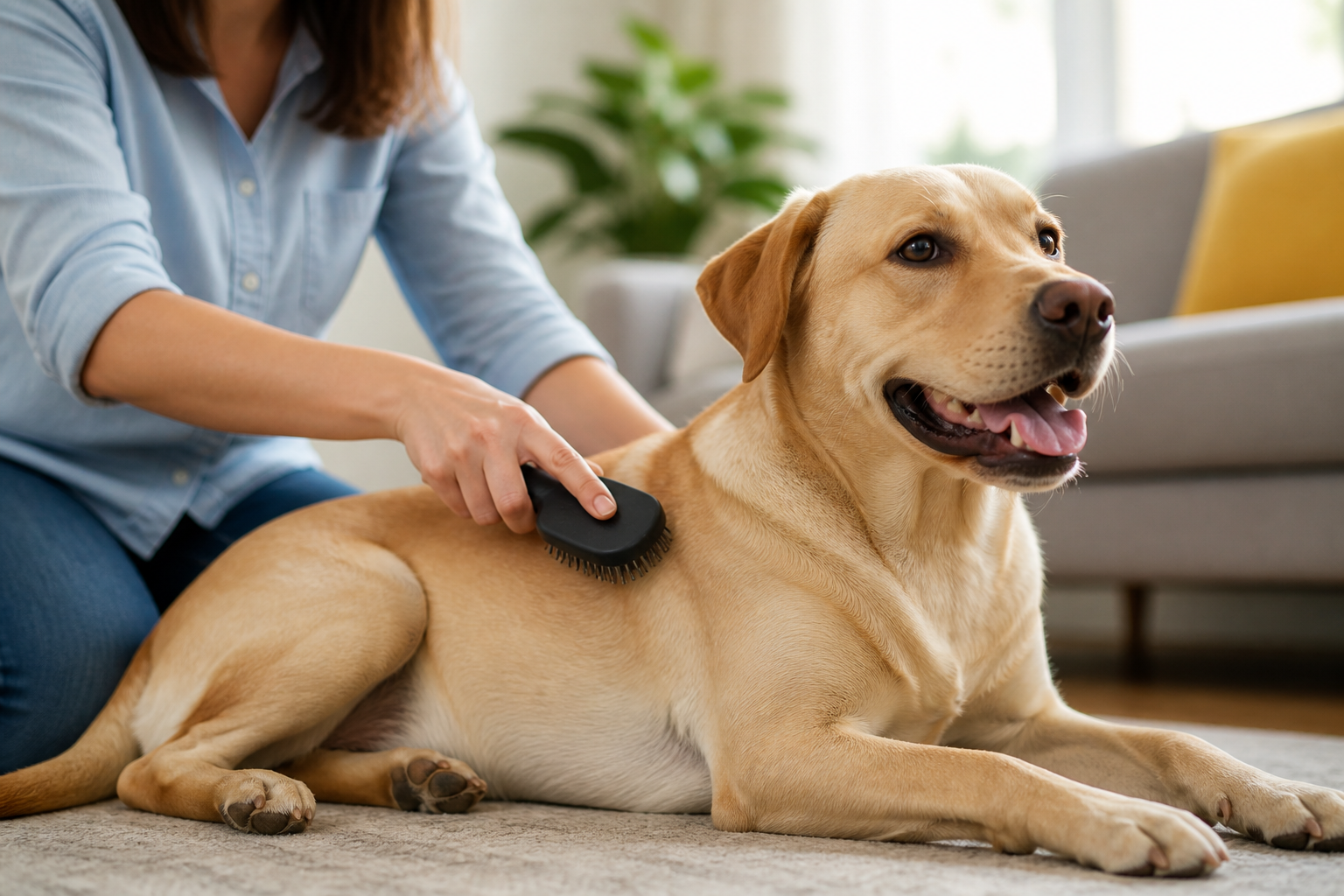
You might think that having a short-haired dog means you can skip the grooming aisle entirely. Then you sit on your sofa in a pair of black leggings and realize your Beagle or Boxer has left a visible layer of "glitter" behind. Short-haired dogs often shed more than their long-haired cousins because their fur goes through its growth cycle much faster. At BaxterBoo, we see many pet parents who are frustrated by these tiny, needle-like hairs that weave themselves into car seats and carpets. Finding the right tool is the difference between a house covered in fur and a shiny, healthy pup. This guide will help you choose the best brush for your dog's specific short coat type. We will cover rubber tools, bristle brushes, and de-shedding essentials to keep your home hair-free.
Understanding Short Coat Types
Not all short hair is created equal. Before you can pick the best brush, you need to know exactly what kind of coat your dog is wearing. Generally, short-haired dogs fall into two categories: smooth coats and short double coats.
Smooth-coated dogs have a single layer of hair. Think of breeds like Greyhounds, Boxers, or Doodles with a very short shave. Their hair is sleek and lies close to the skin. These dogs do not have a soft, fuzzy undercoat. Because they have very little "padding," you have to be careful not to use tools that are too sharp or rigid.
Short double-coated dogs are a different story. Breeds like Labrador Retrievers, Beagles, and Corgis have a visible top layer and a dense, woolly undercoat hidden beneath. This undercoat is what causes the massive "blow outs" during spring and fall. If you only brush the top layer, you are missing the source of most of your shedding problems.
Quick Answer: The best brush for most short-haired dogs is a rubber curry brush. It uses static electricity and soft nubs to pull loose hair from the skin without causing irritation. For heavy shedders with an undercoat, a specialized de-shedding tool is the best secondary choice.
The Versatility of the Rubber Curry Brush
If we could only recommend one tool for a short-haired dog, it would be the rubber curry brush. These are often circular or oval-shaped tools with flexible rubber "teeth" or nubs. They do not look like a traditional hairbrush, but they are incredibly effective. You can explore our dog brushes and combs to compare rubber brushes, grooming gloves, and other coat-care tools.
The rubber material works by creating a light static charge that attracts loose fur. As you move the brush in a circular motion, it pulls hair out of the coat and traps it between the nubs. Because the material is soft, it feels like a massage to your dog. This makes it an excellent choice for puppies or dogs that are nervous about grooming.
Rubber brushes also excel in the bath. You can use them to work shampoo deep into the coat, reaching the skin where dirt and dander hide. This helps loosen hair that is about to fall out anyway. By the time you rinse and dry your dog, a significant portion of the "dead" hair is already gone.
How to Use a Rubber Brush
Step 1: Use circular motions. / Move the brush against the direction of hair growth to lift loose fur from the skin.
Step 2: Follow the grain. / Once you have loosened the hair, brush in the direction of growth to pull the fur away.
Step 3: Clear the nubs. / Occasionally peel the collected hair off the brush to keep it working efficiently.
Key Takeaway: Rubber curry brushes are the safest and most effective daily tool for single-coated short-haired breeds. They stimulate natural oil production while removing surface debris.
The Classic Bristle Brush for Shine
A bristle brush is exactly what it sounds like: a brush with many small, closely packed bristles. These can be natural, like boar hair, or synthetic nylon. For short-haired dogs, a bristle brush is less about removing massive amounts of shed hair and more about finishing and health.
The primary job of a bristle brush is to distribute natural skin oils. Short-haired dogs can sometimes look dull or develop dry, flaky skin. Brushing with bristles moves the sebum (natural oil) from the base of the hair across the entire shaft. This creates a natural shine that no spray can truly replicate.
It also helps remove "surface" dirt. If your dog has been playing in the yard, a quick once-over with a bristle brush can knock off dust and dried mud before it gets tracked into your house. Look for a brush with firm bristles if your dog has a thicker coat, or soft bristles if they have very thin hair or sensitive skin. A BASS Brushes selection includes bristle and bathing brushes for different grooming steps.
De-Shedding Tools for Heavy Shedders
Sometimes a gentle rubber brush is not enough. If you have a Lab or a Pug, you know that they can produce an unbelievable amount of fur. This is where de-shedding tools come into play. Brands like FURminator have perfected the stainless steel edge that reaches through the topcoat to grab the loose undercoat. For another short-coat option, consider the Coastal Safari Short Hair Shedding Dog Comb.
These tools are not meant for daily use. Think of them as a heavy-duty maintenance tool for once or twice a week. They are incredibly effective at reducing the volume of hair in your home, sometimes by up to 90 percent. However, because the edge is metal, you must use a very light touch.
Vet Tip: Never use a metal de-shedding tool on a dog with skin irritations, hot spots, or thin hair. If your dog is losing hair in patches or has very red skin, stop grooming and consult your veterinarian. Our pet pharmacy can help you find prescription products when your veterinarian recommends them.
When to Reach for a De-Shedder
- During "shedding season" in the spring and autumn.
- For breeds with a very dense, short undercoat.
- When a rubber brush is no longer picking up all the loose hair.
- If your dog's coat feels "thick" or "impacted" with dead fur.
Using a Slicker Brush on Short Hair
Slicker brushes are usually associated with Poodles or Golden Retrievers, but they have a place in the short-hair world too. A slicker brush has fine, short wires that are slightly hooked at the ends. They are excellent for dogs with "wire" coats or those with short but very dense fur like a Shiba Inu or a Corgi. For gentle pin-based grooming, browse our dog grooming supplies.
The wires are designed to grab onto tangles and loose fur. On a short-haired dog, you want a "soft" slicker brush. This means the wires have more give and are less likely to scratch the skin. It is a great tool for removing dander and trapped dirt that a rubber brush might miss.
Be careful around bony areas. Since short-haired dogs do not have much fat or fur on their legs, hips, and spine, the metal pins of a slicker brush can be uncomfortable. Always use your hand to shield the bony parts of your dog’s body while you brush.
The Importance of Skin Health
Grooming is about more than just looking good. It is a vital part of your dog's overall wellness. When you brush your short-haired dog, you are also performing a mini-health check. You are looking for bumps, cuts, ticks, or fleas.
Short-haired dogs are particularly prone to environmental allergies. Because they lack a long "buffer" of fur, pollen and dust sit directly against their skin. Regular brushing helps remove these allergens. If you notice your dog is constantly itchy despite regular grooming, it might be time to look at their diet or talk to a vet about allergy management.
We carry a wide range of skin and coat supplements that can help from the inside out. Ingredients like Omega-3 fatty acids from fish oil can strengthen the hair follicle. This often results in less shedding over time because the hair stays healthy and attached longer. You can browse our dog skin and coat care category for grooming products and supplements.
For dogs with chronic skin conditions, our pharmacy partnership provides access to medicated shampoos and treatments. Sometimes the "best brush" is actually a combination of the right tool and the right medical care.
Key Takeaway: Brushing is the best time to check for skin abnormalities. Catching a small lump or a flea infestation early can save you a lot of trouble later.
Creating a Grooming Routine
Consistency is more important than the length of the grooming session. For a short-haired dog, five to ten minutes of brushing three times a week is usually plenty. This keeps the hair from building up and makes the job feel less like a chore for both of you.
If your dog dislikes being brushed, start slow. Use a grooming mitt or a soft rubber brush and pair it with high-value treats. Let them sniff the brush first. Brush for thirty seconds, then give a treat. Gradually increase the time as they get more comfortable with the sensation.
The Ultimate Short-Hair Grooming Kit
- A Rubber Curry Brush: For daily use, massage, and bath time.
- A Bristle Brush: To add shine and remove surface dust.
- A De-shedding Tool: For weekly maintenance of the undercoat.
- Grooming Wipes: To quickly clean paws and the coat between baths.
- High-Quality Treats: To keep the experience positive.
Bottom line: A three-tool approach—rubber for massage, bristles for shine, and a de-shedder for volume—is the gold standard for short-haired dog care.
Dealing with Seasonal Shedding
Most dogs "blow" their coats twice a year. This is triggered by changes in daylight and temperature. Even indoor dogs will experience this to some degree. During these times, you will need to increase your brushing frequency. For additional seasonal shedding guidance, read how to manage a dog's shedding.
In the spring, dogs shed their thick winter undercoat to make room for a lighter summer version. In the fall, they shed the summer coat to allow the heavy winter fur to grow in. If you do not brush during these transitions, the dead hair can become trapped against the skin. This can lead to "hot spots" because the skin cannot breathe.
During peak shedding months, try to brush your dog outside. This keeps the flying fur out of your house and provides a nice sensory experience for your pet. If the shedding seems excessive or you notice bald patches, this is not normal seasonal behavior. Consult your veterinarian to rule out thyroid issues or other hormonal imbalances.
Grooming for Senior Short-Haired Dogs
As dogs age, their skin often becomes thinner and less elastic. Their coat might also become drier. For a senior dog, comfort is the priority. You may want to switch entirely to soft rubber tools or very soft natural bristle brushes.
Senior dogs may also develop fatty tumors (lipomas) or arthritis. Be very gentle when brushing over joints or any new lumps you have found. Grooming can actually be very therapeutic for older dogs as it increases circulation and provides gentle physical contact.
If your senior dog has mobility issues, they might find it hard to stand for a long grooming session. Let them lie down on a soft rug or bed while you work. This keeps them relaxed and makes the process a bonding activity rather than a physical stressor.
Why Quality Tools Matter
It can be tempting to grab the cheapest brush at a big-box store, but your dog's skin will tell the difference. At BaxterBoo, we handpick tools that are designed with pet safety in mind. Cheap metal brushes can have burrs or sharp edges that scratch the skin. Inexpensive plastic bristles can snap and cause tiny cuts.
Investing in a high-quality tool like a Kong ZoomGroom or a genuine FURminator ensures that the materials are safe and the ergonomic design is comfortable for your hand. A good brush can last for the entire life of your dog, making it a very low-cost investment in their long-term comfort.
Our team has been helping pet owners find the right gear since 2006. We know that every dog is an individual. If you visit our warehouse in Vernon Hills, you can see the quality of these brands firsthand. Whether you are shopping online or in person, we focus on products that actually work.
Final Thoughts on Short Hair Care
Managing a short-haired dog is all about staying ahead of the shed. By choosing a rubber curry brush for daily massage and a de-shedding tool for the heavy work, you can keep your home much cleaner. Remember that a healthy coat starts with great nutrition and regular veterinary check-ups.
If your dog's coat seems dull or they are shedding more than usual, consider their overall health. Sometimes a change in food or a new supplement can make a world of difference. The MVP Rewards programme is a great way to save on these essentials while keeping your pup in top shape.
Bottom line: The "best" brush is the one your dog enjoys and the one you will actually use consistently.
FAQ
Do short-haired dogs really need to be brushed?
Yes, they do. While they don't get long tangles, short-haired dogs shed frequently and their skin produces oils that need to be distributed. Regular brushing removes dead hair before it ends up on your furniture and helps you check for skin issues like ticks or bumps.
Can I use a human hairbrush on my dog?
It is not recommended. Human brushes are designed for human hair and scalps, which are very different from a dog's coat and skin. The pins on human brushes can be too sharp or the bristles too weak to effectively remove a dog's undercoat or stimulate their skin.
How often should I use a de-shedding tool on my short-haired dog?
For most dogs, once or twice a week is plenty. Over-using a metal de-shedding tool can irritate the skin or damage the healthy topcoat. Use it more frequently during the spring and fall when your dog is "blowing" their coat, but always use a light touch.
My dog hates being brushed, what should I do?
Start with a very soft tool like a grooming mitt or a rubber brush that feels like a hand massage. Keep sessions very short, even just one minute, and give your dog their favorite treats during the process. Slowly increase the time as they begin to associate the brush with positive rewards.






