
 Save 15% on your 1st Autoship learn more

 Email us
 Live Chat
 FAQs
FAQs





Introduction
You lean in for a happy morning greeting from your dog and are met with a smell that stops you in your tracks. Bad breath is often the first sign that a dog needs better oral care. Many owners assume that "dog breath" is just a natural part of life. In reality, persistent odors usually signal a buildup of plaque and bacteria that can lead to serious health issues. At BaxterBoo, we see thousands of pets every year and understand that dental care can feel like a daunting chore. This guide explores the most effective ways to maintain your dog's oral hygiene. We will cover everything from daily brushing techniques to the benefits of dental chews and professional cleanings. The best approach combines mechanical cleaning with regular veterinary checkups to ensure your pet stays healthy and comfortable.
Quick Answer: The best way to keep a dog’s teeth clean is a combination of daily brushing with dog-specific toothpaste and providing VOHC-approved dental chews. Brushing remains the gold standard for removing plaque before it hardens into tartar.
The Gold Standard: Brushing Your Dog’s Teeth
Brushing is the single most effective way to keep your dog’s mouth healthy. It works just like it does for humans. You are physically rubbing away the sticky film of plaque that forms on the teeth after eating. If this plaque stays on the tooth for more than 24 to 48 hours, it begins to mineralize into tartar. Tartar is much harder to remove and usually requires professional tools.
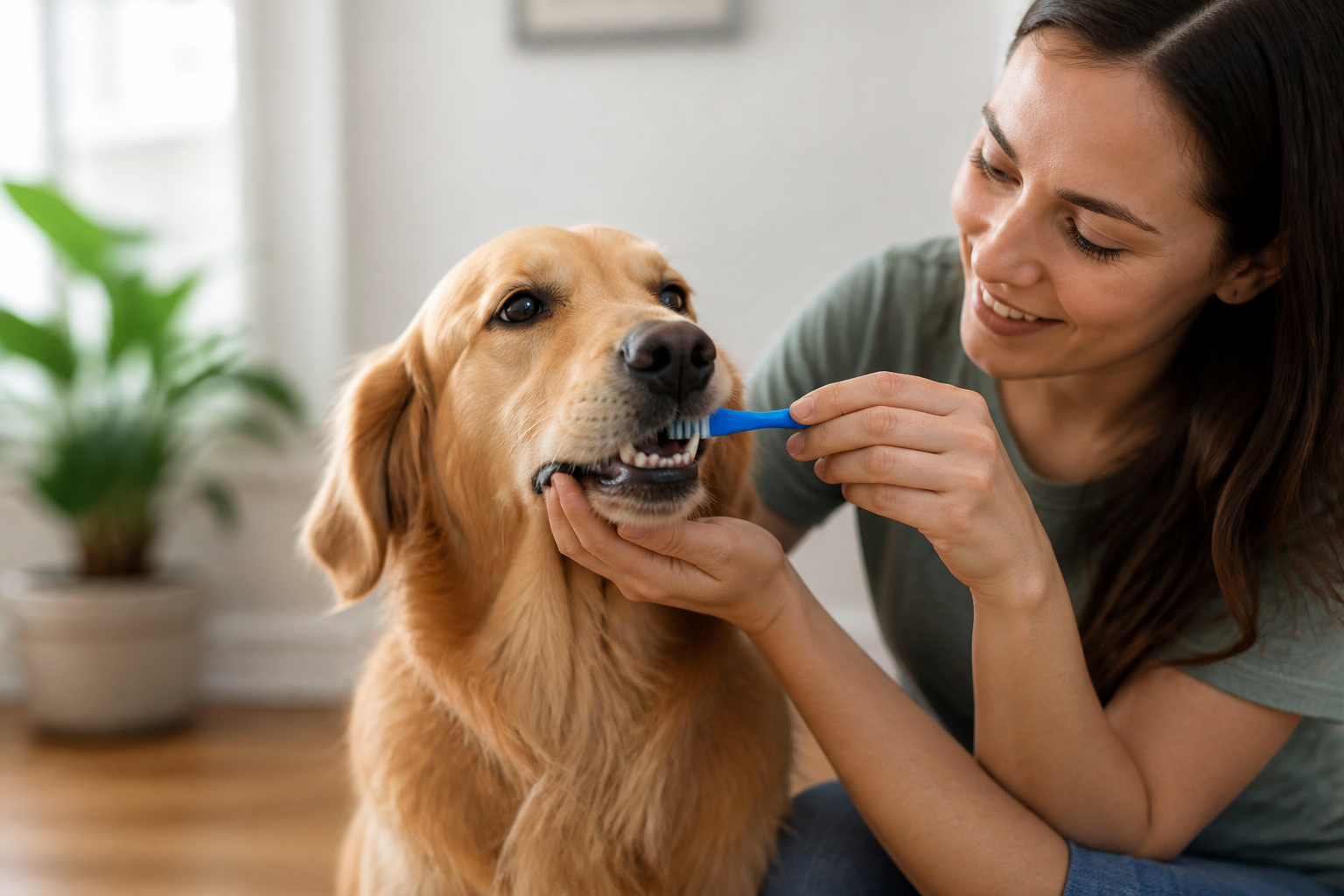
Most dogs do not naturally enjoy having their mouths handled. However, almost any dog can learn to accept brushing if you introduce it slowly. The goal is to make the experience positive. We recommend using a soft-bristled brush specifically designed for dogs. These often have angled handles to reach the back molars. If your dog has a very small mouth, a fingertip brush or even a piece of clean gauze wrapped around your finger can work well.
Never use human toothpaste for your dog. Human formulas often contain xylitol, which is a sweetener that is highly toxic to dogs. They also contain foaming agents that are meant to be spit out. Dogs will swallow the paste, so they need a formula that is safe to ingest. Dog toothpastes come in flavors like poultry, beef, and peanut butter to make the process more like a treat. You can find pet-safe toothpaste and brushing supplies in our dog dental care collection.
Vet Tip: If your dog is resistant to brushing, start by letting them lick the flavored toothpaste off your finger. Gradually move to rubbing their gums with your finger before introducing the actual brush. This build-up of trust prevents anxiety for both you and your pet.
Step-by-Step: Introducing the Toothbrush
Step 1: Choose a quiet time. / Pick a moment when your dog is relaxed and not overly energetic.
Step 2: Introduce the taste. / Let your dog lick a small amount of pet-safe toothpaste off your finger or the brush.
Step 3: Lift the lips. / Gently lift your dog's side lip to expose the teeth and gums without trying to brush yet.
Step 4: Start small. / Brush just the large canine teeth in a circular motion for a few seconds.
Step 5: Reward and repeat. / Give your dog a high-value reward immediately after you finish.
The Role of Dental Chews and Treats
Not every dog will sit still for a daily brushing session. For these pets, our dental chews and treats are an excellent secondary tool. These treats are designed with specific textures that scrape the surface of the tooth as the dog chews. This mechanical action helps rub away plaque in hard-to-reach areas.
When shopping for dental treats, look for the Veterinary Oral Health Council seal of approval. This seal confirms that the product has been tested and proven to reduce plaque or tartar by at least 20 percent. Products like Greenies or dental sticks from brands we carry are popular choices because they encourage prolonged chewing. The longer the dog chews, the more cleaning action occurs. For additional guidance, read our tips for choosing dental chews for dogs.
Chews also stimulate saliva production. Saliva contains natural enzymes that help break down food particles and kill certain types of oral bacteria. However, chews are not a complete replacement for brushing. They mostly clean the tips of the teeth and the chewing surfaces. They often miss the area where the tooth meets the gumline, which is where most dental disease begins.
Key Takeaway: Dental chews are a helpful supplement but should not be the only method used. They are most effective when given daily and chosen based on your dog's specific size and chewing style.
Choosing the Right Size and Texture
It is vital to match the chew to your dog’s size. If a chew is too small, a large dog might gulp it down in one bite. This removes the dental benefit and creates a choking hazard. If the chew is too hard, it can actually fracture a dog's teeth. A good rule of thumb is the "fingernail test." If you cannot make a small dent in the chew with your fingernail, it might be too hard for your dog’s enamel.
- Avoid cooked bones and cow hooves, which are notoriously hard.
- Look for "Z-shaped" or ridged treats that get into the crevices between teeth.
- Monitor your dog while they enjoy their chew to ensure they do not swallow large chunks.
Using Water Additives and Dental Powders
For dogs that are particularly difficult to handle, water additives and food powders offer a hands-off approach. These products usually contain enzymes or ingredients like chlorhexidine that help reduce the bacterial load in the mouth. You simply add a capful to their fresh water bowl or sprinkle a measured amount over their kibble. Our dog dental supplements include options for adding another layer of support to your pet’s routine.
Water additives work by changing the environment of the mouth. They make it harder for bacteria to stick to the teeth and form plaque. They are also excellent for freshening breath quickly. Some powders use specific probiotics to encourage healthy bacteria to grow, which naturally crowds out the "bad" bacteria that cause decay and smell.
While these are very convenient, they are the least effective method when used alone. They do not provide the mechanical scrubbing action that brushing or chewing offers. We often suggest using these as an "extra layer" of protection for dogs that are prone to heavy tartar buildup despite regular brushing.
Note: Always check the ingredient list on water additives. Ensure they do not contain heavy scents or flavors that might discourage your dog from drinking their water, as hydration is still the priority.
Specialized Dental Diets
What your dog eats every day has a significant impact on their oral health. There is a common belief that all dry kibble cleans teeth because it is crunchy. However, most kibble is small and brittle. It shatters as soon as the dog’s tooth hits it, providing very little cleaning action. In some cases, the starchy residue can actually stick to the teeth and contribute to plaque.
Prescription dental diets are different. These foods are formulated with a specific fiber matrix. Instead of shattering, the kibble stays together as the tooth sinks into it. This allows the food to scrub the entire surface of the tooth all the way to the gumline. Many of these diets also contain minerals that bind calcium in the saliva, preventing it from turning plaque into hard tartar.
Our pharmacy carries FDA-approved medications and prescription pet foods through our partnership with Pet's Choice. This includes specialized dental diets from brands like Royal Canin, Hill's, and Farmina Vet Life. These diets require a prescription from your veterinarian because they are calorie-dense and must be balanced with your dog's overall nutritional needs. If your dog has a history of rapid tartar buildup or gingivitis, ask your vet if a therapeutic diet is a good fit.
Bottom line: Prescription dental diets provide a mechanical cleaning benefit that standard grocery store kibble cannot match.
The Importance of Professional Cleanings
Even with the best at-home care, most dogs will eventually need a professional cleaning. Just like humans visit a dentist for deep cleaning, dogs need a veterinarian to remove tartar that has hardened or moved under the gumline. At-home brushing cannot reach the space between the tooth and the gum. This is where bacteria thrive and eventually destroy the structures holding the tooth in place.
A professional dental cleaning for a dog involves several steps. The most important factor is that it is performed under general anesthesia. Some services offer "anesthesia-free" cleanings, but these are generally discouraged by veterinary dental experts. Without anesthesia, it is impossible to clean under the gums or see the inside surfaces of the teeth. It also prevents the veterinarian from taking dental X-rays, which are necessary to find painful abscesses or rotting roots hidden below the surface.
During a professional cleaning, the vet will:
- Perform a full oral exam to check for tumors or lesions.
- Take X-rays to assess root health.
- Use ultrasonic scalers to remove tartar from all surfaces.
- Polish the teeth to smooth out microscopic scratches where bacteria like to hide.
Vet Tip: Schedule a dental checkup at least once a year. Small breeds, such as Chihuahuas and Yorkies, may need more frequent visits because their teeth are crowded, which traps more debris and bacteria.
Recognizing the Signs of Dental Disease
As a pet owner, you are the first line of defense. Knowing what to look for can help you catch dental disease before it becomes a major health crisis. Dental pain in dogs is often silent. They have a strong instinct to keep eating even when their teeth are throbbing or loose. By the time a dog stops eating, the disease is usually very advanced. For more warning signs to watch for, read how to recognize hidden dental problems in dogs.
Check your dog’s mouth once a week. Look for redness along the gumline, which is a sign of gingivitis. Healthy gums should be a pale, bubblegum pink. If you see a thin red line where the teeth meet the gums, it is time to increase your brushing routine or call the vet. You should also look for "calculus," which is the brown or tan crusty material that builds up on the teeth.
Other signs of trouble include:
- Dropping food while eating or chewing on only one side of the mouth.
- Excessive drooling, sometimes tinged with blood.
- Pawing at the face or rubbing the mouth on the carpet.
- A sudden change in personality, such as irritability or lethargy.
- Swelling on the face, especially just below the eye.
Key Takeaway: Dental disease is not just about the mouth. Bacteria from infected gums can enter the bloodstream and damage the heart, liver, and kidneys. Maintaining oral health is a vital part of protecting your dog’s internal organs.
Safe Toys for Dental Health
Playtime is another opportunity to keep teeth clean. Certain types of toys are specifically designed to be "dental-friendly." Rubber toys with nubs or ridges can help massage the gums and scrape away soft plaque. Rope toys can also act like a form of "floss" as the fibers slide between the teeth during a game of tug.
However, safety is paramount. You must choose toys that are appropriate for your dog’s size and chewing strength. A toy that is too soft can be shredded and swallowed, leading to intestinal blockages. A toy that is too hard can break teeth. We suggest avoiding tennis balls for aggressive chewers. The fuzz on a tennis ball is surprisingly abrasive and can wear down the enamel on a dog's teeth over time, a condition known as "blunting."
Instead, look for high-quality rubber toys from brands like Kong or RC Pets. These are durable and provide the necessary resistance to help clean the teeth without causing damage. Always inspect toys for wear and tear. If a toy starts to break into small pieces, it is time to replace it.
Establishing a Routine That Works
The secret to success is consistency. It is better to brush your dog's teeth for one minute three times a week than to do a deep cleaning once every three months. Your dog will get used to the routine if it happens frequently. Combine different methods to create a "dental defense" plan that fits your lifestyle.
For example, you might brush their teeth on Monday, Wednesday, and Friday. On the other days, you could give them a VOHC-approved dental chew. Using a water additive every day takes almost no effort but provides a baseline of protection. This multi-layered approach ensures that even if you miss a brushing session, your dog is still getting some form of oral care.
Our MVP Rewards program is a great way to stay consistent. You can earn points on every purchase of toothpaste, brushes, and treats, which helps lower the cost of long-term care. Many owners also find that our Autoship programme is helpful for dental supplies. Having a fresh bag of dental chews or a new tube of toothpaste delivered to your door every month serves as a perfect reminder to stay on track.
Bottom line: A varied routine is more effective and less stressful for both the owner and the dog.
The Financial Side of Dental Care
Many owners hesitate to schedule professional cleanings because of the cost. While the upfront price of a veterinary dental procedure can seem high, it is significantly cheaper than treating the complications of neglected teeth. A simple cleaning is far less expensive than multiple tooth extractions, oral surgery, or treating secondary heart and kidney disease.
Investing in high-quality at-home tools now will save you money in the long run. Good toothpaste, effective chews, and the right toys can delay the need for professional intervention. We recommend checking with FIGO Pet Insurance through our partnership to see what types of dental coverage are available. Some plans help cover the cost of annual cleanings or accidents like fractured teeth.
Conclusion
Keeping your dog's teeth clean is one of the kindest things you can do for them. It prevents chronic pain, ensures they can enjoy their food, and likely adds years to their life. While brushing is the most effective method, a combination of chews, dental diets, and professional care will yield the best results. Start slowly and focus on making the process a positive part of your daily bonding time. At BaxterBoo, we are committed to helping you find the right tools for your pet's specific needs. Whether you need a starter brushing kit or a prescription diet through our pharmacy, we have the expertise to guide you.
- Brush at least three times per week with dog-safe paste.
- Provide VOHC-approved chews for mechanical cleaning.
- Monitor for red gums, bad breath, or difficulty eating.
- Schedule an annual veterinary oral exam.
Key Takeaway: Oral health is a cornerstone of overall wellness. A proactive approach at home combined with professional veterinary oversight is the best way to keep your dog's smile bright and healthy.
FAQ
How often should I really brush my dog's teeth?
Ideally, you should brush your dog's teeth every single day. Plaque can turn into hard tartar in as little as 36 hours, so daily cleaning is the best way to stay ahead of buildup. If daily brushing is not possible, aim for at least three times a week to see a significant benefit in their oral health.
Can I just use a dental chew instead of brushing?
While dental chews are helpful, they are not a complete substitute for brushing. Chews are great at cleaning the tops of the teeth, but they often miss the gumline where bacteria cause the most damage. Think of chews as a supplement to brushing, rather than a replacement for it.
Is anesthesia-free dental cleaning safe for my dog?
Anesthesia-free cleaning is generally not recommended by veterinarians because it only addresses the visible part of the tooth. It is impossible to clean under the gumline or take necessary X-rays while a dog is awake. It can also be very stressful and potentially dangerous if the dog moves suddenly while sharp tools are in their mouth.
Why does my dog still have bad breath even after brushing?
If your dog's breath remains foul despite regular brushing, they may already have underlying dental disease or an infection. Tartar buildup under the gums or a rotting tooth cannot be fixed with a toothbrush at home. In this case, you should schedule a visit with your veterinarian to look for hidden issues like abscesses or periodontal disease.






