
 Save 15% on your 1st Autoship learn more

 Email us
 Live Chat
 FAQs
FAQs





Introduction
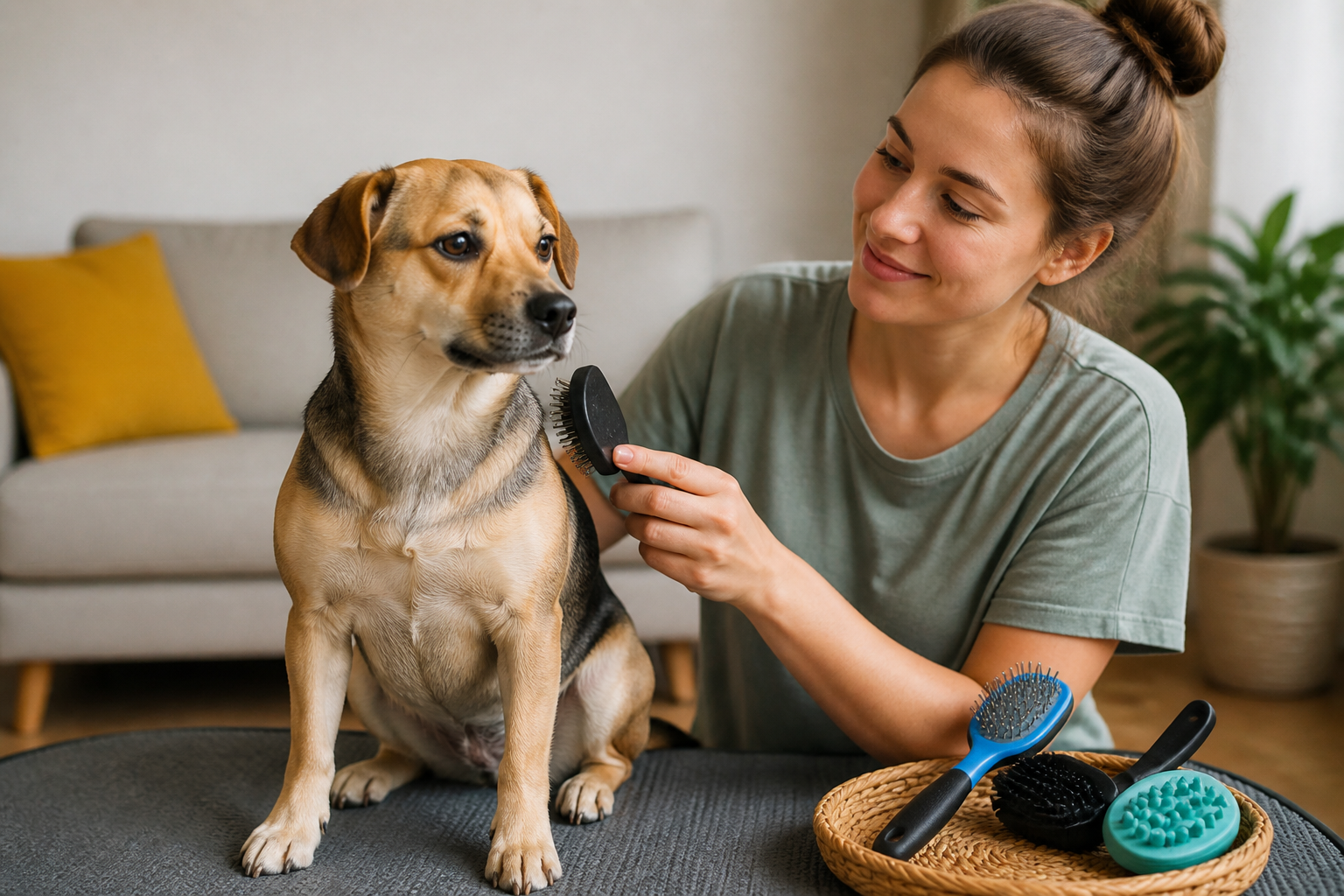
You just sat down on your sofa in a fresh pair of black trousers, only to realize you are now covered in tiny, needle-like hairs. Even though your dog has a sleek, short coat, the shedding feels constant and difficult to manage. Many owners think short hair means low maintenance, but these coats require specific tools to stay healthy and shiny without irritating the skin. At BaxterBoo, we know that the right brush does more than just stop the shedding. It cleans the skin, removes dander, and spreads natural oils that keep your pet comfortable. This guide will walk you through the specific brushes that actually work for short-coated breeds like Boxers, Beagles, and Labradors. Choosing the right tool depends on your dog's hair density and skin sensitivity.
The Myth of the Low Maintenance Short Coat
Many new pet owners choose a short-haired breed because they think they can skip the grooming salon. While you might not deal with long tangles or mats, short hair comes with its own set of challenges. These dogs often have stiff hairs that weave into fabrics and carpets like Velcro. Without regular brushing, dead hair sits against the skin. This can cause itching and trap dirt or allergens.
Short-haired dogs also rely heavily on their natural skin oils for protection. Brushing acts as a massage that pulls these oils from the base of the hair to the tips. This creates a natural barrier against the elements and gives the coat that healthy, glossy look. If you skip brushing, the coat may look dull, and your dog might develop dry, flaky skin.
Quick Answer: The best brushes for short-haired dogs are rubber curry brushes, soft bristle brushes, and grooming mitts. These tools effectively lift loose hair and distribute skin oils without scratching the dog's skin.
The Versatile Rubber Curry Brush
If you only buy one tool for a short-haired dog, make it a rubber curry brush. These brushes are usually oval-shaped with flexible rubber nubs instead of metal pins. They are a staple in our warehouse because they work on almost every short-haired breed. The rubber material creates a light static charge that attracts loose fur. Explore our dog brushes and combs to compare rubber brushes and other grooming tools.
When you use a rubber brush, you should move it in circular motions against the direction of hair growth. This lifts the dead hair out of the follicle. Then, you brush in the direction of hair growth to sweep the loose fur away. It is a gentle process that most dogs find very relaxing. It feels like a deep-tissue massage rather than a grooming chore.
Benefits for Sensitive Dogs
Many short-haired dogs have very thin skin. If you use a metal slicker brush, you might accidentally scratch them. Rubber brushes are soft and pliable. They bend around the contours of the dog's body, such as the hips and shoulders. This makes them perfect for puppies or rescue dogs who might be nervous about grooming.
Using Rubber Brushes During Bath Time
These tools are also excellent for the bathtub. You can use the rubber nubs to work shampoo deep into the coat. This helps break up stubborn dirt and oils that sit near the skin. Since the brush is made of rubber, it will not rust or degrade when wet. Using it while the coat is soapy often results in a massive amount of hair coming off in the tub rather than on your rug later.
Key Takeaway: Rubber curry brushes are the most effective tool for lifting hair while providing a soothing massage that encourages blood flow to the skin.
Soft Bristle Brushes for a Polished Finish
Once the loose hair is removed, a bristle brush provides the finishing touch. These brushes look similar to a human hairbrush but feature many tightly packed bristles. For short-haired dogs, you want a brush with soft to medium bristles. Natural bristles, like boar hair, are often better at moving oils than synthetic nylon versions. You can browse our selection of BASS Brushes products for bristle and grooming brush options.
A bristle brush is not designed to dig deep into a thick coat. Instead, it skims the surface to remove fine dander and dust. It acts like a polisher. If your dog has a very smooth, single coat like a Greyhound or a Miniature Pinscher, a soft bristle brush might be all you need for daily maintenance.
Why Bristle Density Matters
When shopping for a bristle brush, look at how close the bristles are together. Tightly packed bristles are better at picking up fine dust. If the bristles are too far apart, they will just move through the hair without catching anything. We recommend using long, sweeping strokes starting from the neck and moving toward the tail.
Improving Skin Health
Regular use of a bristle brush stimulates the sebaceous glands. These glands produce the oils that make a dog's coat shine. For dogs with skin allergies or seasonal dryness, this stimulation can be very helpful. If your dog is struggling with persistent skin issues or hair loss, it is always a good idea to consult your veterinarian for a diagnosis.
Grooming Mitts and Gloves
Grooming mitts are essentially a rubber curry brush that you wear like a glove. This is often the best choice for dogs that are afraid of traditional brushes. Since the dog just feels your hand petting them, they stay calm during the process. The palms of these gloves are covered in small rubber nodules that grab onto loose fur. For more options, see our dog grooming collection.
These mitts are particularly effective for reaching difficult areas. You can easily groom the legs, tail, and face because the glove follows the shape of your hand. For very small breeds, a grooming mitt offers more control than a large, bulky brush.
Step 1: Put on the grooming glove and ensure it fits snugly on your hand.
Step 2: Pet your dog gently in the direction of hair growth to get them comfortable.
Step 3: Apply slightly more pressure and move your hand in small circles to loosen the hair.
Step 4: Peel the collected layer of hair off the glove and discard it.
Bottom line: Grooming mitts turn a chore into a bonding session and are ideal for dogs that dislike the sight of a brush.
When to Use De-Shedding Tools
Some short-haired dogs have a surprising amount of undercoat. Breeds like Labradors and Corgis might have short hair, but they have a double coat. This means they have a soft, fuzzy layer beneath the stiff outer hairs. For these dogs, a standard rubber brush might not be enough during the heavy shedding seasons of spring and fall. For additional seasonal shedding guidance, read our tips on managing shedding and undercoats.
De-shedding tools, such as the Furminator, use a fine metal edge to reach through the topcoat and pull out the loose undercoat. These are very powerful tools. You should only use them once a week at most. If you over-use a de-shedding tool on a short-haired dog, you can cause "brush burn" or irritation because the metal edge is very close to the skin.
Safety Tips for Metal Tools
Always use a light touch with any metal grooming tool. You do not need to press down into the skin. Let the weight of the tool do the work as you glide it over the coat. If you see any redness or if your dog flinches, stop immediately. Short-haired dogs do not have much padding between their skin and their bones, so be extra careful around the spine and hips.
Vet Tip: Check your dog's skin for lumps, bumps, or unusual redness during every grooming session. If you notice persistent itching or hair loss, talk to your vet to rule out allergies or parasites.
Managing Shedding Through Nutrition
While the right brush is essential, a healthy coat starts from the inside. If your dog's hair is brittle or falling out in clumps, it could be a sign of a nutritional deficiency. High-quality food rich in Omega-3 and Omega-6 fatty acids can strengthen the hair follicles. This reduces the amount of hair that ends up on your floor. Explore our premium dog food selection when reviewing your dog's everyday nutrition.
We carry several premium food brands and supplements that support skin and coat health. If your vet recommends a specific prescription diet for skin sensitivities, our pet pharmacy can help. Our partnership with Pet's Choice allows us to provide FDA-approved prescription foods and medications directly to your door. This is a great way to manage chronic skin conditions alongside your regular grooming routine.
Creating a Successful Grooming Routine
Consistency is more important than the length of the grooming session. For most short-haired dogs, a five-minute brushing session three times a week is plenty. If you wait a month between sessions, the hair will build up, and the process will take much longer.
Make it Positive
Always end your grooming session with a high-value treat. You want your dog to see the brush and get excited. If they have a negative association with grooming, start slow. Brush for thirty seconds, give a treat, and stop. Gradually increase the time as they become more comfortable with the sensation.
Handling Seasonal Changes
Even short-haired dogs "blow" their coats twice a year. During these times, you may need to brush every single day. Using a rubber curry brush in the morning and a bristle brush in the evening can significantly reduce the amount of vacuuming you have to do.
Essential Grooming Kit for Short Hair
You do not need a massive collection of tools to keep a short-haired dog looking great. A few well-chosen items will last for years.
- A high-quality rubber curry brush for deep cleaning and massage.
- A soft bristle brush for daily polishing and oil distribution.
- A grooming wipe or damp microfiber cloth to remove surface dust.
- A pair of nail clippers designed for your dog's size.
- A mild, soap-free shampoo that won't strip natural oils.
Key Takeaway: A simple kit featuring a rubber brush and a bristle brush is the most effective way to maintain a short-haired dog's coat at home.
Addressing Skin Issues and Allergies
If you find that your dog is constantly itchy despite regular brushing, they might be dealing with environmental or food allergies. Brushing helps by removing the pollen and dust that can trigger these reactions. However, sometimes external care isn't enough.
For dogs with chronic skin issues, our pet pharmacy provides access to specialized treatments. From medicated shampoos to prescription allergy medications, we can help you manage your pet's comfort. Our partnership with Pet's Choice ensures that you receive genuine, FDA-approved products for your dog's ongoing health needs. Keeping the skin healthy from the inside and outside is the best way to ensure a beautiful coat.
Conclusion
Caring for a short-haired dog is about more than just managing the hair on your furniture. It is about maintaining the health of their largest organ: the skin. By using a rubber curry brush for massage and a bristle brush for shine, you can keep your dog comfortable and clean. Remember to keep sessions short and positive, and always watch for changes in their skin health. At BaxterBoo, we have been helping pet owners find the right tools since 2006. Whether you visit our warehouse in Vernon Hills or order online, we are here to support your grooming journey. For those who need regular supplies like shampoo or treats, our Autoship programme offers a convenient way to save while keeping your pet's kit fully stocked.
Bottom line: The best grooming routine for a short-haired dog combines the right rubber tools with consistent, positive sessions to keep shedding low and shine high.
FAQ
Do short-haired dogs really need to be brushed?
Yes, short-haired dogs need regular brushing to remove dead hair and spread natural oils. Without brushing, loose hair can trap dirt against the skin and lead to irritation or a dull coat. It also helps reduce the amount of hair that ends up on your clothes and furniture.
Can I use a slicker brush on my short-haired dog?
A slicker brush is generally not recommended for dogs with very short, thin coats. The metal pins can be too sharp and may scratch the skin. It is better to use a rubber curry brush or a soft bristle brush which are much gentler on the skin of short-haired breeds.
How often should I use a de-shedding tool on a Labrador?
For double-coated short-haired breeds like Labradors, a de-shedding tool should be used about once a week. Over-using these tools can damage the topcoat or irritate the skin. During peak shedding seasons, you can increase this slightly, but always watch for signs of skin redness.
What is the best way to get my dog to stay still during brushing?
The best approach is to use positive reinforcement and start with very short sessions. Use a grooming mitt so the dog feels like they are just being petted. Offer high-value treats during and after the session to create a happy association with the grooming tools.






