Save 15% on your 1st Autoship learn more

 Email us
 Live Chat
 FAQs
FAQs





Introduction
You are standing in the kitchen with a new container of probiotic chews. You want to help your dog with their digestion or boost their immune health. But you are stuck on one simple question. Should you give the supplement with breakfast or wait until the house is quiet at night? We hear this often at BaxterBoo from owners who want to get the most value out of their pet's wellness routine.
Timing can feel like a high stakes decision. You want to ensure those beneficial bacteria actually reach your dog's gut. This article covers the best practices for scheduling supplements and how to handle special situations like antibiotic use. We will also look at why the clock matters less than the habits you build. Finding a routine that fits your lifestyle is the real secret to supporting your dog's long term gut health.
The Case for Morning Administration
Many pet owners prefer giving probiotics first thing in the morning. There is a biological reason for this choice. A dog's stomach is generally less acidic before they have eaten a full meal. High levels of stomach acid can sometimes kill off live bacteria before they reach the small and large intestines. By giving a supplement before breakfast, you might give those microorganisms a safer passage through the digestive tract.
This early schedule also helps if you have a busy household. Getting the supplement out of the way first thing ensures you do not forget it later in the day. If your dog has a predictable morning routine, adding a probiotic chew or powder to that window makes sense. It allows the beneficial bacteria to begin working as your dog starts their active hours.
Quick Answer: Most dogs benefit from taking probiotics in the morning before their first meal. This is when stomach acid is at its lowest. However, the most important factor is giving them at the same time every day to maintain a healthy gut balance.
Why Mealtime Might Be Better for Your Dog
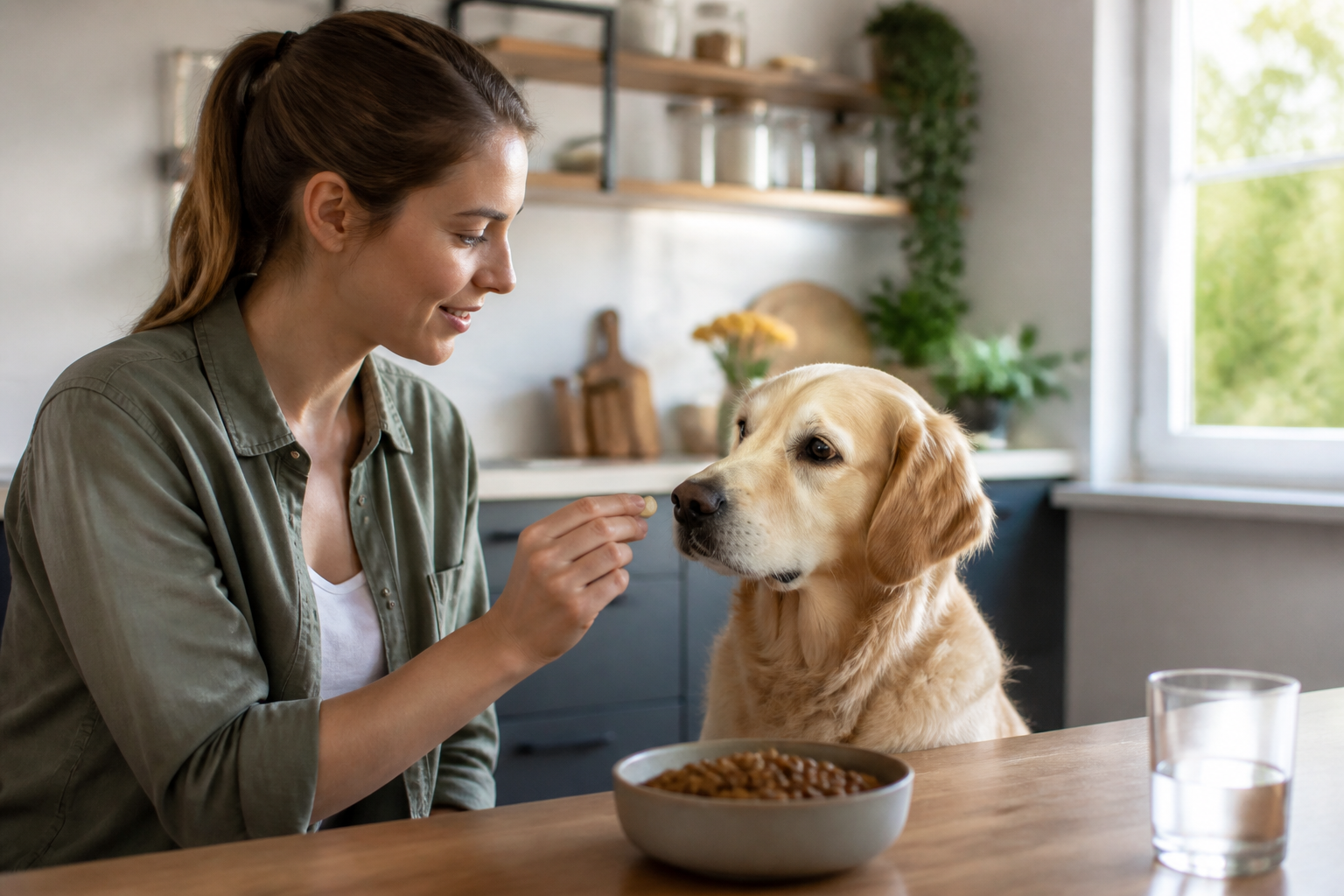
While an empty stomach has less acid, many dogs have sensitive systems. Giving a concentrated supplement without food can lead to nausea or a rumbly tummy. If your dog tends to be picky or has a history of digestive upset, mealtime is the better choice. Mixing a powder into their kibble or giving a chew right after they eat can buffer the stomach.
Most modern probiotic formulations are designed to be quite hardy. Manufacturers often use strains that can survive the digestive process even when food is present. If your product label specifically says to give it with a meal, you should follow those instructions. The researchers who developed the product tested it under those specific conditions.
- Check the label for "with food" instructions.
- Use a small amount of wet food to hide powders.
- Monitor your dog for signs of nausea if given on an empty stomach.
- Stick to the same meal every day for consistency.
For more options, browse our dog digestive health supplements.
The Importance of Routine and Consistency
If you find yourself constantly switching between morning and night, you may be working against the supplement. Probiotics work by colonizing the gut with beneficial bacteria. This is not a one-time fix like a headache medication. It is more like tending a garden. You need to provide a steady supply of new "seeds" to keep the environment healthy.
When you miss doses or change the timing constantly, the levels of good bacteria can fluctuate. This makes it harder to see the benefits you are looking for. Whether you want to improve stool quality or support the immune system, a steady schedule is your best tool. Pick a time that you can commit to every single day without fail.
Key Takeaway: Consistency is more important than the specific hour on the clock. Choose a time that fits your daily habits so you never miss a dose.
For broader wellness ideas, read our guide to pet supplements by life stage.
Timing Probiotics with Antibiotic Treatments
Antibiotics are lifesavers, but they do not discriminate. They kill the bad bacteria causing an infection, but they also wipe out the good bacteria in the gut. This is why many dogs develop diarrhea while taking antibiotics. You can use probiotics to help support the gut during this time. However, the timing becomes much more critical.
If you give a probiotic at the same exact time as an antibiotic, the medication will likely kill the supplement's beneficial bacteria immediately. This wastes your money and does nothing for your dog. You must create a window of time between the two.
Step 1: Administer the antibiotic as prescribed by your veterinarian. / This medication needs to work on the infection first. Step 2: Wait at least two hours. / This allows the antibiotic to move through the initial stages of digestion. Step 3: Give the probiotic supplement. / This helps replenish the gut flora after the medication has passed through.
Vet Tip: Always consult your veterinarian before starting supplements if your dog is on prescription medication. They can provide a specific schedule that ensures your dog gets the full benefit of both the antibiotic and the probiotic.
Choosing the Right Form for Your Schedule
The type of probiotic you choose often dictates when it is easiest to give. We carry a wide variety of forms at BaxterBoo to suit different lifestyles. Each one has its own pros and cons when it comes to daily timing.
Probiotic Soft Chews
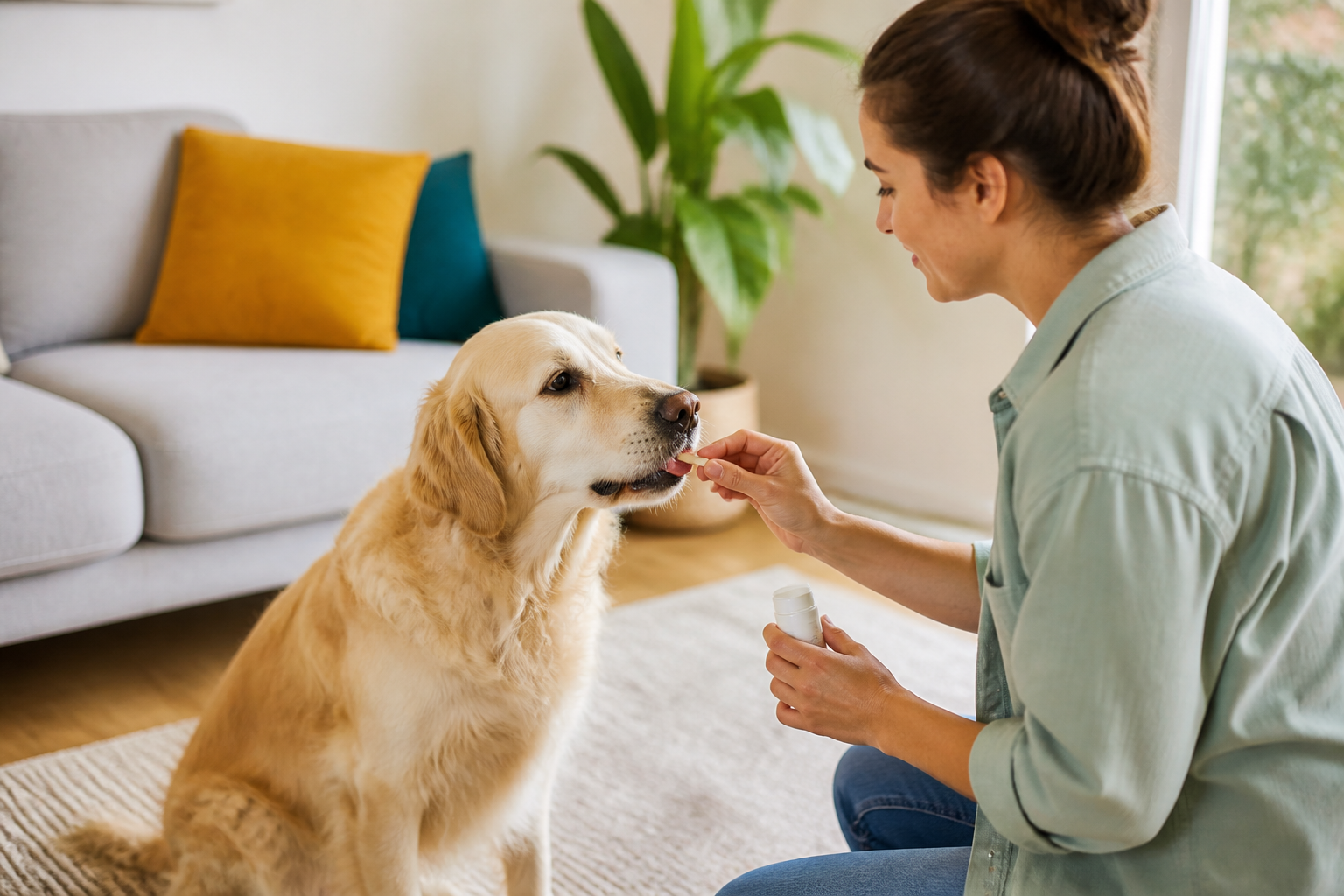
These are often the easiest to manage. Most dogs view them as a treat. You can give these at any time of day. They are great for training sessions or as a "bedtime snack." Since they are tasty, you do not have to worry about hiding them in food.
Powders and Liquids
These forms are almost always tied to mealtime. You sprinkle them over kibble or mix them into wet food. If your dog is a "grazer" who takes all day to eat their food, powders might not be the best choice. The bacteria can lose viability if left sitting out in a bowl for hours. These work best for dogs who eat their entire meal in one sitting.
Capsules
Capsules can be given with a pill pocket or tucked into a piece of cheese. Some owners prefer capsules because they protect the contents from light and air until the moment of use. If your dog is difficult to pill, you can often open the capsule and sprinkle it on food. Just make sure the food is not hot, as high heat can kill the live cultures.
For more guidance on choosing a delivery method, read our comparison of chews, powders, and oils.
Storage and Quality Concerns
Timing and scheduling do not matter if the bacteria in your supplement are already dead. Probiotics are living organisms. They are sensitive to heat, light, and moisture. Always read the storage instructions on your specific product. Some require refrigeration to stay active. Others use "spore forming" bacteria like Bacillus coagulans that are shelf-stable at room temperature.
If you leave a bottle of probiotics in a hot car or on a sunny windowsill, the quality will drop quickly. Keep your supplements in a cool, dry place. If you are using a refrigerated version, do not leave it on the counter during a long morning routine. Take out the dose and put the bottle back immediately.
Bottom line: A high-quality probiotic is only effective if the live cultures are preserved through proper storage and handling.
What to Expect When You Start
When you first introduce a probiotic, you might notice some changes in your dog. This is normal. As the gut environment shifts, some dogs experience a brief period of gas or slightly softer stools. This usually clears up within a few days. If these symptoms last longer than a week or if your dog seems in pain, you should stop the supplement and call your vet.
It often takes two to four weeks of consistent daily use to see real results. You might notice that your dog's stools are more firm or that they have less flatulence. Some owners also report improvements in skin and coat health over time.
- Start with a half dose for the first three days.
- Watch for signs of increased gas or bloating.
- Keep a simple log of stool consistency to track progress.
- Stay the course for at least a month before deciding if it works.
When Timing Becomes Critical
There are specific moments in a dog's life when you should pay extra attention to their probiotic schedule. Stressful events can wreak havoc on the gut. If you know a change is coming, you can be proactive.
If you are planning to board your dog or move to a new home, start a daily probiotic routine at least one week in advance. This gives the beneficial bacteria time to establish a strong presence before the stress begins. Maintain the routine throughout the event and for at least a week afterward.
For tips on maintaining your dog's routine during a move, read our guide to helping your dog transition during a move.
For senior dogs or those with chronic digestive issues, timing might be part of a larger medical plan. If your vet has prescribed a specific therapeutic diet or medication, our pharmacy can help with prescription diets and medications that work alongside your wellness routine.
Common Myths About Probiotic Timing
There is a lot of misinformation about when and how to give these supplements. One common myth is that you can give your dog human yogurt instead of a dedicated pet probiotic. While plain yogurt has some benefits, it often lacks the specific strains dogs need. It also contains dairy, which many dogs cannot digest well.
Another myth is that you should only give probiotics when your dog has diarrhea. While they are great for recovery, they are even better as a preventative tool. Giving them daily helps maintain a strong intestinal barrier. This can make your dog more resilient to minor bugs they might pick up while scavenging in the yard.
Key Takeaway: Pet-specific probiotics are formulated for the unique pH levels and bacterial needs of the canine gut.
You can explore our probiotic and digestive support collection when comparing pet-specific options.
Building a Success Schedule
To make things easier, we recommend creating a "pet station" in your home. Keep your dog's food, bowls, and supplements in one place. If the probiotics are hidden in a distant cupboard, you are more likely to forget them.
If you use our Autoship programme, you can ensure you never run out of your preferred brand. This prevents those annoying gaps in the schedule that can reset your dog's gut progress. Plus, it saves you money and grants you a free MVP Gold membership.
Step 1: Choose a form your dog loves. / Soft chews are usually the most convenient. Step 2: Link the dose to a daily habit. / Give it right after the morning walk or when you feed breakfast. Step 3: Track the results. / Note any changes in energy, skin, or digestion over the first month.
Conclusion
Finding the right time of day to give your dog probiotics does not have to be complicated. While morning is often ideal due to lower stomach acid, consistency is the true key to success. Whether you choose breakfast time or a quiet evening treat, staying on a regular schedule allows the beneficial bacteria to support your dog's gut health effectively. Remember to always space probiotics away from antibiotics and follow the storage instructions on the label.
If you are dealing with chronic digestive issues or ongoing health concerns, we recommend consulting your veterinarian for a tailored plan. They can help you decide if a prescription diet or a specific medical probiotic is necessary. For all your daily supplement needs, you can explore our dog healthcare category. Keeping your dog's gut in balance is one of the best ways to support their overall happiness and longevity.
Bottom line: Pick a repeatable daily moment, stick to it, and prioritize quality products to see the best results for your dog.
FAQ
Can I give my dog probiotics at night?
Yes, you can give your dog probiotics at night if that fits your schedule better. While some prefer the morning for lower acid levels, the most important thing is that the supplement is given consistently every day. If your dog is more likely to accept a treat at night, or if you are more likely to remember it then, the evening is a perfectly fine choice.
Is it okay to give probiotics on an empty stomach?
It depends on your dog's individual sensitivity and the product label. Many probiotics are more effective on an empty stomach because they can pass through to the intestines more quickly. However, if your dog has a sensitive stomach and vomits or seems nauseous, you should switch to giving the supplement with a meal.
How long do probiotics take to work?
You may see some minor improvements in stool quality within the first week. However, for deeper benefits like immune support or skin health, it typically takes three to four weeks of daily use. It takes time for the new bacteria to colonize the gut and create a meaningful change in the microbiome.
What should I do if I miss a dose?
If you miss a dose, simply give it when you remember, unless it is almost time for the next scheduled dose. If you are very close to the next dose, just skip the missed one and resume your normal schedule. Do not double up on doses to make up for a missed one, as a sudden large amount of bacteria could cause temporary gas or bloating.