
 Save 15% on your 1st Autoship learn more

 Email us
 Live Chat
 FAQs





Introduction
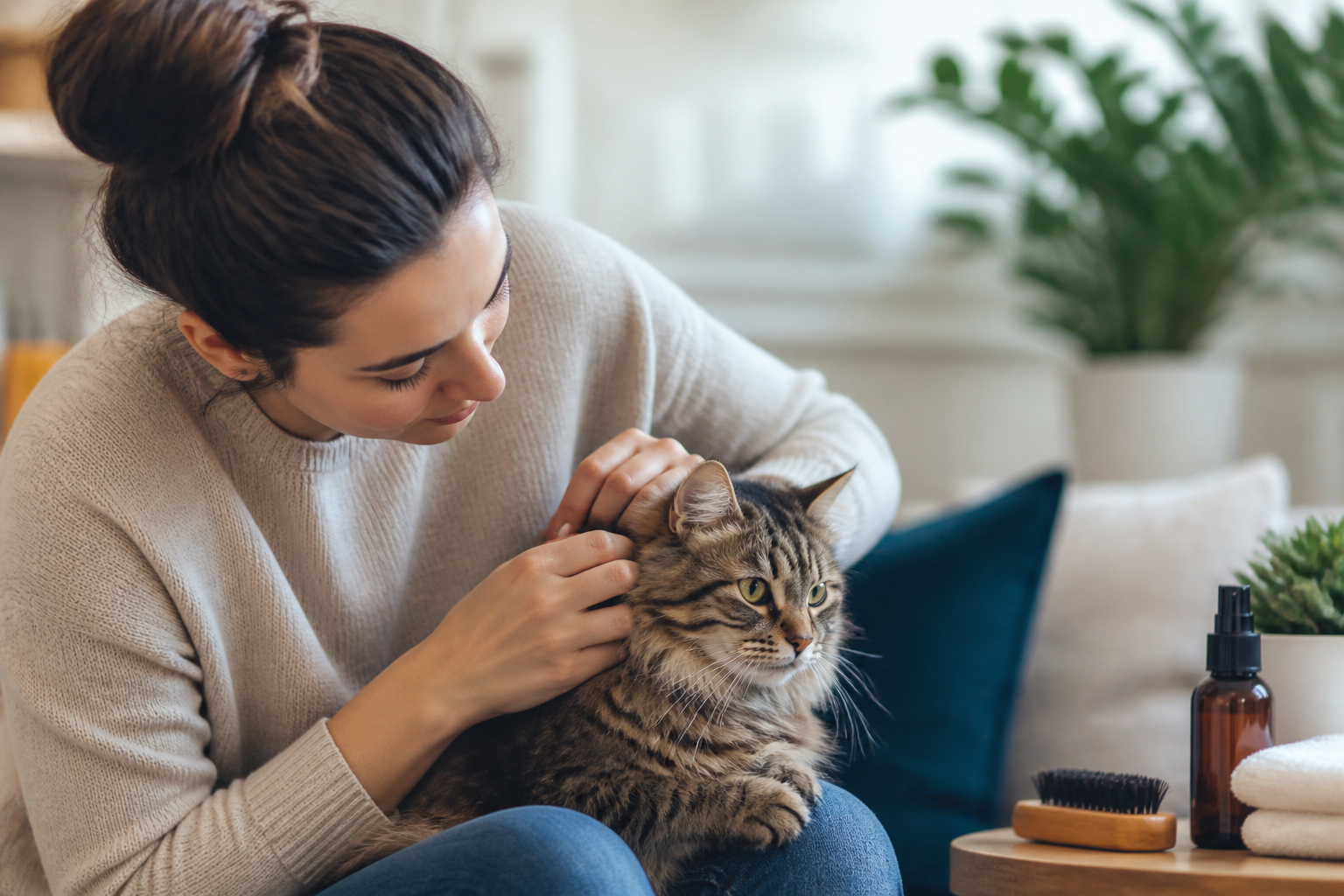
You are petting your cat and notice a sprinkling of white flakes across their glossy fur. It often looks like a dusting of salt or tiny bits of paper near the base of the tail. While it might seem like a small cosmetic issue, flaky skin usually tells a story about your cat's internal health or environment. At BaxterBoo, we know that seeing these flakes can be worrying for any dedicated pet owner. This guide explains why these flakes appear and how you can help your cat find relief. We will cover everything from simple grooming changes to when you need to call the veterinarian for a professional checkup. Understanding the root cause is the first step toward restoring that soft, silky coat your cat deserves.
Quick Answer: Cat dandruff is a symptom of dead skin cells shedding excessively due to dry air, poor grooming, or underlying health issues. You can often manage mild cases with regular brushing and better hydration. Persistent or severe flakes require a vet visit to rule out parasites or medical conditions.
Understanding Cat Dandruff vs. Dander
Many owners use the terms dander and dandruff interchangeably. However, they are quite different in the world of feline health. Dander is a normal and healthy part of a cat's life. It consists of microscopic skin cells that shed naturally. Every cat has dander, even if you never see it. It is also the primary carrier of the Fel d 1 protein, which is what triggers allergies in humans.
Dandruff is different because it is visible to the naked eye. These are larger clumps of skin cells that have dried out and flaked off. While a few tiny flakes might happen occasionally, a coat covered in white specks is not normal. It suggests that the skin's natural renewal process is out of balance.
Identifying the Flakes
When you look at your cat’s coat, take note of what you see.
- White flakes: This is typical dandruff, often caused by dry skin.
- Black specks: This might not be dandruff at all. It is often "flea dirt," which is actually flea waste.
- Walking flakes: If the white flakes seem to move, your cat may have a specific type of mite called Cheyletiella.
Key Takeaway: Dander is microscopic and normal for all cats. Dandruff consists of visible flakes and usually indicates an underlying issue with skin health or grooming.
Cat Skin & Coat Care








Common Causes of Feline Dandruff
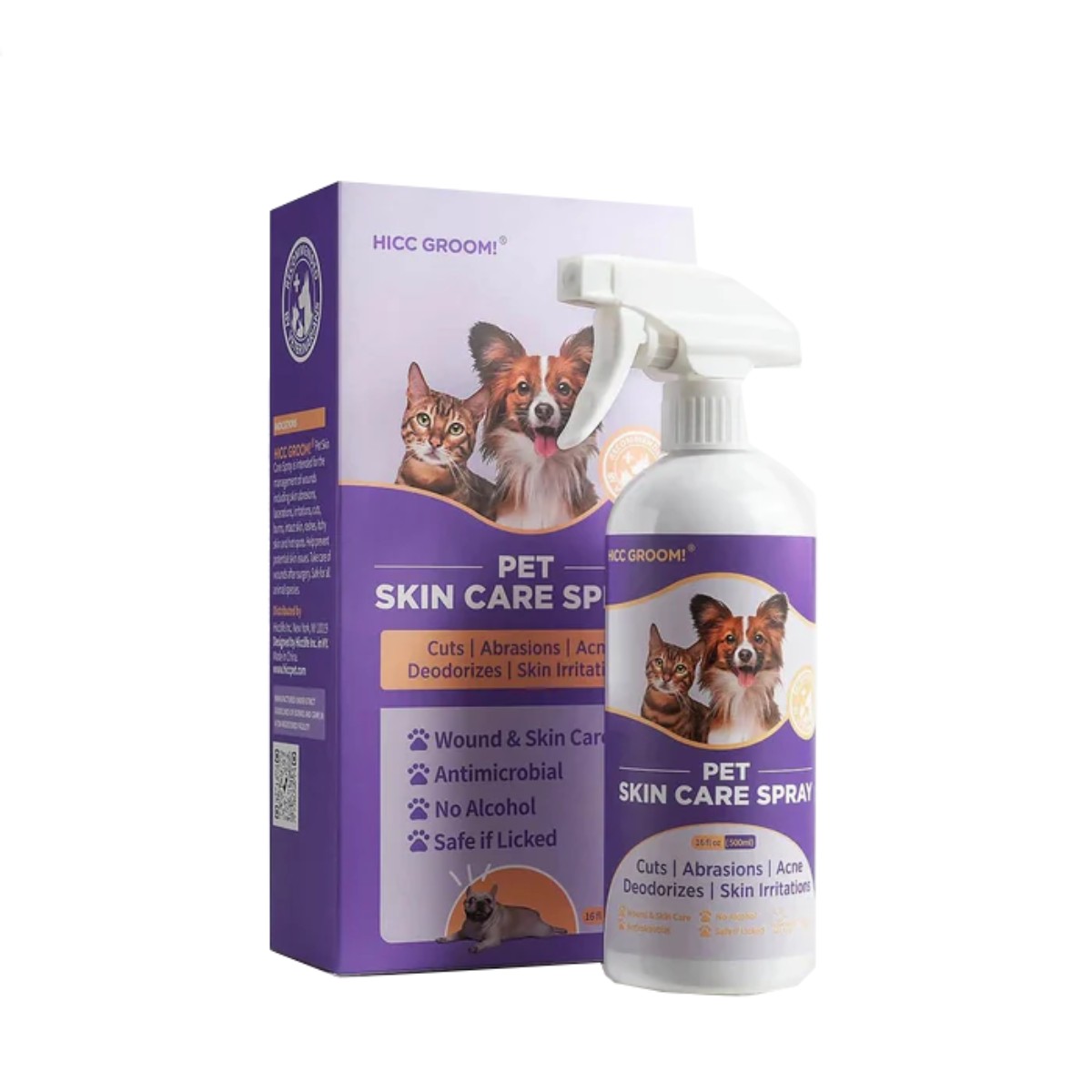
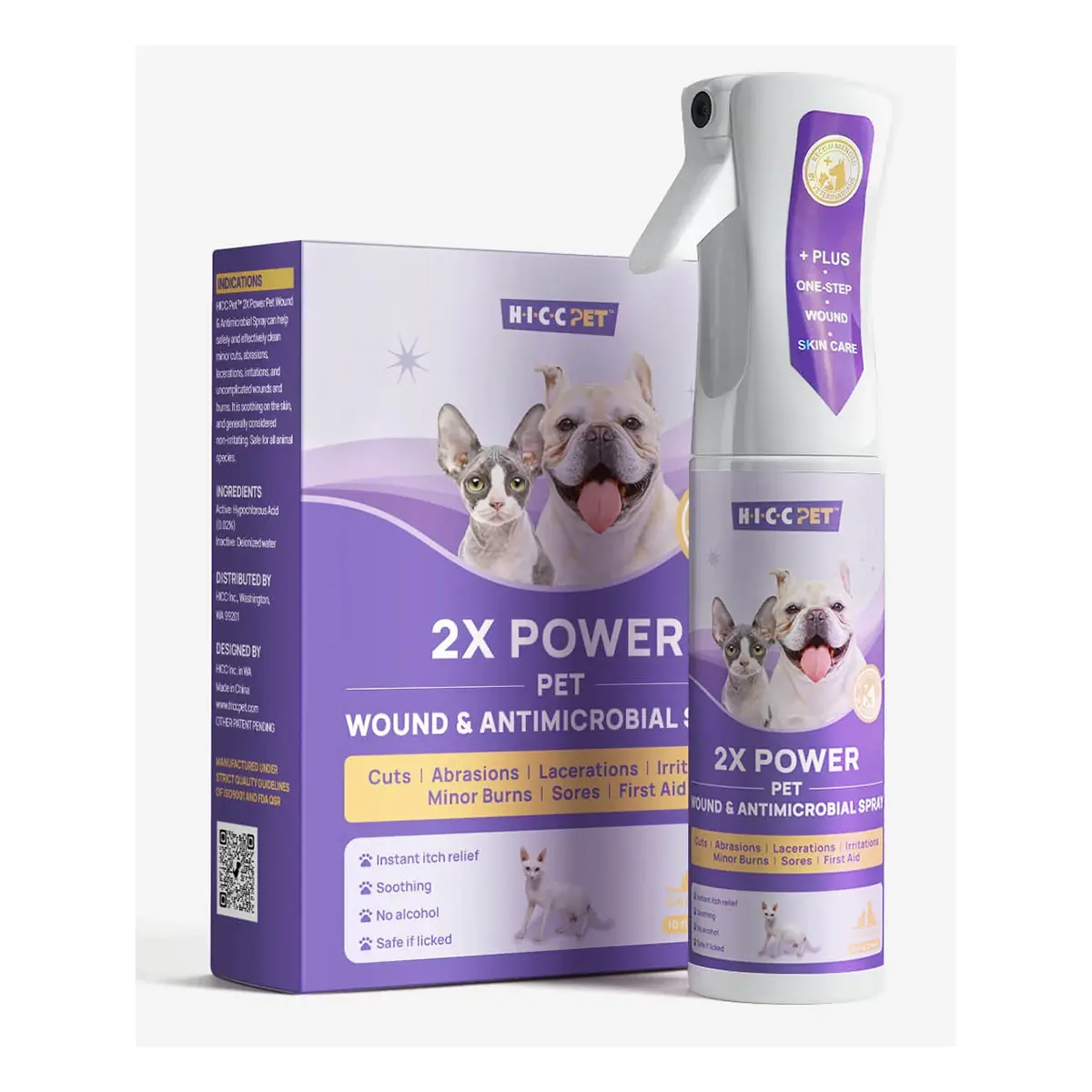
Finding the cause of the flakes is the most important part of the process. Several factors can lead to a dry, flaky coat. Some are simple environmental fixes, while others involve your cat’s internal health.
Environmental Factors and Humidity
Low humidity is one of the most common reasons for dry skin. This is especially true during the winter months in the United States. When the heater runs constantly, it pulls moisture out of the air. This dries out your cat's skin, leading to itching and flaking.
Nutritional Deficiencies
A cat’s skin and coat require specific nutrients to stay healthy. Omega-3 and Omega-6 fatty acids are essential for maintaining the skin's moisture barrier. If a cat is eating a low-quality diet, they may not be getting enough of these healthy fats. This results in a dull, brittle coat and flaky skin.
Issues with Self-Grooming
Cats are famous for their grooming habits. They spend a large portion of their day cleaning themselves. If a cat stops grooming, dead skin cells and loose hair build up. This buildup eventually flakes off as dandruff. There are two main reasons a cat might stop grooming:
- Obesity: If a cat is overweight, they simply cannot reach certain areas. You will often see dandruff accumulate on the lower back and near the tail.
- Arthritis: Senior cats often suffer from joint pain. Bending and twisting to groom the back or hindquarters becomes painful. As a result, those areas become flaky and matted.
Parasites and Infections
External parasites like fleas and mites are a major cause of skin irritation. Fleas cause cats to scratch excessively, which damages the skin and creates flakes. There is also a condition known as "walking dandruff." This is caused by the Cheyletiella mite. These mites are large enough to be seen with a magnifying glass. They look like moving white specks in the fur.
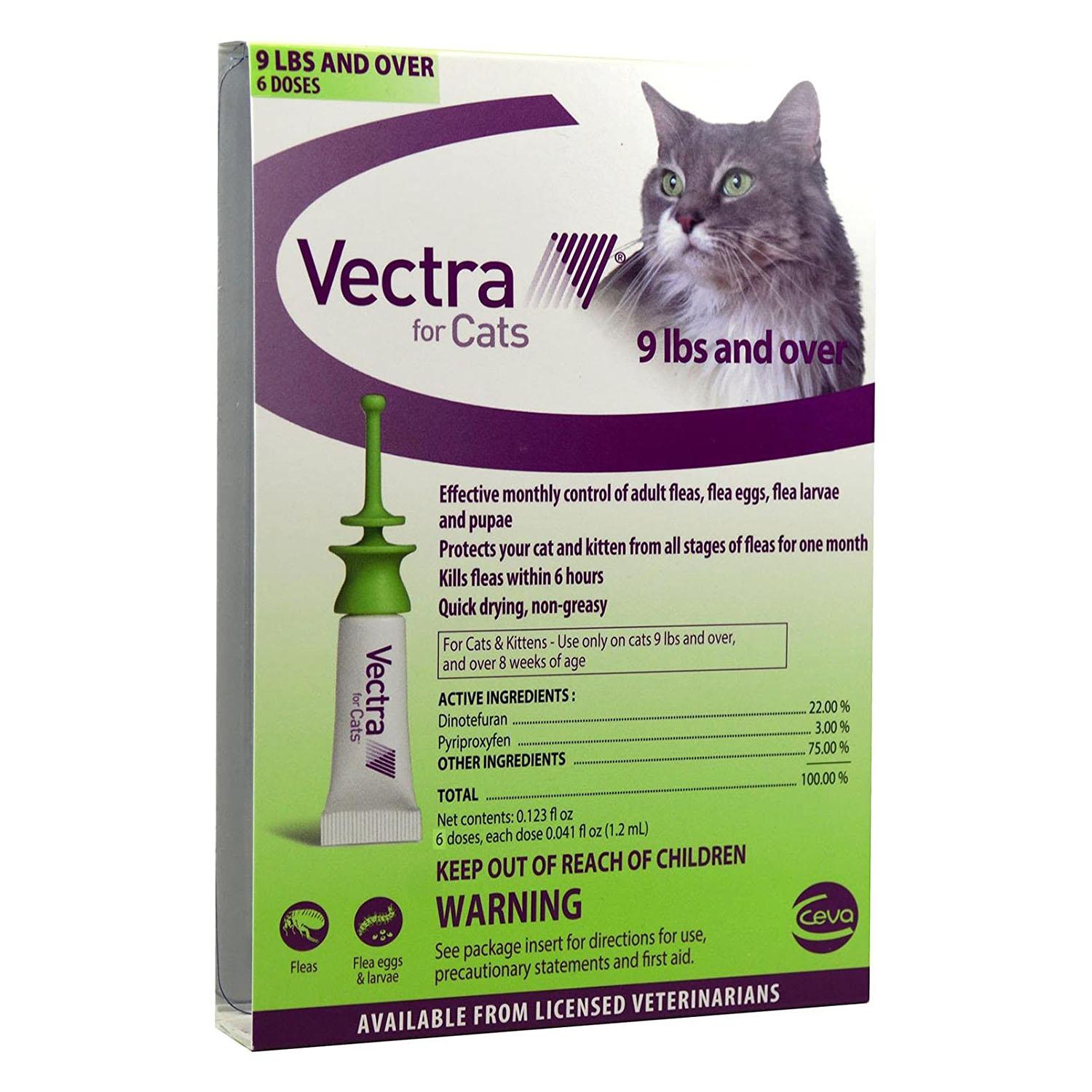
For more information about parasite prevention options, explore our cat flea and tick collection.
When the Flakes Signal a Health Problem
Sometimes dandruff is more than just dry skin. It can be a symptom of a systemic health condition.
Allergies
Cats can suffer from food allergies or environmental allergies. Just like humans, they can react to pollen, dust, or specific proteins in their food. These reactions often manifest as skin inflammation, redness, and dandruff.
Endocrine Disorders
Conditions like hyperthyroidism and diabetes can change the quality of a cat’s skin. These diseases affect the body's metabolism. This often leads to a greasy or very dry coat. If you notice your cat is also drinking more water or losing weight, the dandruff might be a sign of one of these conditions.
Fungal Infections
Ringworm is a common fungal infection in cats. It usually causes circular patches of hair loss. However, it can also present as scaly, flaky skin. Ringworm is zoonotic, meaning it can spread to humans and other pets.
Vet Tip: If your cat has dandruff accompanied by hair loss, sores, or intense itching, schedule a vet visit. These symptoms often point to infections or parasites that require prescription treatment rather than home remedies.
Practical Steps to Manage Dandruff at Home
If your cat's dandruff is mild and they are otherwise acting normally, you can try several home strategies. Most of these focus on hydration and skin support.
Improve Humidity and Environment
If you live in a dry climate or use central heating, the air is likely too dry for your cat's skin.
- Use a humidifier: Place a humidifier in the room where your cat spends the most time.
- Hydrate from the inside: Encourage your cat to drink more water.
- Use a water fountain: Many cats prefer running water over a still bowl.
Transition to Better Nutrition
Diet is the foundation of skin health. We carry many premium brands like Open Farm, Stella and Chewy's, and Farmina that prioritize high-quality proteins and healthy fats. You can compare moisture-rich options in our cat food category.
- Add wet food: Kibble is very low in moisture. Adding wet food to your cat’s routine increases their overall hydration.
- Look for Omega fatty acids: Check your cat's food label for fish oils or flaxseed.
- Avoid fillers: High-carbohydrate fillers can sometimes contribute to poor skin quality.
For additional guidance on moisture-rich diets, read our article about sensitive-stomach cat food choices.
Implement a Grooming Routine
If your cat is struggling to groom themselves, you must step in. Regular brushing does more than just remove flakes. It stimulates the skin and helps distribute natural oils across the coat.
Step 1: Choose the right tool. / Use a soft-bristled brush for short-haired cats or a metal comb for long-haired cats. Step 2: Brush gently in the direction of hair growth. / Start with short sessions to help your cat get used to the feeling. Step 3: Focus on hard-to-reach areas. / Pay extra attention to the lower back and the base of the tail where flakes usually gather. Step 4: Wipe the coat. / Use a damp, cat-safe grooming wipe to lift away loose flakes after brushing.
Bottom line: Regular brushing and increased moisture in the diet are the most effective ways to manage mild feline dandruff.
Supplements for Skin and Coat Health
Sometimes a good diet needs a little boost. Skin and coat supplements are designed to provide concentrated doses of essential nutrients.
Omega-3 Fatty Acids
Fish oil is the most common supplement for cat dandruff. It contains EPA and DHA, which help reduce skin inflammation. These oils strengthen the skin's barrier, making it harder for moisture to escape. We offer several options from brands like Zesty Paws and Honest Paws that are easy to mix into your cat's food.
You can browse skin-support options in our cat healthcare category.
Probiotics
There is a strong connection between gut health and skin health. If your cat's digestive system is out of balance, it can show up on their skin. Probiotic supplements help maintain a healthy microbiome, which can improve overall skin immunity.
The Role of Professional Medical Care
When home remedies are not enough, you need professional help. If your cat’s skin is red, or if they are scratching until they bleed, a veterinarian must intervene.
Prescription Diets
For cats with severe allergies or weight issues, a standard retail food might not work. Our pharmacy offers prescription pet foods through our partnership with Pet's Choice. These diets are formulated to address specific medical needs. For example, some prescription diets use hydrolyzed proteins. These are broken down so small that the cat's immune system does not recognize them as allergens. This can stop skin flaking caused by food sensitivities.
For prescription medications and veterinary diets, visit our cat pharmacy.
Managing Parasites
Flea and tick prevention is non-negotiable for cats with dandruff. Even indoor cats can get fleas brought in on your clothes. We carry a wide range of preventives like Frontline and NexGard. Our pharmacy also provides FDA-approved medications that require a prescription from your vet. Keeping your cat on a year-round preventive is the best way to ensure parasites do not cause skin issues.
For a closer look at prevention options, read our guide to flea and tick products.
Treating Underlying Disease
If the dandruff is caused by hyperthyroidism or diabetes, the flakes will not go away until the disease is managed. This usually requires daily medication. Through the BaxterBoo pharmacy and Pet's Choice, you can have these chronic medications delivered right to your door. This makes it easier to stay consistent with your cat’s health plan.
Bottom line: Medical causes of dandruff require a professional diagnosis and often prescription-strength solutions from a pharmacy.
Bathing a Cat with Dandruff
A common question owners ask is whether they should bathe their cat to get rid of the flakes. In most cases, the answer is no. Most cats find baths extremely stressful. Stress can actually make skin conditions worse. Additionally, frequent bathing can strip the skin of its natural oils, leading to even more dandruff.
However, if your cat has a fungal infection or a very greasy coat, your vet might recommend a medicated shampoo.
- Use cat-specific products: Never use human dandruff shampoo on a cat. These products often contain ingredients like zinc or coal tar that are toxic to felines.
- Be gentle: Use lukewarm water and ensure you rinse every trace of soap out of the fur. Leftover soap residue will dry on the skin and cause more flaking.
- Dry thoroughly: A wet cat can get chilled quickly. Use a warm towel and keep them in a draft-free room until they are fully dry.
Summary of Next Steps
Dealing with cat dandruff is usually a process of elimination. Start with the simplest fixes and work your way up to medical interventions.
- Check for fleas and ensure your cat is on a high-quality preventive.
- Increase the humidity in your home during dry months.
- Add moisture to your cat's diet through wet food or a water fountain.
- Brush your cat daily to help distribute skin oils and remove dead hair.
- Consult your veterinarian if you see redness, hair loss, or behavior changes.
BaxterBoo has been helping pet owners since 2006, and we have seen thousands of cats return to having healthy, flake-free coats. Whether you need a better brush, a specialized supplement, or a prescription diet through our pharmacy, we are here to support your cat's wellness journey.
Key Takeaway: Feline dandruff is a manageable symptom. By combining good grooming, proper nutrition, and veterinary guidance, you can restore your cat's skin health.
FAQ
Why does my cat have white flakes on their back?
The lower back and base of the tail are the most common spots for dandruff because they are the hardest areas for a cat to reach. If a cat is overweight or has arthritis, they cannot groom these spots effectively. This leads to a buildup of dead skin cells and natural oils that eventually turn into visible white flakes.
Can I use human dandruff shampoo on my cat?
No, you should never use human dandruff shampoos on your cat. Many of these products contain chemicals like salicylic acid or zinc pyrithione which are toxic if the cat licks them off their fur. Cats also have a different skin pH than humans, so these shampoos can cause severe irritation or chemical burns.
Is cat dandruff a sign of fleas?
Dandruff can be a sign of fleas, but it is not the same thing. Fleas cause a cat to scratch and bite at their skin, which creates flakes and irritation. You may also see "flea dirt," which looks like black pepper. If your cat has white flakes and is scratching excessively, a flea infestation is a very likely cause.
How can I get rid of cat dandruff fast?
The fastest way to see improvement is to start a daily grooming routine and increase your cat’s hydration. Brushing removes existing flakes immediately and stimulates oil production. Switching to a high-quality wet food or adding a fish oil supplement can show results in the skin's texture within a few weeks. If the dandruff is caused by parasites, a fast-acting flea treatment will provide the quickest relief.






- Site & Contents BaxterBoo.com. BaxterBoo is located in the United States.
- Privacy & Security
- Terms of Use
- Accessibility Statement
