
 Save 15% on your 1st Autoship learn more

 Email us
 Live Chat
 FAQs





Introduction
You are petting your cat and notice a dusting of white flakes along their lower back. This sight can be a bit of a shock for any pet owner who takes pride in their cat's glossy coat. While a few flakes might seem like a simple cosmetic issue, they often tell a story about your cat's internal health or environment. At BaxterBoo, we know that healthy skin is the foundation of a happy pet. This guide will walk you through the common causes of feline flaky skin, how to distinguish it from other issues, and the best ways to restore that silky shine. Whether the cause is a dry winter or a more complex health concern, understanding the right steps can make all the difference. Feline dandruff is usually a manageable symptom of an underlying need that requires your attention.
Quick Answer: Cat dandruff is the visible shedding of dead skin cells that often points to dry skin, poor grooming, or health issues. To manage it, you should increase brushing, improve nutrition with omega fatty acids, and consult a veterinarian to rule out parasites or medical conditions.
Understanding Feline Dandruff
Feline dandruff occurs when the skin's moisture barrier is compromised or when skin cells turn over too quickly. These visible white or grey flakes are more than just a nuisance. They are often a signal that your cat's skin is struggling to stay hydrated or healthy.
Many owners confuse dandruff with dander, but they are not the same thing. Dander consists of microscopic skin cells that every healthy cat sheds. You cannot see dander with the naked eye. Dandruff is much larger and clearly visible against the fur, especially on darker cats.
You might also see flakes that look like pepper or salt. If the specks are black, this is likely flea dirt rather than dandruff. Flea dirt is actually parasite waste. If you see white flakes that seem to move, your cat may have a specific parasite known as walking dandruff. Identifying the type of flake is the first step in finding the right solution.
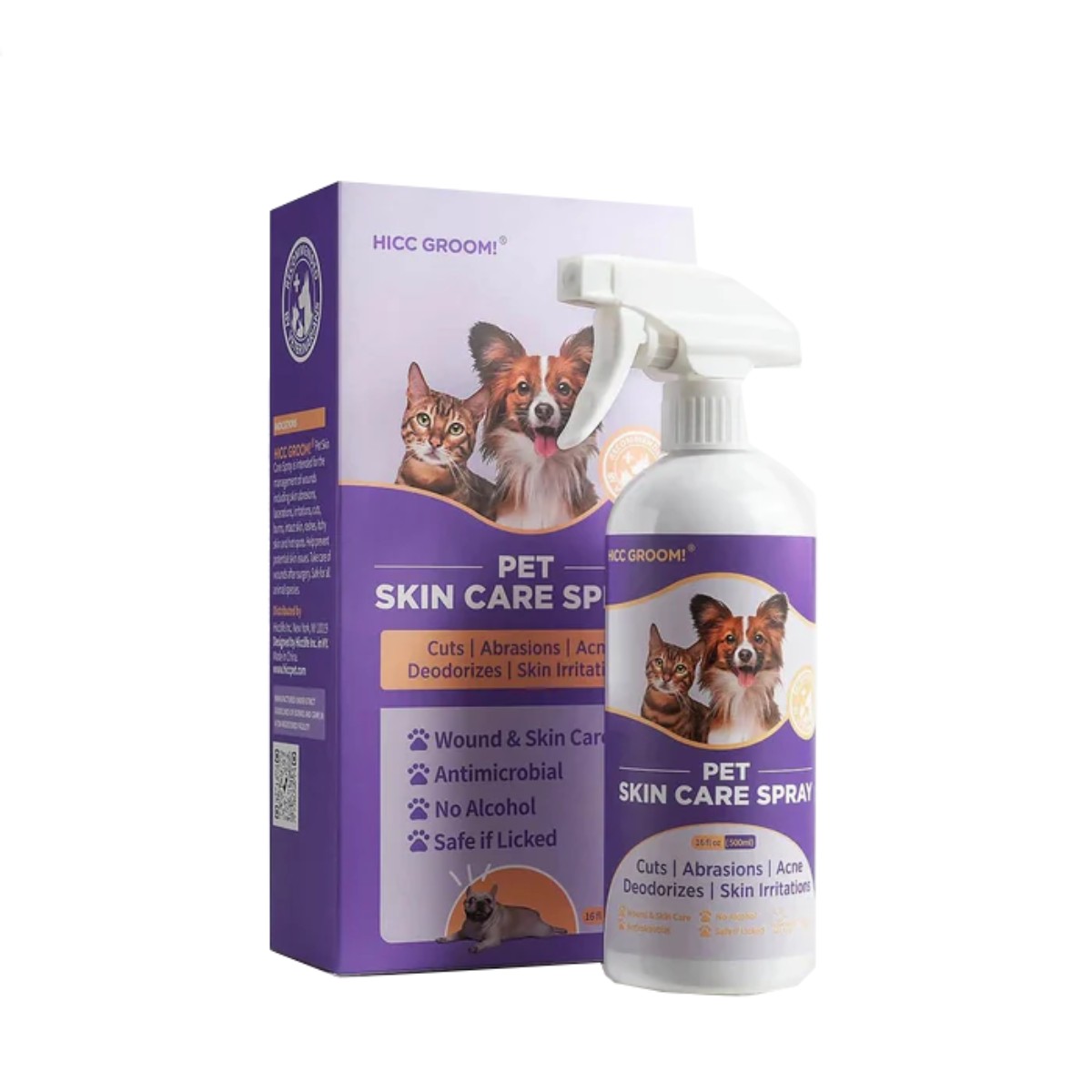
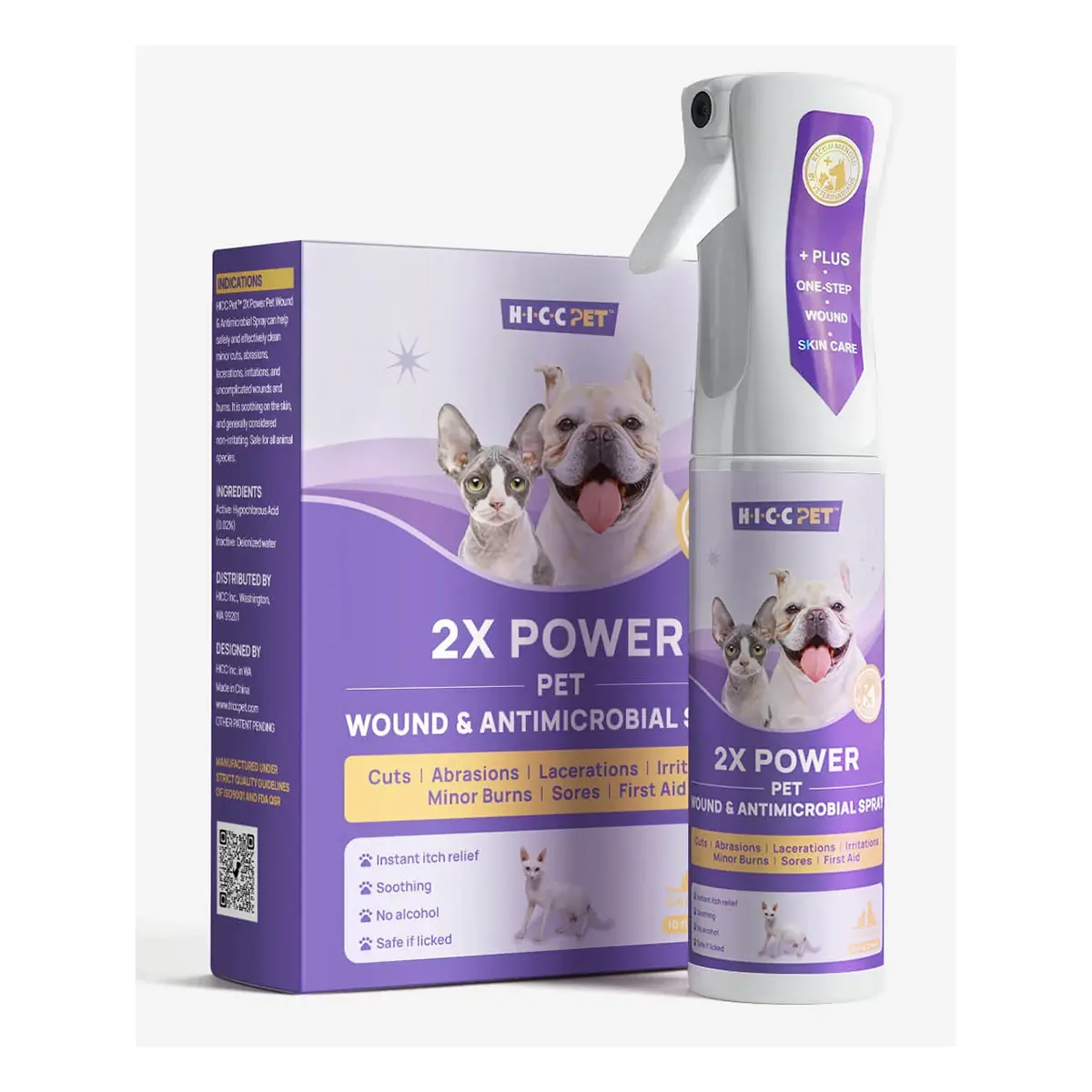
Cat Skin & Coat Care








Common Causes of Flaky Skin
There is rarely just one reason for skin flakes. Most of the time, dandruff is a symptom of an environmental factor or a lifestyle habit.
Environmental Humidity
Low humidity is one of the most common culprits. During the winter months, indoor heating systems strip moisture from the air. This causes your cat's skin to dry out rapidly. This is especially common in cats that spend a lot of time near heat vents or fireplaces.
Grooming Difficulties
Cats are famously fastidious about their hygiene. A healthy cat will usually lick away dead skin cells before you ever notice them. If you start seeing a buildup of flakes, it often means your cat has stopped grooming effectively. This can happen for several reasons:
- Obesity: If a cat is overweight, they physically cannot reach their lower back or the base of their tail.
- Arthritis: Senior cats may find the twisting and reaching required for grooming to be painful.
- Dental Pain: If a cat has a sore tooth or gum disease, the act of licking their fur can become uncomfortable.
If your cat needs help maintaining their coat, explore our cat grooming supplies.
Nutritional Gaps
Skin health starts from the inside. If a cat's diet lacks essential fatty acids, their skin will become dry and brittle. Omega-3 and Omega-6 fatty acids are crucial for maintaining the skin's lipid barrier. Without these, moisture escapes, and skin cells die off and flake away prematurely.
Key Takeaway: Feline dandruff is a symptom of an underlying issue rather than a standalone disease. Identifying whether the cause is environmental, physical, or nutritional is the key to effective treatment.
The Role of Parasites and Infections
Sometimes, those white flakes are not just dry skin. Certain parasites can mimic the appearance of dandruff or cause enough irritation that the skin begins to flake.
Walking Dandruff (Cheyletiella Mites)
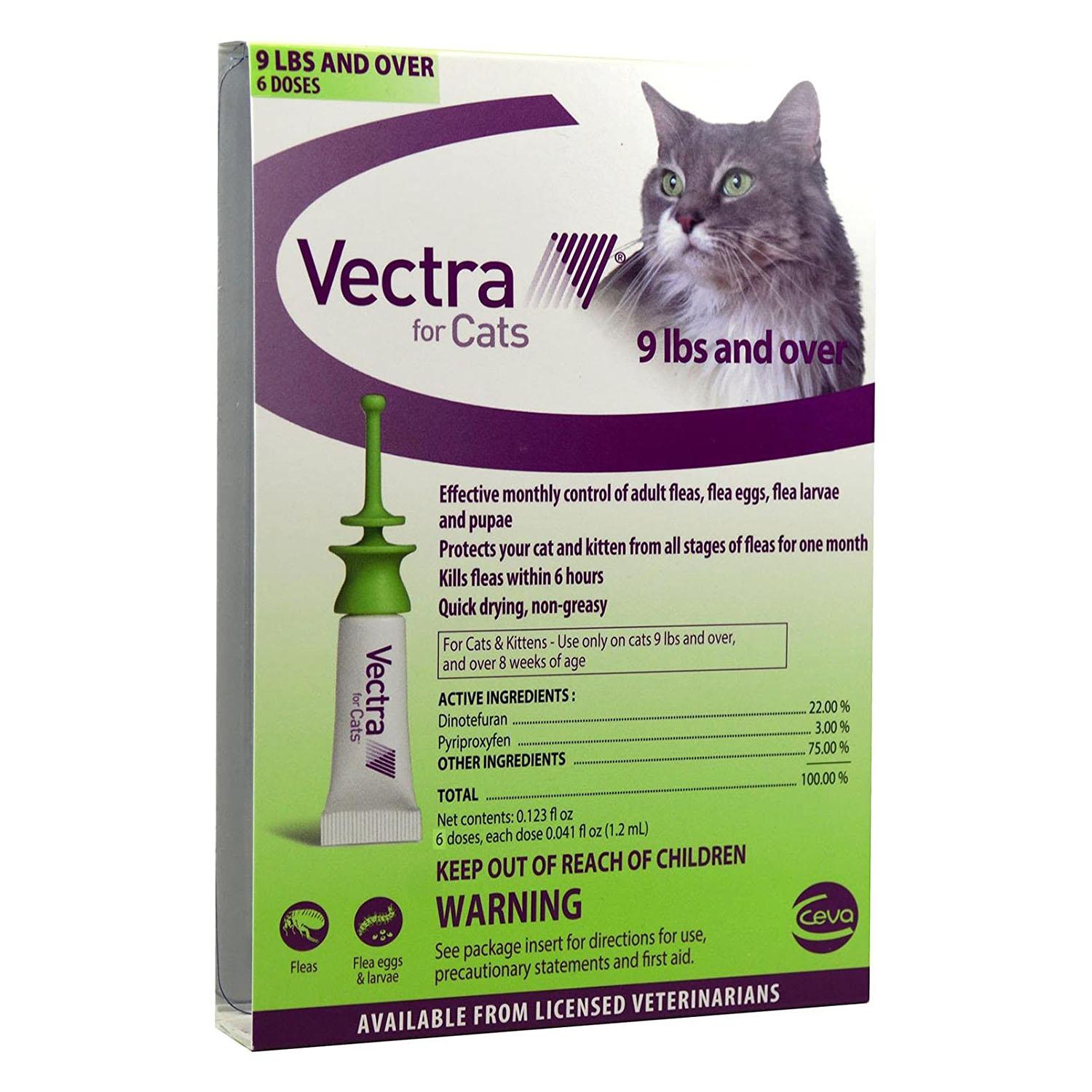
This is a specific type of mite that looks remarkably like skin flakes. These mites are highly contagious and can even spread to humans. If you look closely and see the flakes "walking" across the fur, your cat needs immediate veterinary attention. Our pharmacy carries a variety of cat flea and tick preventives that can help manage external parasites like these through our partnership with Pet's Choice.
Fleas and Allergic Dermatitis
Flea bites can cause intense itching and inflammation. Many cats are allergic to flea saliva. This leads to a condition called flea allergy dermatitis. The constant scratching and biting at the skin causes trauma, which results in more flaking and sometimes hair loss. Keeping your cat on a year-round preventive is the best way to stop this cycle.
For more guidance on prevention options, read about the best flea and tick prevention products.
Fungal and Bacterial Infections
Ringworm is a common fungal infection that can cause scaly, flaky patches. It is often accompanied by circular hair loss. Bacterial infections can also cause the skin to become crusty or flaky. These conditions require a professional diagnosis and often a prescription treatment from a veterinarian.
Vet Tip: If your cat's dandruff is accompanied by red skin, sores, or intense itching, schedule a vet visit. These are signs of a medical issue like a parasite or infection that requires more than just home grooming.
How Nutrition Impacts Coat Health
What your cat eats directly affects the quality of their fur. Low-quality commercial foods may meet basic caloric needs but often fall short on the fats needed for a glossy coat.
Essential Fatty Acids
Omega-3 fatty acids found in fish oils are incredible for skin health. They help reduce inflammation and keep the skin barrier strong. If your cat has chronic dandruff, switching to a high-quality food or adding a liquid supplement can show results in about four to six weeks.
You can compare options in our cat skin and coat health collection.
Hydration and Wet Food
Cats have a low thirst drive. Many cats living on a strictly dry food diet exist in a state of mild, chronic dehydration. This lack of water affects the skin first. Introducing wet food is an easy way to boost their moisture intake. You can also try a pet water fountain to encourage more frequent drinking.
For additional feeding guidance, see our veterinary diet food guide.
Weight Management
Obesity is a major contributor to dandruff because it prevents proper grooming. If your cat is struggling with their weight, our pharmacy offers prescription weight management diets through our Pet's Choice partnership. These specialized foods help your cat lose weight safely while still receiving the nutrients they need for healthy skin.
Improving Your Grooming Routine
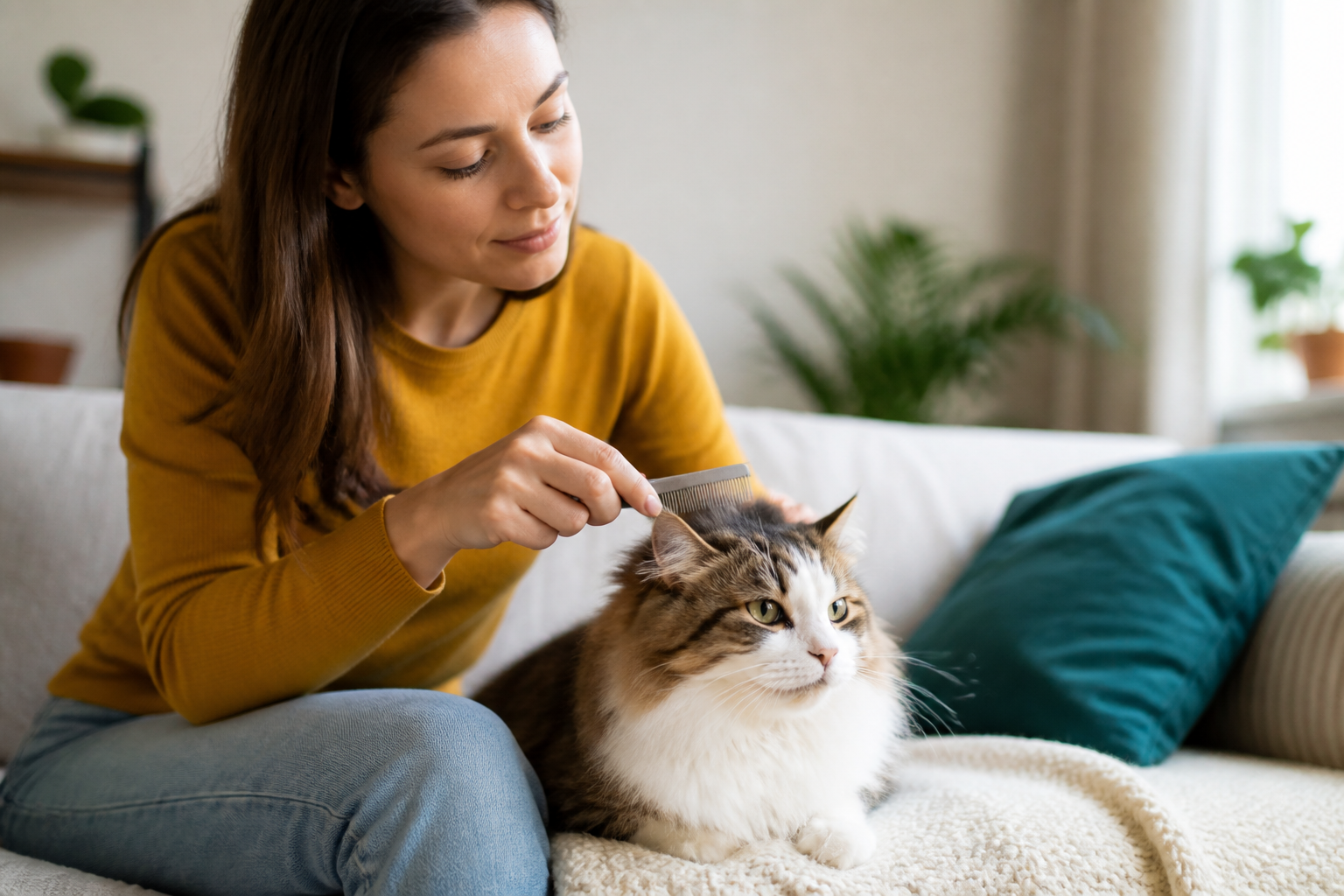
If your cat cannot groom themselves, you must step in. Regular brushing is the most effective home remedy for mild dandruff. It removes dead skin cells and distributes the natural oils produced by the skin.
Choosing the Right Brush
For short-haired cats, a soft bristle brush or a rubber grooming mitt works best. Long-haired cats need a stainless steel comb or a slicker brush to reach the undercoat. Brushing should be a gentle, positive experience for your cat.
For related grooming advice, learn more about keeping your cat's coat and whiskers in good condition.
The Problem with Baths
While your first instinct might be to put your cat in the tub, bathing often makes dandruff worse. Soap can strip away the remaining natural oils, leading to even drier skin. Most cats find baths stressful, and stress can actually trigger more flaking. Unless your vet prescribes a specific medicated shampoo, it is usually better to stick to brushing and dietary changes.
Step-by-Step Grooming for Flaky Skin
Step 1: Start with short sessions. / Brush your cat for just five minutes a day to get them used to the feeling.
Step 2: Use gentle strokes. / Always brush in the direction of hair growth to avoid pulling the skin.
Step 3: Focus on hard-to-reach areas. / Pay extra attention to the lower back and base of the tail where flakes accumulate.
Step 4: Wipe with a damp cloth. / After brushing, use a clean, damp cloth to pick up any loose flakes left on the surface of the fur.
When Dandruff Becomes a Medical Concern
In some cases, dandruff is a secondary symptom of a systemic health problem. If you have improved your cat's diet and increased grooming but the flakes remain, it may be time for blood work.
Hyperthyroidism and Diabetes
These endocrine disorders are common in middle-aged and senior cats. Both can cause changes in skin elasticity and coat quality. A cat with hyperthyroidism often has a greasy, unkempt appearance with significant dandruff. Diabetes can lead to dehydration and poor skin health.
Internal Health and Organ Function
Kidney disease or liver issues can also manifest through the skin. When the body is focused on managing internal organ stress, it stops prioritizing skin and coat maintenance. Regular wellness checks at the vet are the only way to catch these issues early.
Signs You Need a Vet Visit
- Your cat is losing clumps of hair.
- The skin underneath the flakes is red or bleeding.
- Your cat is drinking significantly more water than usual.
- There is a noticeable change in appetite or weight.
- The flakes are accompanied by a foul odor.
Key Takeaway: Chronic or severe dandruff that does not respond to home care should be evaluated by a professional. It is often the first visible sign of an internal health shift.
Practical Home Solutions
Beyond grooming and diet, you can make small changes to your home environment to support your cat's skin.
Use a Humidifier
If you live in a dry climate or have the heater running all winter, a humidifier is a great investment. Adding moisture to the air helps both you and your cat. Place the humidifier in the room where your cat spends the most time sleeping.
Stress Reduction
Stress can cause a cat's skin to flare up. Changes in the household, like a new pet or moving furniture, can trigger anxiety. Use calming pheromone diffusers or provide plenty of vertical space and hiding spots to help your cat feel secure. A happy cat is more likely to keep up with their grooming routine.
Clean Bedding Regularly
If your cat has a favorite sleeping spot, skin flakes and oils can build up there. Wash their bedding once a week in a pet-safe, fragrance-free detergent. This prevents the skin from being irritated by dirty surfaces.
| Solution Type | Recommended Action | Expected Result |
|---|---|---|
| Nutritional | Add Omega-3 supplements or wet food | Improved skin moisture barrier |
| Grooming | Daily brushing with a soft brush | Distribution of natural oils |
| Environmental | Use a room humidifier | Reduced surface dryness |
| Medical | Prescription flea/mite treatment | Elimination of parasite-related flakes |
How the BaxterBoo Pharmacy Can Help
When home remedies aren't enough, medical intervention is necessary. We understand that managing a cat's health can be a long-term commitment. Through our partnership with Pet's Choice, we provide access to a full-service pharmacy. This allows you to get FDA-approved medications and prescription diets delivered right to your door.
If your vet determines that your cat's dandruff is caused by an allergy, they may prescribe a hypoallergenic diet. Our pharmacy carries these specialized foods from trusted brands like Farmina Vet Life and Royal Canin. We also provide prescription-strength flea and tick preventives that are more effective than over-the-counter options for stubborn infestations.
Using our pharmacy is a straightforward way to manage chronic conditions like hyperthyroidism or diabetes that might be causing your cat's skin issues. By combining expert veterinary advice with the convenience of our online shop, you can ensure your cat gets exactly what they need to feel their best.
Summary of Next Steps
Dealing with cat dandruff requires a multi-pronged approach. You should start by assessing the environment and the diet. If the flakes are mild and your cat seems healthy, simple home changes like more brushing and a better food choice may solve the problem.
- Evaluate the home for low humidity and add a humidifier if needed.
- Check for parasites and ensure your cat is on a quality preventive.
- Introduce Omega-3 fatty acids through supplements or high-quality wet food.
- Establish a daily grooming routine to help cats that cannot reach their back.
- Consult a veterinarian if flakes are accompanied by itching, redness, or behavioral changes.
Bottom line: While often a minor issue, cat dandruff is your cat's way of asking for a little extra care for their skin and overall wellness.
Conclusion
Seeing flakes in your cat's fur can be frustrating, but it is a problem with many practical solutions. Most cats will see a significant improvement with regular brushing and a diet focused on skin health. Remember that your cat's coat is a reflection of their internal health. If home care does not clear up the flakes within a few weeks, reaching out to your vet is the safest choice. They can help you identify if a prescription diet or medication is needed. We are here to support you with everything from grooming tools to the specialized medications available through the BaxterBoo pharmacy. By staying proactive, you can help your cat return to their comfortable, flake-free self.
Check out our full collection of skin and coat supplements to find the perfect addition to your cat's daily routine.
FAQ
Is cat dandruff contagious to humans?
Regular cat dandruff caused by dry skin or poor grooming is not contagious to humans. However, if the flakes are actually "walking dandruff" caused by Cheyletiella mites, those parasites can temporarily jump to humans and cause itchy red spots. Fungal infections like ringworm can also be passed from cats to people, so always wash your hands after grooming a cat with skin issues.
Can I use human dandruff shampoo on my cat?
No, you should never use human dandruff shampoo on a cat. These products are formulated for the pH level of human skin and often contain ingredients like zinc or salicylic acid that are toxic to cats. Cats also lick their fur after a bath, meaning they would ingest these dangerous chemicals. Only use shampoos specifically labeled for feline use.
Why does my cat only have dandruff on their lower back?
The lower back and base of the tail are the most common spots for dandruff because they are the hardest areas for a cat to reach. If a cat has even a little bit of extra weight or a slight touch of arthritis, they will stop grooming these spots first. This leads to a buildup of dead skin cells and oils in that specific area.
How long does it take for cat dandruff to go away?
If you are making dietary changes or adding supplements, it usually takes four to six weeks to see a visible difference in the coat. This is because it takes time for the new, healthier skin cells to grow and replace the old ones. If you are treating for parasites, the itching often stops quickly, but the flakes may take a few weeks of grooming to fully disappear.






- Site & Contents BaxterBoo.com. BaxterBoo is located in the United States.
- Privacy & Security
- Terms of Use
- Accessibility Statement
