Save 15% on your 1st Autoship learn more

 Email us
 Live Chat
 FAQs
FAQs





Introduction
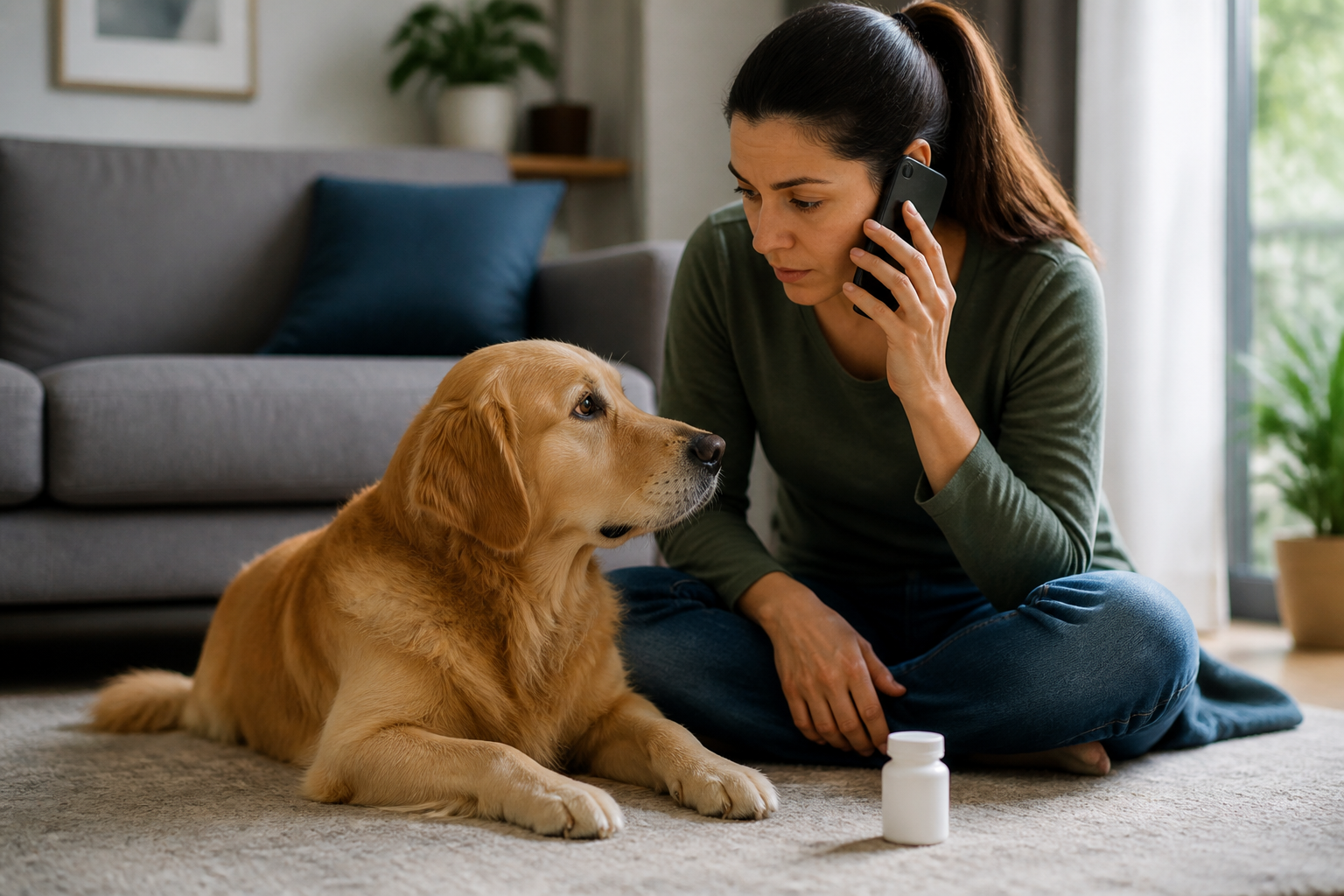
It happens to the best of us. You realize your spouse already gave the dog their daily supplement, or you accidentally dropped two chews into the bowl instead of one. If you just found out you accidentally gave dog double dose of probiotics, your first instinct might be to panic. You might be staring at your pup and wondering if a call to the emergency vet is necessary. At BaxterBoo, we have helped thousands of pet parents navigate these little "oops" moments since 2006. While probiotics are generally very safe, there are specific symptoms and steps you should be aware of to keep your dog comfortable. This post covers exactly what happens when a dog gets too much of a good thing, how to manage digestive upset, and when a vet visit is actually required.
Quick Answer: Most dogs will be perfectly fine after a double dose of probiotics, as these are beneficial bacteria rather than toxic chemicals. The most common side effect is temporary digestive upset, such as gas or loose stools, which usually resolves within 24 to 48 hours.
Understanding Probiotics and Your Dog
Probiotics are live, beneficial bacteria and yeasts that live in your dog's digestive tract. They play a massive role in maintaining a healthy immune system and ensuring nutrients are absorbed correctly. Unlike many medications, probiotics are not foreign substances. They are concentrated versions of the "good bugs" that should already be there.
When you give your dog a supplement from brands like Zesty Paws or Honest Paws, you are essentially reinforcing the natural defenses of the gut. Most pet probiotics contain strains like Lactobacillus or Bifidobacterium. These are specifically chosen because they survive the journey through a dog's stomach acid.
Because these are living organisms, the body is quite good at self-regulating. If there are too many bacteria for the gut to utilize, the excess usually just passes through the system. This is why a double dose is rarely a medical emergency. However, a sudden influx of billions of new bacteria can cause a temporary "clash" in the gut environment.
Common Symptoms of a Probiotic Double Dose
While a double dose is not toxic, it can be uncomfortable for your dog. The digestive system thrives on balance. When you double the amount of bacteria suddenly, the gut may react by trying to flush things out.
You should keep a close eye on your dog for the next 24 hours. Most symptoms will show up within a few hours of ingestion. Common signs of a minor "overdose" include:
- Increased flatulence or very loud stomach gurgling.
- Loose stools or mild diarrhea.
- Abdominal bloating or a slight feeling of firmness in the belly.
- A temporary loss of interest in their next meal.
These symptoms are usually mild. Your dog might seem a little restless or spend more time trying to find a comfortable place to nap. In most cases, these issues disappear as soon as the dog has a bowel movement and clears the excess bacteria.
Key Takeaway: Digestive upset from extra probiotics is a sign of the gut adjusting to a bacterial shift, not a sign of poisoning. Most dogs return to normal within one or two days without medical intervention.
When an Overdose Becomes a Medical Concern
There is a difference between a double dose and a dog eating an entire container of probiotic chews. If your dog managed to get ahold of a full bottle of treats, the concern is often less about the bacteria and more about the other ingredients. Many chewable probiotics contain flavorings, binders, and fats that can cause more trouble than the probiotics themselves.
Large amounts of fats or fibers can lead to more severe gastric distress. This is especially true for small breeds or puppies. A tiny dog receiving a dose meant for a Great Dane is a much bigger shift for their system.
You should contact your veterinarian if you notice any of the following:
- Projective or repeated vomiting.
- Severe, watery diarrhea that lasts more than 24 hours.
- Signs of dehydration, such as dry gums or a loss of skin elasticity.
- Extreme lethargy or a refusal to move.
- Signs of an allergic reaction, like facial swelling or hives.
Vet Tip: If your dog has a pre-existing condition like inflammatory bowel disease or a severely compromised immune system, even a double dose of probiotics deserves a quick phone call to your vet to ensure their specific treatment plan stays on track.
How to Support Your Dog’s Digestion at Home
If your dog is showing mild signs of gas or loose stools, you can help them feel better with a few simple steps. The goal is to let the digestive system rest and reset.
Step 1: Provide plenty of fresh water. / Diarrhea and loose stools can lead to fluid loss. Ensure your dog has easy access to clean water to prevent dehydration.
Step 2: Skip the next scheduled probiotic dose. / Give the gut a chance to reach an equilibrium. It is perfectly fine to wait 24 to 48 hours before resuming their regular supplement routine.
Step 3: Offer a bland meal if needed. / If their stomach seems sensitive, a small meal of plain boiled chicken and white rice can be easier to digest than their standard kibble.
Step 4: Monitor outdoor time. / Keep a close eye on their stools when they go outside. This helps you track whether the issue is resolving or if the diarrhea is getting worse.
For additional context about loose stools and digestive upset, read what to do when your dog has diarrhea.
Why Consistency Matters More Than Dosage
One of the reasons people accidentally double-dose is because they feel the probiotic is not working fast enough. It is important to remember that probiotics are not a quick fix like an aspirin for a headache. They work through colonization and consistency.
Probiotics need time to build up "colonies" in the gut. This process can take anywhere from two to four weeks of daily use. Doubling the dose will not speed up this process. In fact, it can slow things down by causing the digestive upset we discussed earlier.
If you are using probiotics to help with a specific issue like skin allergies or chronic gas, sticking to the label's suggested amount is the best path. If you find it hard to remember if you gave the dose, try using a pill organizer or marking a calendar. This prevents the "did I already feed the dog?" confusion that leads to double-dosing.
Managing Sensitive Stomachs Long-Term
Some dogs are naturally more sensitive to changes in their diet or supplements. If your dog had a strong reaction to a double dose, it might mean they need a more gradual introduction to supplements in the future.
We often suggest that pet parents start with half the recommended dose for the first week. This allows the microbiome to shift slowly. Once your dog shows they can handle the smaller amount, you can move up to the full dose.
For dogs with chronic digestive issues that do not respond to over-the-counter probiotics, there may be an underlying medical cause. Issues like food sensitivities or chronic infections require a professional diagnosis. In these cases, a standard supplement might not be enough.
You can compare options in our dog digestive health category when considering products for your dog's routine.
The Role of the BaxterBoo Pharmacy in Gut Health
Sometimes, a standard probiotic chew is not the right tool for the job. Some dogs require prescription-strength support to manage their digestive health. Our pharmacy offers a specialized selection of FDA-approved medications and prescription pet foods through our partnership with Pet's Choice.
If your veterinarian determines that your dog needs a therapeutic diet, such as Farmina Vet Life or Royal Canin Gastrointestinal formulas, you can fulfill those needs directly through our Pet's Choice pharmacy service. These foods are specifically formulated to be highly digestible and often contain precise levels of prebiotics and probiotics tailored for medical conditions.
Working with our pharmacy ensures you get the exact product your vet prescribed. It also allows you to keep all your pet care needs in one place. Whether it is managing a temporary tummy ache or a lifelong digestive condition, we provide the resources to keep your dog's gut in check.
Choosing the Right Probiotic Product
Not all probiotics are created equal. When browsing the selection at us or any retailer, you want to look for specific details on the label. A quality product will list the number of Colony Forming Units (CFUs). This tells you exactly how many live bacteria are in each serving.
You should also look for products that guarantee "live arrival" or stability at room temperature. Some probiotics require refrigeration, while others are "spore-forming," meaning they are naturally shelf-stable. Brands like Cosequin and NutriSource offer options that are trusted by professionals for their stability and efficacy.
If your dog is a picky eater, the form of the probiotic matters too. You can find powders to sprinkle on food, flavorless liquids, or soft chews that double as a treat. Finding a form your dog loves makes the daily routine much easier for both of you.
Browse our dog probiotic selection to compare powders, chews, and other supplement formats.
Transitioning and Dosing Safely
If you are moving from one brand of probiotic to another, treat it like a food transition. Even if the CFUs are similar, the specific strains of bacteria might be different. A slow transition over five to seven days helps prevent the gas and bloating often associated with sudden changes.
Always check the weight-based dosing chart on the back of the package. A dose for a 50-pound dog is vastly different from a dose for a 10-pound dog. If your dog falls right on the edge of a weight bracket, start with the lower dose to see how they respond.
If you have multiple people in the household, communication is the best way to avoid an accidental double dose. A simple "dog is fed" magnet on the fridge can save you from the worry of an extra supplement being given by mistake.
For more guidance on selecting supplements, explore our pet supplement guide.
Conclusion
Realizing you accidentally gave dog double dose of probiotics is a common mistake that rarely leads to serious health consequences. While you might have to deal with a gassy pup or some loose stools for a day, the risk of a true toxic overdose is virtually non-existent for healthy dogs. By monitoring your dog, providing plenty of water, and letting their system rest, you can usually manage the situation easily at home.
For more complex digestive needs or chronic conditions, we are here to support you. You can find a wide range of probiotics and digestive aids in our medical and mobility section. If your dog requires a specific therapeutic diet or prescription medication, the pharmacy can help fulfill those orders through our Pet's Choice partnership.
If probiotics are part of your dog's regular routine, our Autoship programme can help you manage repeat deliveries.
Bottom line: Keep your dog hydrated, skip the next dose, and consult your vet if symptoms like vomiting or extreme lethargy occur.
FAQ
Can a dog die from eating too many probiotics?
It is extremely unlikely for a dog to die from a probiotic overdose. Probiotics are beneficial bacteria that are already present in the gut, not toxic chemicals. However, if a dog eats a large quantity of chews, they may experience severe digestive upset or a reaction to other ingredients like fats or flavorings, which could lead to complications like dehydration or pancreatitis in extreme cases.
How long do the side effects of too many probiotics last?
In most cases, the side effects of a double dose of probiotics, such as gas or loose stools, will last between 24 and 48 hours. Once the dog's body processes the excess bacteria and they have a few bowel movements, their system usually returns to its natural balance. If symptoms persist longer than two days, it is time to call your veterinarian.
What should I do if my dog ate the whole container of probiotics?
If your dog ate an entire container, you should contact your veterinarian or a pet poison helpline immediately. While the bacteria themselves are likely safe, the massive amount of binders, fats, and flavorings in the treats can cause serious stomach upset or inflammation of the pancreas. Bring the packaging with you to the vet so they can see the full ingredient list and the total number of colony-forming units (CFUs) ingested.
Is it okay to give my dog human probiotics?
You should generally avoid giving your dog human probiotics unless specifically directed by your vet. Human digestive systems have different bacterial needs and acidity levels compared to dogs. Some human supplements also contain xylitol or other sweeteners that are highly toxic to dogs, so it is always safer to stick with products specifically formulated for canines.