Save 15% on your 1st Autoship learn more

 Email us
 Live Chat
 FAQs
FAQs





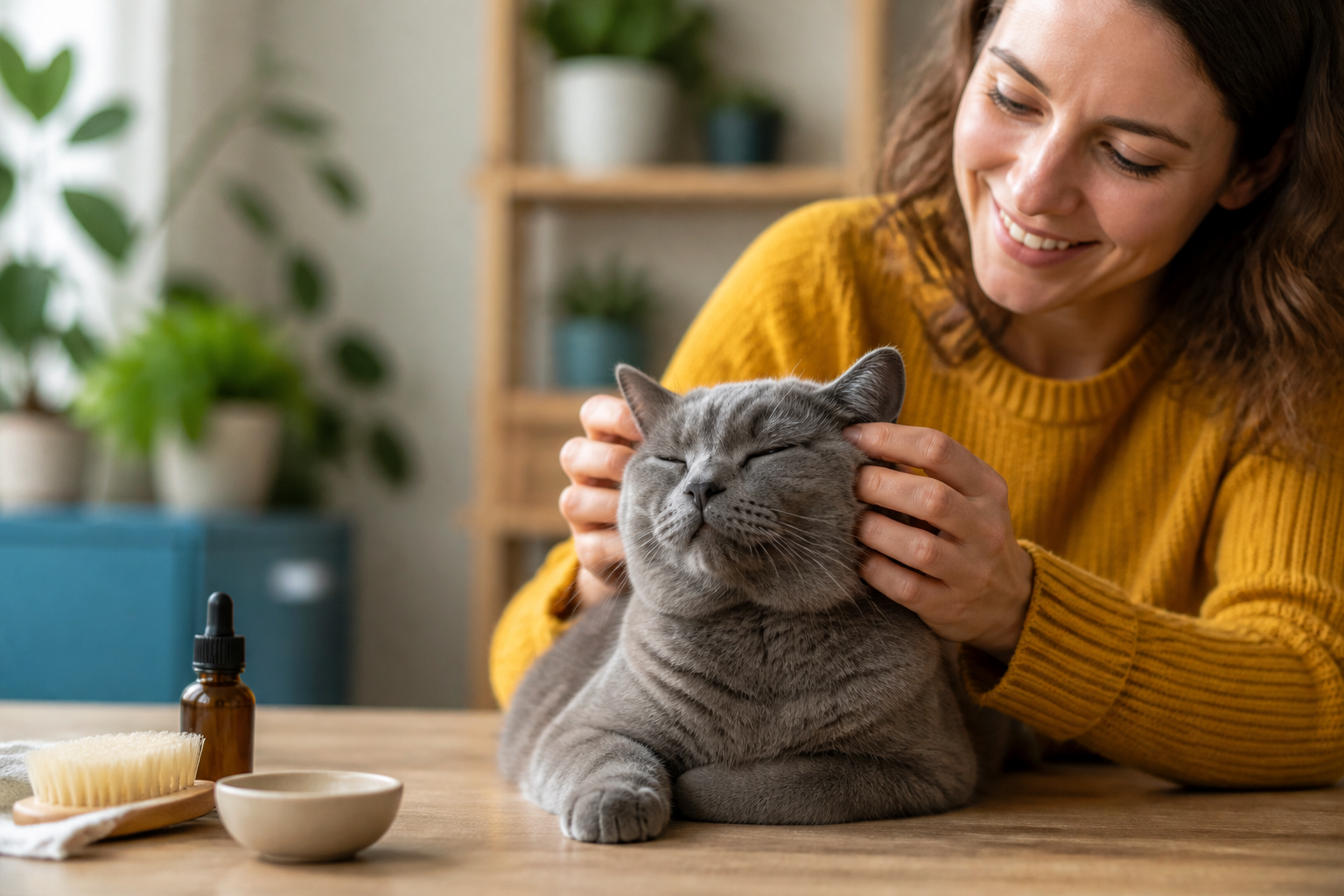
Introduction
You are relaxing on the sofa with your cat when you notice a dusting of white specks across their glossy fur. It looks like a light snowfall has landed on their back. When you reach out to brush them away, you realize these flakes are coming from the skin itself. This is a common moment for many owners. It often leads to a search for what to use for cat dandruff to restore a healthy coat.
At BaxterBoo, we know that flaky skin is more than just a cosmetic issue. It can be a sign that your cat needs a change in diet, a better grooming routine, or medical attention. We have helped pet parents since 2006 find the right solutions for every life stage. This article covers everything from specialized brushes and omega supplements to environmental changes. Our goal is to help you understand why those flakes appeared and how to clear them up.
Understanding Feline Dandruff
Feline dandruff occurs when the outer layer of skin cells sheds faster than usual. These dead cells clump together and become visible to the naked eye. While every cat sheds skin cells, they are normally microscopic. When they become large enough to see, it usually indicates an imbalance in skin health.
It is important to distinguish between dandruff and dander. Every cat produces dander. Dander consists of tiny, healthy skin cells that help maintain the skin barrier. It is often the cause of human allergies but is perfectly normal for the cat. Dandruff is the abnormal accumulation of larger, visible flakes.
Quick Answer: Cat dandruff is most often treated with regular brushing, increased hydration through wet food, and omega-3 fatty acid supplements. If flakes are accompanied by itching or redness, a veterinarian should check for parasites or underlying health conditions.
The Different Types of Flakes
Not all dandruff looks the same. Dry dandruff usually appears as fine, white dust. It often happens in the winter when indoor air is dry. Greasy dandruff looks more yellowish or waxy. This type often clumps together and may feel oily to the touch. Greasy flakes can indicate an overproduction of skin oils or a struggle with self-grooming.
Why Your Cat Has Dandruff
Before you decide what to use for cat dandruff, you must identify the cause. Several factors can lead to a flaky coat. Some are simple environmental fixes, while others require a trip to the vet.
Poor Hydration and Diet
Cats are notoriously bad at drinking enough water. If a cat eats only dry kibble, they may live in a state of mild dehydration. This lack of moisture shows up on the skin first. Nutrition also plays a massive role. A diet lacking in essential fatty acids can leave the skin brittle and prone to flaking.
Grooming Challenges
Cats are usually expert groomers. If a cat stops grooming certain areas, dead skin and hair build up. Obesity is a common reason for this. An overweight cat might not be able to reach their lower back or the base of their tail. Arthritis in senior cats can also make the twisting motions of grooming painful.
Environmental Factors
Low humidity is a major culprit in US homes during the winter. Forced air heating strips moisture from the air and your cat’s skin. Seasonal allergies to pollen or mold can also cause skin inflammation and flaking.
Parasites and Infections
Fleas and mites are common causes of skin irritation. There is even a specific mite called Cheyletiella that is often nicknamed walking dandruff because the mites are visible moving across the fur. Fungal infections like ringworm can also cause localized scaling and hair loss.
Vet Tip: If your cat is losing hair in clumps, has red sores, or is scratching constantly, skip the home remedies. These symptoms can indicate a fungal infection or a parasitic infestation that requires professional diagnosis and prescription treatment.
Top Brushes and Grooming Tools
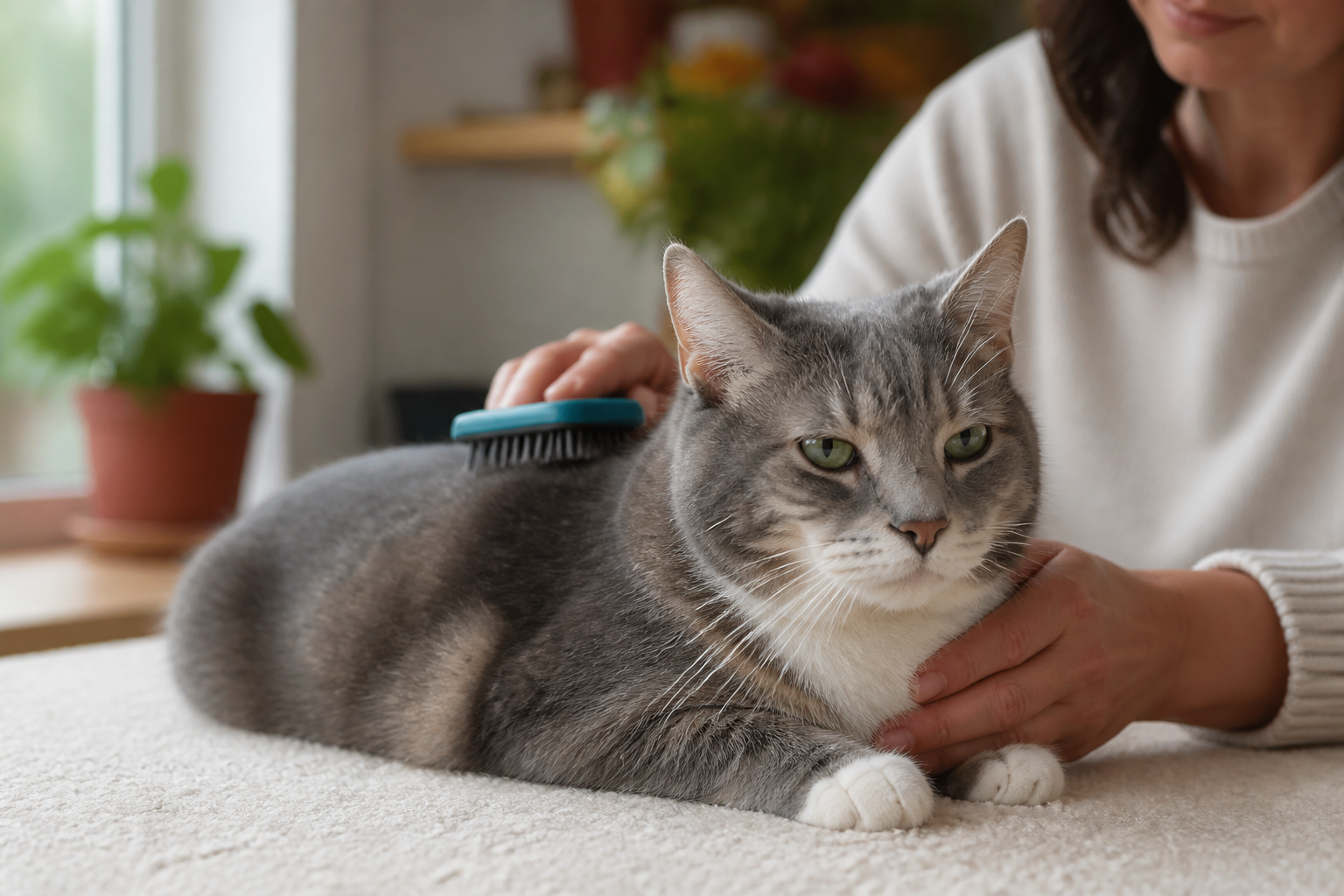
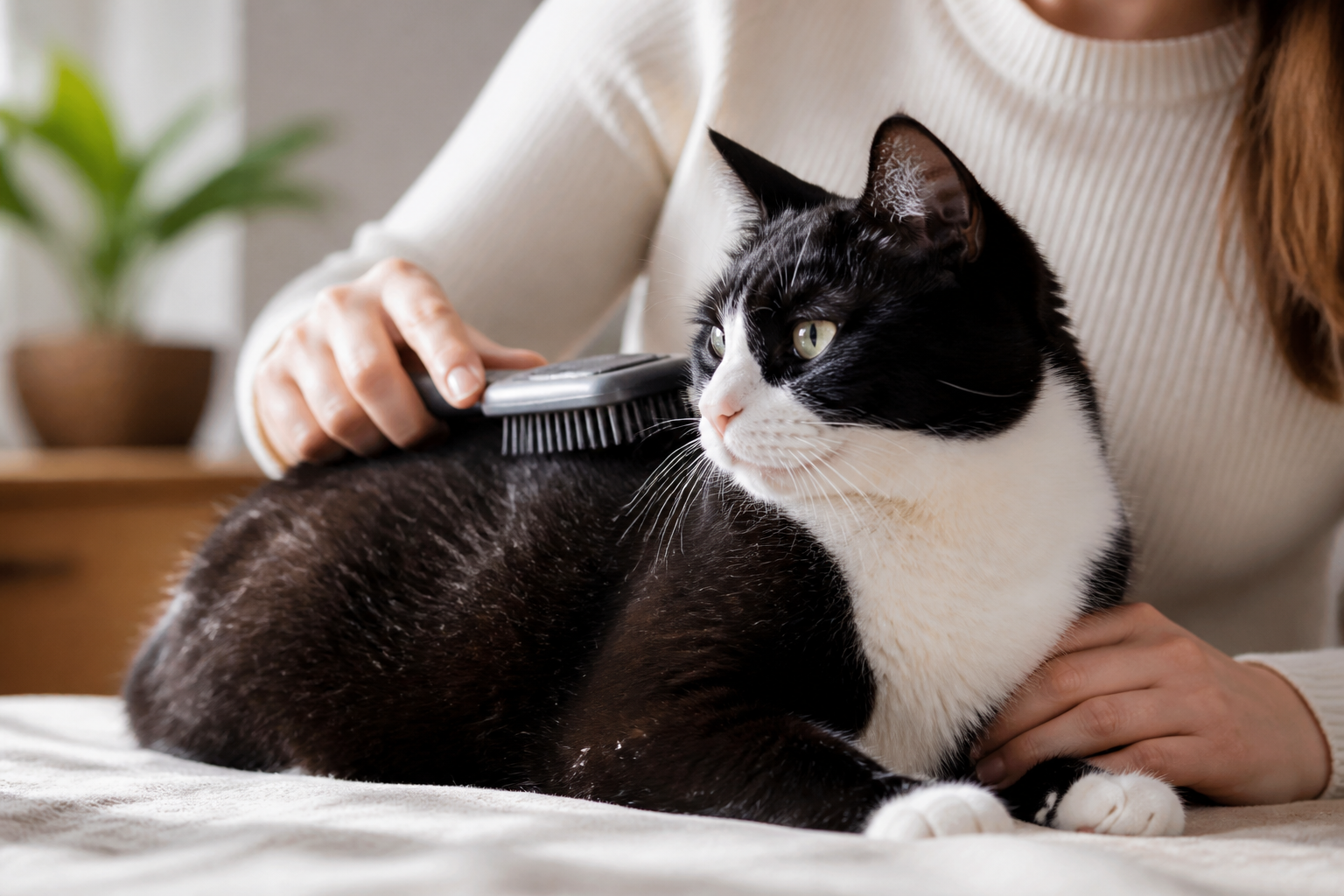
Regular brushing is the most effective way to manage mild dandruff. It removes the dead cells before they can clump. It also stimulates the skin to produce natural oils. These oils act as a built-in moisturizer for the coat. Explore our cat grooming supplies for brushes, combs, wipes, and other grooming tools.
Slicker Brushes
A slicker brush has fine wire bristles that are slightly hooked. This tool is excellent for cats with medium to long hair. It reaches through the topcoat to remove loose fur and flakes from the undercoat. Brands like Kong offer grooming tools designed to be gentle on sensitive feline skin.
Soft Bristle Brushes
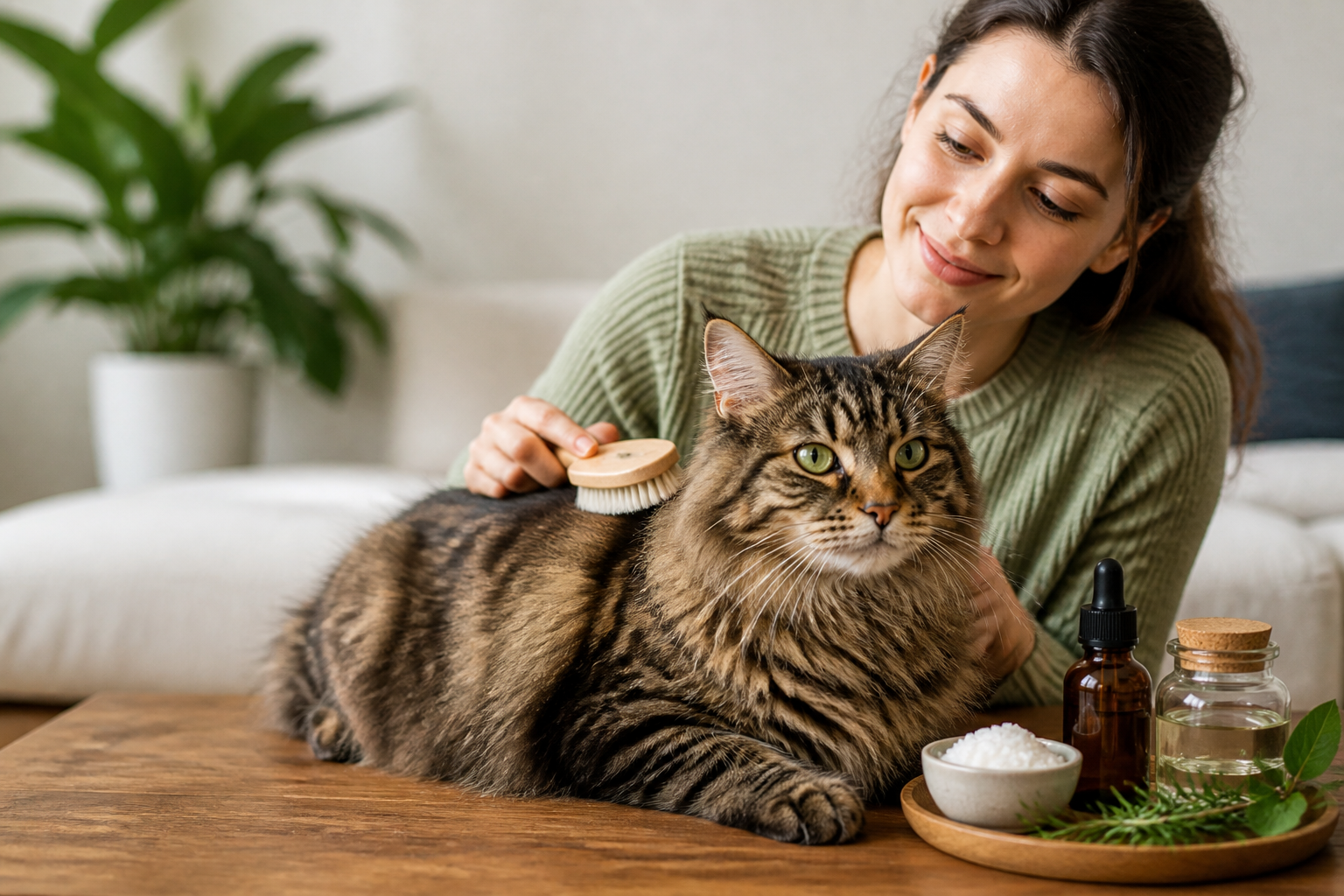
For short-haired cats or those with very sensitive skin, a soft bristle brush is better. It gently buffs the skin and smooths the fur. This is a great choice for cats who are nervous about grooming. It feels more like a petting session than a chore.
Rubber Curry Brushes
Rubber brushes are fantastic for massaging the skin. The rubber nubs grab loose hair and stimulate blood flow. This increased circulation can help improve the health of the skin over time. Most cats enjoy the sensation of a rubber brush more than metal bristles.
Steps for an Effective Grooming Session
Step 1: Start at the head and work your way back toward the tail. Follow the natural direction of hair growth.
Step 2: Use short, gentle strokes. Avoid pressing down too hard on bony areas like the hips or spine.
Step 3: Pay extra attention to the base of the tail. This is where dandruff often accumulates the most.
Step 4: Wipe the coat down with a damp cloth afterward. This picks up any loose flakes you unearthed during brushing.
Nutritional Support for Healthy Skin
What you put inside your cat is just as important as what you put on their fur. Skin health starts with high-quality proteins and fats. If your cat’s skin is dry, their diet may be the first thing to evaluate. Browse our cat food selection when reviewing your cat’s daily nutrition.
The Power of Omega Fatty Acids
Omega-3 and Omega-6 fatty acids are essential for skin barrier function. They help the skin retain moisture and reduce inflammation. Many premium cat foods, such as those from Orijen or Acana, include these fats naturally from fresh fish. You can also add a liquid supplement to their meals. Salmon oil or pollock oil are popular choices that most cats find delicious.
Switching to Wet Food
If your cat primarily eats dry kibble, try incorporating wet food. Brands like Tiki Cat or Fussie Cat offer high-moisture options that mimic a cat’s natural diet. Even replacing one meal a day with wet food can significantly improve hydration levels. This extra water intake helps hydrate the skin from the inside out.
Specialized Skin and Coat Formulas
Some brands create recipes specifically for skin sensitivity. Royal Canin and Farmina Vet Life offer formulas designed to support the skin barrier. These often contain specific vitamins like Biotin and Zinc, which are vital for hair and skin growth.
| Solution Type | Best For | Benefit |
|---|---|---|
| Omega-3 Oils | Chronic Dryness | Reduces inflammation and adds shine |
| Wet Food | Dehydration | Increases overall water intake |
| Slicker Brush | Long Hair | Removes deep undercoat flakes |
| Humidifier | Winter Flakes | Adds moisture to the indoor environment |
Key Takeaway: Proper hydration is the foundation of flake-free skin. Combining a moisture-rich diet with omega supplements is often the fastest way to see results in your cat's coat quality.
Topical Treatments and Shampoos
While most cats hate baths, sometimes a topical treatment is necessary. This is especially true for greasy dandruff or cases caused by fungal issues. However, you must use products specifically formulated for cats. Human dandruff shampoos are often toxic to felines.
Waterless Shampoos and Foams
If your cat refuses to get in a tub, a waterless foam is a great alternative. You simply massage the foam into their fur and towel it off. This helps break down oils and lift away flakes without the stress of a full bath. Look for ingredients like aloe vera or oatmeal to soothe the skin.
Moisturizing Cat Shampoos
If a bath is required, choose a soap-free, moisturizing shampoo. Ingredients like salicylic acid can help exfoliate dead skin, while colloidal oatmeal soothes itching. Only bathe your cat once every few weeks at most. Over-bathing can actually strip away natural oils and make the dandruff worse.
Grooming Wipes
Grooming wipes are perfect for daily maintenance. They allow you to target specific areas like the lower back. Wipes are often infused with conditioners that help keep the skin supple between brushings.
Environmental and Lifestyle Changes
Sometimes what to use for cat dandruff isn't a product you put on the cat, but a change you make in your home. Cats spend the majority of their lives indoors. The environment they live in has a direct impact on their physical health.
Using a Humidifier
If you notice that the flakes only appear when the heater kicks on in November, the air is too dry. Placing a humidifier in the room where your cat sleeps can make a world of difference. It keeps the skin from losing moisture to the dry indoor air. Aim for a humidity level between 40% and 50%.
Stress Management
Stress can manifest as skin issues in cats. A stressed cat may over-groom or stop grooming entirely. Both behaviors lead to dandruff. Provide plenty of vertical space, scratching posts, and quiet hiding spots. Products from Jackson Galaxy can help create a more enriching environment that lowers anxiety levels.
Weight Management for Better Grooming
If your cat is too heavy to reach their back, no amount of shampoo will fix the dandruff. Helping them reach a healthy weight is a long-term solution for skin health. We carry specialized weight-management foods that help cats lose weight safely while still receiving proper nutrition.
For more ideas on hydration and enrichment, read these tips for improving your indoor or outdoor cat’s quality of life.
Pharmacy and Prescription Options
When home care is not enough, medical intervention is necessary. Certain types of dandruff are caused by medical conditions that require prescription-strength treatments. Our BaxterBoo pharmacy provides access to FDA-approved medications through our partnership with Pet's Choice.
Parasite Prevention
Flea allergy dermatitis is a major cause of flaky, irritated skin. Even if you do not see fleas, a single bite can cause a reaction in sensitive cats. Maintaining a year-round preventative schedule is vital. We carry trusted brands like Frontline and NexGard through our pharmacy. These preventives ensure that parasites do not compromise your cat's skin health.
Prescription Diets
For cats with severe food allergies or metabolic conditions like hyperthyroidism, a specialized diet is often the primary treatment. Diets like Farmina Vet Life are formulated to manage specific health concerns. These are available through our pharmacy with a valid prescription from your veterinarian.
Managing Underlying Health Issues
Conditions like diabetes or kidney disease can change the texture and health of a cat's skin. If your vet diagnoses a chronic condition, they may prescribe medications to manage the disease. Controlling the internal health issue often results in the skin clearing up naturally.
Bottom line: When dandruff is caused by parasites or internal illness, prescription preventatives and veterinary diets from our pharmacy are the most effective tools for recovery.
When to Contact Your Veterinarian
While a few flakes are usually a minor issue, you should monitor your cat closely. Skin is the largest organ of the body. It often acts as a mirror for what is happening internally. If you see certain red flags, it is time for a professional opinion. Review our cat healthcare products while discussing appropriate care with your veterinarian.
Signs of Infection
If the skin underneath the dandruff looks red or angry, an infection may be present. Pustules, scabs, or a foul odor are also signs of a bacterial or fungal problem. These will not go away with simple brushing and require antibiotics or antifungal medication.
Behavioral Changes
A cat that is suddenly lethargic or hiding more than usual may be in pain. Since arthritis can prevent grooming, dandruff can be an early sign of joint discomfort. If your cat seems stiff when jumping or walking, consult your vet about mobility support and pain management.
Drastic Changes in Appearance
Dandruff that appears suddenly alongside significant hair loss is a concern. This can indicate hormonal imbalances or more serious conditions like cutaneous lymphoma. A veterinarian can perform skin scrapings or blood work to find the exact cause.
Vet Tip: Always consult your veterinarian before starting a new supplement or medication, especially if your cat has a known health condition or is on other medications. They can help you determine the correct approach for your cat's specific needs.
Creating a Routine for Success
Managing cat dandruff is about consistency. You likely will not see a change overnight. It takes time for the skin to heal and for new, healthy hair to grow in. Creating a simple daily and weekly routine is the best way to ensure long-term success.
Daily Habits
Spend five minutes each day brushing your cat. This prevents flakes from accumulating and serves as a great bonding time. Use this time to check for any new lumps, bumps, or signs of fleas. Ensure your cat has access to fresh, clean water at all times. A pet fountain can encourage them to drink more.
Weekly Check-ins
Once a week, check the areas your cat might struggle to reach. If you see buildup, use a grooming wipe or a damp cloth to clean the area. Monitor their weight to ensure they stay in a healthy range for their size and age.
Monthly Maintenance
Keep up with flea and tick prevention every single month. This is the easiest way to rule out parasites as a cause of skin issues. If you use our Autoship program, you can have your preventatives and food delivered right to your door so you never miss a dose.
A Healthier Coat for Your Cat
Seeing dandruff on your cat can be worrying, but most cases are easy to manage with the right tools. By focusing on hydration, nutrition, and regular grooming, you can help your cat feel comfortable in their own skin again. Whether it is adding a splash of salmon oil to their dinner or spending extra time with a slicker brush, these small steps make a big difference.
At BaxterBoo, we are committed to providing the expert advice and curated products you need to care for your feline companion. From premium food brands like Stella and Chewy's to the FDA-approved medications in our pharmacy, we are here to support your pet's wellness journey. A flake-free coat is a sign of a happy, healthy cat.
Key Takeaway: A combination of internal nutrition and external grooming is the most effective way to eliminate cat dandruff and prevent it from returning.
FAQ
Can I use human dandruff shampoo on my cat?
No, you should never use human dandruff shampoo on a cat. Many of these products contain ingredients like zinc pyrithione or selenium sulfide which are toxic to cats if ingested during grooming. Always use a shampoo specifically formulated for felines to ensure it has the correct pH balance and safe ingredients.
Why does my cat only have dandruff on their lower back?
Dandruff on the lower back often points to a grooming issue. This area is the hardest for a cat to reach, especially if they are struggling with obesity or arthritis. If your cat cannot twist around to clean their back, dead skin and loose fur will quickly accumulate there.
Will salmon oil really help my cat's dry skin?
Yes, salmon oil is rich in omega-3 fatty acids, which are vital for skin health. These fats help strengthen the skin's natural moisture barrier and reduce inflammation that causes flaking. Most owners notice a shinier, softer coat within a few weeks of adding a high-quality fish oil to their cat's diet.
Is cat dandruff the same as "walking dandruff"?
No, regular dandruff is just dead skin cells. "Walking dandruff" is actually a skin mite called Cheyletiella. These mites are large enough to see with the naked eye and look like moving white flakes. If you suspect your cat has walking dandruff, you need to visit a vet for specific anti-parasitic treatment.