
 Save 15% on your 1st Autoship learn more

 Email us
 Live Chat
 FAQs
FAQs





Introduction
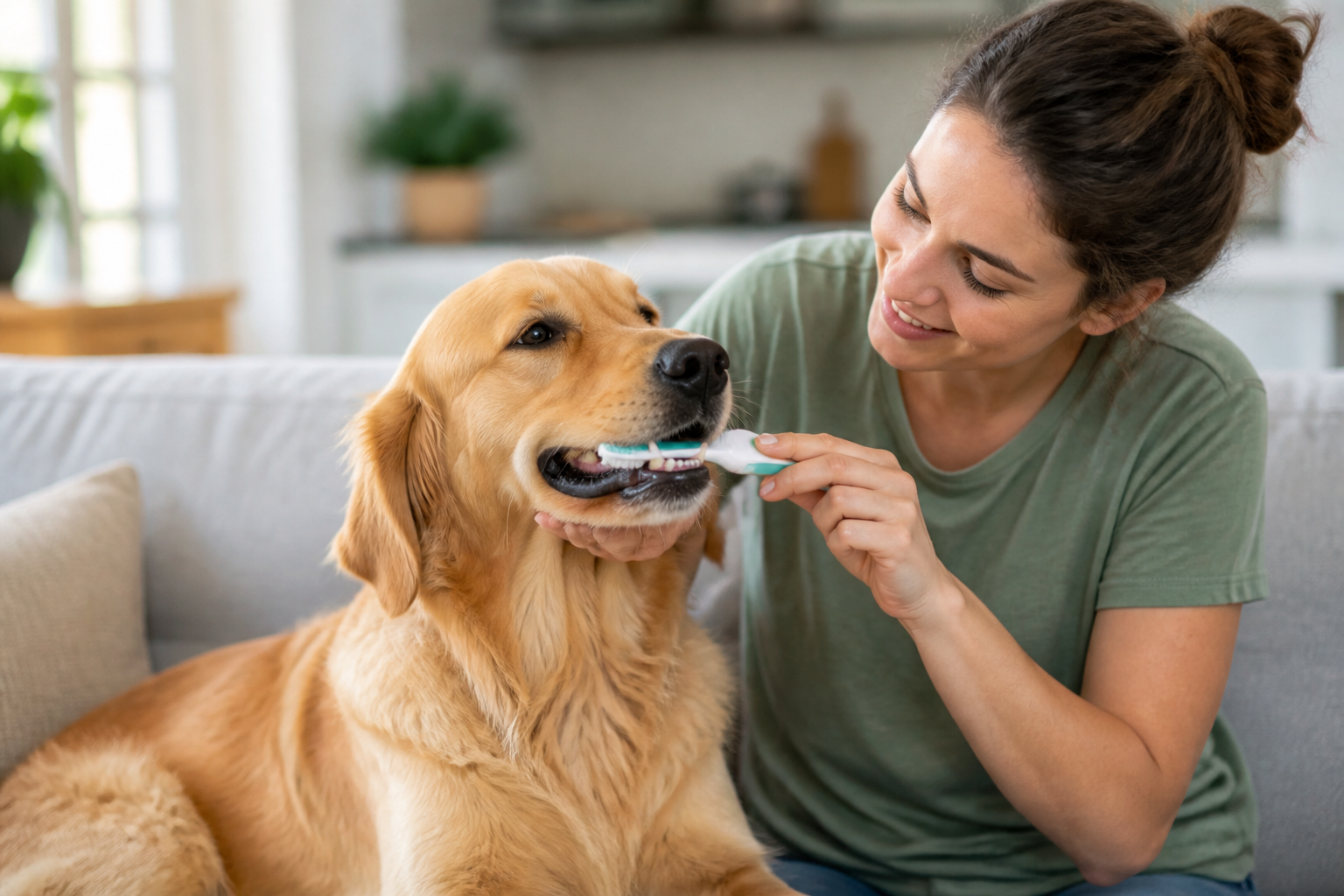
You lean in for a snuggle, and it hits you. That signature dog breath is often the first sign that your pet needs a dental routine. Many owners feel overwhelmed by the options available for oral hygiene. At BaxterBoo, we know that keeping those pearly whites clean is about more than just a fresh smell. It is a vital part of their overall health and comfort. This guide covers the specific tools and products you can use to maintain your dog's mouth at home. We will look at everything from enzymatic toothpastes to dental chews and water additives. Our goal is to help you build a routine that works for your lifestyle and your dog's personality.
Quick Answer: The best tools to clean a dog's teeth include enzymatic toothpaste, soft-bristled toothbrushes, and VOHC-approved dental chews. For dogs that resist brushing, dental wipes and water additives provide helpful alternatives to reduce plaque buildup.
Why Your Dog Needs Regular Dental Cleaning
Most dogs show signs of dental disease by the time they reach three years of age. This happens because bacteria and food particles form a sticky film called plaque. If plaque stays on the teeth, it hardens into tartar within 48 hours. Tartar is much harder to remove and usually requires a professional cleaning under anesthesia.
Ignoring dental health can lead to painful infections and tooth loss. In some cases, bacteria from the mouth can even enter the bloodstream. This may cause issues with the heart, liver, or kidneys. Regular cleaning at home keeps the gum line healthy and prevents these more serious complications.
We often see dogs that become irritable or lose their appetite because of mouth pain. By using the right cleaning products, you can keep your pet happy and avoid expensive veterinary procedures later. A healthy mouth is a major factor in a long and comfortable life for your dog. Explore our dog dental care collection to find tools for building an at-home routine.
The Gold Standard: Dog-Safe Toothpaste and Brushes
Brushing is the most effective way to remove plaque before it turns into tartar. However, you must use products designed specifically for dogs. Human toothpaste often contains ingredients like xylitol or fluoride that are toxic to pets. It also contains foaming agents that can upset a dog's stomach if swallowed.
Enzymatic Toothpastes
Dog toothpastes are usually enzymatic. This means they use proteins to break down food particles and bacteria chemically. Most brands come in flavors dogs actually enjoy, such as poultry, beef, or peanut butter. This makes the experience feel more like a treat than a chore.
Finger Brushes versus Handle Brushes
You have a few choices when it comes to the actual brush. A finger brush is a small silicone sleeve that fits over your index finger. This is often the best choice for beginners because it gives you more control and feels less threatening to the dog.
A standard dog toothbrush has a long handle and a small, soft-bristled head. Some even have angled heads to reach the back molars more easily. If your dog has a very small mouth, a child-sized soft toothbrush can also work well. For more guidance on introducing oral care, read these pet dental care tips.
Vet Tip: Always consult your veterinarian if you notice bleeding gums, loose teeth, or a sudden change in eating habits. These symptoms may require a professional assessment or prescription treatment rather than just home cleaning.
Effective Alternatives to Traditional Brushing
Not every dog will sit still for a toothbrush. If your pet is resistant, you can still improve their oral health using other methods. While these are not as thorough as brushing, they are much better than doing nothing at all.
Dental Wipes
Dental wipes are textured pads that you wrap around your finger. They allow you to manually scrub the surface of the teeth and the gum line. They are excellent for dogs that are "mouth shy" and do not like the sensation of bristles. We find that many senior dogs tolerate wipes better than brushes.
Water Additives
Water additives are like a drinkable mouthwash for dogs. You simply add a small amount to their daily water bowl. These liquids contain ingredients that help neutralize bacteria in the mouth. They are a "hands-off" solution that works well for busy owners or very stubborn pets.
Dental Gels and Sprays
Gels and sprays are designed to be applied directly to the teeth and gums. You do not always need to brush them in. The dog's saliva helps spread the product around the mouth. This is a quick way to freshen breath and introduce enzymes that fight plaque. You can also explore our dog dental supplements for additional oral-care options.
Key Takeaway: Combining multiple methods, such as using a water additive daily and brushing twice a week, provides the best protection against tartar buildup.
Using Dental Chews for Mechanical Cleaning
Chewing is a natural behavior that provides a mechanical cleaning effect. As your dog bites down on a dental chew, the texture of the treat scrapes against the surface of the tooth. This helps rub away plaque before it hardens. Browse our dental chews for dogs for options in different textures and sizes.
Look for the VOHC Seal
When choosing a dental treat, look for the Veterinary Oral Health Council (VOHC) seal. This seal means the product has been tested and proven to reduce plaque or tartar. Brands like Greenies and Royal Canin often carry this certification.
Choosing the Right Size
Size is critical for both safety and effectiveness. If a chew is too small, your dog might swallow it whole without chewing. If it is too large, they may struggle to get their mouth around it. Most brands provide a weight guide on the package to help you choose the right fit.
Calorie Considerations
Dental treats do contain calories. If you give your dog a chew every day, you may need to adjust their meal portions slightly. This helps prevent unwanted weight gain while still supporting their dental health. For more ideas, see these dental chews for dogs.
Dental Diets and Prescription Food
What your dog eats every day plays a massive role in their oral hygiene. Some specialized kibble is designed to help clean teeth as the dog eats. Unlike standard kibble that may crumble easily, dental kibble is often larger and more fibrous.
How Dental Kibble Works
The fibers in dental diets are arranged in a specific pattern. When the tooth sinks into the kibble, the fibers "scrub" the surface of the tooth. This is much more effective than soft wet food, which can actually stick to the teeth and encourage plaque growth.
Prescription Dental Care
If your dog has a history of severe dental issues, your vet might recommend a prescription diet. These foods are formulated with specific minerals that help prevent tartar from forming. Our pharmacy carries many of these FDA-approved diets. You will need a valid prescription from your veterinarian to order these specialized foods.
Bottom line: Feeding a specialized dental diet turns every mealtime into a mini cleaning session for your dog's teeth.
Safe Toys for Mechanical Cleaning
Playtime can double as a cleaning session if you choose the right toys. Certain materials are better at removing debris than others. Rubber toys with ridges or "nubs" are particularly helpful. Browse our dental dog toys for textured options designed around chewing and play.
Textured Rubber Toys
Brands like Kong make toys specifically designed for dental health. These toys often have grooves that you can fill with dog-safe toothpaste or peanut butter. As the dog licks and chews to get the food out, the rubber ridges scrub their teeth.
Cotton Rope Toys
Rope toys can act like a natural floss. As the dog chews on the cotton fibers, the strands slide between the teeth. This helps remove trapped food and plaque from hard-to-reach areas. However, you should always supervise your dog with rope toys. If they start to shred and swallow the fibers, it can cause a dangerous blockage in their digestive system.
What to Avoid When Cleaning Dog Teeth
Not everything that is marketed for chewing is safe for your dog's teeth. Some items are too hard and can actually cause painful fractures.
- Real bones: Cooked bones can splinter and cause internal damage. Even raw bones can be hard enough to crack a tooth.
- Antlers and hooves: These are very popular but are notorious for causing slab fractures in large dogs.
- Tennis balls: The fuzz on a tennis ball is surprisingly abrasive. Over time, it can wear down the enamel on a dog's teeth like sandpaper.
- Human dental products: As mentioned, never use human toothpaste or mouthwash.
If an object is too hard for you to indent with your thumbnail, it is likely too hard for your dog to chew on safely. Always prioritize safety over durability.
Introducing a Cleaning Routine to Your Dog
Most dogs will not love having their teeth cleaned at first. The key is to make the introduction slow and positive. You want your dog to associate the cleaning products with rewards.
Step 1: Let them taste the paste. / Put a small dab of dog-specific toothpaste on your finger and let them lick it off. Do this for a few days without trying to touch their teeth.
Step 2: Get them used to mouth handling. / Gently lift your dog's lip and rub your finger along their gums. Give them a treat immediately afterward.
Step 3: Introduce the brush or wipe. / Once they are comfortable with your finger, introduce the brush. Use gentle, circular motions on the outside of the teeth.
Step 4: Focus on the back teeth. / The molars in the back of the mouth are where most tartar builds up. Gradually work your way back as your dog becomes more patient.
Key Takeaway: Patience is more important than perfection when you first start cleaning your dog's teeth at home.
Professional Cleaning and Veterinary Guidance
Even with the best home care, most dogs will eventually need a professional cleaning. A veterinarian can clean under the gum line where a toothbrush cannot reach. They also take dental X-rays to check for issues like root rot or jawbone loss.
If your dog has persistent bad breath despite your cleaning efforts, it is time for a vet visit. This often indicates an underlying infection or a damaged tooth that needs professional attention. Your vet can also provide prescriptions for dental rinses or antibiotics if your dog is struggling with gum disease.
BaxterBoo offers a wide range of support for these needs. From our selection of over 500 brands of treats and toys to our pharmacy partnership for prescription diets, we help you manage every stage of your dog's dental care. For regularly used supplies, our Autoship programme can help simplify repeat ordering.
Conclusion
Maintaining your dog's oral health does not have to be a daily struggle. By choosing the right enzymatic toothpaste and a soft brush, you can significantly reduce the risk of dental disease. For pets that are harder to manage, wipes, water additives, and VOHC-approved chews provide effective alternatives. Remember to stay consistent and always use products designed specifically for animals. Your efforts will result in fresher breath and a healthier, happier pet.
Bottom line: A combination of regular brushing and the right dental chews is the most effective way to protect your dog's oral health.
FAQ
Can I use baking soda to clean my dog's teeth?
While baking soda is not immediately toxic, it has a very high salt content that can upset a dog's stomach if swallowed in large amounts. It also has a taste that most dogs find unpleasant, which may make them resist future cleaning attempts. It is much better to use a flavored, enzymatic toothpaste designed specifically for pets. These pastes are safe to swallow and work more effectively to break down plaque.
How often do I really need to clean my dog's teeth?
Ideally, you should brush your dog's teeth every single day to prevent plaque from hardening into tartar. If daily brushing is not possible, aim for at least three times a week to see a noticeable benefit. Complementing your brushing routine with daily dental chews or water additives can help fill the gaps on the days you miss. Consistency is the most important factor in preventing long-term dental disease.
Do dental chews actually work as well as brushing?
Dental chews are a great tool, but they are generally not as effective as manual brushing. Brushing allows you to target the gum line and the specific areas where plaque accumulates most. Chews are better at cleaning the chewing surfaces of the teeth but often miss the areas near the gums. For the best results, use dental chews as a supplement to a regular brushing routine rather than a total replacement.
What should I do if my dog's gums bleed during cleaning?
Minor bleeding can sometimes happen if your dog has early-stage gingivitis or if you are using too much pressure. However, if the bleeding is persistent or heavy, you should stop and consult your veterinarian. Bleeding gums are often a sign of periodontal disease that needs professional treatment. Your vet may need to perform a deep cleaning or prescribe a dental gel to help the gums heal properly.






