Save 15% on your 1st Autoship learn more

 Email us
 Live Chat
 FAQs
FAQs





Introduction
You might notice your dog is suddenly gassy after a long day at daycare. Perhaps they have loose stools every time you switch their kibble. You may even have a dog who gets a nervous stomach during summer thunderstorms. These moments of digestive upset are common for pet parents. We know how stressful it is to watch your dog feel off. At BaxterBoo, we focus on providing practical solutions for everyday pet health. This includes understanding how supplements like probiotics can support your dog during times of transition or illness. Probiotics are beneficial bacteria that help maintain a healthy balance in your dog’s gut. This article covers the specific signs that your dog needs a probiotic and how to choose the right one. We also discuss when these supplements are most effective for long term wellness.
Quick Answer: You should give your dog probiotics during times of stress, such as boarding or moving, or when they are taking antibiotics. They are also helpful for managing chronic digestive issues, seasonal allergies, and anxiety. Many owners provide them daily to support overall immune function and gut health.
Understanding the Canine Microbiome
The gut is home to billions of microorganisms. This community is called the microbiome. It includes both good and bad bacteria. In a healthy dog, these bacteria live in a careful balance. This balance does more than just digest food. It supports the immune system and even affects a dog's mood.
When this balance is disrupted, it is called dysbiosis. Bad bacteria can take over. This often leads to gas, diarrhea, or a dull coat. Probiotics are live, beneficial microorganisms that you can add to your dog’s diet. They help restore the natural balance. They crowd out the harmful bacteria and strengthen the intestinal barrier.
Most of a dog’s immune system is actually located in their digestive tract. This means that gut health is the foundation for total body health. By supporting the gut, you are helping your dog fight off pathogens and stay resilient. For additional guidance, read our pet supplement guide.
Key Takeaway: A balanced gut microbiome is essential for digestion and immune strength. Probiotics work by adding "good" bacteria to the system to maintain this critical balance.
Common Signs Your Dog Needs Probiotics
It is not always obvious when a dog’s gut is out of balance. Some signs are clear, while others are more subtle. If you notice any of the following, your dog might benefit from a supplement.
- Frequent loose stools or occasional diarrhea.
- Excessive gas or a very rumbly stomach after eating.
- A dull, dry coat or itchy skin that does not improve with grooming.
- Bad breath that is not caused by dental issues.
- Lower energy levels or a lack of interest in food.
- Signs of anxiety like pacing, whining, or excessive licking.
If these symptoms are severe or come on suddenly, you should act quickly. Chronic issues like vomiting or bloody stools require a visit to the clinic. You can also browse our dog digestive health collection for supplement options.
Vet Tip: Always consult your veterinarian if your dog has persistent diarrhea or weight loss. While probiotics help many minor issues, a vet can rule out parasites, infections, or underlying conditions that may require prescription medication or specialized care.
When to Give Probiotics for Stress
Dogs are creatures of habit. They thrive on routine. When that routine changes, their bodies often react. Stress triggers a release of hormones like cortisol. This can physically change the environment in the gut.
Boarding and Travel
If you are planning a trip, your dog may feel the pressure. Staying at a kennel or traveling in a car can be overwhelming. Many owners start a probiotic regimen a few days before the event. This prepares the digestive tract. It ensures the "good" bacteria are at high levels before the stress begins.
Moving to a New Home
Moving involves new smells, new sounds, and a lot of chaos. This is a prime time for a dog to develop a nervous stomach. Continuing probiotics throughout the move can help them settle in more comfortably. It prevents the common "stress diarrhea" that many dogs experience during relocation. For related preparation tips, see Helping Your Dog Transition During a Move.
Adoption and New Environments
Bringing a new dog home is a huge transition. They are leaving a shelter or a previous home for a completely new life. Their gut health is likely already compromised by the stress of the shelter. Starting a gentle probiotic can help their digestive system stabilize as they adjust to their new family.
Probiotics During and After Antibiotics
Antibiotics are powerful tools. They save lives by killing dangerous infections. However, they do not only target the "bad" bacteria. They also kill the "good" bacteria in the gut. This is why many dogs get diarrhea while taking these medications.
Giving a probiotic during the course of antibiotics can help. It provides a constant supply of beneficial microbes to replace what the medicine is removing. However, timing is everything. If you give them at the exact same time, the antibiotic may just kill the probiotic bacteria immediately.
Most experts suggest waiting at least two hours after giving the antibiotic before you give the probiotic. This gap allows the medication to be absorbed while giving the live cultures a better chance to survive. You should also continue the probiotics for several weeks after the antibiotic course is finished. This helps the gut fully recover its natural diversity.
Bottom line: Probiotics are a vital support system for dogs on antibiotics, but they must be timed correctly to be effective.
Managing Dietary Changes and Scavenging
Dogs are notorious for eating things they shouldn't. From "counter surfing" to finding scraps on a walk, their guts face constant challenges.
Switching Dog Foods
If you need to change your dog's diet, their gut needs time to adjust. Even high quality food can cause issues if the transition is too fast. Probiotics make this transition smoother. They help the digestive tract process the new proteins and fibers more efficiently. We often recommend a slow transition over seven to ten days while using a daily supplement. For more information about diet-related digestive upset, read Can Dry Food Cause Diarrhea in Dogs?.
The "Scavenger" Dog
Some dogs simply cannot resist a rummage in the grass or the trash. These dogs are constantly exposed to harmful bacteria like Salmonella or Clostridium. A daily probiotic acts as a first line of defense. It makes the gut environment less hospitable to these "bad" bugs. If your dog has a sensitive stomach from scavenging, we carry several options in our warehouse to help firm up their stool.
Support for Chronic Health Conditions
Probiotics are not just for short term tummy troubles. They play a role in managing long term health needs.
Allergies and Skin Issues
The link between the gut and the skin is very strong. This is often called the "gut-skin axis." Dogs with seasonal allergies or food sensitivities often have less bacterial diversity in their intestines. By balancing the gut, you can sometimes reduce the severity of itchy skin and hot spots.
Senior Dog Health
As dogs age, their digestive systems become less efficient. They may not absorb nutrients as well as they once did. Probiotics help senior dogs get the most out of their food. They also support the immune system, which naturally weakens in older pets.
Anxiety and the Gut-Brain Axis
There is constant communication between the gut and the brain. Specific strains like Bifidobacterium longum have been shown to help dogs stay calmer. If your dog suffers from separation anxiety or noise phobias, a probiotic might be a helpful part of their behavior plan.
How to Choose the Best Dog Probiotic
Not all supplements are created equal. When you are looking through the options at BaxterBoo, keep a few key factors in mind. A product such as AnimalBiome DoggyBiome Gut Restore Supplement is one option designed for dogs with digestive support needs.
Look for Specific Strains
A good product should list the specific strains of bacteria. Common beneficial strains for dogs include:
- Enterococcus faecium: Excellent for shortening the duration of diarrhea.
- Lactobacillus acidophilus: Supports stool quality and nutrient absorption.
- Bifidobacterium animalis: Helps with acute digestive upset.
- Bacillus coagulans: A hardy spore-forming bacteria that survives the stomach acid well.
Colony Forming Units (CFUs)
The potency of a probiotic is measured in CFUs. This tells you how many live, active microbes are in each dose. For most dogs, a daily dose of 1 billion to 10 billion CFUs is standard. If your dog is dealing with a specific illness, your vet might recommend a higher concentration.
Form and Palatability
Probiotics come in powders, capsules, and soft chews. Most dogs love the taste of soft chews, which makes them easy to give as a treat. Powders are great for mixing into wet food or kibble. Capsules are useful for dogs with severe food allergies who need a very pure supplement.
| Probiotic Form | Best For | Pros |
|---|---|---|
| Soft Chews | Easy administration | Tastes like a treat; no mess |
| Powder | Picky eaters | Easy to hide in food; often high CFUs |
| Capsules | Targeted dosing | Can be hidden in a pill pocket; shelf-stable |
| Prescription Diets | Chronic conditions | Consistent daily intake through food |
How to Introduce Probiotics to Your Dog
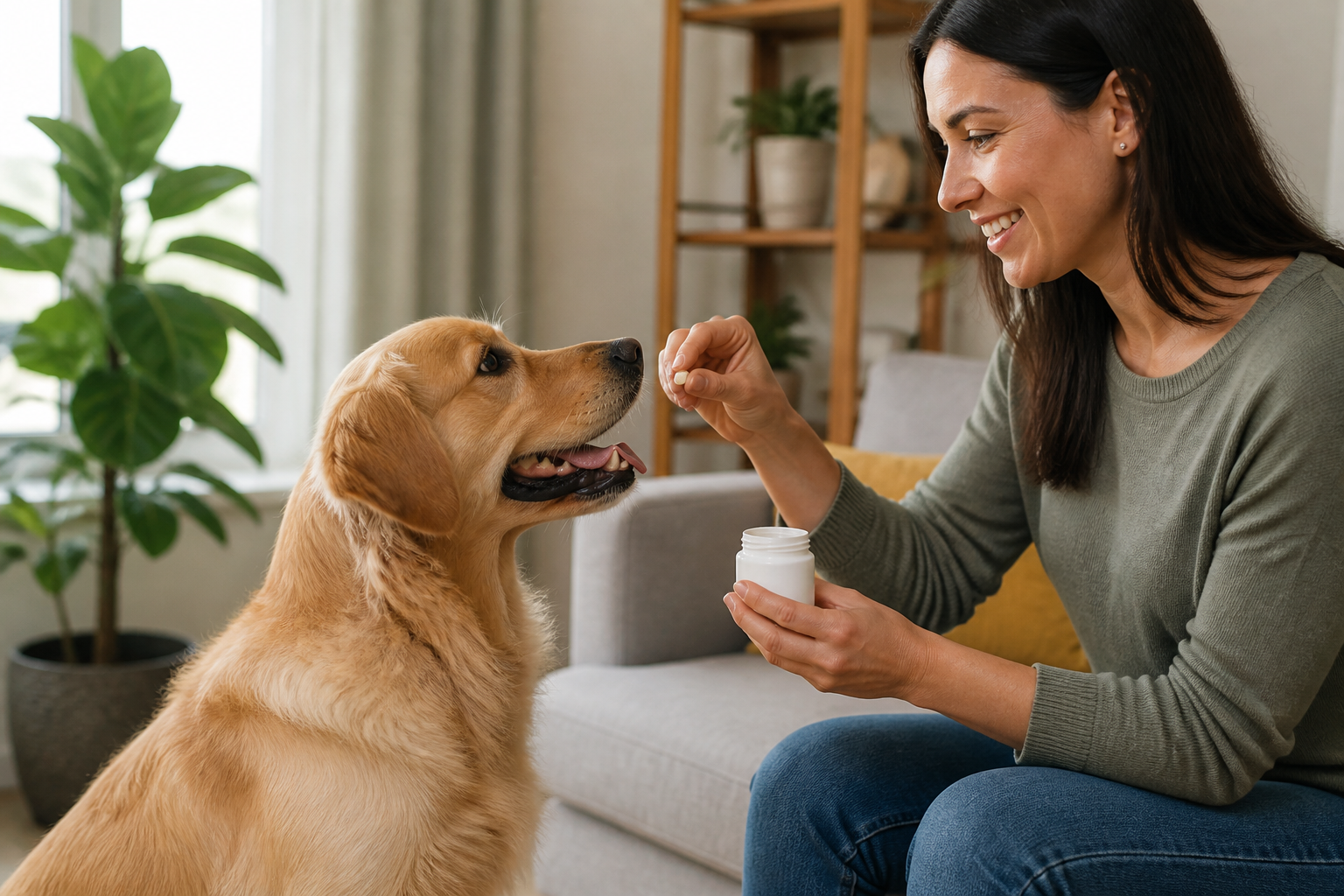
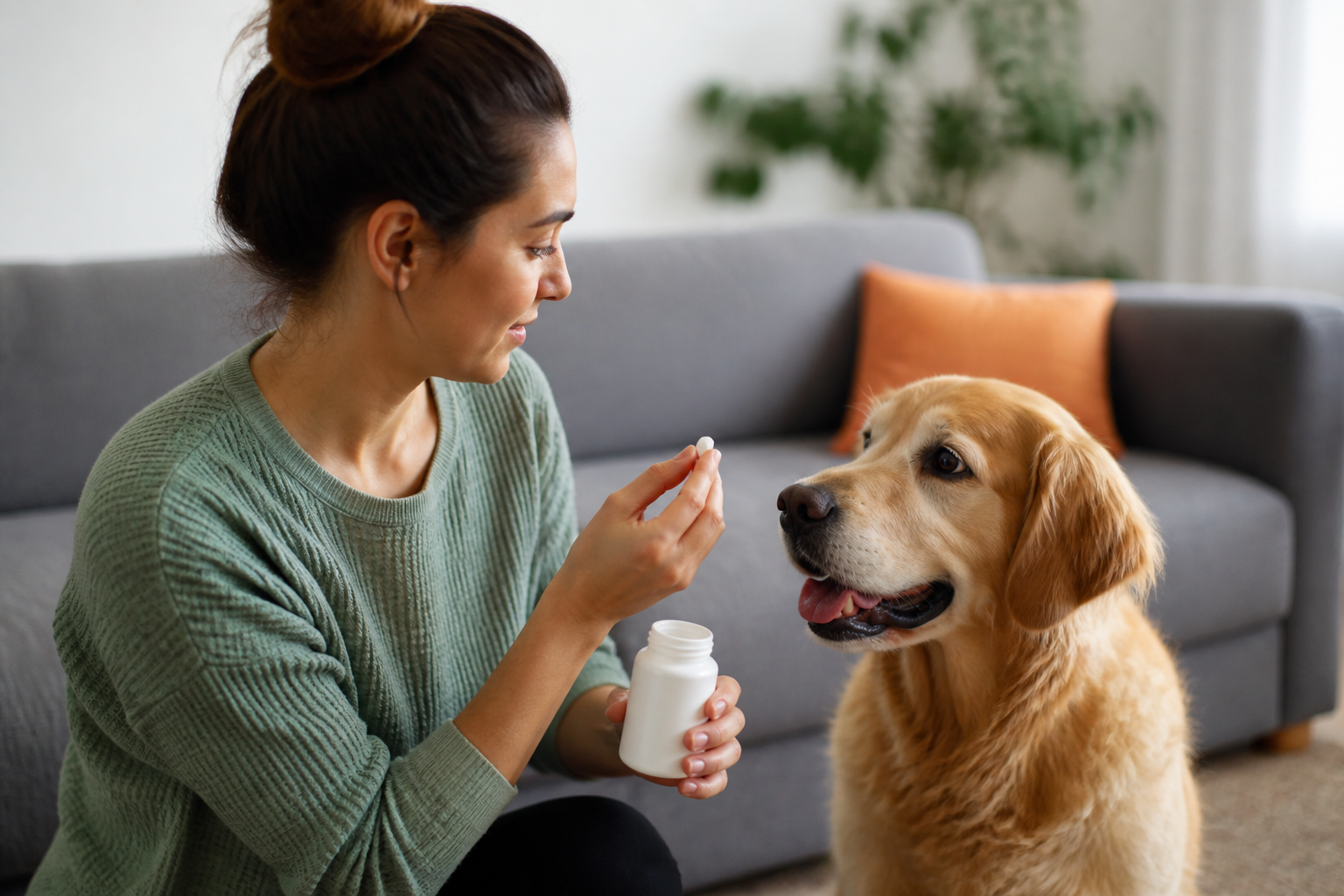
Introducing a new supplement should be done carefully. Most dogs tolerate probiotics very well, but their bodies need time to adjust to the new bacteria.
Step 1: Choose the right time. / Pick a day when your dog’s routine is otherwise normal. Do not start a new supplement on the same day you change their food or go to the groomer.
Step 2: Start with a half dose. / Give a smaller amount for the first two or three days. This allows the digestive system to adapt without causing gas or bloating.
Step 3: Monitor their stool. / Watch for any changes in frequency or consistency. A small amount of gas is normal at first, but it should go away quickly.
Step 4: Increase to the full dose. / Once you see that your dog is comfortable, move up to the amount recommended on the label or by your vet.
Step 5: Be consistent. / Probiotics work best when they are given every day at the same time. This keeps the levels of good bacteria steady.
The Role of the BaxterBoo Pharmacy
Sometimes, over the counter supplements are not enough. If your dog has a chronic condition like Irritable Bowel Disease (IBD) or severe food allergies, they may need a prescription approach. Our pet pharmacy provides access to FDA-approved medications and prescription pet foods through our partnership with Pet's Choice.
Many prescription diets, such as those from Royal Canin or Farmina Vet Life, are specifically formulated with high levels of prebiotics and probiotics. These diets are designed for dogs who need more than just a daily chew. If your veterinarian recommends a prescription diet for gastrointestinal health, we can help you fulfill that order conveniently. Our pharmacy ensures that you get the exact formula your dog needs to manage their health safely.
Vet Tip: If your dog's digestive issues do not clear up within a few days of starting a probiotic, it is time for a professional checkup. Your vet may need to prescribe a therapeutic diet or a stronger medication to address the root cause of the problem.
Safety and Potential Side Effects
Probiotics are generally considered very safe for most dogs. However, because they are changing the environment of the gut, you might see some minor side effects during the first week.
- Gas and Bloating: This is the most common reaction. It usually means the bacteria are working to rebalance the system.
- Mild Digestive Discomfort: Some dogs might have slightly softer stools for a day or two.
- Changes in Appetite: Your dog might be a little less hungry as their body adjusts.
If your dog is severely immunocompromised, use caution. These dogs may not be able to handle the introduction of new bacteria, even "good" ones. Always talk to your vet if your dog has a serious underlying illness before starting any new supplement.
Conclusion
Probiotics are a versatile and effective way to support your dog’s health. Whether you are dealing with a stressful move, a course of antibiotics, or chronic allergies, these beneficial bacteria provide the support your dog's gut needs. They are a simple daily addition that can make a big difference in your dog's energy, comfort, and immune strength.
To help your dog feel their best, follow these steps:
- Identify the triggers like stress or dietary changes.
- Choose a high quality probiotic with a high CFU count and specific strains.
- Introduce the supplement slowly and stay consistent with the timing.
- Watch for improvements in skin, coat, and digestion over the first four weeks.
Key Takeaway: Giving your dog probiotics is an excellent proactive step for their wellness. For ongoing support, you can even set up your supplements on our Autoship programme so you never run out.
FAQ
Can I give my dog probiotics every day?
Yes, daily use is often the most effective way to maintain a healthy gut. Consistent daily dosing ensures that the beneficial bacteria stay at levels high enough to fight off pathogens and support the immune system. Many owners make it a permanent part of their dog's wellness routine.
Is it okay to give my dog human probiotics?
While human probiotics are generally not toxic to dogs, they are not ideal. Dogs have a different gut microbiome than humans, and supplements designed for people may not contain the specific strains dogs need. It is always better to use a product formulated specifically for canine digestion to ensure proper dosing and efficacy.
How long does it take for probiotics to work in dogs?
The timeline depends on the reason you are giving them. For acute issues like diarrhea from stress, you might see improvements within one to three days. For chronic issues like skin allergies or anxiety, it can take four to six weeks of consistent use to see a noticeable change in your dog's health.
Can puppies take probiotics?
Yes, puppies can benefit greatly from probiotics as their immune systems and digestive tracts are still developing. They are particularly helpful during the weaning process or when a puppy is transitioning to a new home. Always choose a puppy-specific formula and consult your veterinarian for the correct dosage for a growing dog.