
 Save 15% on your 1st Autoship learn more

 Email us
 Live Chat
 FAQs
FAQs





Introduction
You lean in for a pup kiss and notice a smell that is more than just typical dog breath. Maybe you see a thick layer of yellow or brown crust along your dog's gum line. These are the moments when every pet owner asks where to clean dogs teeth and how to do it safely. While many grooming tasks happen in your living room, dental care is a two part process involving your local veterinarian and your daily routine at home.
At BaxterBoo, we know that dental health is a cornerstone of your pet's overall well being. This guide explains why the vet clinic is the only place for a deep professional cleaning. We also cover how you can maintain those results at home using the right tools and techniques. From understanding the role of anesthesia to picking the best dental chews, we have the information you need to keep your dog's smile bright and healthy.
Quick Answer: Professional dog teeth cleaning should always be performed at a veterinary clinic by a licensed veterinarian. Home care, including daily brushing and dental treats, is essential for maintaining oral health between these professional visits.
The Professional Dental Visit: Why the Vet is Number One
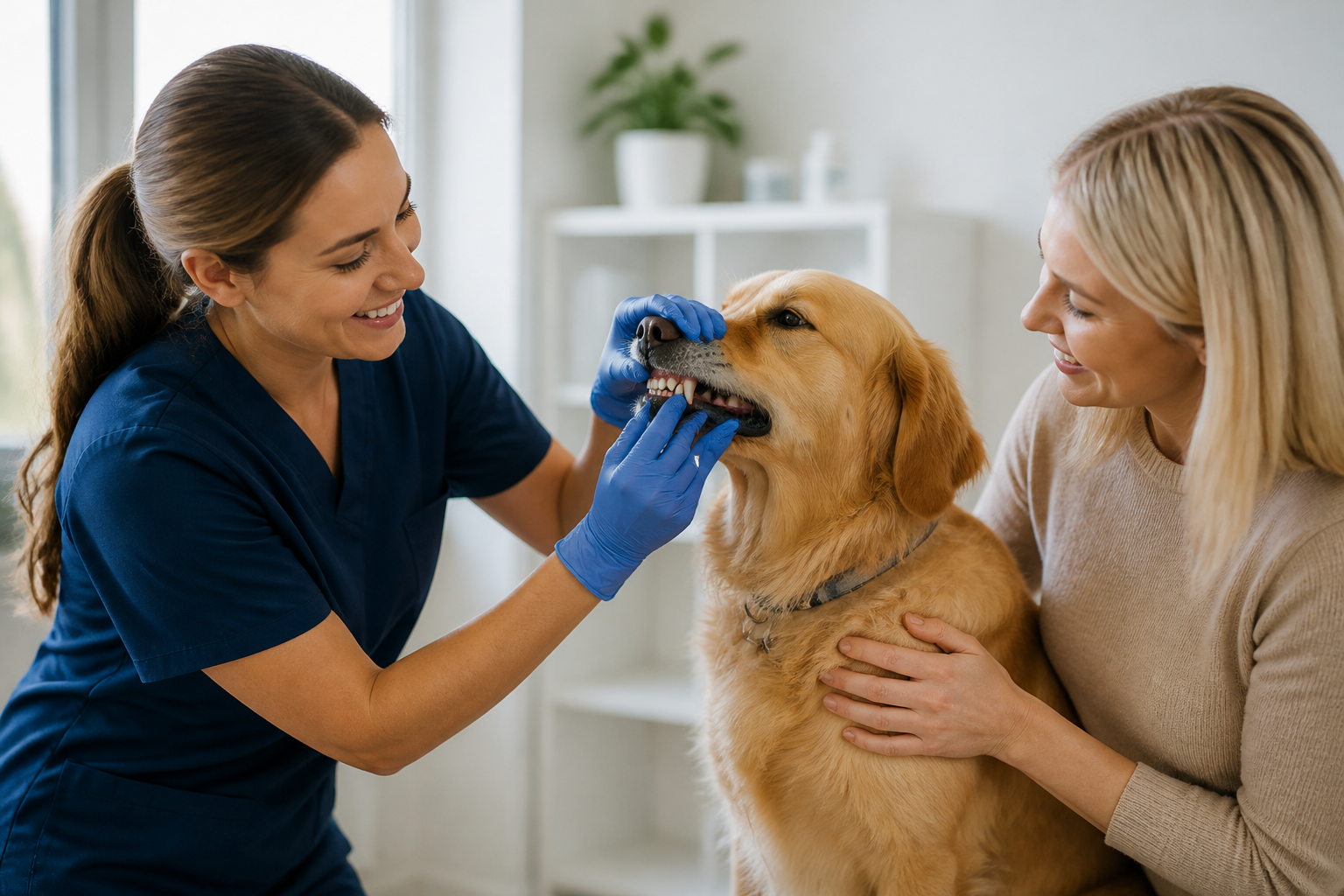
When people ask where to clean dogs teeth, the primary answer is always the veterinary office. A professional dental cleaning for a dog is a medical procedure. It is far more involved than the scaling a human gets at a routine dental checkup. Veterinarians have the specialized equipment and medical training to address what is happening below the gum line. This is where the most significant dental disease hides.
Surface cleaning or cosmetic scraping at a groomer is not a substitute for veterinary care. While your dog’s teeth might look whiter after a surface scrape, the bacteria under the gums remain. This bacteria can eventually enter the bloodstream and affect your dog's heart, liver, and kidneys. At our warehouse in Vernon Hills, we often talk to owners who are surprised to learn that dental health is so closely linked to internal organ health.
What Happens During a Professional Cleaning?
A professional cleaning is a multi step process designed to treat existing issues and prevent future ones. It begins with a physical exam while your dog is still awake. Your vet will look for obvious signs of trouble like loose teeth, oral masses, or heavy tartar. However, the real work happens once your dog is safely under anesthesia.
Step 1: Oral Examination / The vet performs a tooth by tooth inspection. They use a periodontal probe to check for pockets under the gums where bacteria hide.
Step 2: Dental X-rays / Much of a dog's tooth is hidden under the bone and gum. X-rays allow the vet to see if roots are rotting or if there are hidden abscesses that cause pain.
Step 3: Scaling / Using ultrasonic and hand scalers, the veterinary team removes plaque and tartar. This includes the areas deep under the gum line that are impossible to reach at home.
Step 4: Polishing / Scaling leaves microscopic scratches on the tooth enamel. Polishing smooths these out so plaque has a harder time sticking to the teeth in the future.
Step 5: Irrigation / The mouth is rinsed to remove any debris or paste left over from the scaling and polishing steps.
Key Takeaway: A professional veterinary cleaning is the only way to remove tartar from below the gum line and identify hidden infections through X-rays.
Why Dogs Need Anesthesia for Dental Work
One of the most common concerns for pet owners is the use of anesthesia. It is the main reason a vet clinic is the only place where to clean dogs teeth professionally. You cannot ask a dog to hold still while a sharp ultrasonic scaler vibrates against a sensitive or painful tooth. Anesthesia ensures your dog is not stressed, feels no pain, and remains completely still.
Modern veterinary anesthesia is very safe. Your vet will likely require pre-anesthetic blood work to ensure your dog's organs are functioning well. During the procedure, a dedicated technician monitors your dog's vitals. This high level of care is why professional cleanings carry a higher cost than a simple grooming visit.
If your dog requires extractions or has a severe infection, our pet pharmacy carries the necessary medications to help them recover. Through our partnership with Pet's Choice, we offer FDA-approved antibiotics and pain relievers that your vet may prescribe after a dental procedure.
Signs Your Dog Needs a Professional Cleaning
It is not always easy to tell when a dog is in pain. Dogs are experts at hiding discomfort, especially when it comes to their mouths. You might not notice anything is wrong until the dental disease is advanced. Regular checkups are the best way to stay ahead of these issues.
- Persistent bad breath: This is often the first sign of an infection or heavy bacteria load.
- Discolored teeth: Yellow, brown, or gray buildup on the teeth is a clear sign of tartar.
- Bleeding or red gums: Healthy gums should be a soft pink. Redness or bleeding during play is a sign of gingivitis.
- Difficulty eating: If your dog drops food, chews on only one side, or stops eating dry kibble, they may have a painful tooth.
- Excessive drooling: New or increased drooling can indicate oral pain or a foreign object stuck in the mouth.
- Pawing at the face: This is a common sign of acute dental pain.
Vet Tip: If you notice your dog is suddenly shy about having their face touched or is dropping kibble, schedule a veterinary exam immediately. These are often signs of a fractured tooth or a painful abscess that requires professional intervention.
How to Clean Your Dog's Teeth at Home
While the vet handles the deep cleaning, your job is daily maintenance. Think of the vet visit like a professional detailing for your car and home brushing like your daily car wash. Both are necessary to keep things running well. Starting a home routine early in your dog's life is the best way to prevent expensive dental surgeries later.
Step 1: Choose the right time / Find a moment when your dog is relaxed. After a long walk or a play session is often best.
Step 2: Introduce the paste / Put a small amount of dog safe toothpaste on your finger. Let your dog lick it off. We carry several flavors like poultry or beef that dogs actually enjoy.
Step 3: Test the brush / Gently rub your dog's teeth and gums with your finger or a soft finger brush. Keep it brief and offer plenty of praise.
Step 4: Start brushing / Once they are comfortable, use a dog specific toothbrush. Focus on the outside surfaces of the teeth where the most tartar builds up. Aim for a 45 degree angle toward the gum line.
Step 5: Reward / Always end the session on a positive note. Give them a dental chew or a favorite toy to reinforce that brushing is a good experience.
For additional guidance, read our tips for starting a pet dental care routine.
Choosing the Right Dental Tools
The market is full of dental products, but not all are created equal. Using the wrong tools can actually be harmful. For example, you should never use human toothpaste for a dog. Human toothpaste contains fluoride and often xylitol, both of which are toxic to dogs when swallowed. Since dogs cannot spit, they need a formula designed to be safely ingested.
We recommend looking for products with the Veterinary Oral Health Council (VOHC) seal of approval. This seal means the product has been scientifically tested and proven to reduce plaque or tartar.
- Toothbrushes: You can use a long handled brush for large dogs or a finger brush for smaller breeds.
- Dental Chews: Brands like Greenies are designed with a texture that scrubs the teeth as the dog chews.
- Dental Toys: Kong toys and other textured rubber toys help massage gums and scrape away soft plaque during play.
- Water Additives: These are an excellent option for dogs that absolutely will not tolerate brushing. You simply add a capful to their water bowl to help kill bacteria.
For a pet-specific toothpaste option, consider Virbac C.E.T. Enzymatic Pet Toothpaste for Dogs and Cats - Poultry.
Key Takeaway: Always use pet-specific toothpaste and look for the VOHC seal on treats and toys to ensure they are effective and safe for your dog.
The Role of Diet in Dental Health
What your dog eats every day plays a role in their oral health. There is a common belief that dry kibble cleans teeth better than wet food. While the crunch of kibble can provide some mechanical scrubbing, most kibble pieces shatter too easily to provide a real benefit. However, specific prescription dental diets are different.
These prescription foods are formulated with a larger kibble size and a specific fiber matrix. This forces the dog to chew, and the kibble wraps around the tooth to scrub it before it breaks. If your veterinarian recommends a prescription dental diet, our pharmacy can fulfill that order through our Pet's Choice partnership. These diets are often used for dogs that are prone to rapid tartar buildup.
Breed-Specific Dental Needs
Some dogs are simply more prone to dental issues than others. Small breeds and brachycephalic (flat faced) breeds often have crowded mouths. Even though they are smaller, they still have 42 teeth. This crowding creates many nooks and crannies where food and bacteria get trapped.
Small dogs like Chihuahuas and Yorkies often struggle with retained baby teeth. If the baby teeth do not fall out, they can cause the adult teeth to grow in at odd angles. This makes cleaning even more difficult. If you own a small or flat faced breed, you should be extra diligent with daily brushing and regular vet checkups.
Bottom line: Smaller dogs and flat-faced breeds require more frequent dental monitoring due to their unique jaw structures and crowded teeth.
Saving on Dental Costs
Professional dental care can be expensive, but there are ways to manage the cost. The best way to save is through prevention. A tube of toothpaste and a bag of dental chews are significantly cheaper than a surgical extraction under anesthesia.
- Routine exams: Catching a problem when it is just gingivitis is much cheaper than treating a full blown infection.
- Dental health months: Many veterinary clinics offer discounts during February, which is National Pet Dental Health Month.
- MVP Rewards: When you shop with us, our MVP Rewards program helps you earn points on every dental purchase, from toothbrushes to treats.
- Autoship: Use our Autoship program for your dog's favorite dental chews. You will save on every order and never run out of the supplies you need for daily care.
For more ideas, explore these dental chews for dogs.
Conclusion
Determining where to clean dogs teeth is a vital part of being a responsible pet owner. While your local veterinarian is the only professional equipped to handle deep cleaning and X-rays, your daily efforts at home make the biggest difference in the long run. By combining professional care with consistent brushing and high quality dental treats, you can protect your dog from pain and serious health complications.
- Schedule a veterinary dental exam at least once a year.
- Brush your dog's teeth daily using pet safe products.
- Provide VOHC approved dental chews to help manage plaque.
- Watch for signs of pain or bad breath and act quickly.
Key Takeaway: Effective dental care is a partnership between you and your vet. Daily home care extends the time between professional cleanings and keeps your dog's mouth healthy.
Visit our dog dental care category to find the brushes, pastes, and treats your dog needs to maintain a healthy smile.
FAQ
How often should I have my dog's teeth professionally cleaned?
Most dogs benefit from a professional cleaning once a year starting around age two. However, small breeds or dogs with a history of dental disease may need more frequent visits, sometimes every six months. Your veterinarian will recommend the best schedule based on your dog's specific oral health during their annual physical exam.
Can I clean my dog's teeth at home instead of going to the vet?
Home cleaning is a vital part of maintenance, but it cannot replace a professional veterinary cleaning. Brushing only removes soft plaque from the surfaces you can see. It cannot remove hardened tartar or reach the bacteria living deep under the gum line that causes bone loss and infection.
Is anesthesia really necessary for dog teeth cleaning?
Yes, anesthesia is necessary for a safe and thorough dental procedure. It allows the vet to perform a complete exam, take X-rays, and scale under the gums without causing the dog stress or pain. Anesthesia free cleanings are purely cosmetic and do not address the underlying health issues that occur below the visible surface of the tooth.
What happens if I don't clean my dog's teeth?
Neglecting dental care leads to periodontal disease, which causes chronic pain, tooth loss, and gum infections. Beyond the mouth, the bacteria from infected gums can enter the bloodstream. This can lead to serious damage to vital organs like the heart, liver, and kidneys, potentially shortening your dog's lifespan.






