
 Save 15% on your 1st Autoship learn more

 Email us
 Live Chat
 FAQs





Introduction
You are petting your cat and notice small white flakes scattered across their glossy fur. These specks might look like grains of salt or tiny bits of paper. While it is tempting to brush them away and move on, these flakes often tell a deeper story about your cat's health. At BaxterBoo, we know that a healthy coat starts from the inside out. This post covers the differences between normal shedding and dandruff. We will look at environmental triggers, nutritional gaps, and when those flakes signal a need for medical care. Understanding why your cat has dry skin helps you restore their comfort and shine.
Understanding the Difference Between Dander and Dandruff
It is common for pet owners to use the words dander and dandruff interchangeably. However, they are two very different things. All cats produce dander. It consists of microscopic skin cells that shed naturally as part of a healthy skin cycle. You cannot see dander with the naked eye. It is the primary carrier of the protein that causes cat allergies in humans.
Dandruff is visible. It involves larger clumps of dead skin cells that have matured and fallen off prematurely or in excess. When you see white dandruff on a cat, it means the natural balance of the skin has shifted. This can happen because the skin is too dry or even too oily.
Quick Answer: White dandruff on a cat is a visible collection of dead skin cells. While small amounts can be normal, frequent flaking often suggests issues with grooming, nutrition, or underlying health conditions that require attention.
Cat Skin & Coat Care












Common Environmental Triggers
The air inside your home plays a significant role in your cat's skin health. During the winter months, indoor heating systems strip moisture from the air. This dry environment can cause a cat's skin to become brittle and flaky. You might notice that the dandruff worsens when the heater is running constantly.
Low humidity does more than just cause flakes. It can make the skin itchy and uncomfortable. If your cat spends a lot of time near heat vents, the problem may be localized to one area of their body.
Seasonal Changes
Seasonal shifts also affect the coat. Cats often go through heavy shedding periods in the spring and fall. During these times, the skin works harder to produce a new coat. This increased activity can lead to a temporary rise in visible flakes. If the dandruff does not resolve after the shedding season ends, there is likely another cause.
Using a Humidifier
One of the simplest ways to manage environmental dandruff is to add moisture back into your home. A small humidifier placed near your cat's favorite sleeping spot can make a big difference. This helps keep the skin barrier hydrated without needing topical treatments.
Grooming Habits and Physical Limitations
Cats are famous for their cleanliness. They spend a large portion of their day grooming. This process does more than just clean the fur. It distributes natural oils across the skin and removes dead cells before they can clump into dandruff. When a cat stops grooming effectively, dandruff is often the first sign.
Obesity and Accessibility
If a cat is carrying extra weight, they may struggle to reach certain parts of their body. The lower back and the base of the tail are common "blind spots" for overweight cats. You will often see a thick layer of white flakes in these areas. The skin becomes congested because the cat cannot physically reach it to groom.
Senior Cats and Arthritis
Older cats often deal with joint stiffness or arthritis. Twisting and bending to groom can become painful. A senior cat might look unkempt or develop matted fur along their spine. This lack of grooming allows dead skin to accumulate. We carry a variety of grooming tools in our cat grooming collection that can help you step in when your cat can no longer do the job alone.
Key Takeaway: Dandruff localized to the lower back is often a sign that your cat cannot reach that area due to weight or joint pain.
The Role of Nutrition in Skin Health
What your cat eats directly impacts the quality of their skin and coat. The skin is the largest organ in the body. it requires a significant amount of protein and healthy fats to stay supple. If a diet is lacking in essential nutrients, the skin is often the first place to show signs of trouble.
Essential Fatty Acids
Omega-3 and Omega-6 fatty acids are crucial for a healthy skin barrier. These fats help retain moisture and reduce inflammation. Many high-quality cat foods include these, but some cats require higher levels.
- Omega-3s: Often derived from fish oil, these help calm skin irritation.
- Omega-6s: These support the structural integrity of the skin cells.
If you are seeing persistent white flakes, your cat might benefit from a supplement. Brands like Zesty Paws or Honest Paws offer targeted skin and coat support. You can also explore our cat healthcare options for supplements and other wellness products.
Hydration and Wet Food
Cats have a low thirst drive. In the wild, they get most of their water from their prey. Cats that eat only dry kibble may live in a state of mild, chronic dehydration. This can lead to dry, flaky skin. Introducing wet food into the daily routine is an excellent way to boost hydration. Wet food from brands like Tiki Cat or Fussie Cat can provide the moisture needed to keep the skin healthy from within. For more ideas, read about choosing food for a sensitive stomach cat or browse our cat food selection.
Vet Tip: If you notice your cat is drinking significantly more water than usual alongside having dandruff, schedule a vet visit. This combination can sometimes point to issues like diabetes or kidney disease.
Identifying "Walking Dandruff"
Not all white flakes are dead skin. There is a specific parasite called Cheyletiella mites that mimics the appearance of dandruff. These mites are large enough to be seen with the naked eye. Because they move around under the fur, the condition is commonly called walking dandruff.
If you look closely at the flakes and notice them moving, your cat likely has a mite infestation. This condition is highly contagious to other pets and can even cause itchy red bumps on humans.
Parasite Prevention
Regular flea and tick prevention often helps protect against various mites as well. Our pharmacy offers FDA-approved preventives like Frontline or NexGard through our partnership with Pet's Choice. Keeping your cat on a year-round preventive is the best way to avoid the discomfort of walking dandruff. For additional guidance, review this guide to flea and tick prevention products or explore our cat pharmacy.
Underlying Medical Conditions
Sometimes, white dandruff on a cat is a symptom of a systemic health issue. The skin often reflects the internal state of the body.
Hormonal Imbalances
Hyperthyroidism is common in middle-aged and senior cats. It speeds up the metabolism, which can lead to a greasy or flaky coat. Similarly, diabetes can affect the skin's ability to heal and maintain moisture.
Allergies and Infections
Cats can suffer from environmental or food allergies just like humans. An allergic reaction often causes the skin to become inflamed. This leads to rapid cell turnover and excessive flaking. Bacterial or fungal infections, such as ringworm, can also cause localized patches of dandruff and hair loss.
The Importance of the Pharmacy
When dandruff is caused by a medical condition, a simple bath or brush will not fix it. Your veterinarian may prescribe medicated shampoos or oral medications. Our BaxterBoo pharmacy provides a convenient way to fill these prescriptions. We carry professional lines like Farmina Vet Life for cats needing specific prescription diets to manage their skin health.
Step-by-Step: Managing Dandruff at Home
If your vet has ruled out serious medical issues, you can manage mild dandruff with a consistent routine.
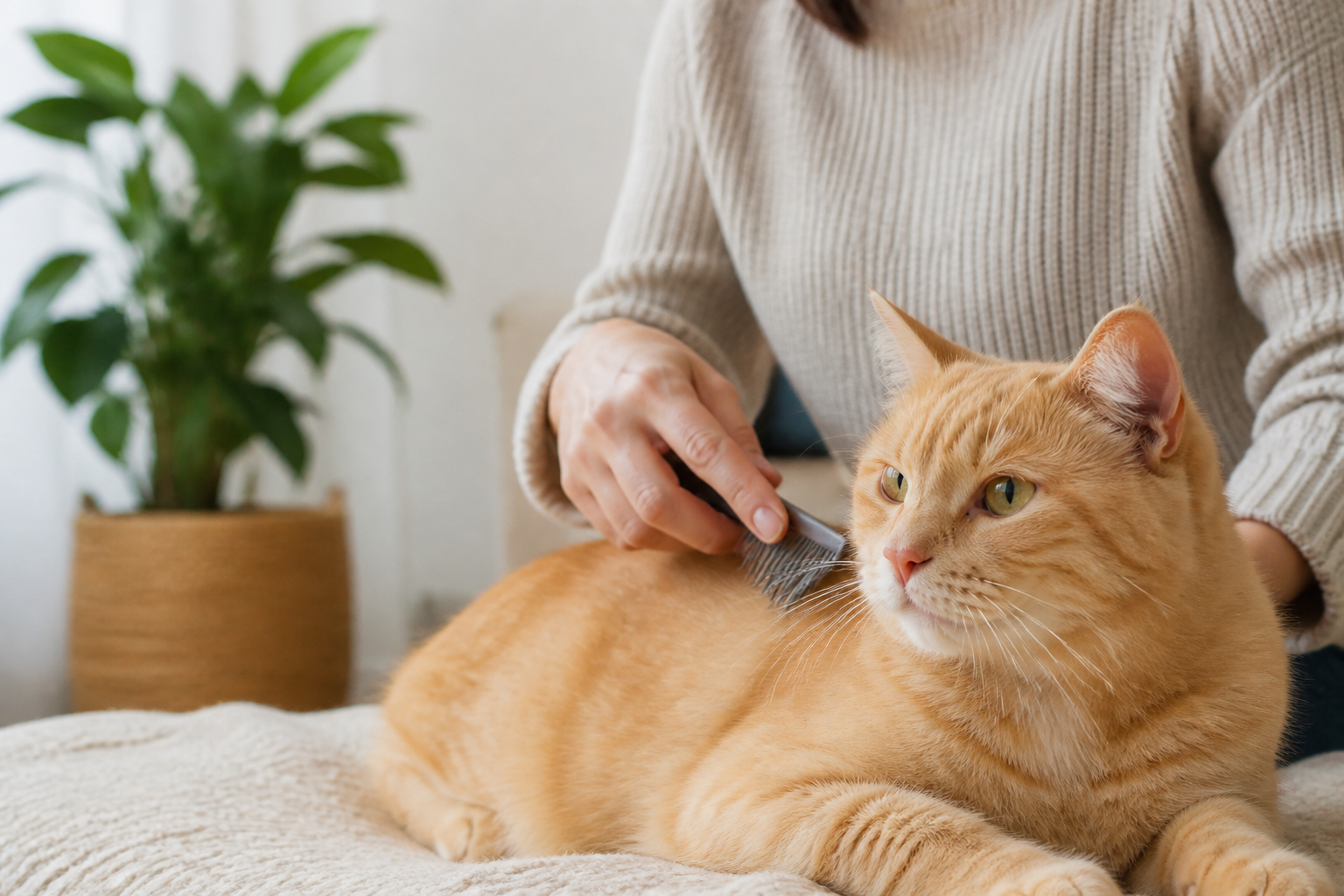
Step 1: Increase Brushing Frequency Brush your cat at least three times a week. This moves natural oils from the skin into the fur. Use a soft slicker brush or a rubber grooming tool to gently massage the skin.
Step 2: Evaluate the Diet Check your cat's food label for healthy fats. Consider adding a small amount of wet food to their daily meals to increase hydration.
Step 3: Improve the Environment Place a humidifier in the room where your cat spends the most time. Keep them away from direct heat sources like radiators or vents.
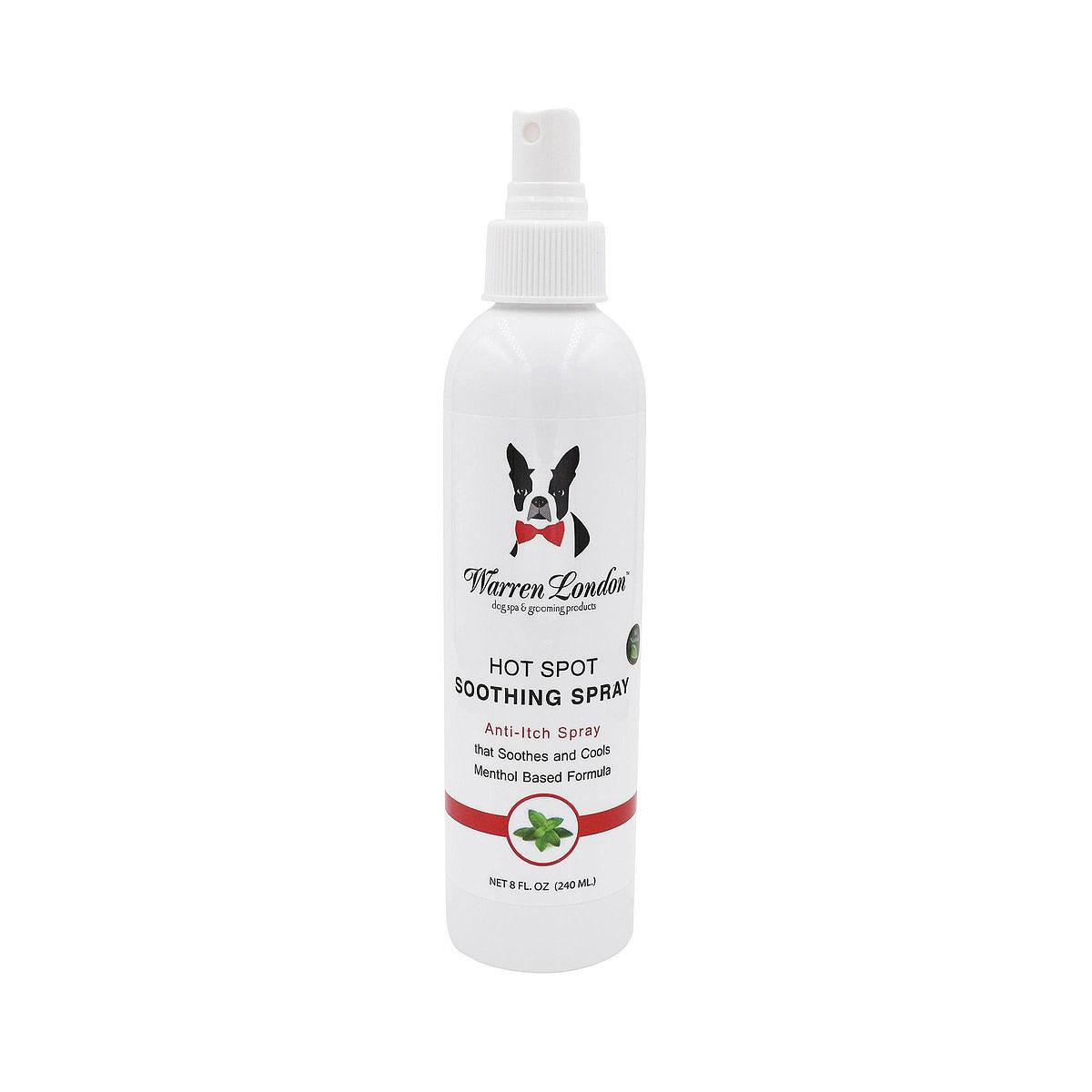
Step 4: Use a Grooming Wipe If your cat hates baths, use a moisturizing grooming wipe. This helps remove existing flakes without the stress of a full bath. For a no-rinse option, browse waterless grooming products for cats.
Key Takeaway: Consistent grooming and hydration are the two most effective ways to treat non-medical dandruff at home.
When to See Your Veterinarian
While a few flakes may not be an emergency, you should monitor your cat for other symptoms. Skin issues can escalate quickly if an infection is present.
- Intense Itching: If your cat is constantly scratching or over-grooming.
- Redness or Sores: If the skin under the flakes looks raw or inflamed.
- Hair Loss: If the dandruff is accompanied by bald patches.
- Behavior Changes: If your cat seems lethargic or stops eating.
A veterinarian can perform a skin scraping to look for mites or fungi. They may also run blood work to check for internal issues like thyroid function.
Vet Tip: Never use human dandruff shampoos on your cat. These products often contain ingredients like zinc or salicylic acid that can be toxic if your cat licks their fur.
Choosing the Right Grooming Tools
Selecting the right tool for your cat's coat type helps prevent skin irritation. Using the wrong brush can actually cause more flaking by scratching the skin surface.
Short-Haired Cats
Short-haired cats do well with rubber curry brushes or soft bristle brushes. These tools are gentle on the skin while effectively grabbing loose fur and flakes.
Long-Haired Cats
Long-haired cats require a sturdy comb or a slicker brush. These tools reach through the thick undercoat to prevent mats. Mats trap moisture and bacteria against the skin, which is a major cause of dandruff in long-haired breeds.
The Connection Between Stress and Skin
Cats are sensitive creatures. Changes in the household can lead to stress. When a cat is stressed, their body produces higher levels of cortisol. This hormone can affect the skin's barrier function and lead to dryness.
If you have recently moved or added a new pet, your cat's dandruff might be a physical reaction to the stress. Providing a calm environment and using calming pheromones can help their skin return to normal. For related ideas, read how to improve an indoor or outdoor cat's quality of life.
Bottom line: Dandruff is often a visible signal of a cat's overall physical or emotional health.
FAQ
Is cat dandruff contagious to humans?
Standard dandruff caused by dry skin or poor grooming is not contagious. However, if the dandruff is actually caused by Cheyletiella mites (walking dandruff) or a fungal infection like ringworm, it can spread to humans. It is important to have a vet confirm the cause if you notice itchy spots on yourself.
Can I give my cat a bath to get rid of dandruff?
Bathing a cat too often can actually make dandruff worse by stripping away natural oils. If a bath is necessary, use a soap-free, moisturizing shampoo specifically formulated for cats. For most cats, regular brushing and a damp cloth are better options than a full bath.
What is the best food for a cat with dry skin?
Foods rich in Omega fatty acids and high-quality animal proteins are best for skin health. Look for recipes that list a specific meat as the first ingredient and avoid those with excessive fillers. Transitioning to a diet with more moisture, such as a high-protein wet food, also helps.
Does brushing really help with dandruff?
Yes, regular brushing is one of the most effective ways to manage dandruff. It stimulates blood flow to the skin and helps distribute sebum, the skin's natural moisturizer. Brushing also removes the dead cells before they have a chance to clump together and become visible flakes.






- Site & Contents BaxterBoo.com. BaxterBoo is located in the United States.
- Privacy & Security
- Terms of Use
- Accessibility Statement
