
 Save 15% on your 1st Autoship learn more

 Email us
 Live Chat
 FAQs





Introduction
You are sitting on the sofa with your favorite feline when you notice something unusual. As you run your hand down their back, a flurry of white flakes appears against their dark fur. It looks like a light dusting of snow, but you know it is something else. You start to wonder why your cat has bad dandruff all of a sudden. At BaxterBoo, we talk to cat owners every day who are surprised to find that their typically clean pets have developed flaky skin. This guide covers the common causes of feline dandruff, from simple dry air to underlying health conditions that require a closer look. We will help you understand when those flakes are a minor nuisance and when they signal a need for a trip to the veterinarian.
Understanding Feline Dandruff Versus Dander
Before we look at the causes, it is important to distinguish between dandruff and dander. Every cat has dander. Dander consists of microscopic skin cells that shed naturally as part of the normal skin renewal process. You generally cannot see dander with the naked eye, though it is often the culprit behind human allergies.
Dandruff is different. It is visible. These are larger clumps of dead skin cells that have bonded together. When your cat has bad dandruff, these flakes often get trapped in the fur, particularly along the spine and near the base of the tail. While a few flakes might not be a crisis, a coat full of white specks usually means the skin is struggling to maintain its natural balance.
Quick Answer: Feline dandruff is a visible buildup of dead skin cells that indicates an imbalance in the skin or a disruption in grooming. It can be caused by environmental factors, poor nutrition, or underlying medical issues like obesity and arthritis.
Cat Skin & Coat Care








Why Does My Cat Have Bad Dandruff? Common Causes
The skin is the largest organ of the body. When something is wrong on the inside or the outside, the skin is often the first place to show signs. There are several reasons why your cat might be looking a bit flaky.
Environmental Dryness
Just like humans, cats suffer when the air gets dry. During the winter months, indoor heating systems strip the moisture from the air. This can cause your cat's skin to lose its natural oils. If the dandruff seems to appear only when the heater kicks on, the environment is a likely suspect.
Obesity and Grooming Challenges
Cats are famous for their cleanliness. They spend a significant portion of their day grooming. However, if a cat is overweight, they simply cannot reach every part of their body. The area along the lower back and the base of the tail is the hardest to reach. If your cat cannot groom these spots, dead skin cells and natural oils build up, leading to heavy dandruff and even matting.
Senior Health and Arthritis
As cats age, they often develop osteoarthritis. This makes jumping, stretching, and twisting painful. A cat that used to be a master groomer may stop cleaning their back because it hurts to reach that far. In these cases, the dandruff is a secondary symptom of joint discomfort.
Nutritional Deficiencies
A healthy coat requires high levels of protein and specific fatty acids. If a cat is eating a low quality diet, their skin may become dry and brittle. Omega-3 and Omega-6 fatty acids are essential for maintaining the skin barrier. Without them, the skin loses moisture too quickly, leading to irritation and flakiness.
Key Takeaway: Dandruff is rarely a primary disease. It is almost always a symptom of another issue, whether that is a physical limitation like obesity or an environmental factor like low humidity.
Medical Conditions and Skin Infections
Sometimes the cause of the flakes is more than just dry skin. Several medical conditions can cause the skin to overproduce cells or become inflamed.
Parasites and Walking Dandruff
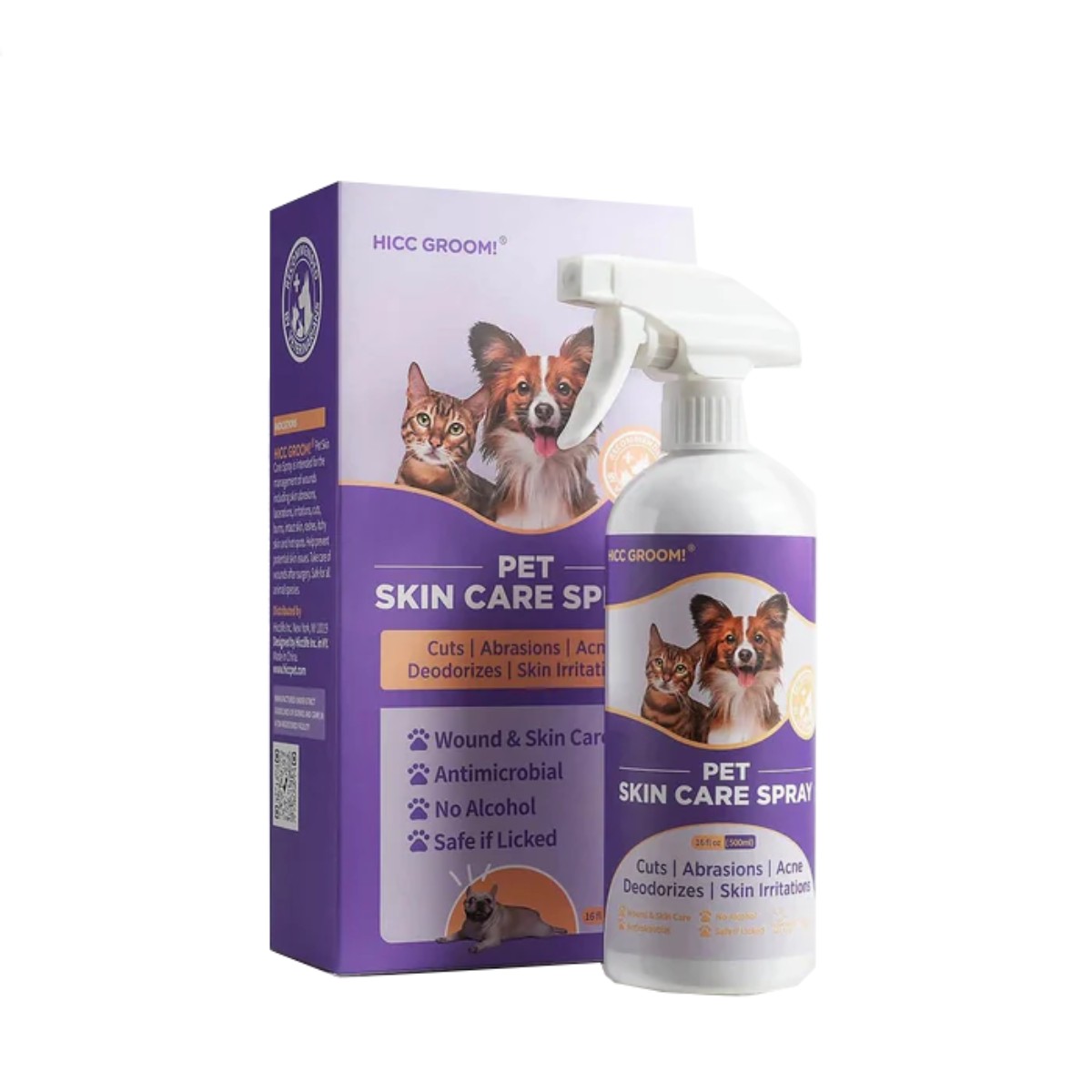
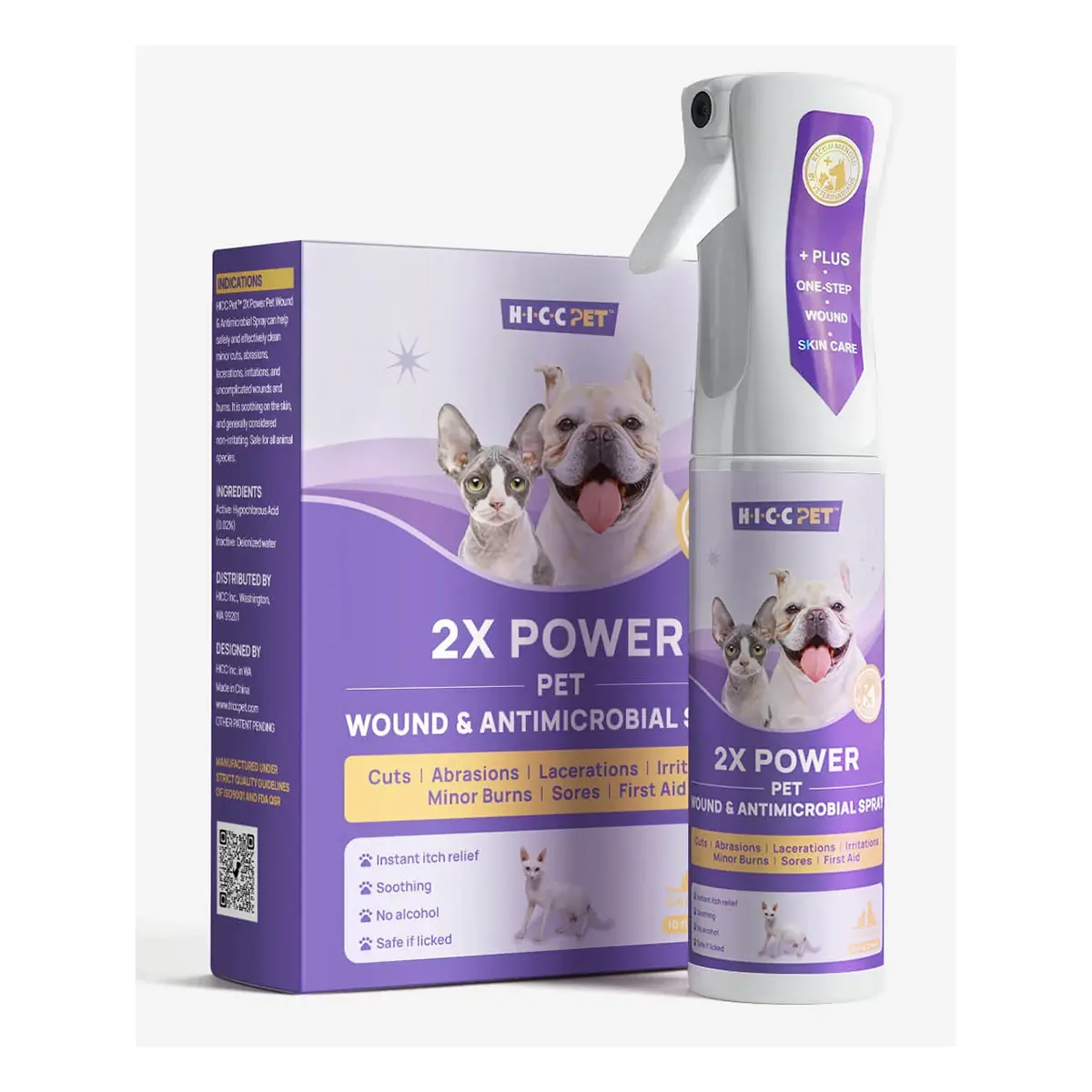
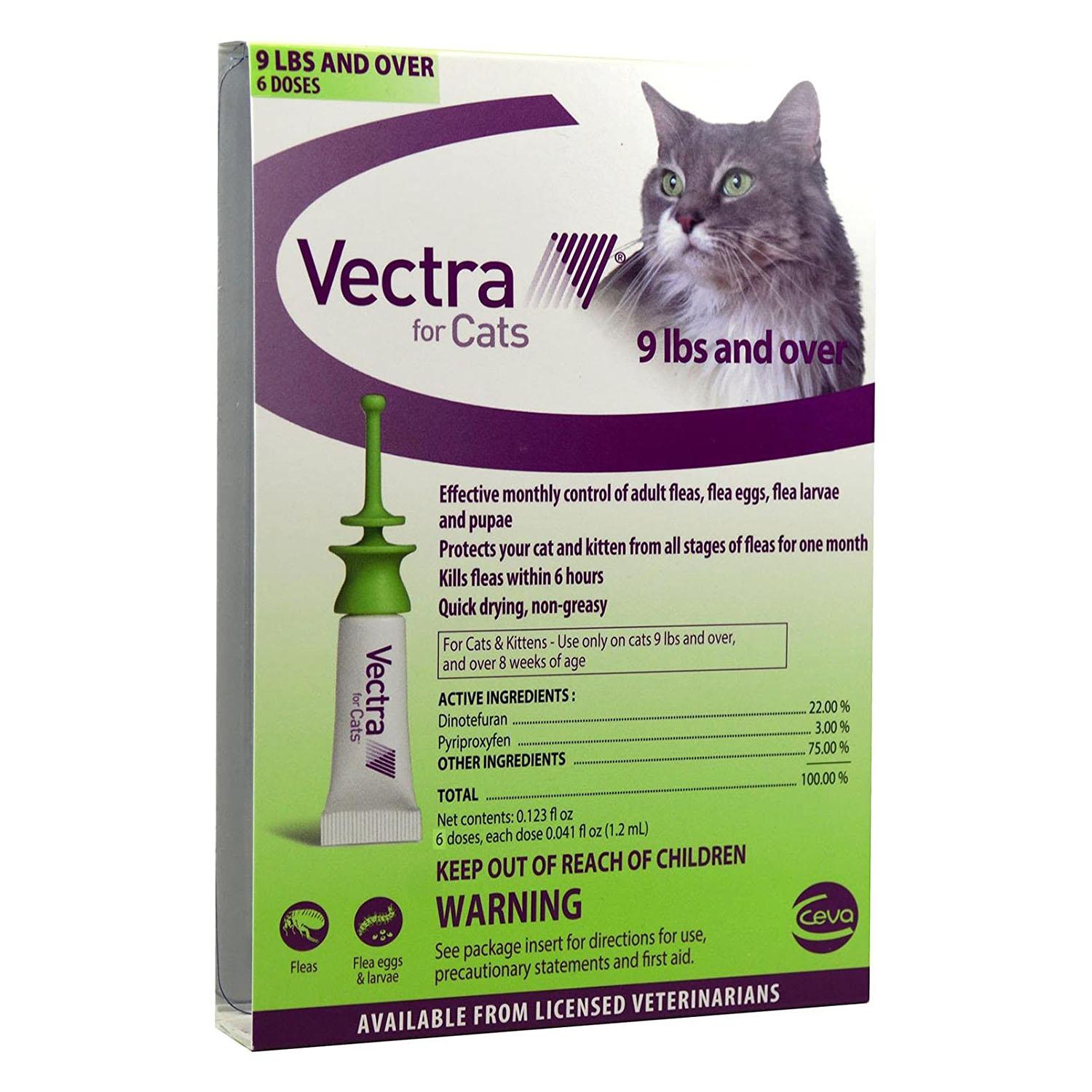
Certain mites can cause extreme flaking. One specific mite, called Cheyletiella, is often referred to as walking dandruff. If you look closely at the flakes, they might actually be moving. These mites are highly contagious and require medical treatment. Fleas and ticks can also cause skin irritation that leads to scratching and dandruff. For additional prevention guidance, read about the best flea and tick prevention products.
Bacterial and Fungal Infections
Ringworm is a common fungal infection in cats that can cause circular patches of hair loss and heavy scaling. Bacterial infections can also take hold if the skin barrier is damaged by scratching. These infections often come with redness, a strange odor, or crusty sores.
Underlying Systemic Diseases
Serious internal issues can manifest as skin problems. Conditions like kidney disease, diabetes, and hyperthyroidism change the way a cat's body functions. These diseases can lead to dehydration or changes in metabolism that directly affect the health of the skin and coat.
Vet Tip: If your cat's dandruff is accompanied by increased thirst, changes in appetite, or lethargy, schedule a veterinary exam. These symptoms often point to systemic health issues like diabetes or kidney disease that require a professional diagnosis.
The Role of Nutrition in Skin Health
What your cat eats is the foundation of their skin health. If you are noticing persistent flakes, it might be time to look at the ingredient label on their food. We carry brands like Farmina, Royal Canin, and The Honest Kitchen that focus on high quality proteins and balanced fats. You can compare options in our cat food category.
Essential Fatty Acids
Omega-3 fatty acids, often found in fish oils, are powerful anti-inflammatories. They help soothe irritated skin. Omega-6 fatty acids help maintain the integrity of the skin barrier. A balance of both is necessary to keep the coat shiny and the skin hydrated. If your cat's food is lacking these, you might consider adding a supplement from brands like Zesty Paws or Honest Paws.
Hydration and Wet Food
Cats have a low thirst drive. If they only eat dry kibble, they may live in a state of mild, chronic dehydration. This shows up in the skin. Adding wet food from brands like Tiki Cat or Fussie Cat can significantly increase their water intake. Better hydration leads to more elastic, moisture-rich skin. For more food and hydration considerations, see these sensitive-stomach cat food choices.
Prescription Diets
In some cases, a cat may have a food allergy that causes skin inflammation. Your vet might recommend a prescription diet. Our cat pharmacy carries a variety of prescription pet foods, including Farmina Vet Life, which are formulated specifically for cats with sensitive skin or weight management needs.
| Food Type | Benefit for Dandruff | Recommended Brands |
|---|---|---|
| Wet Food | Increases hydration to moisturize skin from within | Tiki Cat, Fussie Cat, Caru |
| Omega-Enriched | Provides essential fats for a healthy skin barrier | Acana, Orijen, Stella and Chewy's |
| Weight Management | Helps cats reach a size where they can groom properly | Farmina Vet Life, Royal Canin |
| Dehydrated/Raw | High bioavailability of nutrients for coat health | The Honest Kitchen, Vital Essentials |
Practical Steps to Manage Cat Dandruff at Home
While you work with your vet to find the root cause, there are things you can do at home to help your cat feel more comfortable and look better.
Establish a Grooming Routine
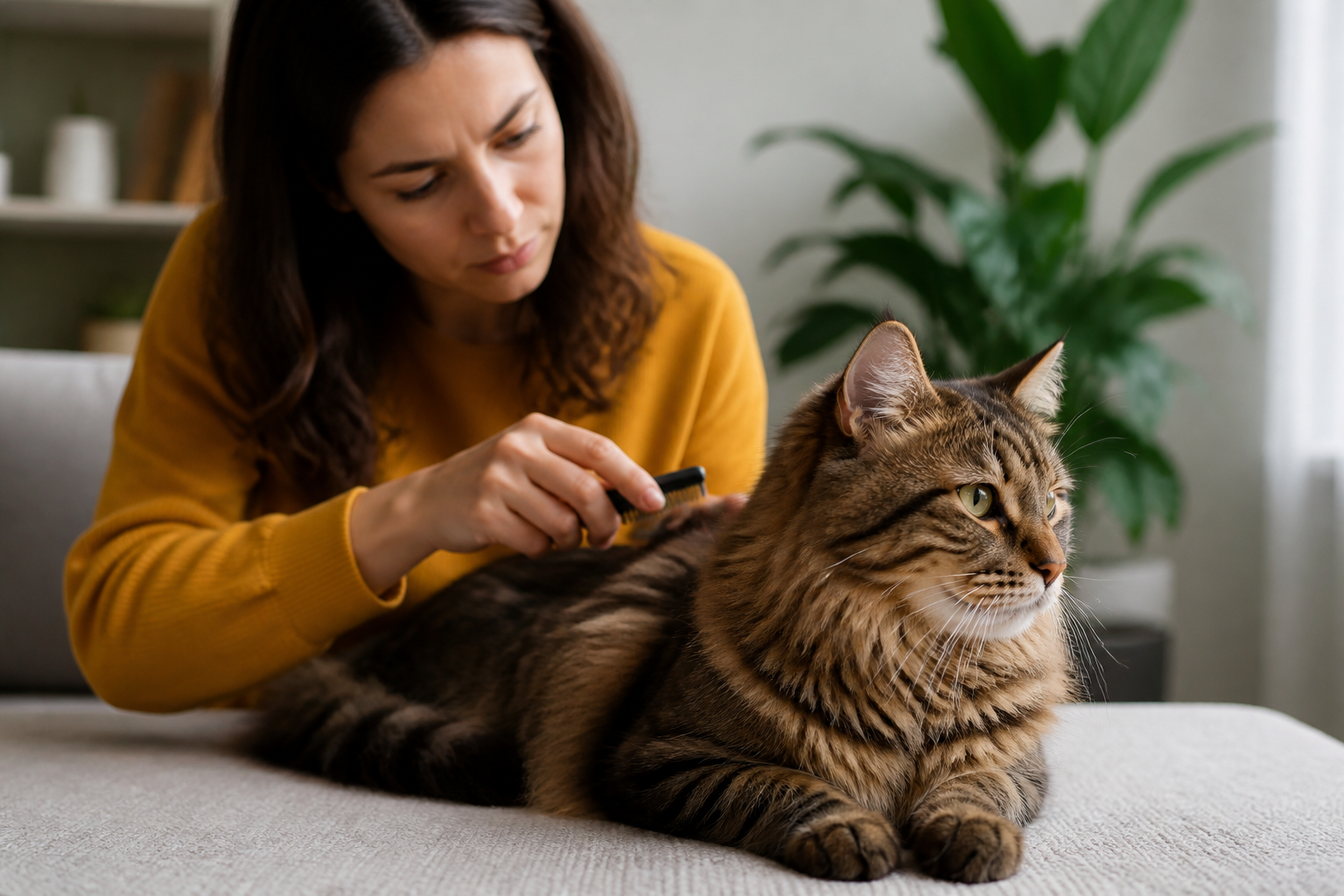
If your cat cannot groom themselves properly, you must step in. Daily brushing is the most effective way to manage dandruff. It removes the dead skin cells before they can clump together. It also helps distribute the natural oils from the skin across the entire hair shaft. Explore our cat grooming supplies for brushes, combs, and other tools.
Step 1: Choose the right tool. / For short-haired cats, a rubber curry brush or a soft bristle brush works well. Long-haired cats may need a stainless steel comb or a slicker brush from a brand like Kong to reach the undercoat.
Step 2: Be gentle. / If the skin is irritated, brushing too hard can make the problem worse. Use slow, gentle strokes in the direction of hair growth.
Step 3: Focus on problem areas. / Pay extra attention to the lower back and the base of the tail where dandruff tends to accumulate.
Improve the Home Environment
If dry air is the culprit, a humidifier can work wonders. Place one in the room where your cat spends most of their time. This adds moisture back into the skin and respiratory system.
Safe Bathing Practices
Most cats do not need regular baths. However, if your cat has a greasy coat or a fungal infection, a medicated bath might be necessary. Always use a shampoo specifically formulated for cats. Human shampoos have a different pH and can strip feline skin of its protective layer, making dandruff worse.
Note: Never use human dandruff shampoos on cats. Many contain ingredients like zinc pyrithione or selenium sulfide which can be toxic to cats if they lick their fur after the bath.
When to Use the BaxterBoo Pharmacy
If your cat's dandruff is caused by an infection, parasites, or a chronic health condition, you will likely need more than just a better brush. Through our partnership with Pet's Choice, the BaxterBoo pharmacy offers a wide range of FDA-approved medications.
Flea and Tick Prevention
External parasites are a leading cause of skin irritation. We carry trusted brands like Frontline and NexGard. Many of these require a prescription from your veterinarian, but they are essential for stopping the cycle of itching and flaking. Browse our cat flea and tick collection for available options.
Prescription Skin Treatments
If your vet diagnoses a bacterial or fungal infection, they may prescribe topical or oral antibiotics. Managing these conditions is much easier when you can have the medications delivered right to your door alongside your cat's favorite treats.
Allergy Management
For cats with severe environmental allergies, your vet might prescribe medications to calm the immune system. Keeping these on hand ensures your cat doesn't have to suffer through seasonal flare-ups that lead to bad dandruff.
Bottom line: While home grooming helps, medical causes of dandruff require professional diagnosis and often prescription treatment through a trusted pharmacy.
Mobility and Weight Management
Since obesity and arthritis are such common causes of dandruff, managing your cat's weight and comfort is a vital step. If your cat is carrying extra pounds, they cannot reach their back to clean it. This leads to a buildup of flakes and oils.
Encouraging Movement
Interactive toys and regular play sessions can help your cat lose weight. Brands like Jackson Galaxy offer toys designed to trigger a cat's natural hunting instincts. Even five to ten minutes of play twice a day can make a difference in their mobility.
Supporting Joint Health
If your cat is stiff and avoiding grooming because of pain, supplements like Cosequin or Senilife can support joint health and cognitive function. When a cat feels more flexible, they are more likely to return to their normal cleaning habits, which naturally reduces dandruff.
Preventing Future Flakes
Once you get the dandruff under control, the goal is to keep it from coming back. Consistency is key when it comes to feline skin health.
- Maintain a strict flea and tick prevention schedule year-round.
- Brush your cat at least three times a week, even if they appear clean.
- Keep your cat at a healthy weight to ensure they can groom themselves.
- Feed a high quality diet rich in animal proteins and healthy fats.
- Schedule annual wellness exams with your vet to catch internal issues early.
By staying proactive, you can ensure your cat's coat stays smooth and their skin stays healthy. If you ever notice a sudden change in their skin or coat, remember that it is their body's way of telling you something is off.
Key Takeaway: Prevention is built on three pillars: consistent grooming, high-quality nutrition, and regular veterinary care to manage underlying health risks.
Conclusion
Finding white flakes on your cat can be worrying, but in most cases, it is a manageable condition. Whether the cause is a dry living room, a few extra pounds, or a need for better nutrition, there are clear steps you can take to help. We are here to support you with the best products for every stage of the journey. From premium food and grooming tools to our full-service pharmacy for those specialized needs, we have what your cat needs to feel their best. Start by checking your cat's current diet and grooming routine. If the flakes persist or you see signs of discomfort, your next step should be a conversation with your veterinarian. You can also explore our skin and coat care options to find supplements and brushes that will help restore your cat's healthy shine.
FAQ
Is cat dandruff the same as humans getting dandruff?
While they look similar, the causes are often different. Human dandruff is frequently linked to a yeast-like fungus, whereas cat dandruff is usually a secondary symptom of things like obesity, dry air, or parasites. You should never use human dandruff products on a cat, as the ingredients can be harmful to them.
Can I get rid of my cat's dandruff by bathing them?
Bathing can help remove existing flakes, but it often does not fix the root cause. If the water is too hot or the shampoo is too harsh, bathing can actually dry out the skin further and make the dandruff worse. It is usually better to focus on daily brushing and improving their diet unless your vet recommends a specific medicated bath.
Why is my cat only getting dandruff on their lower back?
This is the most common spot for dandruff because it is the hardest place for a cat to reach. If a cat is overweight, has arthritis, or is simply getting older and less flexible, they may stop grooming that specific area. Dead skin and oils then accumulate along the spine and near the tail.
When should I be worried about my cat's flaky skin?
You should schedule a vet visit if the dandruff is accompanied by hair loss, red or inflamed skin, constant scratching, or lethargy. If you see the flakes "moving," it could be walking dandruff mites, which require specific medical treatment. Any sudden change in your cat's behavior alongside skin issues warrants a professional checkup.






- Site & Contents BaxterBoo.com. BaxterBoo is located in the United States.
- Privacy & Security
- Terms of Use
- Accessibility Statement
