Save 15% on your 1st Autoship learn more

 Email us
 Live Chat
 FAQs
FAQs





Introduction
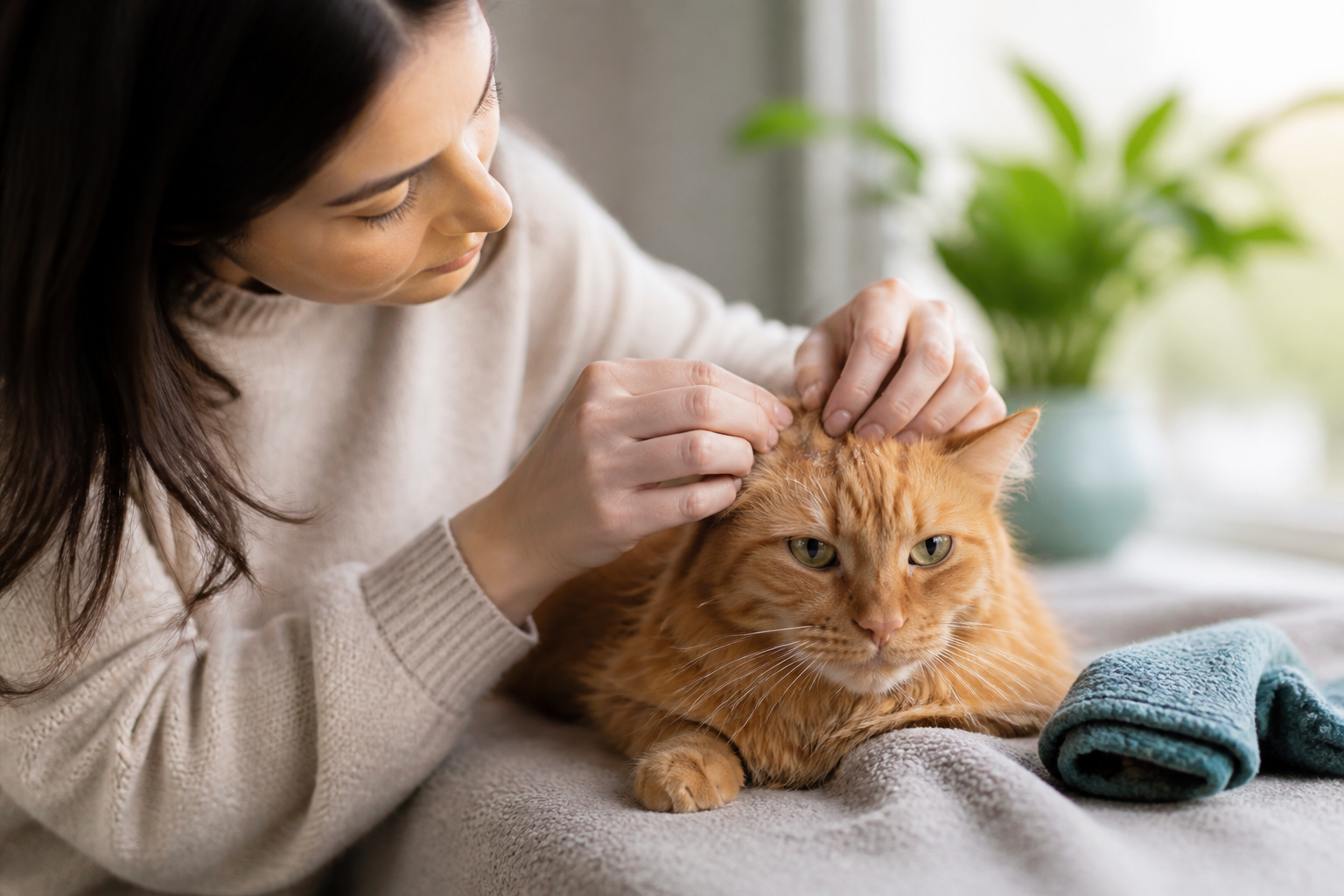
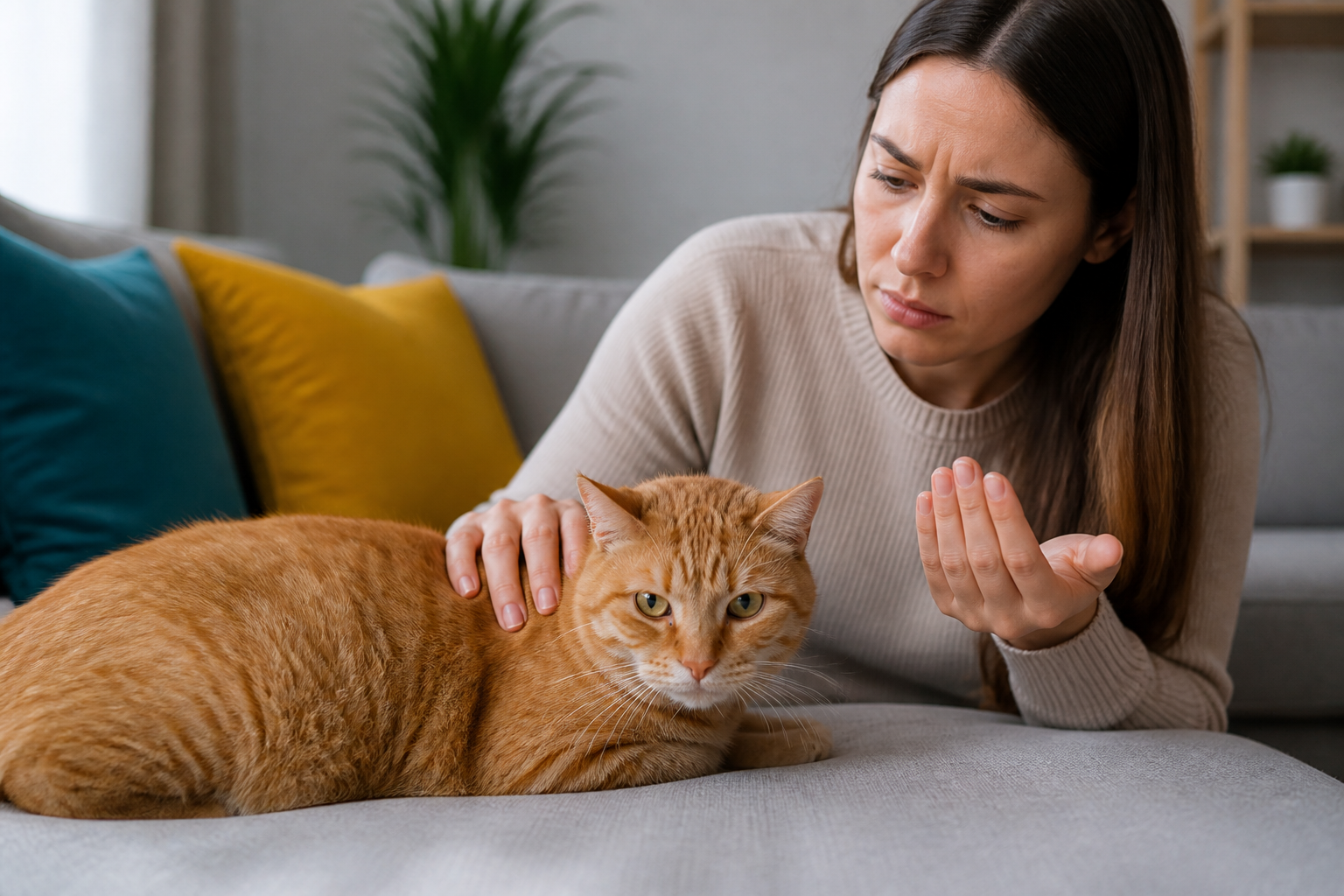
You are sitting on the sofa, stroking your cat’s back, when you notice a dusting of white flakes. It looks like someone spilled salt or tiny bits of paper across their fur. If your cat usually has a glossy, dark coat, these flakes stand out immediately. This sudden change can be worrying for any pet owner. At BaxterBoo, we know that your cat's skin is a primary indicator of their overall wellness. This post covers the most common reasons for sudden flaking, from environmental changes to underlying health conditions. Understanding the cause is the first step toward getting your cat’s coat back to its healthy, shiny state. Sudden dandruff is rarely just a surface issue; it is often a signal that something in your cat's body or environment needs your attention.
The Difference Between Dandruff and Dander
It is easy to confuse cat dandruff with cat dander. However, they are two different things. Every healthy cat produces dander. These are microscopic skin cells that shed naturally as part of the normal skin cycle. You cannot see dander with the naked eye. It is the protein found in this dander that often triggers allergies in humans.
Dandruff is different because the flakes are large enough to see. These flakes are clusters of dead skin cells that have clumped together. While a few occasional flakes might be normal, a sudden breakout of visible dandruff is a sign of an imbalance. It means the skin is either too dry, too oily, or irritated by an external factor.
Quick Answer: Sudden dandruff in cats is usually caused by a change in grooming habits, environmental dry air, or an underlying medical issue. While a few flakes are normal, a sudden increase warrants a checkup to rule out parasites or health conditions like diabetes.
Environmental Factors and Dry Air
One of the most common reasons for sudden dandruff is a change in the air quality in your home. This often happens when the seasons shift. During the winter, indoor heating systems strip moisture from the air. This dry air pulls moisture from your cat's skin.
When the skin loses its natural hydration, it becomes brittle and starts to flake. You might notice your cat scratching more often or their fur feeling a bit more static-prone. This type of dandruff is usually seasonal and affects the whole body.
Ways to Combat Dry Air
- Place a humidifier in the rooms where your cat spends the most time.
- Ensure your cat has access to multiple fresh water sources to stay hydrated.
- Avoid placing your cat’s favorite bed directly over a heating vent.
Grooming Challenges: Why Your Cat Stopped Cleaning
Cats are famous for their grooming habits. They spend a large portion of their waking hours cleaning their fur. This process removes dead skin cells before they can accumulate and turn into visible dandruff. If your cat suddenly has flakes, it might be because they have stopped grooming effectively.
This often happens in senior cats or cats with mobility issues. If a cat has arthritis, reaching their lower back or the base of their tail can be painful. As a result, you will see a buildup of flakes and loose hair in those specific areas. Obesity is another common hurdle. Overweight cats often cannot reach certain parts of their body to clean them. This leads to matted fur and a buildup of skin cells.
Key Takeaway: If dandruff is concentrated on the lower back or tail base, it is often a sign that your cat is struggling to groom that area due to pain or weight.
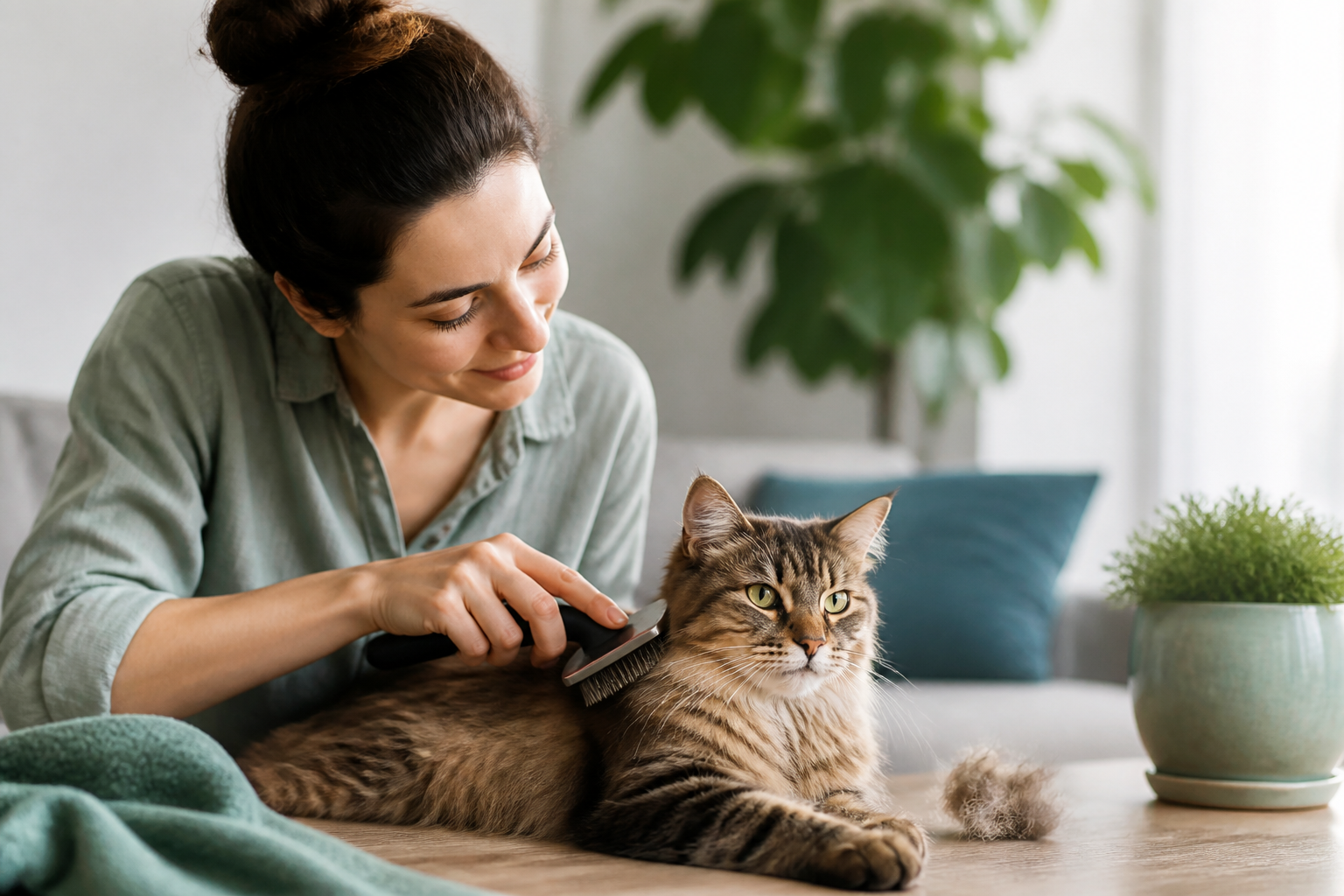
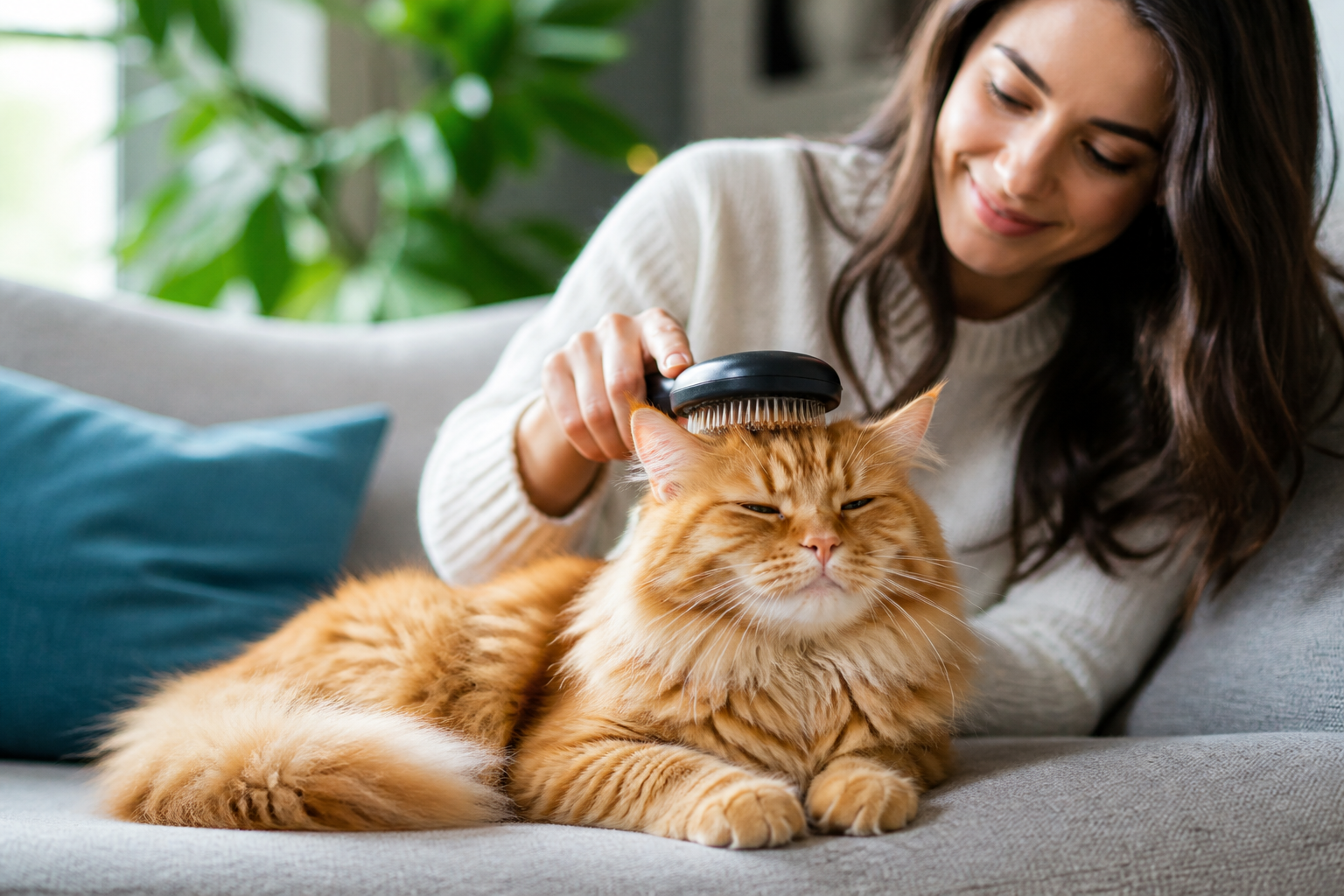
Regular brushing can help remove loose flakes and hair, so explore our cat grooming supplies for tools suited to your cat’s coat.
Medical Issues That Cause Flaky Skin
Sudden dandruff can sometimes be a symptom of a deeper internal health problem. Several systemic diseases affect the quality of a cat's skin and coat. When the body is fighting an internal issue, it often diverts nutrients away from the skin to more vital organs.
Hyperthyroidism is a common condition in middle-aged and senior cats that can cause a messy, flaky coat. Diabetes is another condition that often leads to poor skin health and dehydration. Kidney disease can also cause the skin to lose its elasticity and begin flaking.
In some cases, skin infections are the culprit. These can be bacterial or fungal. Ringworm is a well-known fungal infection that causes circular patches of hair loss and heavy scaling. These conditions require professional diagnosis and treatment.
Vet Tip: If your cat has dandruff along with changes in thirst, appetite, or litter box habits, schedule a veterinary visit immediately. These are often signs of metabolic diseases like diabetes or kidney issues.
For prescription support and medication options, visit our cat pharmacy.
The Role of Parasites and Walking Dandruff
External parasites are a frequent cause of sudden skin irritation. Fleas are the most common suspect. Even if you do not see fleas, your cat might have flea allergy dermatitis. This is an allergic reaction to flea saliva that causes intense itching and flaking.
There is also a specific mite called Cheyletiella. This condition is nicknamed "walking dandruff." The mites are large enough to be seen with the naked eye. As they move under the scales of the skin, the dandruff appears to be moving. This is highly contagious and can spread to other pets and even humans.
Our pharmacy carries FDA-approved flea and tick preventives to help manage these issues. Keeping your cat on a year-round preventive is the best way to avoid these itchy situations. You can also review our cat flea and tick collection when discussing prevention options with your veterinarian.
For more guidance, read our guide to flea and tick prevention products.
How Nutrition Impacts Coat Health
What your cat eats directly affects how they look. The skin is the largest organ of the body. It requires a significant amount of protein and healthy fats to stay supple. If a cat’s diet is lacking in essential fatty acids, the skin barrier weakens.
A sudden change in diet can sometimes trigger skin issues. If you have recently switched to a lower-quality food, your cat might not be getting the nutrients they need. Specifically, Omega-3 and Omega-6 fatty acids are vital for skin health. These fats help retain moisture and reduce inflammation.
Signs of Nutritional Deficiencies
- A dull, brittle coat that lacks shine.
- Skin that feels thin or loses its "snap" when gently pinched.
- Chronic flaking that does not improve with brushing.
Bottom line: High-quality protein and essential fatty acids are the building blocks of a flake-free coat.
For additional context about targeted nutrition, read our guide to pet supplements and life-stage nutrition.
Practical Steps to Manage Dandruff at Home
If your veterinarian has ruled out serious medical issues, you can take several steps to manage dandruff at home. The goal is to assist the skin in shedding cells properly and keeping the hair clean.
Step 1: Increase grooming sessions. / Use a soft-bristled brush or a fine-toothed comb to gently remove loose flakes and hair. This also stimulates the skin to produce natural oils.
Step 2: Add moisture to the diet. / Consider incorporating wet food if your cat primarily eats dry kibble. The extra hydration helps the skin from the inside out.
Step 3: Check your grooming products. / If you bathe your cat, only use shampoos formulated specifically for felines. Human shampoos have the wrong pH level and can make dandruff much worse.
Step 4: Use a humidifier. / This is especially helpful during the winter months when indoor air is very dry.
Solutions and Treatment Options
Treatment for cat dandruff is not one-size-fits-all. It must target the specific cause. For environmental dryness, simple lifestyle changes usually work. For medical issues, the dandruff will only resolve once the underlying disease is managed.
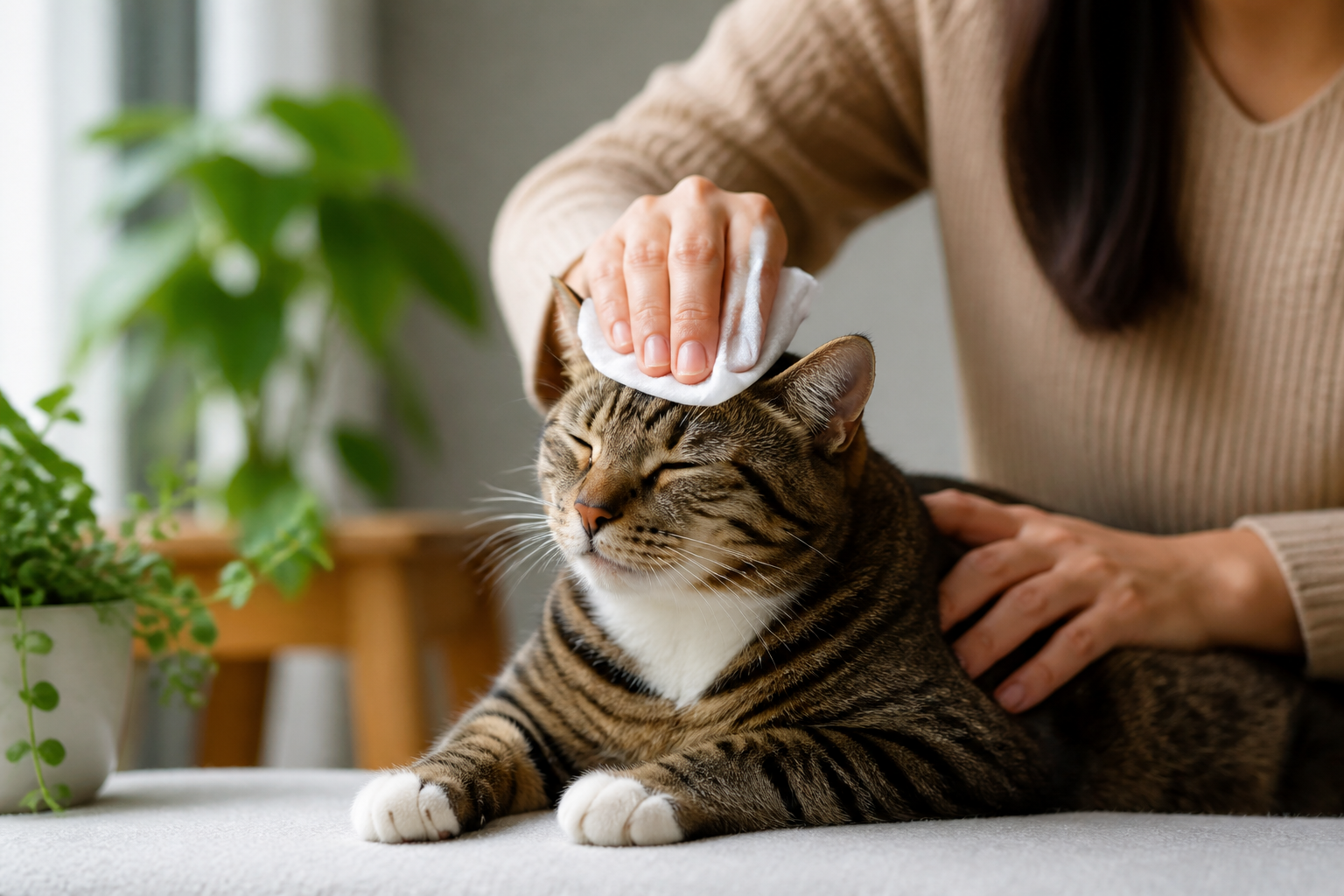
If the cause is arthritis or obesity, you may need to help your cat with their daily hygiene. Wiping them down with a damp cloth or using waterless foam shampoos can remove flakes without the stress of a full bath.
For cats with allergies or chronic skin conditions, our pharmacy offers a range of options. We provide prescription diets and medications designed to support skin health. These products are often formulated with high levels of antioxidants and fatty acids to bolster the skin barrier.
When to Call Your Veterinarian
While a few white flakes might not seem like an emergency, you should monitor your cat closely. Skin issues can quickly escalate into secondary infections if the cat is scratching or biting at the area.
You should make an appointment if you notice:
- Red, inflamed, or raw skin under the flakes.
- Patches of hair loss or thinning fur.
- A foul odor coming from the skin or coat.
- Signs of pain when you touch the affected area.
- The presence of actual parasites like fleas or mites.
A veterinarian can perform a skin scraping or blood work to find the exact cause. This ensures you are treating the right problem rather than just masking the symptoms.
For additional perspective on how mobility problems can affect feline grooming, read our article about arthritis care for cats.
Conclusion
Finding dandruff on your cat can be frustrating, but it is usually a manageable condition. Whether it is caused by dry winter air, a need for better nutrition, or a hidden health issue, taking action early is key. We are here to support your journey in keeping your pet healthy and comfortable. At BaxterBoo, we offer the tools you need to maintain your cat's well-being, from grooming supplies to expert pharmacy services. Regular brushing, a balanced diet, and consistent flea prevention are your best defenses against a flaky coat. If you are concerned about your cat's skin health, consider exploring our skin and coat supplements or talk to your vet about our pharmacy options.
Key Takeaway: Sudden cat dandruff is a signal to check your cat's environment, grooming ability, and internal health. Most cases resolve with improved hydration, regular brushing, and a high-quality diet.
FAQ
Can I use human dandruff shampoo on my cat?
No, you should never use human dandruff shampoo on a cat. Human skin has a different pH level than cat skin, and the ingredients in human products can be toxic or extremely irritating to felines. Always use a shampoo specifically labeled for cats or consult your vet for a recommendation.
Is cat dandruff contagious to humans?
Regular dandruff caused by dry skin or allergies is not contagious. However, if the "dandruff" is actually caused by parasites like Cheyletiella mites (walking dandruff) or a fungal infection like ringworm, it can be passed to humans. If you notice skin lesions on yourself or other family members, see a doctor and take your cat to the vet.
Does diet really affect how much my cat flakes?
Yes, nutrition plays a massive role in skin health. Cats require specific amounts of protein and essential fatty acids like Omega-3 and Omega-6 to maintain their skin barrier. If their food is low quality or they have trouble absorbing nutrients, their skin will often become dry and flaky.
Why is my cat only getting dandruff on their lower back?
Dandruff concentrated on the lower back is often a sign of a grooming problem. This is usually because the cat cannot reach that area easily. Common causes include obesity, which limits flexibility, or arthritis, which makes the twisting motion of grooming painful for senior cats.