Save 15% on your 1st Autoship learn more

 Email us
 Live Chat
 FAQs
FAQs





Introduction
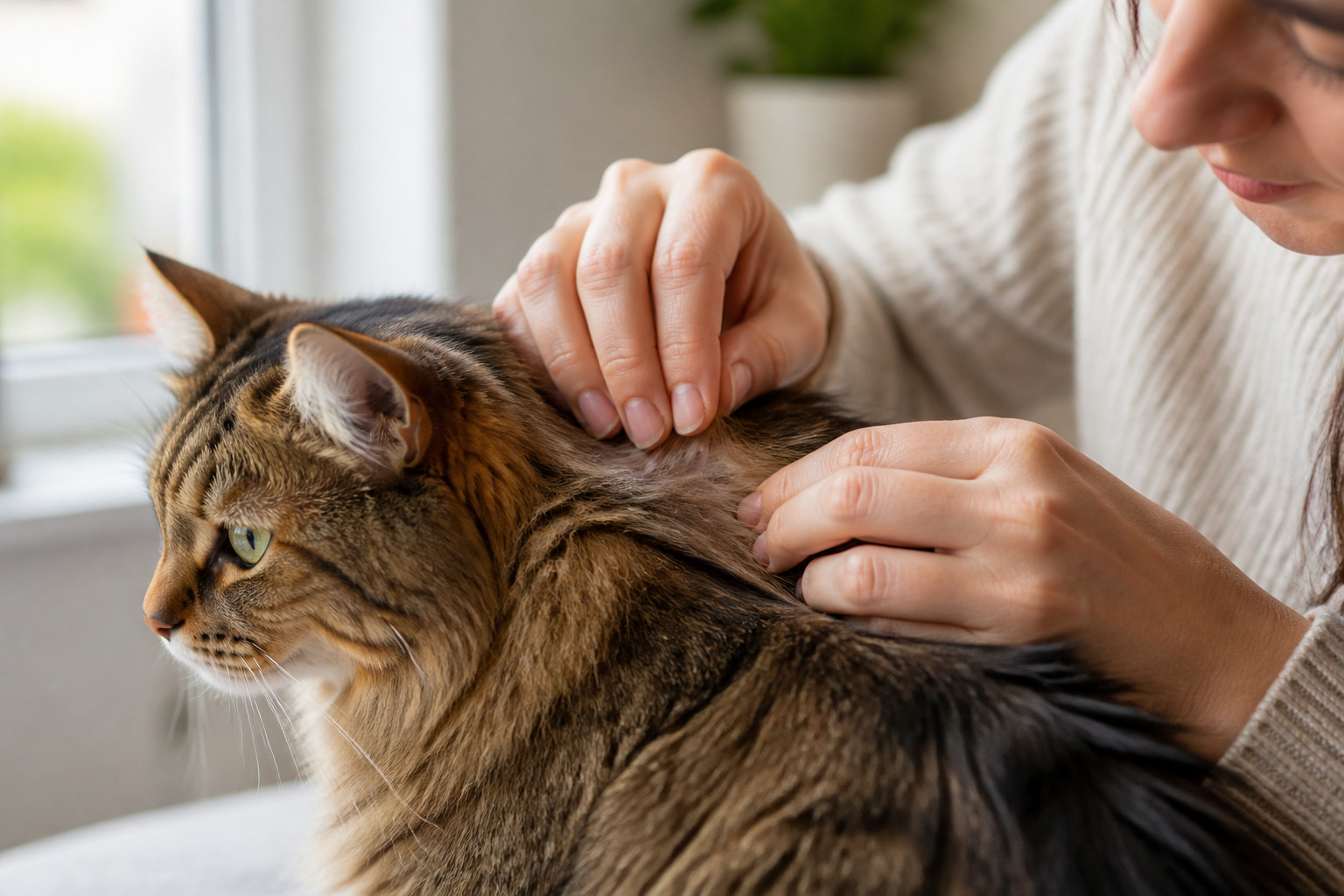
You are relaxing on the sofa with your cat when you notice small white flakes scattered across their fur. As you run your hand down their spine, the flakes become more prominent, especially near the base of the tail. It is a common sight for many cat owners, but it often leaves people wondering if their feline friend needs a bath or something more serious is happening. At BaxterBoo, we know that your cat's coat is a direct reflection of their internal health and daily comfort. This guide covers the common reasons for feline dandruff, why it often concentrates on the back, and how you can help your pet achieve a flake-free coat. Understanding these causes is the first step toward helping your cat feel their best.
Understanding Feline Dandruff
Dandruff in cats consists of dead skin cells that have clumped together and become visible to the naked eye. While all cats shed microscopic skin cells called dander, dandruff is different because it is large enough to see. It often appears as white or grayish specks against the fur. If your cat has a dark coat, these flakes are usually very easy to spot during a petting session.
Most of the time, a few flakes are not a cause for immediate alarm. Cats are constantly renewing their skin, and a small amount of shedding is normal. However, when the flakes become excessive or are accompanied by itching and redness, it suggests the skin is out of balance. This imbalance might be caused by the environment, the cat's ability to groom, or an underlying medical condition.
Quick Answer: Dandruff on a cat's back is often caused by a lack of grooming, which happens when a cat is overweight or has joint stiffness. Other common causes include low humidity, skin parasites, or nutritional deficiencies in their diet.
Why the Back and Tail Base?
You might notice that the dandruff is not evenly spread across your cat’s entire body. It often clusters along the spine and the area just above the tail. This specific location is a major clue for pet owners. The lower back and tail base are the most difficult spots for a cat to reach during their daily grooming routine.
If a cat is young, lean, and flexible, they can usually reach these spots without trouble. As cats age or if they carry extra weight, their range of motion decreases. When a cat stops grooming their lower back effectively, dead skin cells and natural oils build up. This leads to the visible flaking you see when you pet them.
Mobility and Weight Factors
Obesity is one of the most common reasons we see for localized dandruff on the back. A cat with a rounder midsection simply cannot twist far enough to reach their hindquarters. Similarly, senior cats often develop osteoarthritis. This condition makes the act of twisting and reaching painful. If your cat has stopped cleaning their back, the resulting dandruff is a signal that they might need help with weight management or joint support.
For more guidance, read about helping an indoor cat lose weight safely.
Key Takeaway: Concentrated dandruff on the lower back is frequently a sign of a physical limitation, such as obesity or arthritis, rather than a primary skin disease.
Environmental Causes of Flaky Skin
The air inside your home plays a significant role in your cat's skin health. During the winter months, indoor heating systems strip moisture from the air. This dry environment can cause a cat’s skin to lose its natural hydration. Just as humans get itchy, dry skin in the winter, cats can develop seasonal dandruff.
Low humidity causes the skin to become brittle. The top layer of the skin may crack or flake off more easily. You might notice the dandruff increases when the heater is running constantly and improves when the weather turns mild. Providing a more humid environment can often resolve mild cases of seasonal flaking.
The Role of Stress
Cats are sensitive creatures that thrive on routine. Changes in the household, such as a new pet, a move, or even a change in your work schedule, can cause physiological stress. Stress can affect a cat’s immune system and skin barrier function. Some cats respond to stress by over-grooming, while others may stop grooming altogether. Both behaviors can lead to changes in the appearance of the skin and the presence of flakes.
If household changes may be contributing to your cat’s discomfort, explore our stress and anxiety support options.
Health and Medical Considerations
While many cases of dandruff are related to grooming or the environment, some are caused by medical issues. If the dandruff appears suddenly or is accompanied by other symptoms, it is important to look deeper. The skin is the largest organ of the body, and it often shows signs of internal trouble before other symptoms appear.
Parasites and Mites
External parasites are a frequent cause of skin irritation and flaking. Fleas are the most well known, but they are not the only culprits. A specific mite called Cheyletiella can cause a condition often referred to as walking dandruff. These mites are large enough to be seen moving under the flakes of skin, giving the appearance that the dandruff is alive.
Vet Tip: If you notice your cat’s dandruff seems to be moving, or if they are scratching excessively, schedule a veterinary exam. Our pet pharmacy offers prescription cat medications and parasite-related support with veterinary guidance.
Fungal and Bacterial Infections
Ringworm is a common fungal infection in cats that can cause scaly skin and dandruff. It often presents with circular patches of hair loss, but in early stages, it may just look like a very flaky coat. Bacterial infections can also cause the skin to produce excess oils or flakes as the body tries to fight off the invaders. These conditions require specific medications that only a veterinarian can prescribe.
Internal Health Issues
Sometimes dandruff is a secondary symptom of a systemic disease. Conditions like hyperthyroidism, diabetes, or kidney disease can change the way a cat’s body processes nutrients and hydrates the skin. If your cat has dandruff along with changes in thirst, appetite, or litter box habits, a full check-up is necessary to rule out these conditions.
Nutritional Needs for Healthy Skin
What goes into your cat’s bowl has a direct impact on the quality of their coat. A high-quality, balanced diet provides the building blocks for healthy skin cells. If a diet is lacking in essential fatty acids, the skin barrier becomes weak. This weakness allows moisture to escape and irritants to enter, leading to dryness and flaking.
For food options designed around coat support, browse our skin and coat cat food selection.
Omega-3 Fatty Acids
Omega-3 and Omega-6 fatty acids are crucial for maintaining a glossy, flake-free coat. These healthy fats help to reduce inflammation in the skin and keep the moisture barrier intact. Many commercial cat foods contain these, but some cats benefit from additional supplementation. Fish oil is a popular choice for boosting these nutrients.
Protein Quality
Cats are obligate carnivores, meaning they require high-quality animal protein to thrive. The skin and fur use a large portion of the protein a cat consumes every day. If the protein source in their food is difficult to digest or of poor quality, the coat is often the first thing to suffer. Look for foods where a named meat source is the first ingredient to ensure your cat is getting the nutrition they need.
Bottom line: A nutritionally complete diet rich in healthy fats is the foundation of a healthy, dandruff-free coat.
Practical Steps to Manage Cat Dandruff
If your cat is otherwise healthy but has some flakes on their back, there are several steps you can take at home. These methods focus on supporting the skin and helping your cat with the grooming they might be missing.
Step 1: Establish a Brushing Routine
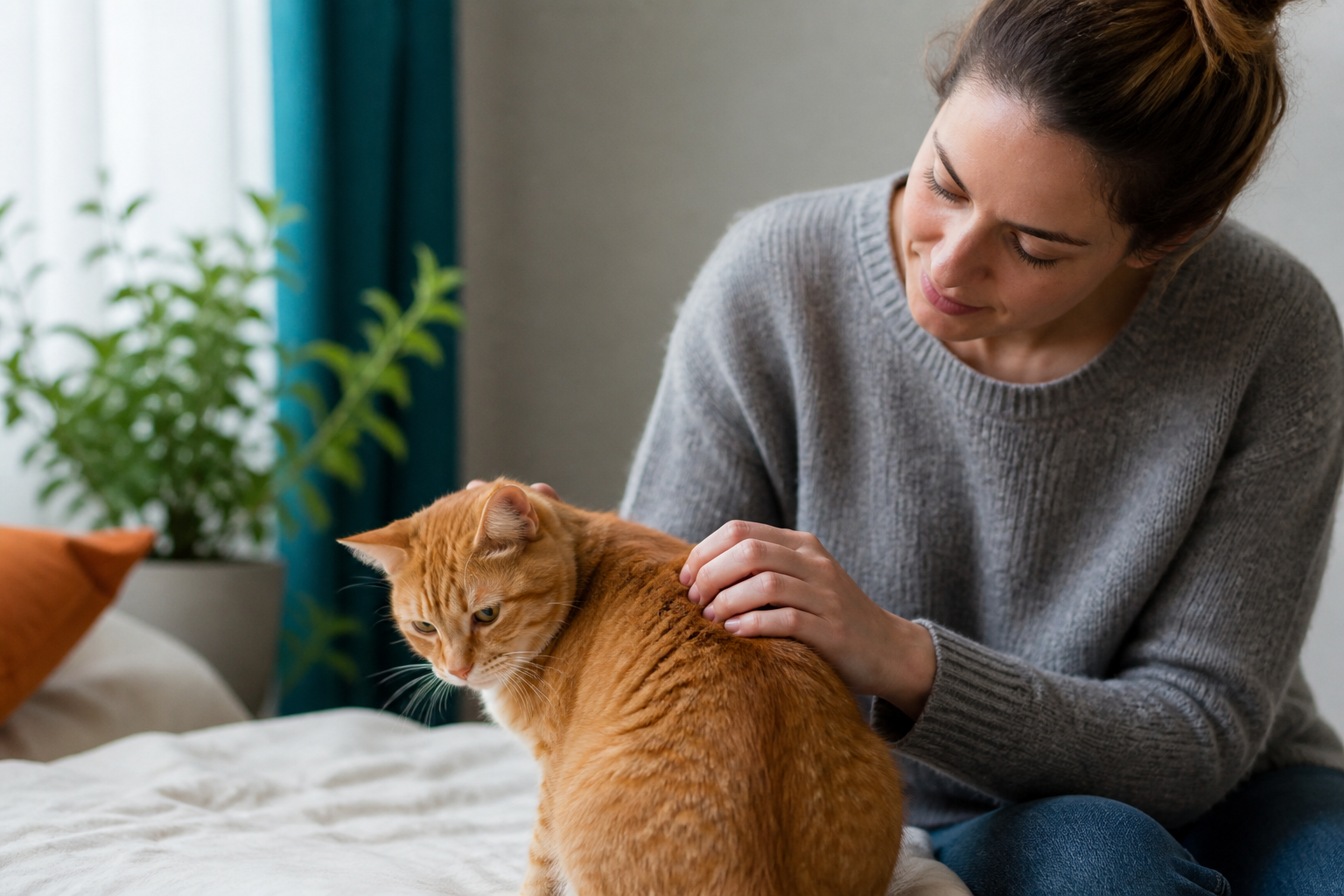
Regular brushing is the most effective way to manage dandruff. It mimics the natural grooming process by removing dead hair and skin cells. Brushing also stimulates the skin to produce natural oils and helps distribute those oils across the entire coat. For a cat that cannot reach their back, a daily five-minute brushing session can make a world of difference.
Explore our cat brushes and combs to find tools suited to your cat’s coat.
Step 2: Use a Humidifier
If you live in a dry climate or notice more flakes during the winter, try running a humidifier in the room where your cat spends the most time. Increasing the moisture in the air helps prevent the skin from drying out in the first place. This is a simple, non-invasive way to improve their comfort.
Step 3: Check the Weight
If your cat is struggling to reach their back, talk to your vet about a weight management plan. Helping your cat reach a healthy weight will not only improve their coat but also take pressure off their joints and reduce the risk of other health problems. We carry various weight management tools and specialized foods that can assist in this journey.
Step 4: Evaluate the Diet
Review the ingredient label on your cat’s food. If it seems lacking in healthy fats, consider switching to a premium brand or adding a skin and coat supplement. Always introduce new foods or supplements slowly to avoid upsetting your cat’s stomach.
When to See a Veterinarian
While many cases of dandruff are mild, you should never ignore persistent flaking. A professional evaluation is the only way to rule out serious underlying causes like infections or systemic disease. Your veterinarian can perform skin scrapes or blood tests to get a clear picture of your cat's health.
Schedule a visit if you notice any of the following:
- Red, inflamed, or bleeding skin
- Patches of hair loss or thinning fur
- Excessive scratching, biting, or licking
- The flakes appear to be moving (potential mites)
- Changes in appetite, weight, or energy levels
- The dandruff is accompanied by a foul odor
Vet Tip: Do not use human dandruff shampoos on your cat. These products often contain ingredients like zinc or salicylic acid that can be toxic if your cat licks them off their fur. Always use products specifically formulated for felines.
Grooming Tools and Supplies
Choosing the right tools can make the grooming process more enjoyable for both you and your cat. The goal is to be gentle while effectively removing the buildup of flakes.
For additional coat-care options, browse our cat grooming collection.
- Soft Bristle Brushes: These are excellent for short-haired cats and for sensitive areas like the spine.
- Slicker Brushes: These have fine wire bristles that are great for removing loose undercoat in long-haired cats.
- Grooming Wipes: If your cat has a lot of buildup, fragrance-free pet wipes can help clean the fur without the stress of a full bath.
- Rubber Grooming Mitts: These are often tolerated well by cats who are nervous about traditional brushes.
Using these tools regularly helps keep the coat clean and gives you a chance to check for any new lumps, bumps, or parasites. It also strengthens the bond between you and your pet.
For cats that do not tolerate baths, our waterless cat grooming options can provide another approach to routine coat care.
Conclusion
Finding dandruff on your cat's back is usually a sign that their skin needs a little extra support. Whether the cause is a dry home environment, a few extra pounds making grooming difficult, or a need for better nutrition, most cases are manageable with consistent care. By paying attention to where the flakes are and watching for other symptoms, you can provide the targeted help your cat needs.
At BaxterBoo, we are committed to helping you keep your pets healthy and comfortable. From specialized grooming tools to prescription diets and medications available through our pet pharmacy, we have the resources to support your cat's wellness. If you are just starting your journey toward a healthier coat, consider joining the MVP Rewards programme to earn rewards on eligible purchases.
Key Takeaway: Feline dandruff is a symptom, not a disease. By addressing the root cause—whether it is mobility, diet, or environment—you can restore your cat's coat to its natural, glossy state.
FAQ
Why does my cat have dandruff only on his lower back?
The lower back and the base of the tail are the hardest areas for a cat to reach during grooming. If a cat is overweight or has joint stiffness from arthritis, they may stop cleaning these spots entirely. This leads to a buildup of dead skin cells and oils that appear as white flakes.
Can I use human dandruff shampoo on my cat?
No, you should never use human dandruff shampoo on a cat unless specifically instructed by a vet. Many human products contain chemicals and medications that are toxic to cats if ingested during self-grooming. Always choose a pH-balanced shampoo designed specifically for feline skin.
Will brushing my cat every day get rid of dandruff?
Daily brushing is one of the best ways to manage dandruff because it removes the flakes and distributes natural skin oils. While it may not "cure" the underlying cause, it significantly improves the appearance of the coat and helps prevent mats. It is especially helpful for senior or overweight cats who cannot groom themselves well.
Is cat dandruff a sign of a serious illness?
In many cases, dandruff is caused by simple issues like dry air or poor grooming. However, it can occasionally be a sign of parasites, fungal infections, or internal health problems like diabetes or hyperthyroidism. If the dandruff is accompanied by itching, hair loss, or changes in behavior, a vet visit is necessary.