
 Save 15% on your 1st Autoship learn more

 Email us
 Live Chat
 FAQs





Introduction
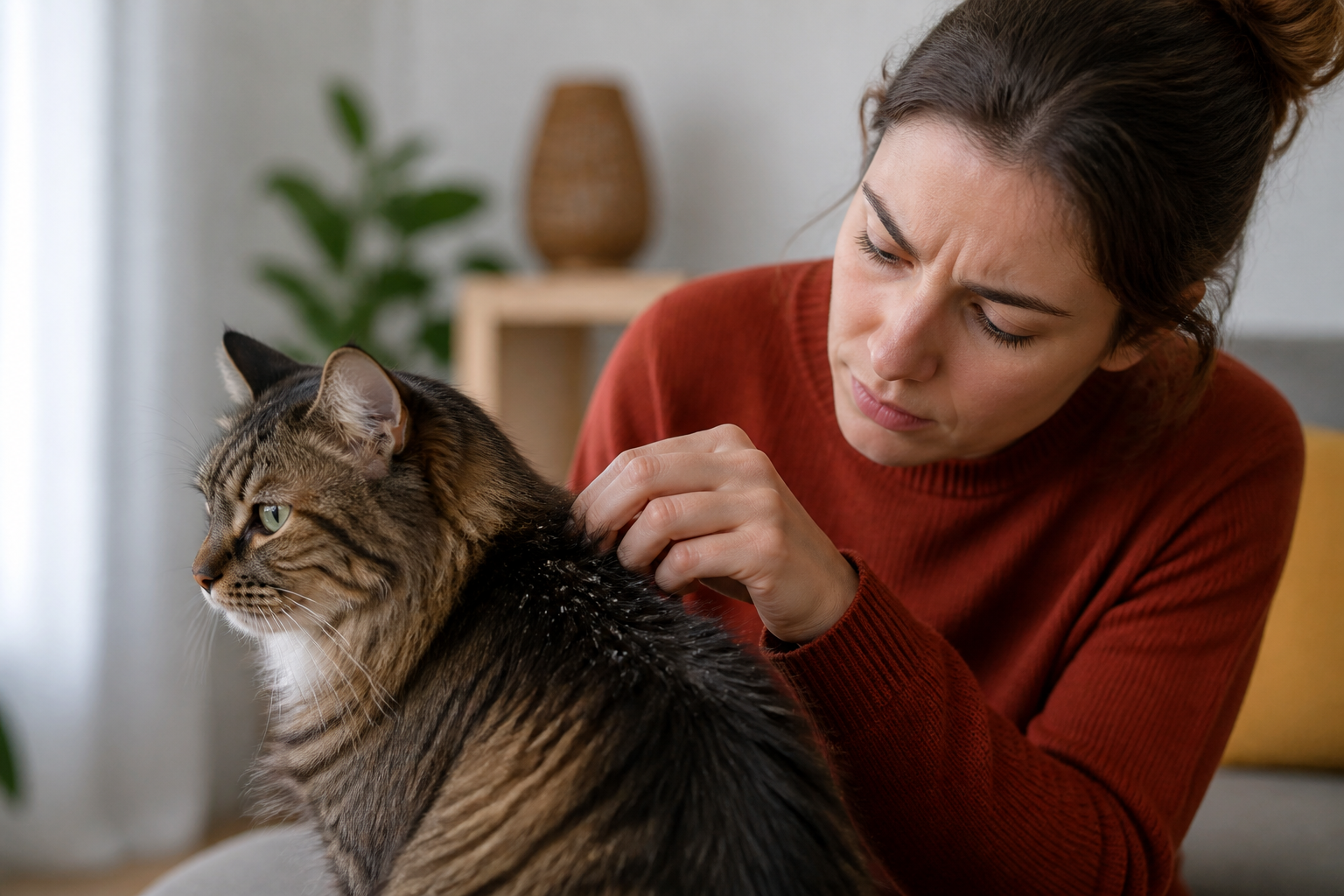
You are relaxing on the sofa with your cat when the light hits their fur just right. As you stroke their back, you notice a flurry of small white flakes clinging to their coat. It looks just like human dandruff, and it can be just as frustrating to manage. While a few occasional flakes might not seem like a big deal, a sudden or heavy buildup often signals that something is out of balance. At BaxterBoo, we talk to cat owners every day who are worried about their pet's coat health. This post covers the common environmental, behavioral, and medical reasons for flaky skin. We will help you understand when those white specks are a simple grooming issue and when they require a trip to the vet.
Quick Answer: Cat dandruff is the visible buildup of dead skin cells on your cat's fur. It is usually caused by dry air, poor grooming, or nutritional gaps, but it can also indicate parasites or underlying health conditions like diabetes or arthritis.
Understanding the Difference Between Dander and Dandruff
It is common to use the terms dander and dandruff interchangeably, but they are actually different things. Every healthy cat produces dander. These are microscopic skin cells that shed naturally as the skin renews itself. Because they are so tiny, you usually cannot see dander with the naked eye. It is the material that often triggers allergies in humans, but it is a normal part of a cat's biology.
Dandruff is different because it is visible. These are larger clusters of dead skin cells that have clumped together. If you see white or gray flakes on your cat's back, especially near the base of the tail, you are looking at dandruff. This visible flaking is not a disease itself. Instead, it is a symptom that the skin's natural shedding process has accelerated or that the cat is unable to clear those dead cells away.
Cat Skin & Coat Care





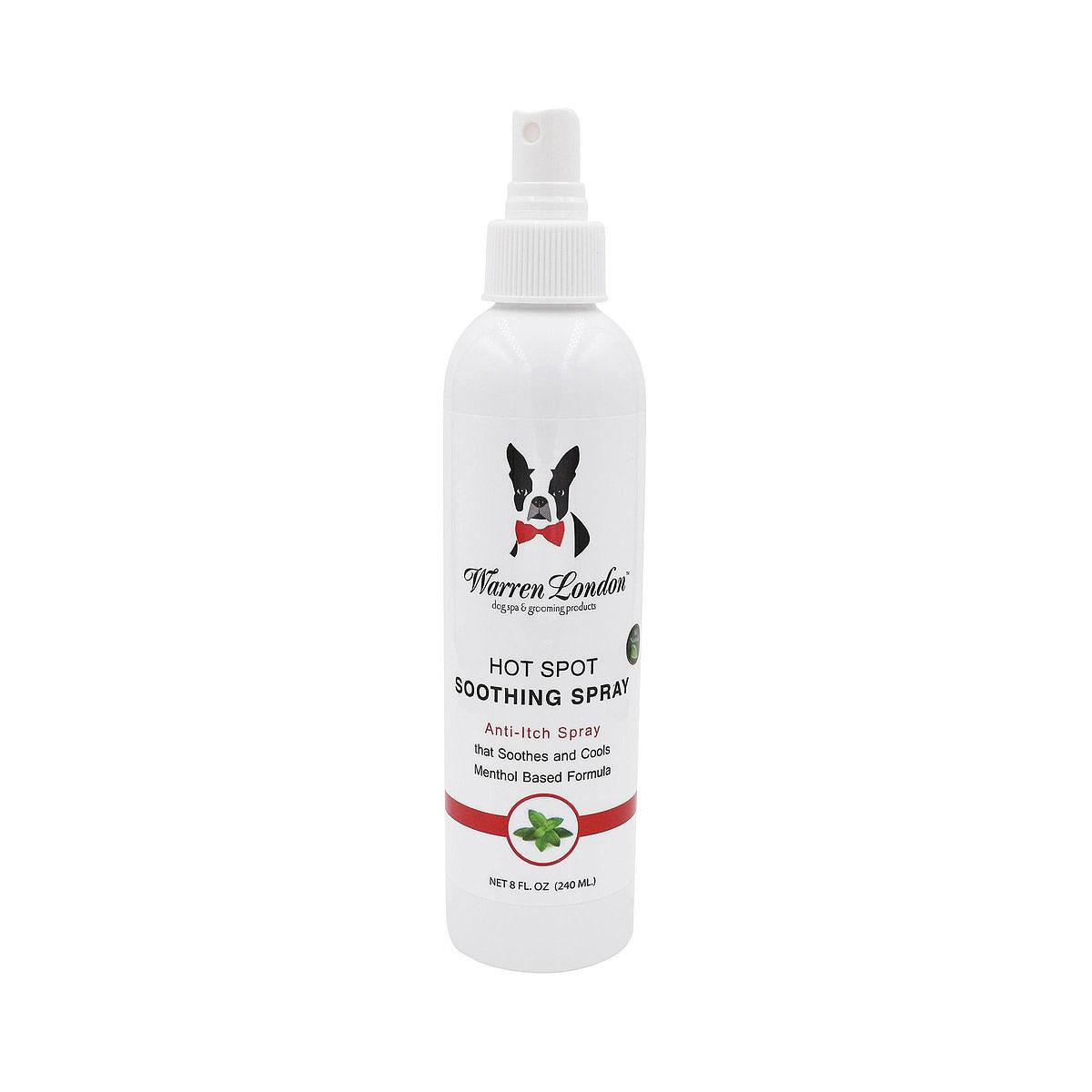

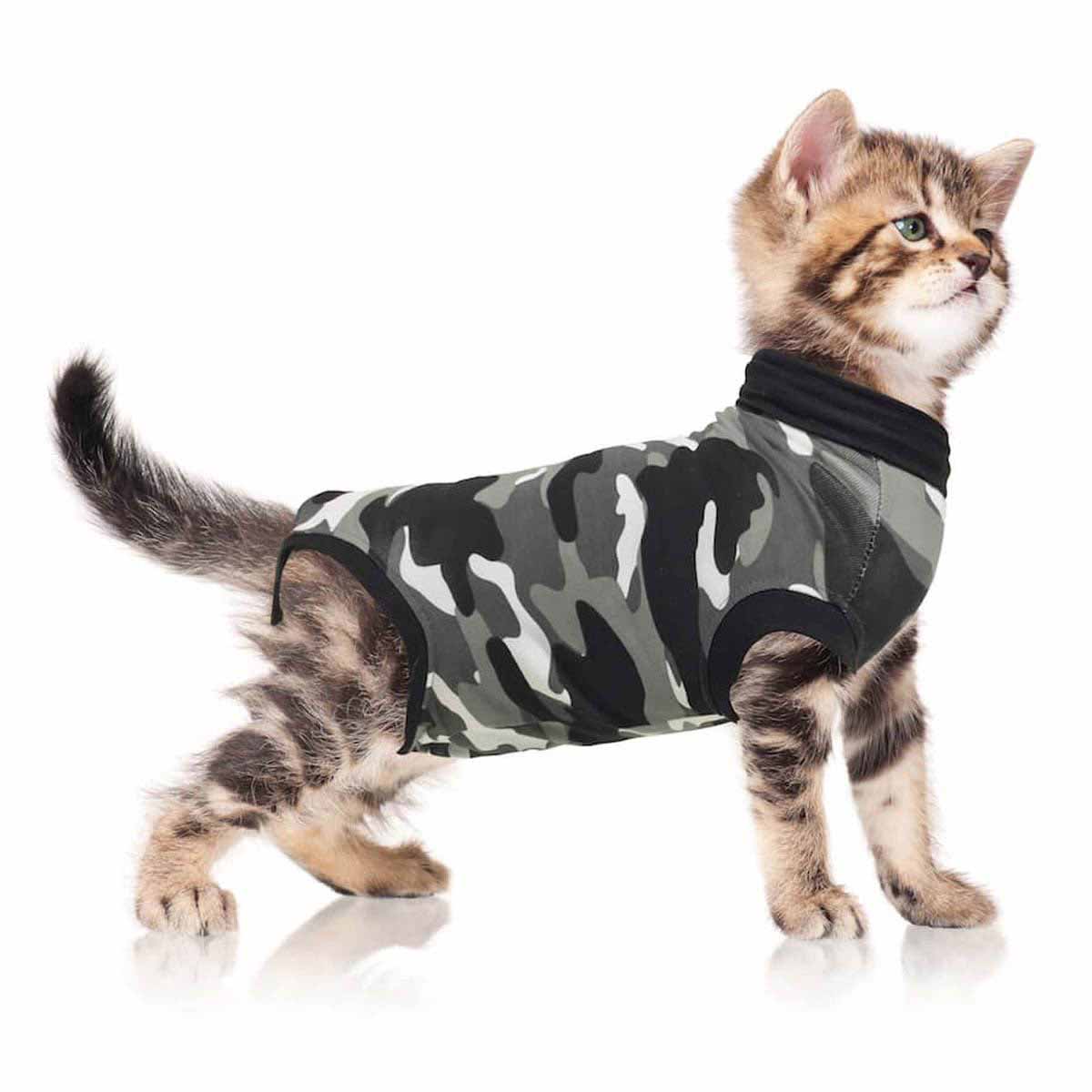


Environmental Factors and Seasonal Dryness
The most common reason for a sudden increase in flakes is the environment. Just like our skin gets tight and itchy in the winter, feline skin reacts to low humidity. When the furnace kicks on in the colder months, the air inside your home becomes very dry. This saps moisture from your cat's skin, leading to irritation and flaking.
Low humidity is not the only culprit. Cats that spend a lot of time near heat vents or sunny windows may experience localized dry skin. If your cat has a favorite radiator to sleep on, you might notice more dandruff on the side of their body that touches the heat. Increasing the humidity in your home with a humidifier can often provide relief for these mild, seasonal cases.
Key Takeaway: Environmental dandruff is usually seasonal and affects the top layer of the coat. If the skin beneath the flakes looks healthy and your cat isn't itching, dry air is a likely cause.
The Impact of Dehydration
Hydration starts from the inside out. Cats are notorious for having a low thirst drive. In the wild, they get most of their moisture from their prey. Many domestic cats live on a strictly dry kibble diet, which can lead to mild, chronic dehydration. This lack of water shows up in the skin first. Dehydrated skin loses its elasticity and becomes prone to flaking. Adding wet cat food to your cat's routine or using a water fountain to encourage more drinking can make a significant difference in skin moisture.
Grooming Habits and Physical Limitations
Cats are usually impeccable groomers. They spend a large portion of their waking hours cleaning their fur. This process does more than just keep them clean. The rough texture of a cat's tongue acts like a brush to remove dead skin and loose hair. It also stimulates the production of natural oils and spreads those oils across the coat. When a cat stops grooming effectively, dandruff is one of the first things you will see.
Obesity and Accessibility
If a cat is carrying extra weight, they simply cannot reach every part of their body. You will often see a thick strip of dandruff and matted fur along the lower back and the base of the tail. These are the hardest spots for an overweight cat to reach. The dead skin cells and oils build up because the cat cannot lick them away.
Senior Cats and Arthritis
Older cats often struggle with joint pain or stiffness. Turning and twisting to reach the spine or hindquarters can be painful for a cat with arthritis. If your senior cat has suddenly developed a "skunk stripe" of dandruff down their back, it might be because it hurts to groom those areas. We carry a variety of supplements in our cat healthcare category to support joint health, which can indirectly improve grooming habits.
Vet Tip: If your cat has stopped grooming, do not assume they are just getting lazy. A lack of self-care is often a sign of physical pain or illness. Consult your veterinarian to rule out arthritis or dental pain that might make grooming difficult.
When Parasites Mimic Dandruff
Sometimes, those white flakes are not actually skin at all. Several external parasites can cause scaling or even look like dandruff to the naked eye.
Walking Dandruff (Cheyletiella Mites)
There is a specific mite called Cheyletiella that is often mistaken for simple dry skin. These mites are large enough to see, and as they move under the scales of the skin, the flakes appear to be moving. This is why it is commonly called walking dandruff. It is highly contagious between pets and can even cause itchy red bumps on humans.
Fleas and Mites
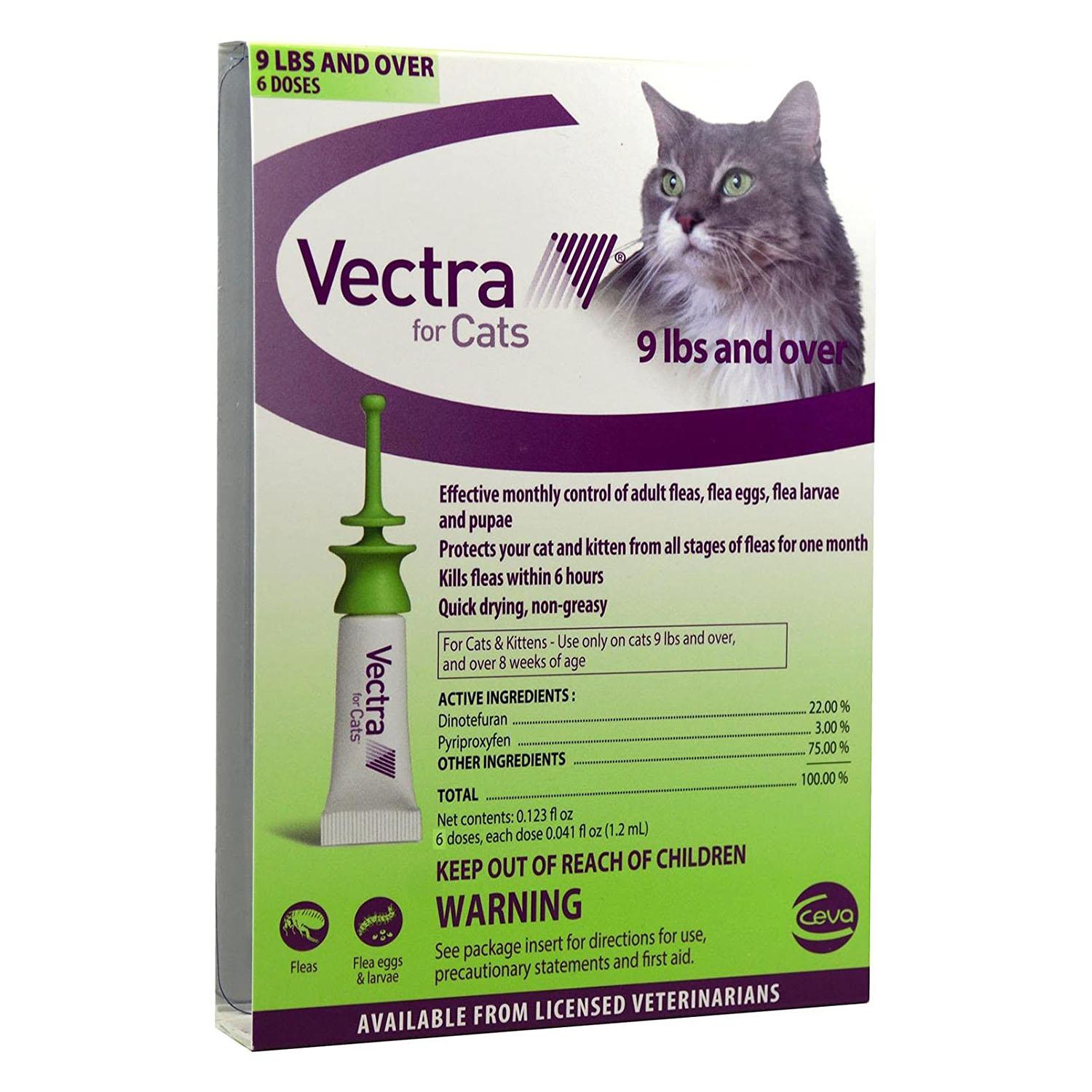
Flea infestations can cause intense itching and inflammation. As the cat scratches, they damage the skin barrier, leading to more flaking. Some cats are also allergic to flea saliva, a condition called flea allergy dermatitis. This causes severe crusting, redness, and heavy dandruff. Our pharmacy carries a range of flea and tick preventives through our partnership with Pet's Choice. Using a regular preventive is the best way to keep these pests from ruining your cat's coat. You can also explore our cat flea and tick care options.
Internal Health and Underlying Conditions
If your cat's dandruff is accompanied by other symptoms, it could be a sign of a more serious internal issue. The skin is the body's largest organ, and it often reflects the health of the internal systems.
Diabetes and Kidney Disease
Both diabetes and kidney disease can affect the quality of a cat's skin. Diabetes can change the way the body processes nutrients and moisture, often leading to a greasy or flaky coat. Kidney disease can lead to chronic dehydration, which we already know is a major cause of dry skin. If you notice your cat is drinking more water or using the litter box more frequently alongside their dandruff, a vet visit is necessary.
Hyperthyroidism
An overactive thyroid is common in older cats. This condition speeds up the body's metabolism, which can lead to a "scruffy" appearance. The fur may become matted, greasy, or filled with dandruff. Cats with hyperthyroidism often have an increased appetite but continue to lose weight.
Skin Infections
Bacterial or fungal infections can also cause flaking. Ringworm is a common fungal infection in cats that creates circular patches of hair loss and heavy scaling. These infections require specific medications to clear. Our pharmacy provides prescription antifungal and antibacterial treatments when your vet determines an infection is present. Visit our cat pharmacy for prescription medication options.
The Role of Nutrition in Skin Health
What your cat eats directly impacts the strength of their skin barrier. To maintain a shiny, flake-free coat, cats need a balance of high-quality proteins and specific fats.
Omega Fatty Acids
Omega-3 and Omega-6 fatty acids are essential for skin health. They help to strengthen the skin's moisture barrier and reduce inflammation. If a cat's diet is too low in these fats, the skin becomes brittle and dry. Many premium brands we carry, like Farmina, Royal Canin, and Open Farm, include these essential fats in their formulas. You can also add a salmon oil or fish oil supplement to their meals to help boost coat shine. Our cat skin and coat care selection includes supplements and other products for coat support.
Protein Quality
Cats are obligate carnivores, meaning they must have animal protein to thrive. The amino acids in protein are the building blocks for skin cells and fur. Low-quality foods with too many fillers may not provide enough usable protein, leading to a dull, flaky coat. Look for foods where a specific meat, such as chicken or turkey, is the first ingredient.
For additional guidance about moisture and food choices, read our post on sensitive-stomach food choices for cats.
Step-by-Step Guide to Reducing Dandruff at Home
If your vet has ruled out serious medical conditions, you can manage most dandruff with a few simple changes to your routine.
Step 1: Increase Brushing Frequency.
Brush your cat daily with a soft-bristled brush or a fine-toothed comb. This helps distribute natural oils and manually removes the dead skin cells before they can clump together.
Step 2: Improve Hydration.
Introduce wet food if your cat only eats dry kibble. You can also add a tablespoon of water to their meals or invest in a circulating water fountain to encourage more drinking.
Step 3: Add Skin Supplements.
Consult your vet about adding an Omega-3 supplement. These are usually available as liquids or treats and can help moisturize the skin from the inside out.
Step 4: Use a Humidifier.
During the winter, run a humidifier in the room where your cat spends the most time. Keeping the air at 40 to 50 percent humidity can prevent skin from drying out.
Step 5: Monitor Weight.
If your cat is overweight, work with your vet on a weight loss plan. Losing even a small amount of weight can give them the flexibility they need to start grooming themselves again.
Bottom line: Consistent grooming and a moisture-rich diet are the most effective ways to treat non-medical cat dandruff.
Grooming Products and Baths
Most cats do not need regular baths. In fact, bathing a cat too often can strip away the natural oils they need, making dandruff worse. However, if your cat has a greasy form of dandruff or a skin infection, a medicated bath may be necessary.
Always use a shampoo specifically formulated for cats. Human shampoos have a different pH balance and contain detergents that are too harsh for feline skin. Look for soothing ingredients like oatmeal, aloe vera, or salicylic acid to help loosen flakes. If your cat absolutely hates water, you can use grooming wipes or waterless foam shampoos to help clean the coat without the stress of a tub. Browse our cat grooming supplies for brushes, shampoos, wipes, and other coat-care products.
For more gentle grooming ideas, you can also read about caring for your cat's whiskers during grooming.
Identifying Warning Signs
While dandruff is often a minor issue, there are times when it requires professional help. You should monitor your cat for any changes in behavior or skin appearance.
Seek veterinary care if you notice:
- Red, inflamed, or bleeding skin beneath the flakes.
- Patches of total hair loss (alopecia).
- Intense itching or over-grooming to the point of causing sores.
- A foul odor coming from the skin or ears.
- Lethargy, changes in appetite, or increased thirst.
- Small "black pepper" specks in the fur, which is usually flea dirt.
If your cat is diagnosed with a chronic condition like a food allergy or a skin infection, we can help. Our partnership with Pet's Choice allows you to order prescription diets and medications through our site for home delivery. This makes it easier to manage long-term health needs while earning rewards on every purchase.
Conclusion
Seeing dandruff on your cat can be worrying, but it is usually a manageable symptom of their environment or lifestyle. Whether it is the dry winter air or a struggle with reaching their lower back, most cases improve with better grooming and nutrition. By paying attention to the quality of their food and keeping up with regular brushing, you can help your cat maintain a soft, healthy coat.
- Brush your cat daily to spread natural oils.
- Increase hydration through wet food and fresh water.
- Maintain year-round flea and tick prevention.
- Watch for behavioral changes that suggest discomfort.
If the flakes persist or you see signs of irritation, talk to your vet to see if a prescription diet or medication is needed. You can find everything from high-quality grooming tools to specialized supplements in our cat section at BaxterBoo. For those managing ongoing health conditions, our Autoship programme can help ensure you never run out of the essentials your cat needs to feel their best.
FAQ
Can I use human dandruff shampoo on my cat?
No, you should never use human dandruff shampoo on a cat. Many of these products contain ingredients like zinc pyrithione or selenium sulfide, which can be toxic if your cat licks their fur. Human shampoos also have a pH level that is too acidic for a cat's skin, which can lead to further irritation and dryness.
Why does my cat only have dandruff on their lower back?
The lower back and base of the tail are common spots for dandruff because they are the hardest areas for a cat to reach during grooming. If your cat is older, overweight, or has arthritis, they may stop cleaning these spots entirely. This allows dead skin cells and natural oils to build up and become visible.
Is cat dandruff the same thing as a fungal infection?
Dandruff is a symptom, not an infection itself. While a fungal infection like ringworm can cause heavy flaking and dandruff, simple dry skin or poor grooming are much more common causes. If the dandruff appears in circular patches with hair loss, it is more likely to be a fungal issue that requires a vet's attention.
How long does it take for cat dandruff to go away?
If the cause is environmental, such as dry winter air, you may see improvement within a week or two of using a humidifier and increasing brushing. If the dandruff is caused by a nutritional deficiency, it can take four to six weeks for the new, healthier skin cells to grow and the coat to show improvement. Always consult a vet if you do not see changes after a month of home care.






- Site & Contents BaxterBoo.com. BaxterBoo is located in the United States.
- Privacy & Security
- Terms of Use
- Accessibility Statement
