Save 15% on your 1st Autoship learn more

 Email us
 Live Chat
 FAQs
FAQs





Introduction
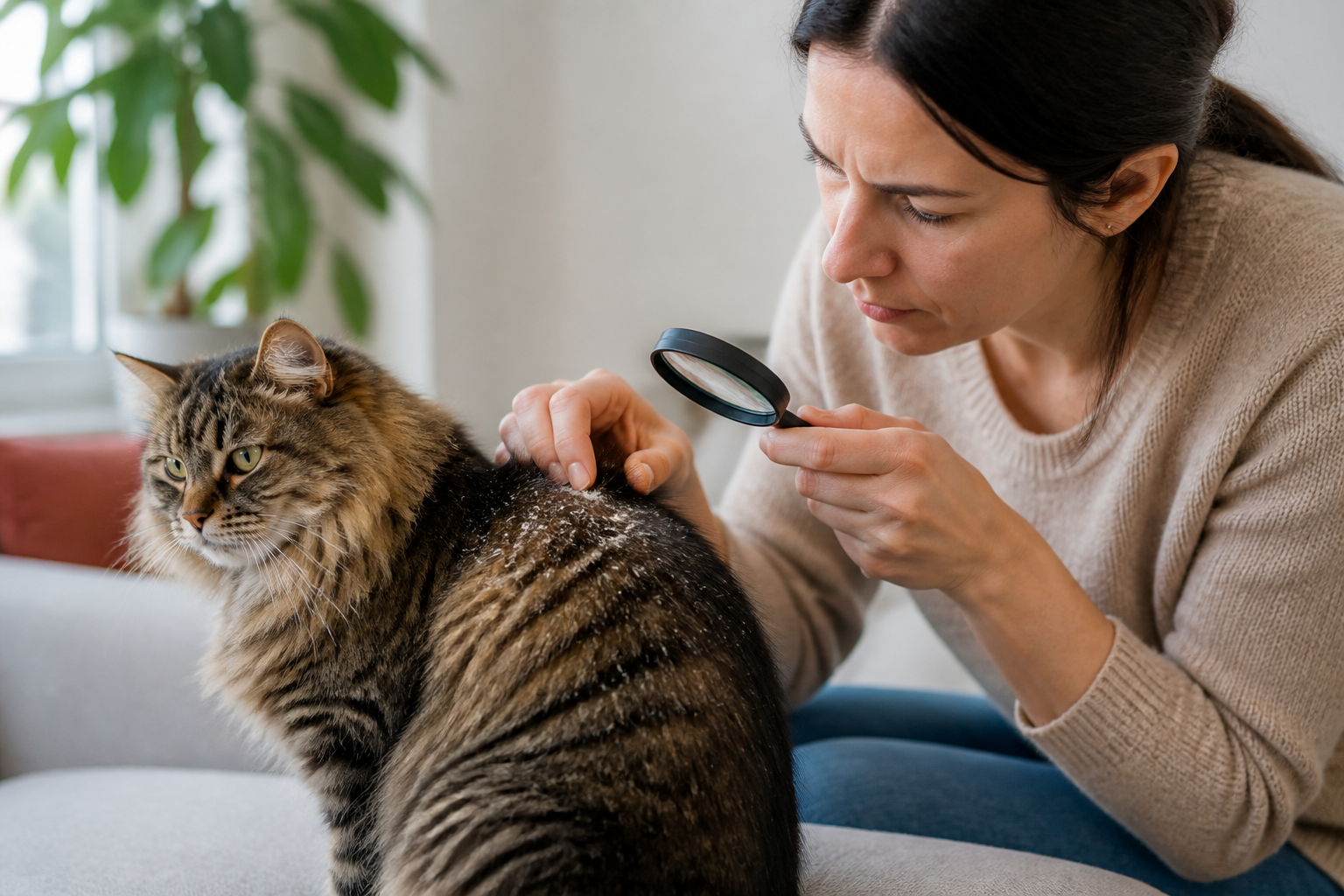
You are sitting on the couch with your cat when the light hits their fur just right. You notice a dusting of white flakes along their lower back. You try to brush them away, but more appear. You might wonder why your cat suddenly has dandruff when their coat was sleek and glossy just a week ago. This is a common concern for many pet owners who visit us at BaxterBoo. While a few flakes might seem minor, a sudden change in skin texture often tells a story about your cat's internal health or environment.
This post covers the common causes of feline flakes. We will look at environmental triggers, grooming habits, and medical conditions that require a vet's attention. You will also learn how to manage the symptoms at home. Our goal is to help you understand what those white specks mean and how to get your cat’s coat back to its healthy glow.
Quick Answer: Cat dandruff is often caused by low humidity, poor grooming, or nutritional gaps. However, sudden or severe flaking can also signal parasites, allergies, or underlying health issues like arthritis or diabetes.
Understanding Feline Dandruff vs. Dander
Before you worry about the flakes, it is important to know what you are looking at. Every cat sheds skin cells. This is a normal biological process. However, there is a big difference between healthy dander and problematic dandruff.
What is Dander?
Dander consists of microscopic skin cells that fall off naturally. You usually cannot see dander with the naked eye. It is the material that carries the protein responsible for human allergies. Every healthy cat produces dander as their skin renews itself.
What is Dandruff?
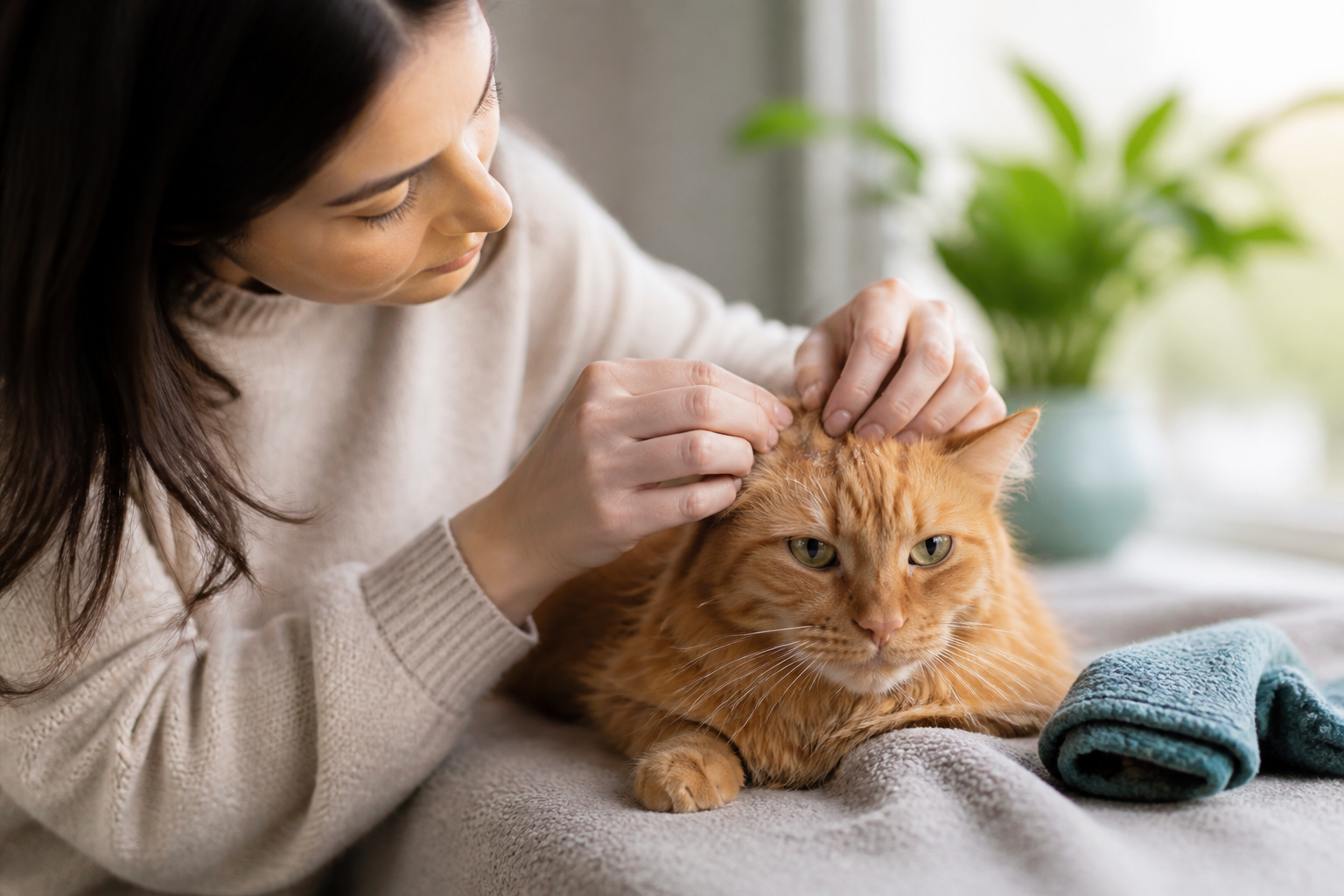
Dandruff occurs when those skin cells clump together into visible white or gray flakes. If you can see the flakes on the fur or on your cat’s favorite sleeping spot, it is dandruff. This indicates that the skin is shedding cells too quickly or that the cells are not being groomed away.
Dandruff can be dry and dusty. It can also be greasy and yellowish. Dry dandruff usually points to environmental issues or dehydration. Oily dandruff often points to an overproduction of skin oils, which might signal a more complex health problem.
Key Takeaway: If you can see white specks on your cat's fur, it is dandruff, not dander. Normal skin shedding is invisible to the human eye.
Common Environmental Triggers
Sometimes the reason for a sudden change is simply the world around your cat. Cats have sensitive skin that reacts to the air they breathe and the surfaces they touch.
Low Humidity and Indoor Heating
Winter is a prime season for feline dandruff. When you turn on the heater, the air inside your home becomes very dry. This sucks the moisture right out of your cat’s skin. If the dandruff appeared right as the weather turned cold, the environment is a likely culprit.
Dehydration
Cats are notorious for having a low thirst drive. If your cat is mildly dehydrated, their skin is often the first place to show it. Dehydrated skin loses its elasticity and begins to flake. You might notice the flakes are more prominent if your cat eats only dry kibble without enough water intake.
Seasonal Allergies
Just like people, cats can be allergic to pollen, dust, or mold. These environmental allergens can cause the skin to become inflamed. This inflammation leads to itching and an increase in skin cell turnover. You might see your cat scratching more often in addition to seeing the flakes.
The Role of Grooming and Mobility
Cats are usually the gold standard for cleanliness. They spend a large portion of their day licking and grooming their fur. This process removes dead skin and distributes natural oils. When this routine stops, dandruff starts.
For brushes, shampoos, wipes, and other supplies, explore our cat grooming collection.
Obesity and Hard-to-Reach Spots
If your cat has put on a few extra pounds, they might physically struggle to reach their lower back or the base of their tail. These are the most common areas for dandruff to accumulate. If the flakes are concentrated in one spot that is hard to reach, your cat may need help with their daily beauty routine.
Arthritis and Senior Joint Pain
Senior cats often develop arthritis. This makes the twisting and turning required for grooming very painful. If your cat suddenly stops grooming their back, it might be because it hurts to reach that far. Dandruff in an older cat is often a secondary sign of joint discomfort.
Dental Issues
Grooming requires a healthy mouth. If your cat has a sore tooth or inflamed gums, they may stop licking their fur because it causes pain. A dirty or unkempt coat alongside dandruff can be a subtle sign that your cat needs a dental checkup.
For additional oral-care guidance, read these pet dental care tips.
Bottom line: A sudden appearance of dandruff often means your cat has stopped grooming effectively due to weight, age, or pain.
Medical Conditions and Parasites
While environmental factors are common, sometimes dandruff is a symptom of a medical issue. Some of these conditions require specific treatments that only a veterinarian can provide.
Our cat healthcare selection includes products for general feline health and wellness.
The "Walking Dandruff" Mite
There is a specific parasite called the Cheyletiella mite. It is often called "walking dandruff" because the mites are large enough to see. As they move under the skin scales, it looks like the dandruff is moving on its own. These mites are highly contagious and require medical treatment.
Fleas and Ticks
Parasites do more than just bite. They cause significant skin irritation. Some cats have a specific allergy to flea saliva. This is called flea allergy dermatitis. It causes intense itching, redness, and heavy flaking. Even if you do not see fleas, they could be the cause of the sudden dandruff.
Learn more about prevention options in our cat flea and tick collection.
For additional guidance, read how flea and tick prevention products compare.
Fungal and Bacterial Infections
Ringworm is a common fungal infection that can cause scaly, flaky patches of skin. It often appears as circular areas of hair loss, but it can also look like generalized dandruff. Bacterial infections can also cause the skin to crust and flake.
Internal Health Problems
In some cases, the skin reflects what is happening inside the body. Conditions like hyperthyroidism, diabetes, or kidney disease can change the way the skin functions. These illnesses can lead to a dull coat and increased flaking.
Vet Tip: If your cat's dandruff is accompanied by weight loss, increased thirst, or lethargy, schedule a vet visit. These can be signs of systemic health issues like diabetes or thyroid problems.
How Nutrition Affects the Coat
What your cat eats is the fuel for their skin. If the fuel is low quality, the skin will suffer. Skin and fur require a lot of protein and specific fats to stay healthy.
Explore our cat food selection when reviewing your cat’s daily diet.
Essential Fatty Acids
Omega-3 and Omega-6 fatty acids are vital for a healthy skin barrier. These fats help trap moisture in the skin cells. If your cat's food is low in these nutrients, their skin will become dry and brittle. This leads to the sudden onset of flakes.
Protein Quality
A cat's fur is made almost entirely of protein. If their diet does not provide enough high-quality animal protein, the body will prioritize internal organs over the skin and coat. This can result in a thin, flaky coat that lacks shine.
Transitions in Food
If you recently changed your cat's food, the dandruff might be a reaction. It could be an allergy to a new ingredient or a sign that the new food does not have the same nutrient density as the old one.
Practical Steps to Manage Dandruff at Home
If your vet has ruled out serious medical conditions, you can take several steps to improve your cat’s skin health. Consistency is the key to seeing results.
Establish a Brushing Routine
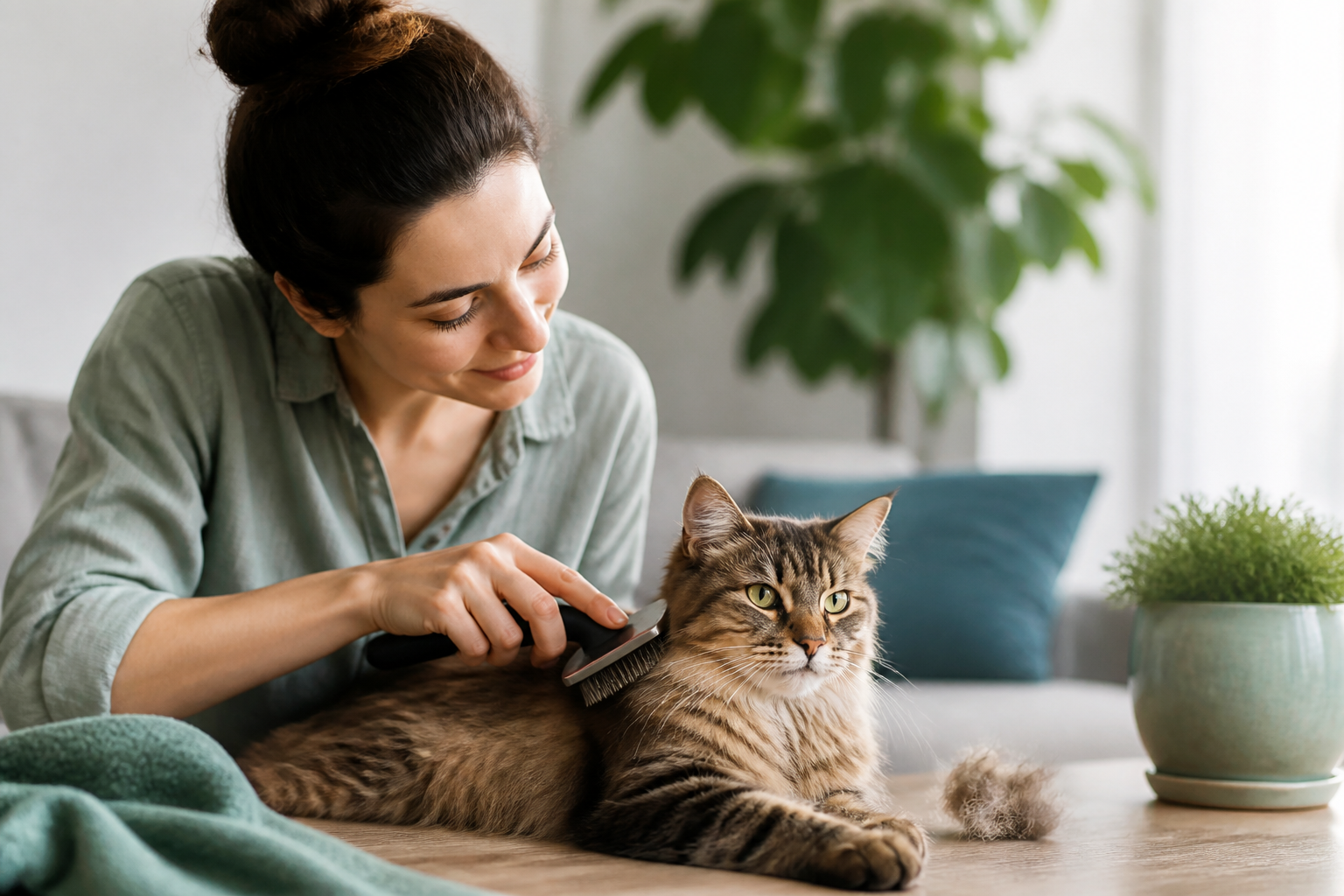
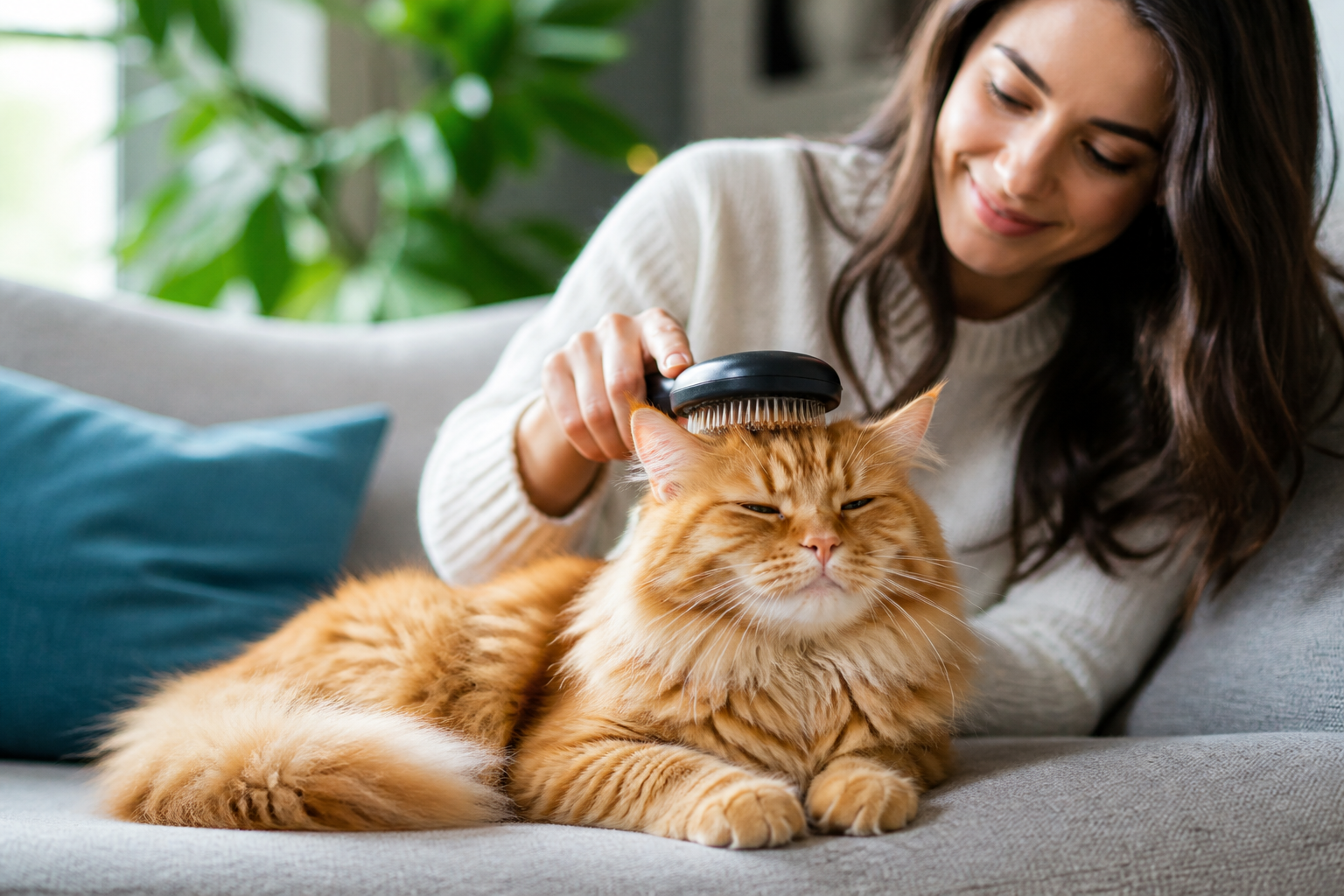
Brushing is the most effective way to manage flakes. It mimics the natural grooming process. Use a soft slicker brush or a grooming glove to gently remove dead skin and loose hair.
Step 1: Choose a calm time. / Find a moment when your cat is relaxed and sleepy.
Step 2: Start slowly. / Brush in the direction of hair growth using very light pressure.
Step 3: Focus on the back. / Spend extra time on the areas where flakes are most visible.
Step 4: Reward your cat. / Give them a small treat to make the experience positive.
Add a Humidifier
If your home is dry, a small humidifier can make a world of difference. Place it in the room where your cat spends the most time. Increasing the moisture in the air helps prevent the skin from drying out in the first place.
Improve Hydration
Encourage your cat to drink more water. You can try a pet water fountain, as many cats prefer running water. You can also mix a little bit of wet food into their diet if they currently only eat kibble. The extra moisture goes directly toward hydrating the skin.
Dietary Supplements
Fish oil supplements are a great way to boost fatty acid intake. Brands like Zesty Paws or Honest Paws offer oils that you can pump directly onto your cat's food. These supplements support the skin barrier from the inside out.
- Omega-3 oils: Reduce inflammation and improve shine.
- Probiotics: Support gut health, which is linked to skin health.
- Vitamin E: Provides antioxidant support for skin cells.
When to See the Veterinarian
You should not ignore a sudden change in your cat's skin. While you can manage mild dryness at home, some symptoms need a professional diagnosis.
- Intense itching: If your cat is scratching until they bleed or have red sores.
- Hair loss: If you see bald patches or thinning fur along with the flakes.
- Odor: If the skin has a musty or foul smell.
- Behavioral changes: If your cat is hiding, acting lethargic, or losing their appetite.
- Visible parasites: If you see fleas, mites, or "walking" specks.
Your veterinarian can perform a skin scraping to look for mites or fungus. They may also suggest blood work to check for internal issues like hyperthyroidism. If your cat needs a prescription diet or medication, we can help. Our cat pharmacy offers prescription medications and prescription pet foods through our partnership with Pet's Choice. This includes treatments for allergies, parasites, and chronic health conditions.
Key Takeaway: Home remedies work best for environmental dryness. For any case involving itching, hair loss, or behavioral changes, a vet visit is necessary.
Choosing the Right Products
The products you use on your cat matter. Using the wrong shampoo or brush can actually make dandruff worse.
Shampoos and Conditioners
Never use human dandruff shampoo on a cat. The pH balance is different, and some human ingredients are toxic to felines. Look for cat-specific formulas that contain oatmeal or aloe vera. These ingredients soothe the skin without stripping away natural oils. Brands like Earthbath or Burt's Bees for Pets offer gentle options.
Grooming Tools
For cats with dandruff, you want a tool that reaches the skin without scratching it. A rubber grooming curry brush is often better than a metal comb for sensitive, flaky skin. It massages the skin and helps stimulate blood flow.
Parasite Prevention
Keeping your cat on a year-round flea and tick preventive is the best way to avoid parasite-related dandruff. Even indoor cats can get fleas from other pets or from your clothing. We carry trusted brands like Frontline, NexGard, and Seresto to keep your cat protected.
For more information about flea collars, read how flea collars work.
Bottom line: High-quality grooming tools and pet-safe shampoos are essential for resolving skin issues without causing further irritation.
Caring for Your Cat’s Coat Long-Term
Managing dandruff is about more than just getting rid of the flakes today. It is about creating a lifestyle that supports skin health. A shiny, flake-free coat is a sign of a thriving cat.
We recommend a three-pillar approach to coat health:
- Prevention: Use consistent flea and tick protection and maintain a healthy weight for your cat.
- Nutrition: Feed a high-quality diet like Farmina, Royal Canin, or Stella and Chewy's.
- Maintenance: Brush your cat at least three times a week to assist with grooming.
Our MVP Rewards program can help you save on these essential supplies. You can earn points on every bag of food and every grooming tool you buy. If you find a product that works well, you can set it up on our Autoship programme. This ensures you never run out of the supplements or food your cat needs to stay healthy.
If your cat's dandruff is linked to a medical condition, remember that we are here to help. Through our partnership with Pet's Choice, you can access the prescription medications and veterinary diets your cat needs to feel their best.
FAQ
Is cat dandruff contagious to humans?
Regular dandruff caused by dry skin or allergies is not contagious. However, if the "dandruff" is actually caused by the Cheyletiella mite or ringworm, those can spread to humans. If you notice itchy spots on yourself after handling your cat, see a doctor and take your cat to the vet.
Can I use human lotion on my cat’s dry skin?
No, you should never use human lotions or creams on your cat. Cats groom themselves by licking, and many ingredients in human lotions are toxic if swallowed. Always use products specifically formulated for felines and consult your vet before applying any topical treatments.
How long does it take for cat dandruff to go away?
If the cause is environmental, like dry air, you may see improvement within a week of using a humidifier. For nutritional changes or supplements, it usually takes four to six weeks to see a difference in the coat. This is because it takes time for new, healthy skin cells to grow and replace the old ones.
Does wet food help with cat dandruff?
Yes, wet food can be very helpful. It provides significantly more hydration than dry kibble. Proper hydration helps keep the skin elastic and moisturized from the inside. Many owners see a noticeable improvement in coat shine and a reduction in flakes after adding wet food to their cat's daily routine.