
 Save 15% on your 1st Autoship learn more

 Email us
 Live Chat
 FAQs
FAQs





Introduction
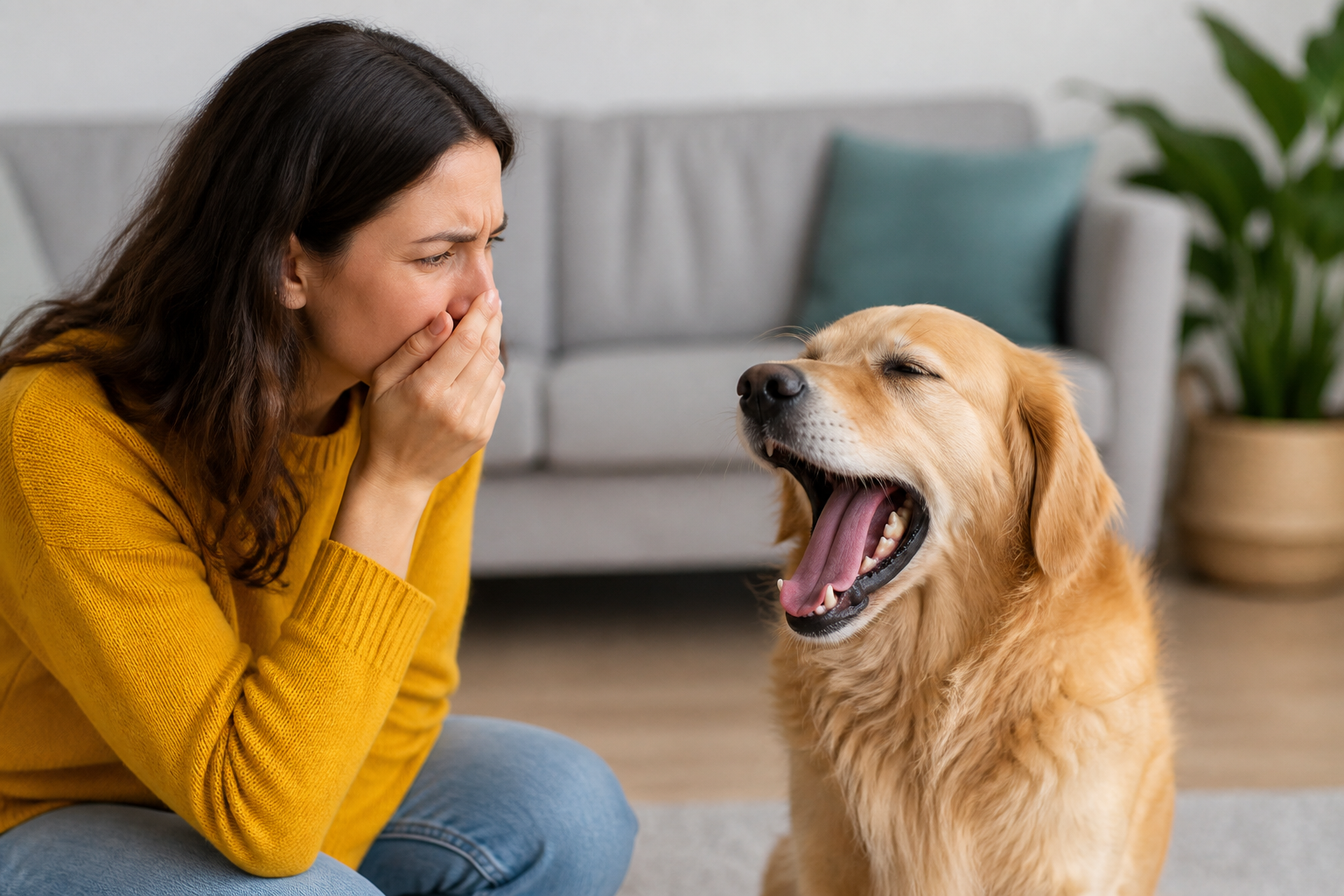
It is a common scenario for many pet owners. You lift your dog’s lip to check their pearly whites and find they look perfectly healthy. There is no visible brown tartar or bright red inflammation. Yet, when they lean in for a lick, the odor is enough to make you turn away. This confusing combination of clean teeth and foul breath often leaves owners wondering if they are missing something hidden in the mouth or if the problem lies deeper within.
At BaxterBoo, we know that "dog breath" is not something you just have to live with as a pet owner. While we often associate bad breath with dental decay, it is frequently a symptom of systemic health issues or dietary habits. This article explores the various reasons why a dog might have halitosis despite having clean teeth. We will cover everything from kidney function to the canine microbiome to help you understand when to reach for a toothbrush and when to call the veterinarian.
Quick Answer: If your dog has clean teeth but bad breath, the cause is often internal. It may stem from dietary habits like eating stool, or it could indicate a systemic issue like kidney disease, liver problems, or diabetes.
The Illusion of Clean Teeth
When we look at a dog's mouth, we usually focus on the visible surface of the teeth. If the enamel looks white and the gums look pink, we assume everything is fine. However, dental health is much more than what is visible to the naked eye. Plaque and bacteria can hide in places that are difficult to see without a professional veterinary exam.
Issues Below the Gumline
Periodontal disease often starts where you cannot see it. Bacteria can migrate under the gumline, creating pockets of infection. Even if the crown of the tooth is clean, the root could be surrounded by decaying tissue or bacteria. This is why veterinarians emphasize professional cleanings that include scaling under the gumline.
For additional guidance on warning signs that may be easy to miss, read our article on hidden signs of dental disease in dogs.
Crowded Teeth and Small Mouths
Small breeds like Yorkies, Chihuahuas, and Pugs often have crowded mouths. Even if their teeth look clean from the side, food particles and hair can get trapped between teeth that are rotated or pressed together. This debris rots quickly, causing a sharp, localized odor that persists even if the rest of the mouth is healthy.
Hidden Foreign Objects
Dogs explore the world with their mouths. It is surprisingly common for a small piece of a stick, a shard of a bone, or even a blade of grass to get wedged in the roof of the mouth or under the tongue. Because these objects are often tucked away in crevices, they do not interfere with the appearance of the teeth. As the object stays in the warm, moist environment of the mouth, it begins to decompose or causes a local infection, both of which produce a foul smell.
Key Takeaway: Visual cleanliness does not guarantee oral health. Odors can originate from under the gumline or from foreign objects trapped in hard-to-see areas of the mouth.
Systemic Health Issues and Odor
When the mouth is truly healthy and clean, bad breath often serves as a messenger for the rest of the body. The way a dog’s breath smells can actually provide clues about which internal organ might be struggling. This is where "dog breath" moves from being a grooming nuisance to a medical concern.
Kidney Disease and Ammonia Breath
The kidneys act as the body's primary filtration system. When they are not functioning correctly, toxins like urea build up in the bloodstream. This can result in breath that smells like ammonia, urine, or even chemicals. If you notice this specific scent, it is a sign that the body is struggling to process waste.
Liver Disease and Musty Odors
The liver is responsible for detoxifying the blood and aiding in digestion. If the liver is failing, it can produce a very distinct, musty odor on the breath. This is sometimes described as the smell of a dead animal or very old, damp earth. Along with the smell, you might notice a yellowing of the whites of the eyes or the gums.
Diabetes and Sweet Breath
Unregulated diabetes can lead to a condition called ketoacidosis. When the body cannot use sugar for energy, it starts breaking down fat instead. This process produces ketones, which have a very specific sweet or fruity smell. Some people describe it as smelling like fermenting apples or acetone (nail polish remover). While it might smell "better" than typical bad breath, it is a serious medical emergency.
Vet Tip: If your dog’s breath has a distinct chemical, musty, or sweet smell, schedule a veterinary appointment immediately. These odors are often the first visible signs of serious internal organ stress and require blood work for a proper diagnosis.
Dietary Habits and the "Poop-Eating" Problem
Sometimes the answer is much simpler and more unpleasant than a medical condition. If your dog has clean teeth but smells like a litter box, they might be engaging in coprophagia, which is the technical term for eating feces.
Why Dogs Eat Poop
This behavior is common in puppies but can persist into adulthood. Dogs may eat their own stool, the stool of other dogs, or "cat treats" from the litter box. Cat food is very high in protein, which makes cat waste particularly enticing to dogs. If your dog has just finished a "snack" from the litter box, their breath will smell exactly like what they just consumed.
Dietary Deficiencies
In some cases, dogs eat stool or other non-food items because they are lacking certain nutrients in their diet. If their body is not absorbing enough minerals or vitamins from their kibble, they may seek them out elsewhere. This can lead to a cycle of bad breath and digestive upset.
High-Protein and Wet Food
The type of food you feed can also play a role. Wet food tends to stick to the tongue and the roof of the mouth more than dry kibble. Even if the teeth stay clean because the dog is a vigorous chewer, the soft food can sit on the soft tissues of the mouth and develop an odor.
Bottom line: Persistent bad breath in a dog with clean teeth is often a direct result of what they have recently eaten, including non-food items like animal waste.
The Role of the Gut Microbiome
We often think of bad breath starting in the mouth, but it can also rise up from the digestive tract. The stomach and intestines are home to billions of bacteria that help break down food. When this balance is disrupted, it can produce gases that exit through the mouth.
Digestive Issues and Gas
If a dog is struggling with a slow digestive system or an intolerance to a specific ingredient, food may sit in the stomach longer than it should. As it ferments, it produces gas. This can lead to "burpy" breath that smells sour or like rotting food, even if the teeth are brushed daily.
Probiotics and Enzymes
Maintaining a healthy gut can sometimes be the key to fixing breath issues. Using high-quality probiotics can help balance the "good" and "bad" bacteria in the digestive tract. We carry a variety of dog digestive health supplements that support digestive health, which in turn can help freshen breath from the inside out.
For more information about choosing supplements, read our guide to pet supplements and digestive probiotics.
Food Sensitivities
Sometimes, the breath is a reaction to an allergy or sensitivity. If a dog’s body is constantly in a state of inflammation due to a food allergy, it can affect the moisture levels in the mouth. A dry mouth (xerostomia) lacks the saliva needed to wash away natural bacteria, leading to a concentrated, unpleasant smell.
Identifying Oral Tumors and Growths
In older dogs, bad breath with clean teeth can sometimes be a sign of an oral growth. These tumors are not always visible on the front of the teeth. They can grow far back near the throat, under the tongue, or inside the cheek tissue.
How Growths Cause Odor
As a tumor grows, the tissue in the center can sometimes lose its blood supply and begin to die (necrotize). This necrotic tissue produces a very strong, putrid smell that is hard to ignore. Because the growth is soft tissue, it doesn't affect the cleanliness of the enamel on the teeth.
When to Check
If your dog is over the age of seven and suddenly develops very bad breath, it is worth doing a thorough "map" of their mouth. Use a flashlight to look at the back of the throat and the underside of the tongue. If you see any lumps, bumps, or areas that look darker than the surrounding pink tissue, it is time for a vet visit.
Professional Diagnosis
Oral tumors like melanoma or squamous cell carcinoma can be aggressive. Early detection is vital. A veterinarian can perform a biopsy to determine if a growth is benign or malignant.
Practical Steps for Better Breath
Once you have ruled out major medical issues with your veterinarian, there are several steps you can take at home to manage breath odor. Even with clean teeth, a maintenance routine is essential.
Brushing the Tongue
Most people focus only on the teeth, but the tongue is a massive carpet that traps bacteria. Using a soft finger brush to gently clean the surface of the tongue can remove the biofilm that causes odor. Make sure to use a toothpaste formulated specifically for dogs, as human toothpaste contains xylitol which is toxic to pets.
Water Additives
If your dog is not a fan of the toothbrush, water additives can be a helpful tool. These are typically tasteless liquids that you add to their daily water bowl. They contain enzymes that help break down odor-causing bacteria in the mouth and throat. One option is OxyFresh Pet Dental Water Additive, which is designed to be added to your pet’s water.
For more ideas, explore these dog dental and breath care products.
Changing the Bowl
Believe it or not, the bowl itself can contribute to the problem. Plastic bowls can develop tiny scratches over time that harbor bacteria. No matter how clean your dog's mouth is, if they are drinking from a bacteria-laden bowl, they will pick up that scent. Switching to stainless steel or ceramic bowls can help.
You can browse our dog bowls when it is time to replace an older or difficult-to-clean bowl.
Shopping for Support
- Dental Chews: Look for options that encourage long chewing sessions to stimulate saliva.
- Probiotics: These help manage the gut-mouth connection.
- Stainless Steel Bowls: These are easier to sanitize and do not trap bacteria.
- Prescription Diets: If the issue is kidney or liver-related, our pharmacy offers specialized foods through our partnership with Pet's Choice.
Key Takeaway: A multi-pronged approach involving tongue cleaning, bowl hygiene, and digestive support is often more effective than focusing on the teeth alone.
Managing Chronic Conditions Through the Pharmacy
If your veterinarian determines that the bad breath is a symptom of a chronic condition like kidney disease or diabetes, management becomes a long-term commitment. This often involves specific medications or prescription diets designed to take the workload off the struggling organs.
Our pet pharmacy provides a convenient way to access these essential supplies. Through our partnership with Pet's Choice, we carry FDA-approved medications and prescription pet foods. When a dog has kidney disease, for example, they may need a diet with controlled phosphorus and protein levels to reduce the production of urea, which directly improves their breath and overall comfort.
Using a service like Autoship can be particularly helpful for these chronic needs. It ensures you never run out of the prescription food or medication that keeps your dog stable. Plus, the savings on recurring orders can help manage the costs associated with long-term pet care.
When to See the Veterinarian
It can be difficult to know when to move from home remedies to professional help. Because bad breath can be a sign of anything from a piece of stuck kibble to organ failure, we recommend a proactive approach.
Schedule a visit if you notice:
- Breath that smells like ammonia, fruit, or chemicals.
- A sudden change in breath odor that lasts more than a week.
- Yellowing of the gums or eyes.
- Excessive thirst or urination along with the bad breath.
- Difficulty eating or dropping food.
- Lumps or bumps anywhere in the mouth.
A vet can perform blood tests, urinalysis, and a thorough oral exam under sedation if necessary. This is the only way to truly "see" what is happening under the gumline or deep in the throat.
Conclusion
Understanding why a dog has bad breath but clean teeth requires looking beyond the smile. While we usually blame plaque, the true culprit is often hidden in the gut, the organs, or the dog's daily habits. By paying close attention to the specific scent of the breath and monitoring for other physical changes, you can catch health issues early.
Whether you need a new set of stainless steel bowls, high-quality probiotics, or a prescription diet from our pharmacy, we are here to help. Maintaining your dog's health is a journey that starts with these small observations. Keeping a close eye on their "clean" teeth while respecting what their breath is telling you is the mark of a great pet owner.
Key Takeaway: Bad breath is a diagnostic tool. Use it to monitor your dog's internal health, and don't hesitate to involve your vet when the odor changes.
To get started on a fresher path, consider setting up an Autoship plan for your dog's favorite dental chews or health supplements. This ensures you stay consistent with their care while earning MVP Rewards on every purchase.
FAQ
Why does my dog's breath smell like fish even though their teeth are clean?
A fishy odor is often related to the anal glands rather than the mouth. Dogs often lick these glands when they are full or irritated, transferring the scent to their fur and mouth. If the smell persists, your vet may need to express the glands or check for a local infection.
Can a dog's diet cause bad breath if the food is high quality?
Yes, even the best food can cause odor if your dog has a sensitivity to a specific protein or if the food is very high in moisture. Soft foods can linger on the tongue and soft tissues of the mouth, where bacteria break them down and produce a smell, regardless of how clean the teeth are.
Is it normal for a puppy to have bad breath when they are losing teeth?
It is very common for "puppy breath" to take a turn for the worse during teething. As the adult teeth push through, there is often slight bleeding and tissue displacement. This creates a temporary environment where bacteria can thrive, but the smell usually resolves once the adult teeth are fully in.
For more information, read about when dogs lose their puppy teeth.
How can I tell if my dog's bad breath is coming from their stomach?
If the breath smells sour or like "garbage" and is accompanied by frequent burping, gas, or a gurgling stomach, the issue is likely digestive. In these cases, the smell isn't constant but tends to get worse shortly after eating or when the dog is excited and panting.






