
 Save 15% on your 1st Autoship learn more

 Email us
 Live Chat
 FAQs
FAQs





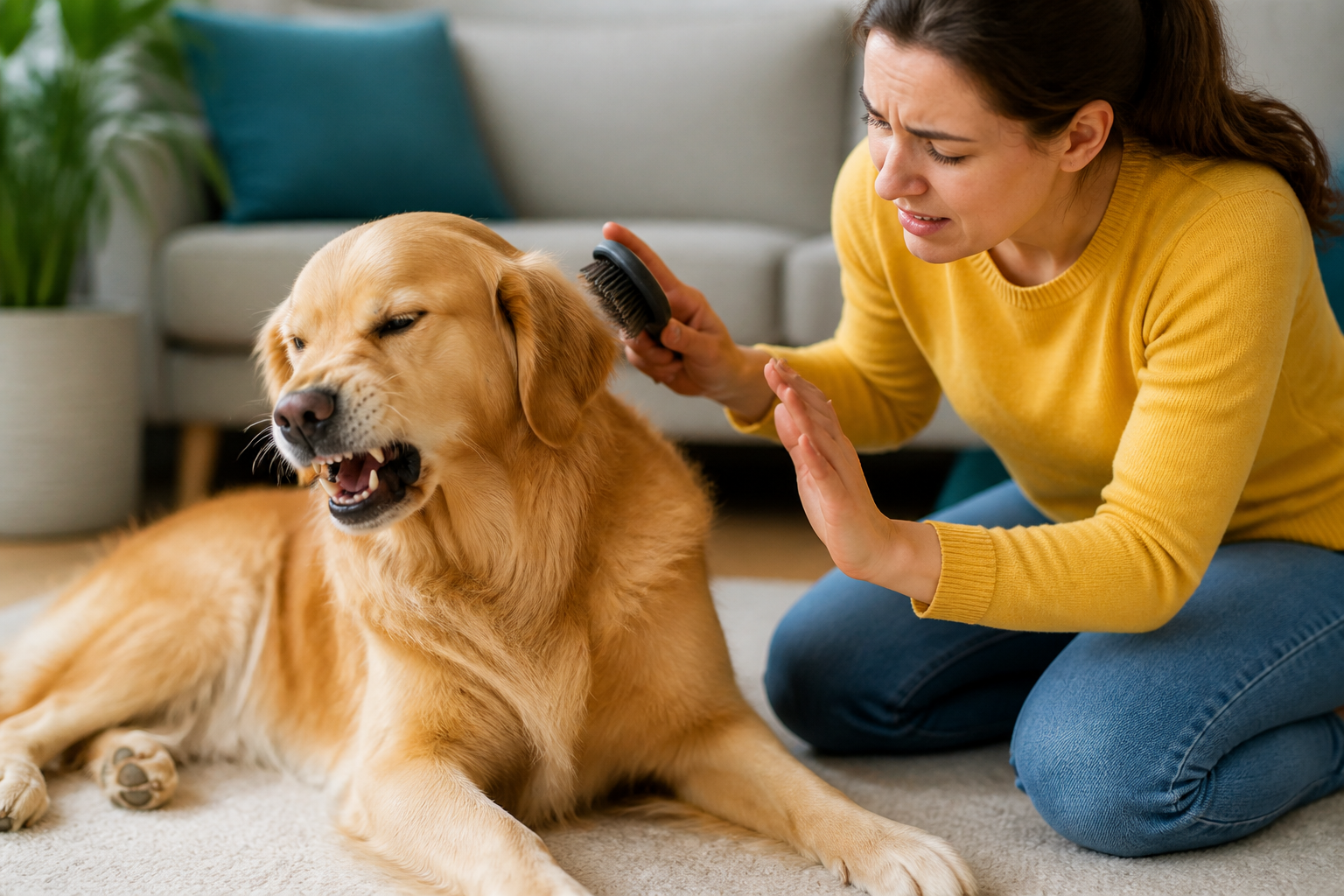
Table of Contents
- Introduction
- The Most Common Reasons for Brushing Resistance
- Health Issues and Underlying Discomfort
- Choosing the Right Tools for Your Dog
- Step-by-Step Desensitization Plan
- Strategies for a Successful Grooming Session
- When to Call a Professional
- Managing Ongoing Care
- Summary
- FAQ
Introduction
You reach for the grooming kit, and suddenly your dog is nowhere to be found. Or perhaps they stay put but turn into a wiggly, frustrated mess the moment the bristles touch their fur. This reaction is common, yet it can be incredibly draining for a pet owner who just wants their dog to be clean and healthy. At BaxterBoo, we know that a dog who hates the brush usually has a very good reason for their behavior. Grooming is a fundamental part of care, but it should not be a battle of wills. This post covers the physical, psychological, and environmental reasons your dog might be resisting. We will provide practical ways to rebuild trust and choose the right tools for a smoother experience. Understanding your dog's perspective is the first step toward a stress-free grooming routine.
Quick Answer: Dogs usually dislike brushing because of physical pain from mats, skin sensitivity, or negative past experiences. They may also feel overwhelmed by the tools or suffer from underlying joint pain that makes certain positions uncomfortable.
The Most Common Reasons for Brushing Resistance
Before you can fix the behavior, you have to find the source of the problem. Dogs do not act out to be difficult. They are trying to communicate that something about the process feels wrong or scary.
Physical Pain from Mats and Tangles
The most frequent reason for a dog to pull away is simple: it hurts. If your dog has a double coat or long hair, mats can form close to the skin. These mats act like tight rubber bands that constantly pull on the sensory nerves. When you run a brush over a mat, it yanks on the skin. Even a gentle stroke can cause a sharp sting if the hair is clumped. If your dog has experienced this a few times, they will quickly learn that the brush equals pain.
Incorrect Tools for the Coat Type
Not all brushes are created equal. Using a stiff slicker brush with sharp pins on a dog with thin skin or a short coat can feel like scratching with a fork. Conversely, using a soft bristle brush on a heavily matted coat will do nothing but create static and snag on the surface. We see many owners using tools that are too aggressive for their dog's specific needs. The wrong tool can cause "brush burn," which is a painful skin irritation caused by too much friction or pressure.
For help matching equipment to your dog’s coat, explore our dog brushes and combs.
Sensory Overload and Static
Brushing creates friction, and friction creates static electricity. This is especially true in dry winter months. A dog who feels a series of tiny electric shocks every time you brush them will quickly become anxious. Additionally, the sound of the brush moving through the hair or clicking against the floor can be overwhelming for sensitive dogs. They experience the world through sound and touch much more intensely than we do.
Lack of Early Socialization
If a dog was not handled frequently as a puppy, they may view the brush as an invasive object. To a dog, someone standing over them and manipulating their limbs feels like a display of dominance or a potential threat. If they did not learn that this is a safe, rewarding activity during their first few months of life, they will likely be skeptical of the process as adults.
Health Issues and Underlying Discomfort
Sometimes, the resistance has nothing to do with the brush itself and everything with how the dog's body feels. If your dog has recently started hating their grooming sessions, it is time to look for physical changes.
Joint Pain and Arthritis
Senior dogs often struggle with grooming because of the positions they are asked to hold. Standing on a hard floor for twenty minutes can be grueling for a dog with hip dysplasia or arthritis. If you notice your dog flinching when you move their legs or try to brush their belly, they may be dealing with inflammation.
Vet Tip: If your dog shows sudden aggression or signs of pain during grooming, consult your veterinarian to rule out medical issues. Our pharmacy carries medications and supplements that may support ongoing pet care.
Skin Infections and Allergies
Inflamed skin is hypersensitive. If your dog is dealing with environmental allergies, hot spots, or a fungal infection, their skin will be tender. Even a soft brush can feel like sandpaper on an active rash. Check for redness, bumps, or a strange odor before you begin your next grooming session. Addressing the underlying skin issue is necessary before you can resume a regular brushing schedule.
For products related to sensitive skin and allergy care, browse our dog allergy collection.
Key Takeaway: Pain is the primary motivator for grooming resistance, whether it comes from the hair itself, the skin, or the joints underneath.
Choosing the Right Tools for Your Dog
Using the right equipment can change the entire tone of your grooming session. We carry a wide variety of grooming brands that offer different tactile experiences for your dog.
| Brush Type | Best For | Why It Helps |
|---|---|---|
| Rubber Curry Brush | Short coats and sensitive dogs | Massages the skin while removing loose fur without scratching. |
| Grooming Glove | Anxious dogs | Mimics the feeling of being petted rather than being "worked on." |
| Slicker Brush | Double coats and long hair | Effectively removes trapped undercoat but requires a light touch. |
| Pin Brush | Silky coats | Penetrates long hair without the intensity of a slicker brush. |
| Stainless Steel Comb | All coat types | Perfect for checking for hidden mats after the initial brushing. |
A cushioned option such as the Master Grooming Tools Ergonomic Slicker Dog and Cat Brush may be useful for controlled, gentle brush-outs.
Step-by-Step Desensitization Plan
If your dog already hates the brush, you cannot expect them to love it overnight. You need to "re-program" their brain to associate the grooming kit with positive things. This process is called counter-conditioning.
Step 1: Introduction without touch. / Place the brush on the floor and put high-value treats like Greenies around it. Let your dog sniff the tool and walk away. Do this for several days until they no longer look worried when they see the brush.
Step 2: The "Magic Wand" approach. / Hold the brush in one hand and a treat in the other. Briefly touch the back of the brush (the smooth side) to your dog's shoulder. Immediately give the treat. You are teaching them that the tool touching them results in something delicious.
Step 3: One stroke at a time. / Once they are comfortable with the touch, try one very gentle stroke in an area they usually enjoy being petted, like the chest. Give a treat immediately. Stop after just one or two strokes.
Step 4: Gradually increase duration. / Slowly add more strokes and move toward more sensitive areas like the legs or tail. If your dog shows signs of stress, go back to the previous step.
Bottom line: Success in desensitization is measured in weeks, not minutes, so keep sessions very short.
For additional guidance about creating more positive care routines, read these tips for making dog bathing a better experience.
Strategies for a Successful Grooming Session
The environment you create plays a massive role in how your dog reacts. If you are stressed and rushed, your dog will be too.
Use High-Value Distractions
Do not just use regular kibble for grooming. Use something special that they only get during these sessions. Lick mats covered in peanut butter or wet food are excellent because the act of licking is naturally calming for dogs. It keeps their head occupied while you work on their back or sides.
Check the Environment
Make sure your dog has good traction. Slipping on a hardwood or tile floor makes dogs feel vulnerable. Place a yoga mat or a thick towel down so they feel stable. Keep the room quiet and free of other pets who might cause a distraction.
Watch Your Body Language
Avoid leaning directly over your dog. This can be intimidating. Instead, sit on the floor with them or stand to the side. Use a calm, low voice. If you feel yourself getting frustrated, put the brush away and try again later. Your frustration will only confirm to your dog that brushing is a negative event.
For gentler hands-on cleaning options, consider our dog cleaning mitts and scrubbers.
- Keep sessions under five minutes.
- Always end on a positive note with a big reward.
- Brush in the direction of hair growth, never against it.
- Use a detangling spray to reduce friction and static.
When to Call a Professional
Sometimes, a dog's fear is too deep for home sessions to be safe. If your dog growls, snaps, or tries to bite when the brush comes out, do not force the issue. This level of reactivity requires professional help.
A professional groomer has specialized tables and restraints that can keep everyone safe. They are also trained to work quickly, which reduces the amount of time the dog has to be stressed. If your dog is severely matted, a "shave down" by a professional is often the most humane option. It removes the pain of the mats instantly and allows you to start fresh with a new coat and a new positive reinforcement routine.
You might also consider a professional trainer who specializes in cooperative care. They can teach you specific handling techniques to help your dog feel more in control of the process.
Managing Ongoing Care
Once you have established a routine, consistency is your best friend. Brushing your dog once a week for five minutes is much better than once a month for an hour. Frequent brushing prevents mats from forming in the first place, which removes the main source of pain.
If you are using supplements or medications to help with skin health or anxiety, our Autoship programme is a great way to ensure you never run out. It also saves you money on every order and grants you MVP Gold membership. Keeping your dog's skin healthy from the inside out makes the external grooming process much easier.
Summary
Brushing should be a moment of connection between you and your dog. By identifying the cause of their dislike, whether it is physical pain or emotional fear, you can tailor your approach to meet their needs. Start slowly, use the right tools, and never underestimate the power of a good treat.
Key Takeaway: A successful grooming routine is built on trust, the correct tools, and a deep understanding of your dog's physical comfort.
At BaxterBoo, we carry everything you need to make grooming a success, from specialized brushes to calming aids. If your dog’s resistance is due to a health condition or severe anxiety, remember to talk to your vet about prescription options. Our pharmacy is here to help you manage those ongoing needs so your pet can feel their best during every session.
FAQ
Why does my dog try to bite the brush?
Biting the brush is usually a defensive reaction or a sign of overstimulation. Your dog may be trying to "kill" the object that is causing them discomfort or fear. It can also happen in puppies who view the brush as a toy and want to play-bite. If the biting is aggressive, it is best to stop and consult a professional trainer to work on desensitization.
Can static electricity make my dog hate brushing?
Yes, static electricity can cause small, sharp shocks that startle and annoy dogs. This is very common in long-haired breeds and during dry weather. You can prevent this by using a high-quality conditioning spray or a slightly damp cloth before you begin brushing. Avoiding plastic brushes and sticking to metal or natural bristles can also help reduce the build-up of static.
Is it okay to cut out mats with scissors?
We generally recommend against using scissors to cut out mats at home. Mats often sit very close to the skin, and it is incredibly easy to accidentally cut your dog's skin, which is very thin and elastic. It is much safer to use a dedicated mat-splitting tool or to have a professional groomer shave the area. If you must use scissors, always place a comb between the skin and the scissors to act as a guard.
How often should I brush a dog that dislikes it?
You should actually brush them more often, but for much shorter periods. Instead of one long, stressful session a week, try one minute of brushing every single day. This prevents mats from forming and turns the brush into a normal, everyday object rather than a scary weekly event. Always follow these mini-sessions with a high-value reward to build a positive association.






