
 Save 15% on your 1st Autoship learn more

 Email us
 Live Chat
 FAQs





Introduction
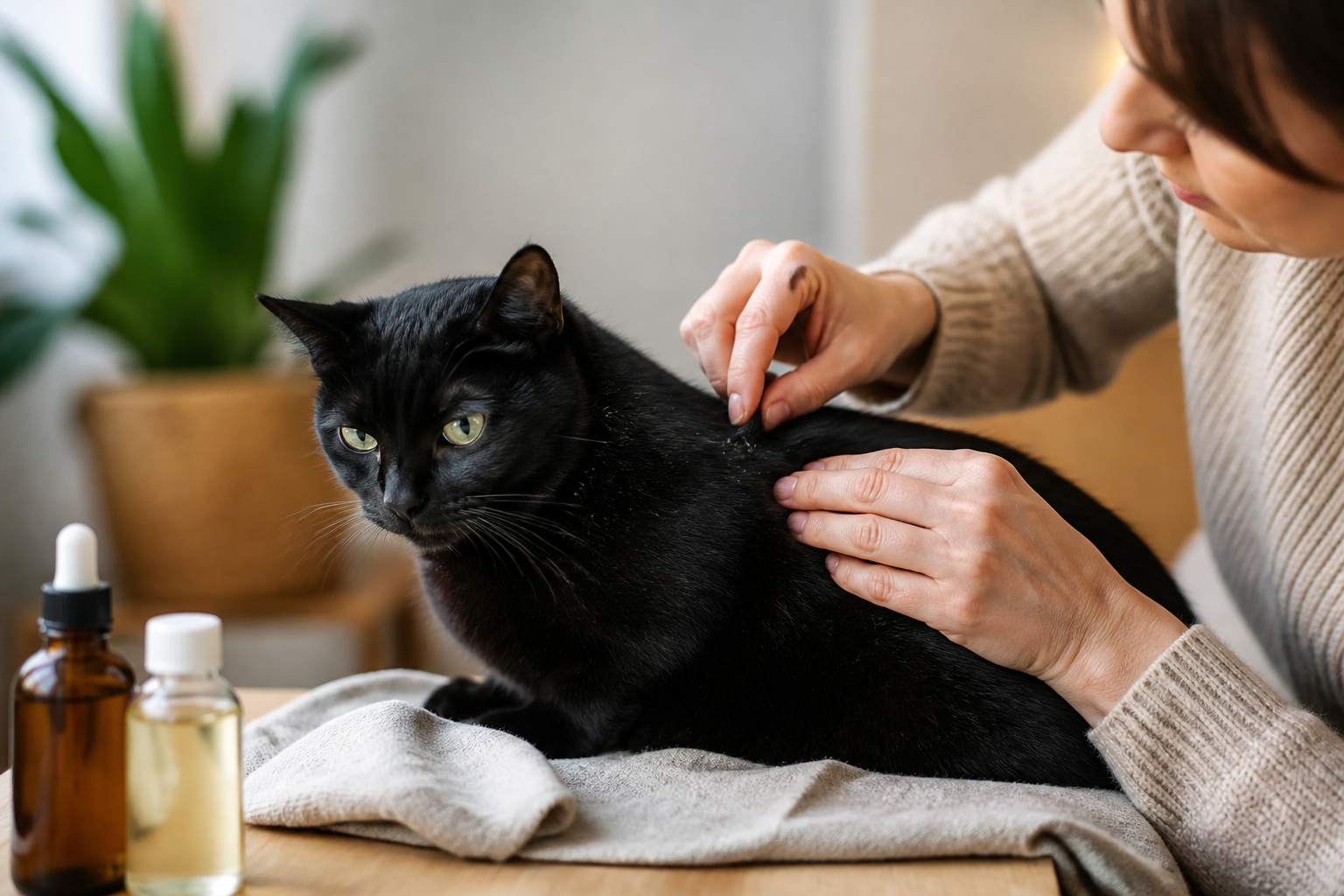
Finding white flakes on your cat’s sleek coat can be a surprise. If you have noticed my black cat has dandruff, you are not alone. Because of their dark fur, black cats show every tiny speck of dry skin much more clearly than lighter-colored pets. At BaxterBoo, we talk to owners every day who are worried that these flakes mean a major health issue. Most of the time, dandruff is a manageable condition caused by diet, environment, or grooming habits. We want to help you understand the difference between a simple case of dry skin and something that needs a vet's attention. This post covers the most common causes of feline flakes and the practical steps you can take to restore your cat's shiny, dark coat.
Quick Answer: Black cat dandruff is often caused by seasonal dry air, nutritional gaps, or grooming struggles like obesity. Regular brushing and adding omega fatty acids to their diet usually clear up mild cases. If the skin is red, itchy, or the flakes move, a veterinary visit is necessary to rule out parasites or infections.
The Visual Impact: Why Black Cats Show More Flakes
Dandruff is technically called seborrhea sicca. It happens when the skin produces too many dead cells or when the natural oils are out of balance. While every cat can get dry skin, it is far more obvious on a black cat. The high contrast between the dark fur and the white skin cells makes even a minor case look quite dramatic.
You might notice the flakes most often along the spine and near the base of the tail. These are areas where dead skin tends to collect. If your cat has a thick undercoat, the flakes can get trapped deep in the fur. This makes the coat look dull and dusty rather than glossy.
Is it Just Dry Skin?
Not all white specks are simple dandruff. Sometimes what looks like flakes can be something else entirely.
- Dust or litter particles
- Dried saliva from grooming
- Parasite eggs or debris
- "Walking dandruff" (mites)
If you see the "flakes" moving, your cat likely has mites rather than simple dry skin. This requires a specific treatment plan from your veterinarian.
Cat Skin & Coat Care








Common Causes of Feline Dandruff
Understanding the cause is the only way to find a real solution. We often see that dandruff is a symptom of an underlying lifestyle or health factor.
Seasonal and Environmental Dryness
Low humidity is a common culprit. During the winter, indoor heating strips moisture from the air. This dries out your cat’s skin and leads to flaking. If you notice the dandruff only appears when the furnace kicks on for the year, the environment is likely the trigger.
Grooming Struggles
Cats are famous for their cleanliness. If a cat stops grooming an area, dead skin and loose fur pile up. This leads to visible dandruff.
- Obesity: If a cat is overweight, they literally cannot reach their lower back or tail base.
- Arthritis: Senior cats with joint pain may find it uncomfortable to twist and groom.
- Dental Issues: If a cat’s mouth hurts, they will stop licking their fur.
For additional guidance about weight-related grooming challenges, read our advice on helping an indoor cat lose weight.
Nutritional Gaps
The skin is the largest organ in a cat's body. It requires a massive amount of protein and specific fats to stay healthy. If the diet is low in Omega-3 and Omega-6 fatty acids, the skin barrier weakens. This leads to moisture loss and flaking. At BaxterBoo, we often suggest looking at high-quality brands like Farmina or Stella and Chewy's to ensure your cat gets premium nutrition.
Key Takeaway: Dandruff is usually a sign that the skin barrier is dry or that the cat is physically unable to groom effectively.
The Role of Weight and Mobility
If the dandruff is concentrated on the lower back, your cat might be struggling with their reach. This is a very common issue for indoor cats who have put on a few extra pounds. When a cat cannot reach the base of their tail, the natural oils do not get distributed. The skin there becomes dry and the dead cells sit on the surface.
If your cat is older, joint stiffness might be the reason they have stopped grooming. You might notice they move more slowly or jump less often. Supporting their joints can actually help their skin because it allows them to return to their normal grooming routine. Supplements like Cosequin are often used to support joint health in aging cats.
Vet Tip: If your cat has suddenly stopped grooming, it is important to rule out pain. A vet can check for arthritis or dental issues that might be making self-care difficult for your pet.
Nutrition for a Flake-Free Coat
What goes into your cat’s bowl shows up on their skin. Cats are obligate carnivores, meaning they need animal-based proteins and fats to thrive.
Essential Fatty Acids
Omega-3 fatty acids from fish oil are excellent for skin health. They help reduce inflammation and keep the skin barrier strong. Many owners see a massive difference after adding a supplement like Zesty Paws salmon oil to their cat's meals.
Hydration and Wet Food
Cats often have a low thirst drive. If they only eat dry kibble, they may live in a state of mild dehydration. This shows up as dry, flaky skin. Adding wet food from brands like Tiki Cat or Fussie Cat can increase their daily water intake. More hydration inside the body leads to more moisture in the skin.
High-Quality Protein
The skin and coat use up to 30 percent of a cat's daily protein intake. If the food is full of fillers, the skin is often the first place to suffer. Look for foods that list a specific meat as the first ingredient and avoid heavy use of corn or soy. Browse our cat food selection when comparing different options.
Managing Dandruff with Grooming
While you work on the internal causes, you can help your black cat look better with regular grooming. This physically removes the flakes and helps distribute natural oils.
Choosing the Right Tools
A soft bristle brush is often better for dandruff than a harsh metal comb. You want to stimulate the skin without scratching it. Brushing your cat for five minutes a day can significantly reduce the number of visible flakes on their dark fur. Explore our cat grooming supplies for brushes, combs, and other tools.
Waterless Baths and Shampoos
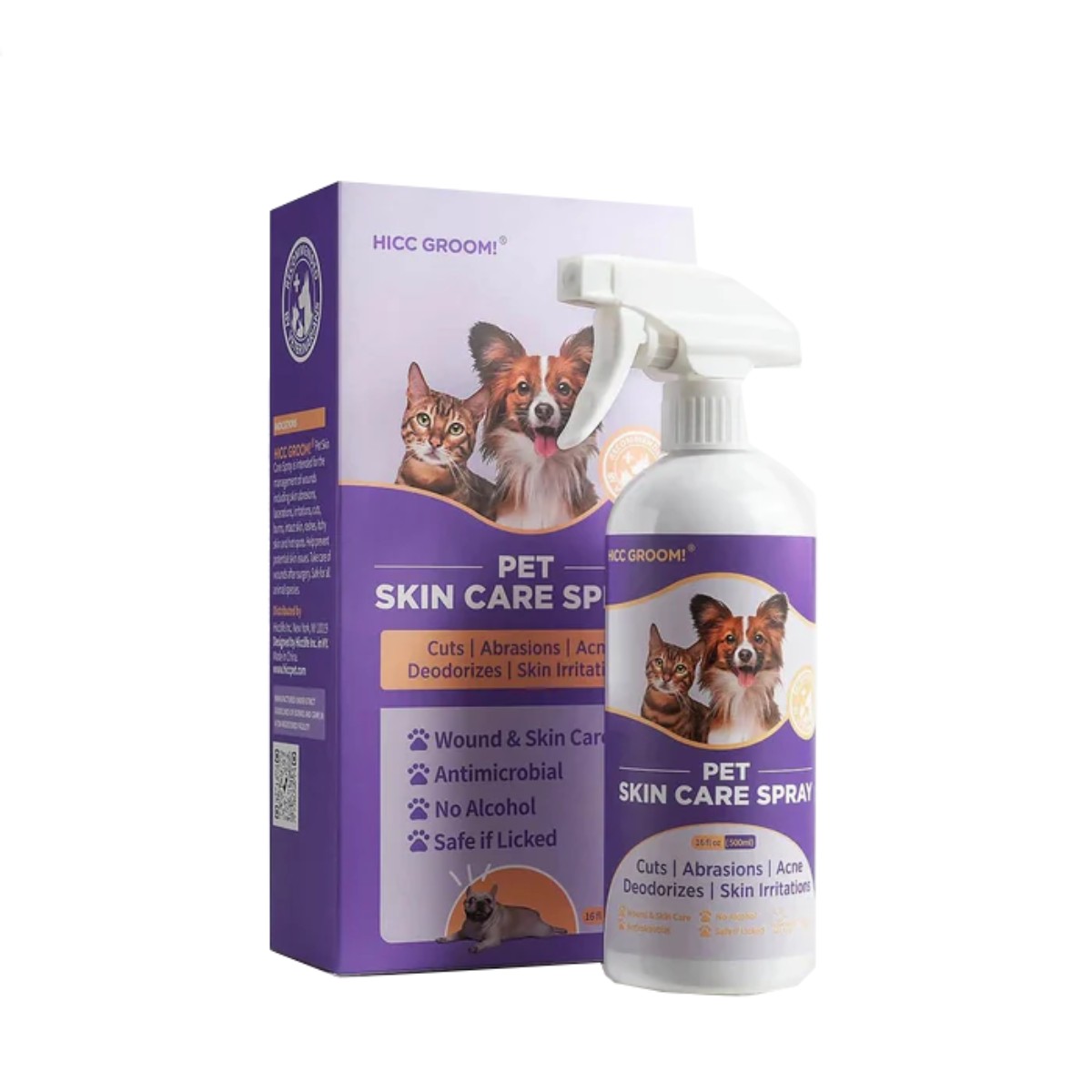
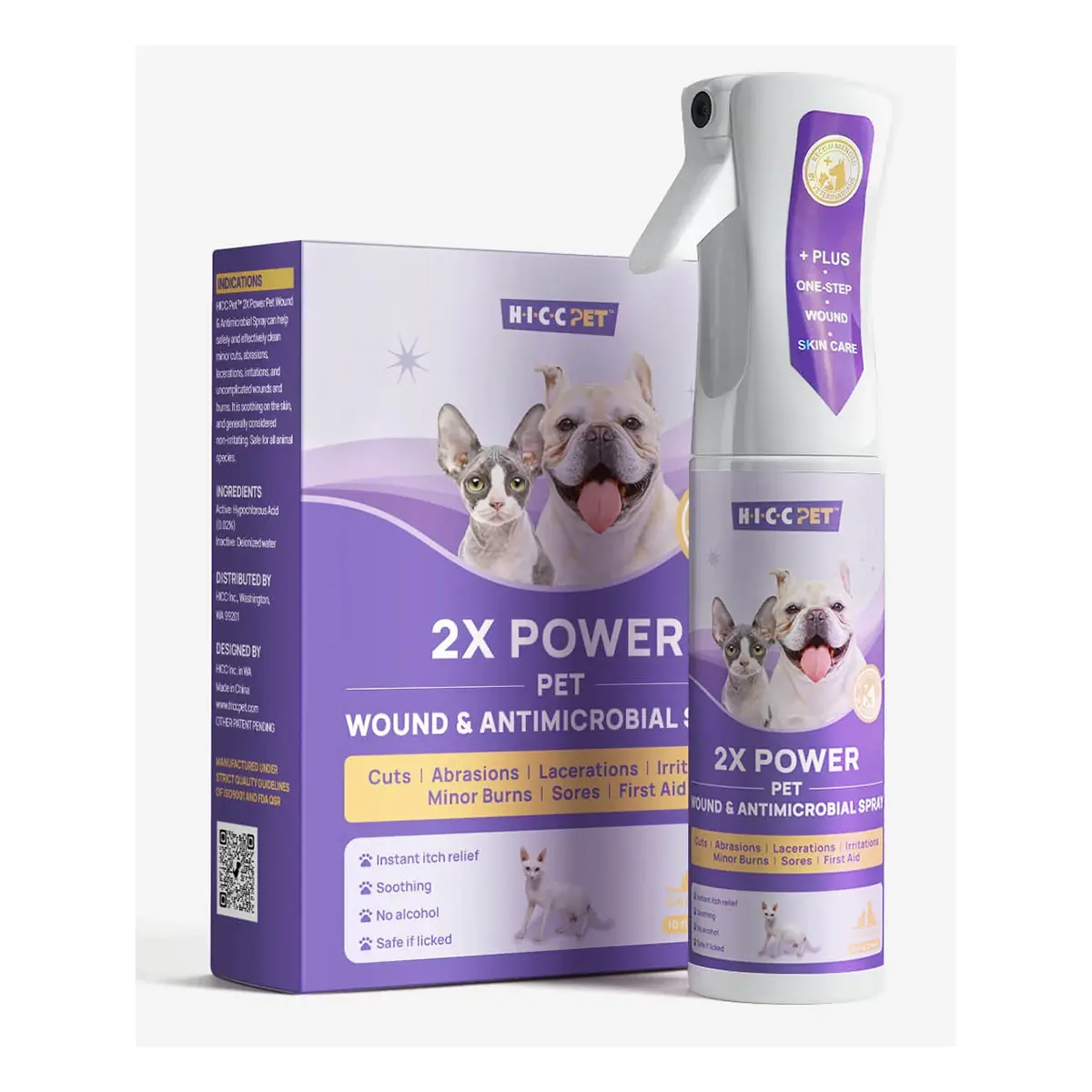
Most cats hate water, so a traditional bath is often stressful and unnecessary. Stress can actually make skin conditions worse. Instead, try a waterless foam shampoo or grooming wipes. These products help moisturize the skin and lift away flakes without the drama of a tub.
Bottom line: Consistent, gentle brushing is the most effective way to manage the appearance of dandruff while you address the root cause.
Medical Causes and Pharmacy Support
Sometimes, my black cat has dandruff because of a medical condition that needs more than just a brush. Certain parasites and infections require professional treatment.
Cheyletiella Mites (Walking Dandruff)
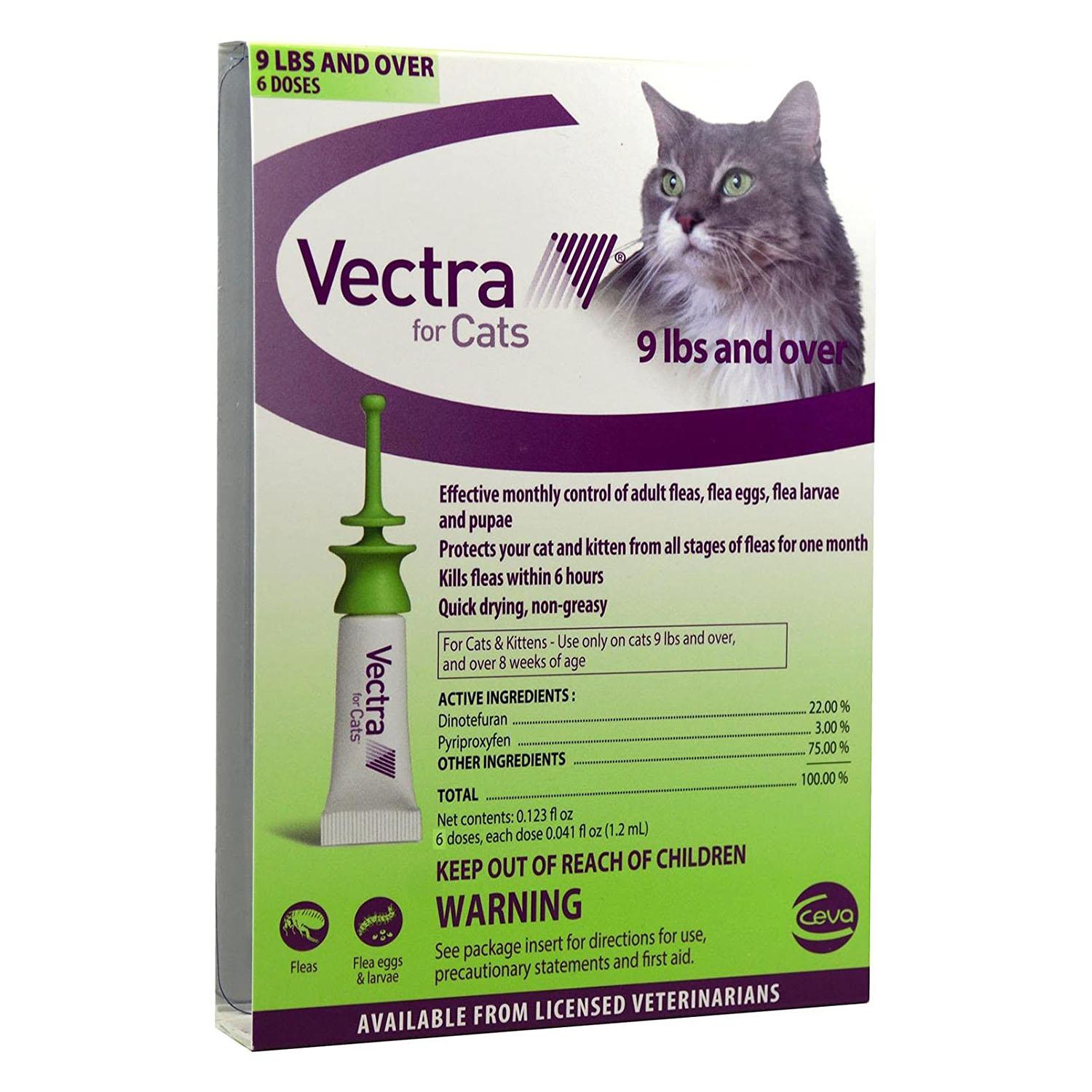
These mites are large enough to see with the naked eye. They look like moving flakes of skin. They are highly contagious and cause intense itching. If you suspect mites, your vet will need to prescribe a specific parasite treatment.
Seborrhea and Skin Infections
Primary seborrhea is a genetic condition where the skin cells turn over too fast. More commonly, cats develop secondary seborrhea due to allergies or infections. Fungal infections like ringworm can also cause scaling and hair loss. These conditions require a diagnosis from a veterinarian.
Prescription Diets and Medications
If your cat has a chronic skin condition or a severe allergy, your vet might recommend a prescription diet. These formulas are specifically designed to support the skin barrier. Through the BaxterBoo pharmacy, you can fulfill these prescriptions for specialized foods like Farmina Vet Life or Royal Canin Veterinary Diet.
Steps for managing medical dandruff:
- Consult your vet to rule out mites or fungal infections.
- Get a prescription if a specialized diet or medication is needed.
- Order through a trusted pharmacy for home delivery.
- Follow the full course of treatment even if the flakes disappear early.
Practical Steps to Reduce Flakes at Home
Once you have ruled out a medical emergency, you can start a home care routine. These small changes can lead to a much glossier coat for your black cat.
Step 1: Increase humidity in your home. / Use a humidifier in the room where your cat sleeps most. This prevents the air from pulling moisture out of their skin.
Step 2: Improve the diet. / Gradually transition to a high-protein food with added omega fatty acids. Ensure they have multiple sources of fresh water to stay hydrated.
Step 3: Start a daily brushing routine. / Use a gentle brush to remove dead skin. This also provides an opportunity to bond and check for any new lumps or bumps.
Step 4: Monitor for itching. / If your cat starts scratching or over-grooming to the point of bald spots, it is time to see the vet.
Key Takeaway: Combining environmental moisture, better nutrition, and regular grooming is the best way to handle non-medical dandruff.
When Should You Worry?
While most dandruff is harmless, some signs indicate a bigger problem. You should contact your veterinarian if you notice any of the following:
- The skin under the flakes is red or inflamed.
- Your cat is losing patches of hair.
- The "dandruff" appears to be moving.
- Your cat is scratching excessively or biting at their skin.
- There is a foul odor coming from the skin or ears.
A vet can perform a skin scraping to look for mites or use a special light to check for ringworm. Getting an accurate diagnosis early prevents the issue from spreading to other pets or getting worse.
Summary
Dandruff on a black cat is very common and highly visible. It often points to simple issues like dry air or the need for a better diet. By focusing on high-quality nutrition, keeping your cat at a healthy weight, and maintaining a regular grooming schedule, you can keep their coat dark and shiny. If the flakes are persistent or accompanied by itching, our pharmacy can help with the medications and prescription diets your vet recommends. Taking a proactive approach ensures your cat stays comfortable and flake-free.
Explore our collection of skin and coat supplements or visit our pharmacy for your cat's prescription needs.
FAQ
Why does my black cat have so much dandruff on their back?
The back and the base of the tail are the most common spots for dandruff because they are the hardest areas for a cat to reach. If a cat is senior, arthritic, or overweight, they may stop grooming these spots entirely. This allows dead skin cells and natural oils to build up and flake off.
Can I use human dandruff shampoo on my cat?
No, you should never use human dandruff shampoo on a cat. These products often contain ingredients like zinc or salicylic acid that are toxic to cats if licked off the fur. Always use a product specifically formulated for feline skin, or stick to waterless grooming wipes designed for pets.
Will changing my cat's food help with dandruff?
Yes, nutrition is one of the most common causes of dry skin. Foods rich in omega fatty acids and high-quality animal proteins help strengthen the skin barrier and improve coat shine. Many owners see a significant improvement after switching to a premium brand or adding a fish oil supplement to their cat’s meals.
Is cat dandruff contagious to humans?
Regular dandruff is just dead skin cells and is not contagious. However, if the dandruff is actually caused by "walking dandruff" mites (Cheyletiella) or a fungal infection like ringworm, those can be passed to humans and other pets. If the skin looks irritated or the flakes seem to move, consult your vet immediately.






- Site & Contents BaxterBoo.com. BaxterBoo is located in the United States.
- Privacy & Security
- Terms of Use
- Accessibility Statement
