
 Save 15% on your 1st Autoship learn more

 Email us
 Live Chat
 FAQs
FAQs





Introduction
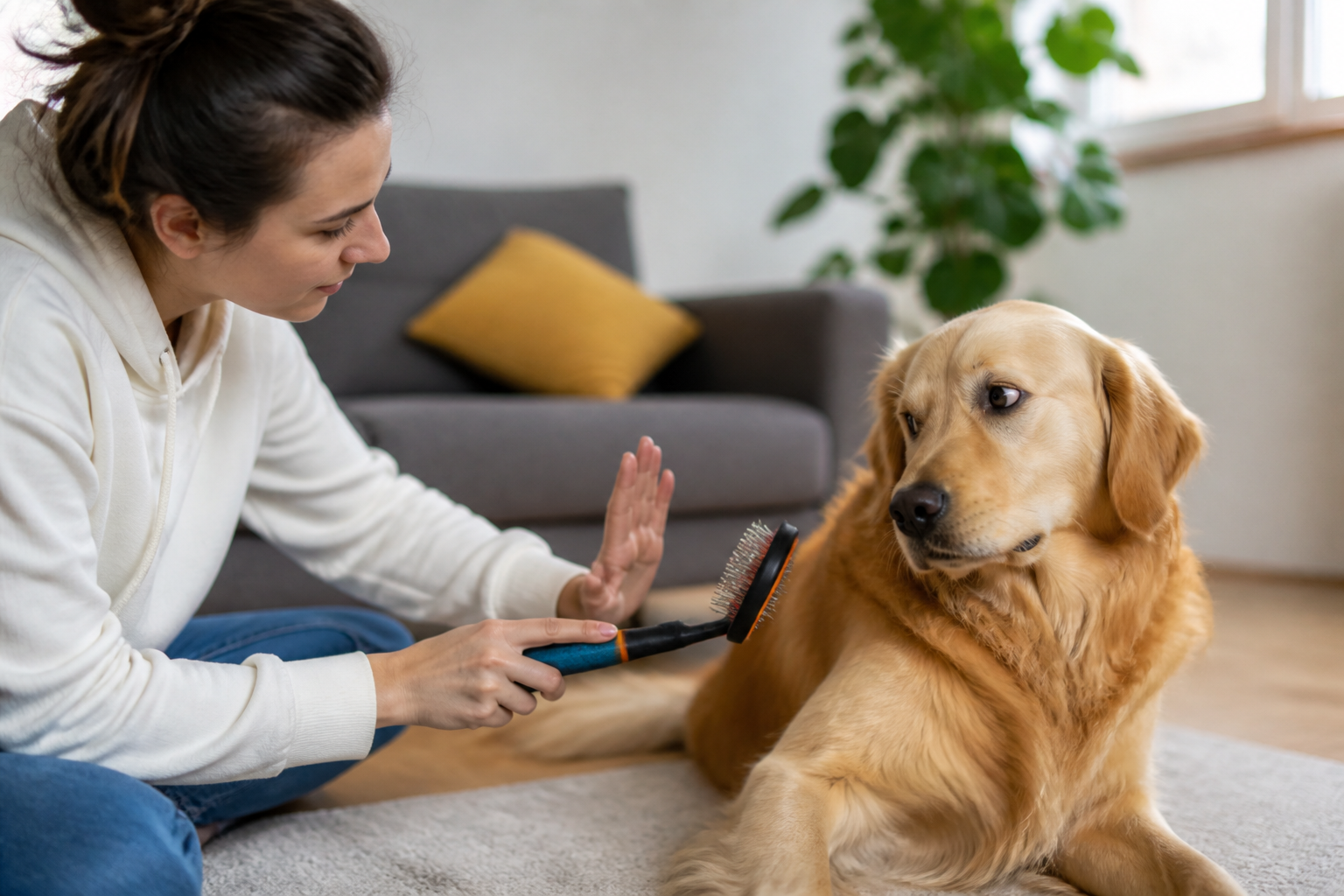
You reach for the slicker brush and your dog suddenly has very important business in another room. Maybe they hide under the dining table or growl when you touch their hindquarters. It is frustrating when a simple grooming task feels like a wrestling match. At BaxterBoo, we know that grooming is about more than just looks. It is a vital part of your dog's health and comfort. This post explores the common reasons for grooming resistance and provides practical steps to help your dog relax. Understanding the root cause of the behavior is the first step toward a stress free grooming routine. We will cover how to rule out pain, choose the right tools, and use positive reinforcement to build trust.
Quick Answer: Dogs usually resist brushing because of physical pain from mats, underlying medical issues like arthritis, or a previous scary experience. Using high value treats, shorter sessions, and the correct brush for their coat type can help rebuild their confidence and cooperation.
The Common Reasons Dogs Avoid the Brush
Most dogs do not act out simply to be difficult. There is almost always a functional reason for their resistance. One of the most common causes is physical pain. If your dog has thick fur, they may have small mats forming close to the skin. When a brush hits these mats, it pulls on the sensitive skin. This creates a sharp pinching sensation. If this happens even once or twice, your dog quickly learns that the brush equals pain. They will then do whatever they can to avoid that feeling in the future.
Fear also plays a significant role. For some dogs, the brush is a strange and threatening object. It is a piece of plastic or wood with metal teeth that is moved over their body in ways they cannot always see. This is especially true for the "blind spots" like the back of the legs, the tail, and under the chin. If a dog was not introduced to grooming tools as a puppy, the sudden appearance of a brush can be intimidating. Negative associations from a past trip to a rough groomer can also stick with a dog for years.
Impatient energy is another factor. Some dogs are simply high energy and find sitting still to be a chore. They would rather be playing fetch or going for a walk. When you force them to stay in one spot for fifteen minutes of brushing, they become restless. This restlessness can manifest as wiggling, mouthing the brush, or trying to bolt. It is not that they hate the brush, but rather that they hate the lack of activity.
Sensory Sensitivity
Every dog has a different level of skin sensitivity. Some dogs have very thin skin and find even soft bristles to be scratchy or irritating. Others may be sensitive to the sound the brush makes as it moves through the hair. The "scritch" sound of a slicker brush can be off putting to a noise sensitive pet. Understanding your dog's unique sensory profile helps you adjust your approach.
Key Takeaway: Resistance is a form of communication. Your dog is trying to tell you they are uncomfortable, scared, or in pain. Addressing the underlying cause is more effective than forcing the dog to comply.
Ruling Out Medical Issues First
Before you assume your dog is just being stubborn, you must rule out medical problems. This is especially important for senior dogs or dogs that suddenly start resisting grooming after years of being fine with it. Conditions like arthritis can make it very painful for a dog to stand in one position or have their limbs moved. If you pull a leg out to brush the "feathers" on a Golden Retriever, and that dog has hip dysplasia, you are causing them genuine distress.
Skin conditions are another hidden culprit. Hidden hotspots, fungal infections, or allergic dermatitis can make the skin feel raw and tender. Even a gentle brush can feel like sandpaper on a sunburn in these cases. If you notice your dog has red patches, flaky skin, or a strange odor, it is time for a professional opinion.
Vet Tip: If your dog reacts with sudden aggression or yelping when touched in specific areas, schedule a veterinary exam. They can check for joint pain, ear infections, or skin issues that might require prescription treatment or specialized care.
Our team at BaxterBoo often reminds owners that health and grooming go hand in hand. If your vet discovers that an allergy or infection is causing skin sensitivity, our pet pharmacy can help. We offer a variety of medications and prescription diets with a veterinarian's prescription. These products can address the root cause of skin irritation, making future grooming sessions much more comfortable for your pet.
- Check for lumps or bumps while your dog is relaxed.
- Look for redness or discharge in the ears.
- Watch for signs of stiffness when the dog gets up from a nap.
- Note if the resistance is localized to one specific body part.
Bottom line: A dog in physical pain cannot be "trained" out of their resistance until the pain is addressed by a veterinarian.
Choosing the Right Grooming Tools
Using the wrong tool for the job is a recipe for a bad experience. If you use a stiff slicker brush on a dog with a very thin, single coat, the metal pins may actually be scratching the skin surface. Conversely, using a soft bristle brush on a thick, double coated dog like a Husky will do nothing to reach the undercoat. This leads to mats that eventually cause pain.
BaxterBoo carries a wide range of brushes designed for specific coat types, including our dog brushes and combs. For dogs with long, flowing hair, a pin brush with rounded tips is often the most comfortable. For dogs with thick undercoats, a high quality slicker brush from brands like Kong or RC Pets is essential. These brushes are designed to grab loose fur without dragging across the skin. If your dog is extremely sensitive, a grooming glove might be the best starting point. These allow you to pet your dog while rubber nubs gently pull away loose hair.
Understanding Brush Types
- Slicker Brushes: Best for removing mats and tangles in medium to long haired dogs. Look for ones with coated tips if your dog is sensitive.
- Pin Brushes: Good for general brushing of long haired breeds. They look like human hairbrushes and are usually very gentle.
- Bristle Brushes: Ideal for short haired dogs. They help distribute natural oils and remove surface dust.
- Undercoat Rakes: Necessary for heavy shedders. They reach through the topcoat to pull out the "fuzz" before it mats.
- Grooming Gloves: The least intimidating option. Perfect for dogs that are terrified of traditional tools.
When selecting a brush, feel the tips with your own thumb. If they feel sharp or prickly to you, they will feel even more intense to your dog. Always prioritize tools with ergonomic handles so you can maintain a steady, gentle hand. A shaky or heavy hand can lead to accidental pulls and nips.
For a gentler starting point, explore our selection of BASS Brushes products, which includes options for different grooming routines.
A Step by Step Guide to Stress Free Brushing
Once you have the right tools and have ruled out medical issues, you can begin the process of desensitization. This process takes time and cannot be rushed. If you try to do too much at once, you will set your progress back by weeks. The goal is to change your dog's emotional response to the brush.
Step 1: The Introduction
Place the brush on the floor and let your dog investigate it on their own terms. Every time they sniff the brush or even look at it, give them a high value treat. We recommend something special like small pieces of freeze dried liver or a tiny bit of plain chicken. You want them to think the brush is a "treat magnet." Do this for several days without ever picking the brush up.
Step 2: The First Touch
Pick up the brush and touch it to your dog's shoulder for one second. Immediately follow the touch with a treat. Do not actually brush any hair yet. You are just teaching them that the sensation of the tool touching them leads to something delicious. If they stay calm, repeat this three or four times, then stop. Always end the session while the dog is still happy and engaged.
Step 3: Rewarding Cooperation
Start using very short strokes in an area your dog does not mind being touched. For most dogs, this is the shoulder or the base of the neck. Brush for two seconds, give a treat, and stop. Gradually increase the duration of the brushing as your dog stays relaxed. If they show any signs of tension, such as a stiff body or whites of the eyes showing, you are moving too fast.
- Keep sessions under five minutes.
- Use a "Lickimat" or a Kong filled with peanut butter to keep them distracted.
- Talk in a low, soothing voice throughout the process.
- Always brush in the direction of hair growth.
Key Takeaway: Training is about building a bank account of positive experiences. Every successful, painless session is a deposit that builds trust for the future.
Handling Severe Resistance and Biting
If your dog growls, snaps, or tries to bite when you bring out the brush, safety must be your first priority. This level of reaction usually indicates a deep seated fear or significant pain. In these cases, it is not advisable to keep pushing. Forcing a fearful dog can lead to a bite and will permanently damage your relationship.
You may need to work with a professional dog trainer or a behaviorist. They can help you implement a more advanced counter conditioning plan. In the meantime, muzzle training is a very useful tool. Teaching your dog to be comfortable in a basket muzzle allows you to handle them safely without the fear of being bitten. This peace of mind often helps the owner stay calmer, which in turn helps the dog stay calmer.
Professional groomers are also an option, but you must choose one carefully. Look for groomers who advertise "fear free" or "low stress" handling. These professionals are trained to work with difficult dogs and often use two people to ensure the dog stays supported and safe. They may also suggest shorter, more frequent appointments to get through a heavy grooming job without overwhelming the pet.
Vet Tip: For dogs with extreme grooming anxiety, consult your veterinarian. They may prescribe a mild sedative or anti anxiety medication to help the dog get through necessary grooming sessions while you work on long term training.
The Role of Distraction and Environment
Where you brush your dog matters just as much as how you brush them. If you try to brush them in a high traffic area of the house where kids are running around, they will be too distracted to relax. Find a quiet, well lit corner. Using a non slip mat or a thick towel can help your dog feel more secure on their feet. If they feel like they are sliding around, their anxiety will naturally spike.
Distraction is your best friend during this process. Many owners find success by smearng a small amount of dog safe peanut butter or wet food on a silicone lick mat. While the dog is busy working on the treat, you can focus on brushing. This provides a constant stream of positive reinforcement and keeps their head busy while you work on their body.
- Choose a quiet time of day when the house is calm.
- Ensure the floor is not slippery.
- Have all your tools and treats within reach before you start.
- Wear comfortable clothes you do not mind getting hairy.
BaxterBoo offers various enrichment toys that work perfectly for this purpose. A sturdy rubber toy stuffed with treats can provide twenty minutes of focused distraction. This is often enough time to get through a maintenance brushing session without the dog even noticing what you are doing. You can find options in our dog toys collection.
Maintaining the Results
Grooming is a lifelong commitment. Once you have made progress, do not stop. Even if your dog is short haired, a weekly five minute brushing session keeps the habit alive. It also gives you a chance to check for ticks, fleas, or new skin growths.
For more at-home maintenance ideas, read our guide to healthy dog paw care and grooming routines.
If you struggle to keep up with the schedule, consider our Autoship programme. While it is mostly used for food, keeping a steady supply of grooming wipes, treats, and supplements delivered to your door serves as a great reminder. Plus, regular customers can join the MVP Rewards programme to earn points on every grooming tool or treat purchase.
Bottom line: Consistency and patience are the only ways to turn a brush hating dog into a dog that tolerates, or even enjoys, being groomed.
Conclusion
A dog that resists brushing is usually a dog that is trying to protect itself from discomfort or fear. By taking a step back and looking at the situation from your dog's perspective, you can rebuild that lost trust. Start by ruling out medical issues with your vet and ensuring you have the right tools for your dog's specific coat. Use high value treats and keep your sessions short and positive. If you stay patient and consistent, those wrestling matches will eventually become a thing of the past. Visit our dog grooming collection or check with our pet pharmacy for any skin and coat health needs to keep your pup feeling their best.
FAQ
Why does my dog suddenly hate being brushed after years of being okay with it?
Sudden resistance in an older dog is often a sign of physical pain, such as arthritis or sensitive skin. As dogs age, their joints can become stiff, and standing for long periods or having their legs moved can be painful. It is important to have your vet check for underlying health issues that might be making grooming uncomfortable.
How do I get mats out if my dog won't let me brush them?
If the mats are very tight or close to the skin, do not try to brush them out, as this is extremely painful. You may need to carefully use blunt nosed safety scissors or electric clippers to remove the mat. If the matting is extensive, it is best to take your dog to a professional groomer who can safely shave the mats without hurting the dog's skin.
Can I use a human hairbrush on my dog?
While a human brush is unlikely to hurt your dog, it is usually not very effective. Human brushes are designed for human hair, which has a different texture and density than dog fur. Using a tool specifically designed for your dog's coat type, like a slicker brush or undercoat rake, will be much more efficient and comfortable for your pet.
What should I do if my dog growls when I brush his tail?
The tail is a very sensitive area for most dogs and is often a "blind spot" where they feel vulnerable. If your dog growls, stop immediately and give them space. You will need to go back to the basics of desensitization, rewarding them just for letting you touch the base of the tail with your hand before reintroduced the brush in very short, gentle sessions.






