
 Save 15% on your 1st Autoship learn more

 Email us
 Live Chat
 FAQs





Introduction
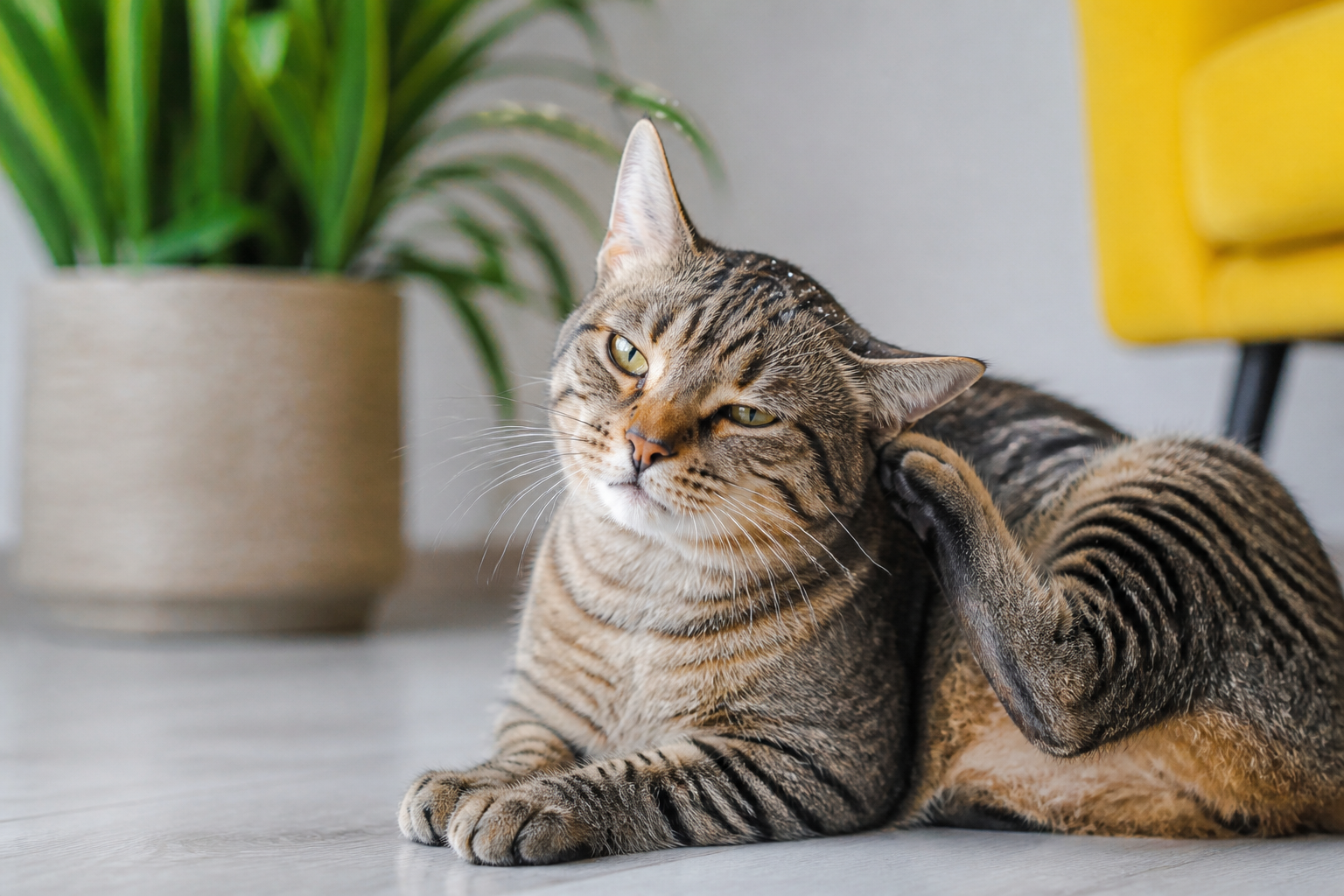
You are relaxing on the sofa with your cat when you notice small white flakes scattered across their dark fur. You might wonder if it is just a bit of dust, but as you pet them, more flakes appear along their spine. Seeing these specks can be unsettling for any pet owner who takes pride in their cat's sleek coat. At BaxterBoo, we know that a cat's skin is a primary indicator of their overall wellness. This post covers the common environmental, behavioral, and medical reasons behind feline flaking. Understanding why your cat has dandruff helps you determine if the fix is as simple as a new brush or if a vet visit is necessary. These flakes are often the first sign that your cat needs a little extra support to feel their best.
Quick Answer: Cat dandruff is usually caused by dry skin, poor grooming, or underlying health issues like allergies and parasites. While a few flakes are normal, excessive dandruff often signals a need for dietary changes, environmental adjustments, or veterinary treatment.
Understanding the Difference Between Dandruff and Dander
It is easy to use the terms dandruff and dander interchangeably, but they represent two different things. Every healthy cat produces dander. These are microscopic skin cells that shed naturally as part of the normal skin renewal process. You usually cannot see dander with the naked eye. It is the protein in dander that often triggers allergies in humans, not the fur itself.
Dandruff consists of larger, visible flakes of dead skin. These flakes clump together and become trapped in the fur. While dander is a sign of a functioning skin cycle, dandruff suggests the cycle is moving too fast or the skin is too dry. You will often notice these flakes most prominently on the lower back and near the base of the tail.
Key Takeaway: Dander is invisible and normal for all cats. Dandruff consists of visible white or gray flakes that indicate a disruption in skin health or grooming habits.
Cat Skin & Coat Care





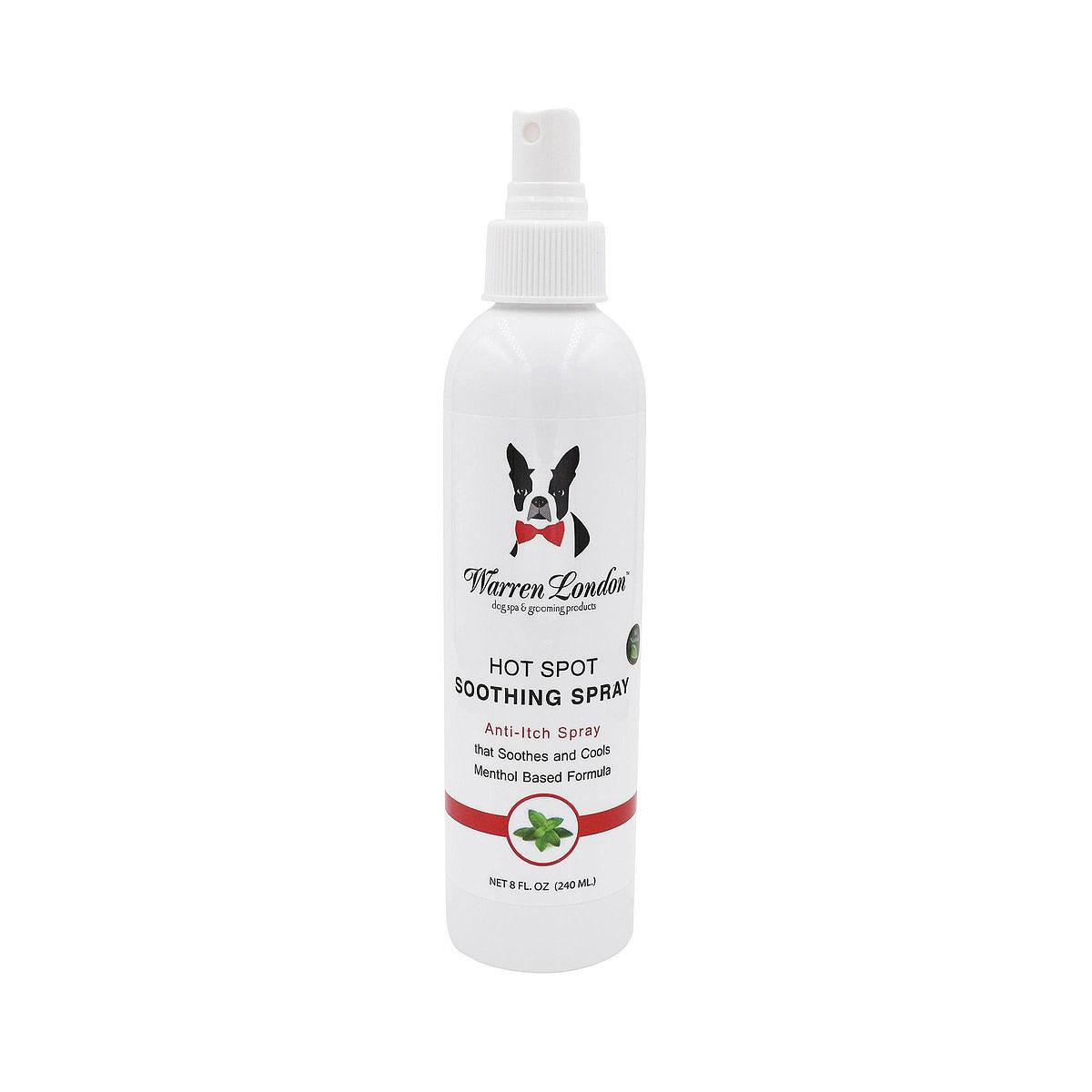

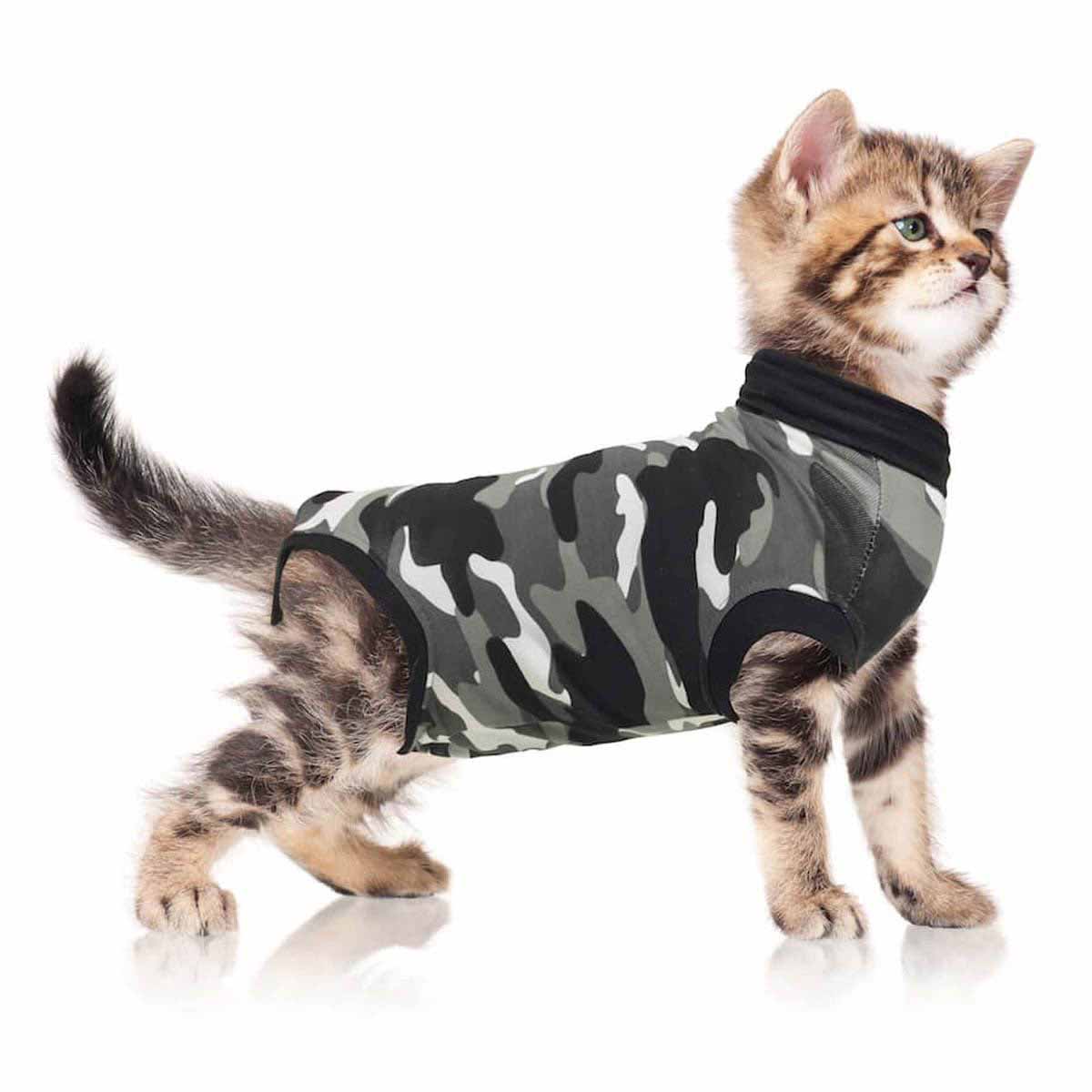


Environmental Factors and Dry Skin
The environment inside your home plays a major role in your cat's skin hydration. During the winter months, many owners notice an uptick in flaking. This is often due to central heating which strips moisture from the air. When the air is dry, the skin's surface loses its protective oils and begins to crack and flake.
Hydration also comes from within. Cats that eat exclusively dry kibble may be in a state of mild, chronic dehydration. Unlike dogs, cats have a low thirst drive and traditionally get most of their moisture from their prey. If they are not drinking enough water and the air is dry, their skin is the first place to show the toll.
Managing the Home Environment
- Use a humidifier in the rooms where your cat spends the most time.
- Place multiple water bowls or a pet fountain around the house to encourage drinking.
- Consider adding a small amount of wet food to their diet to increase moisture intake.
- Keep your cat away from direct heat sources like floor vents or radiators.
Grooming Challenges and Physical Limitations
Cats are famous for their cleanliness. They spend up to half of their waking hours grooming. This process does more than just keep them clean. Licking distributes natural oils across the skin and removes dead cells before they can clump into dandruff. If your cat stops grooming effectively, those cells build up and become visible.
Weight is a common factor here. An overweight cat often cannot reach the middle of their back or the base of their tail. If you see dandruff concentrated in these hard to reach spots, it might be time to discuss a weight management plan with your vet. We carry specialized diets like Farmina Vet Life for weight management that can help get your cat back to a healthy size.
Age and mobility also play a role. Senior cats often develop arthritis or general stiffness. This makes the twisting and contorting required for grooming painful. If a normally tidy cat suddenly looks unkempt or flaky, it could be a sign of joint discomfort rather than a primary skin problem.
Vet Tip: If your cat has dandruff only on their lower back, check their weight and mobility. Cats that are overweight or arthritic often struggle to reach these areas, leading to a buildup of dead skin and oils.
Medical Causes for Feline Dandruff
Sometimes the answer to why a cat has dandruff is a medical condition that requires professional intervention. The skin is the largest organ of the body. When something is wrong internally, the skin often reflects that stress.
Parasites and Walking Dandruff
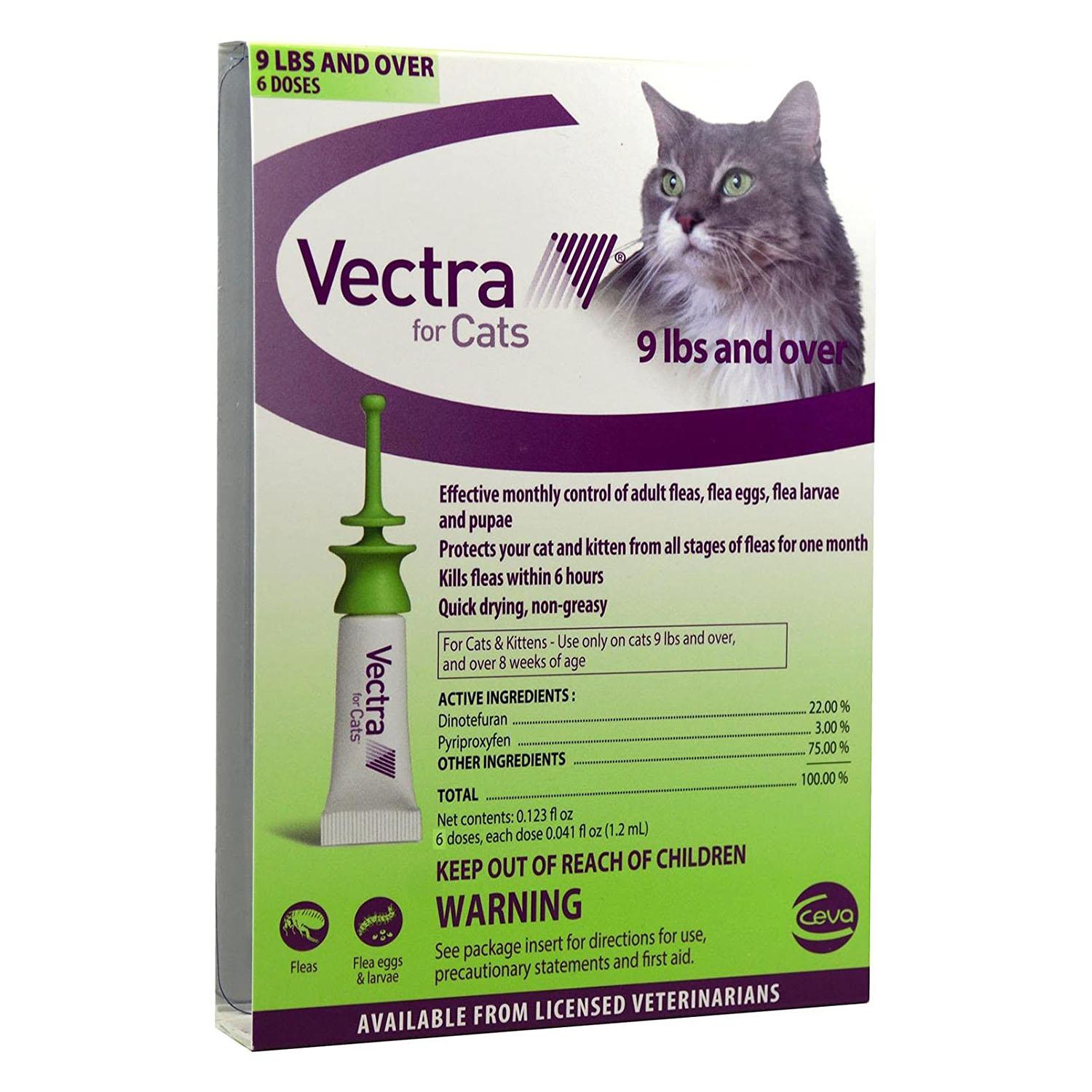
External parasites are a common culprit. Fleas and mites irritate the skin and cause inflammation. One specific parasite, the Cheyletiella mite, is actually nicknamed "walking dandruff." These mites are large enough to see with the naked eye. As they move under the scales of the skin, it looks like the dandruff itself is crawling. This condition is highly contagious to other pets and even humans.
Allergies and Infections
Cats can suffer from environmental or food allergies just like people do. An allergic reaction causes the skin to become red, itchy, and flaky. Bacterial or fungal infections, such as ringworm, also disrupt the skin barrier. Ringworm usually presents with circular patches of hair loss and heavy scaling. These issues require a diagnosis from a veterinarian to ensure the correct medication is used.
Systemic Health Issues
In older cats, dandruff can be a secondary symptom of a larger health issue. Conditions like hyperthyroidism, diabetes, or kidney disease affect the body's ability to maintain healthy skin and fur. These diseases often change a cat's metabolism or hydration levels. This leads to a dull, greasy, or flaky coat. If dandruff is accompanied by increased thirst or weight loss, schedule a vet visit immediately.
Bottom line: While some dandruff is environmental, persistent flaking often points to parasites, allergies, or internal health struggles that need a vet's attention.
The Role of Nutrition in Skin Health
What your cat eats directly impacts the quality of their coat. The skin requires high levels of protein and specific fats to remain supple. If a diet is low in essential fatty acids, the skin barrier weakens. This allows moisture to escape and irritants to enter.
Omega-3 and Omega-6 fatty acids are the building blocks of a healthy coat. Many premium brands we carry, such as Stella and Chewy's or Open Farm, include these fats in their recipes. You can also find focused supplements from brands like Zesty Paws or Honest Paws that provide a concentrated boost of fish oils.
Nutritional Checklist for Healthy Skin
- High-quality animal protein as the first ingredient.
- Added Omega-3 fatty acids from fish oil or flaxseed.
- Adequate Vitamin E and Vitamin A levels.
- Consistent moisture through wet food or toppers.
Key Takeaway: Proper nutrition is the foundation of skin health. Adding Omega fatty acids through high-quality food or supplements can significantly reduce dryness and flaking.
Practical Steps to Reduce Flaking
Once you have ruled out major medical issues with your vet, you can take steps at home to manage the flakes. The goal is to assist your cat's natural processes and restore the skin's moisture barrier.
Establish a Brushing Routine
Regular brushing is the most effective way to manage dandruff at home. It mimics the natural grooming process by removing dead skin cells and spreading oils. For short-haired cats, a soft bristle brush or a grooming mitt works well. Long-haired cats may need a stainless steel comb to get through the undercoat where flakes often hide. Our cat grooming supplies include brushes, combs, wipes, and waterless grooming options.
Use Cat-Safe Topical Solutions
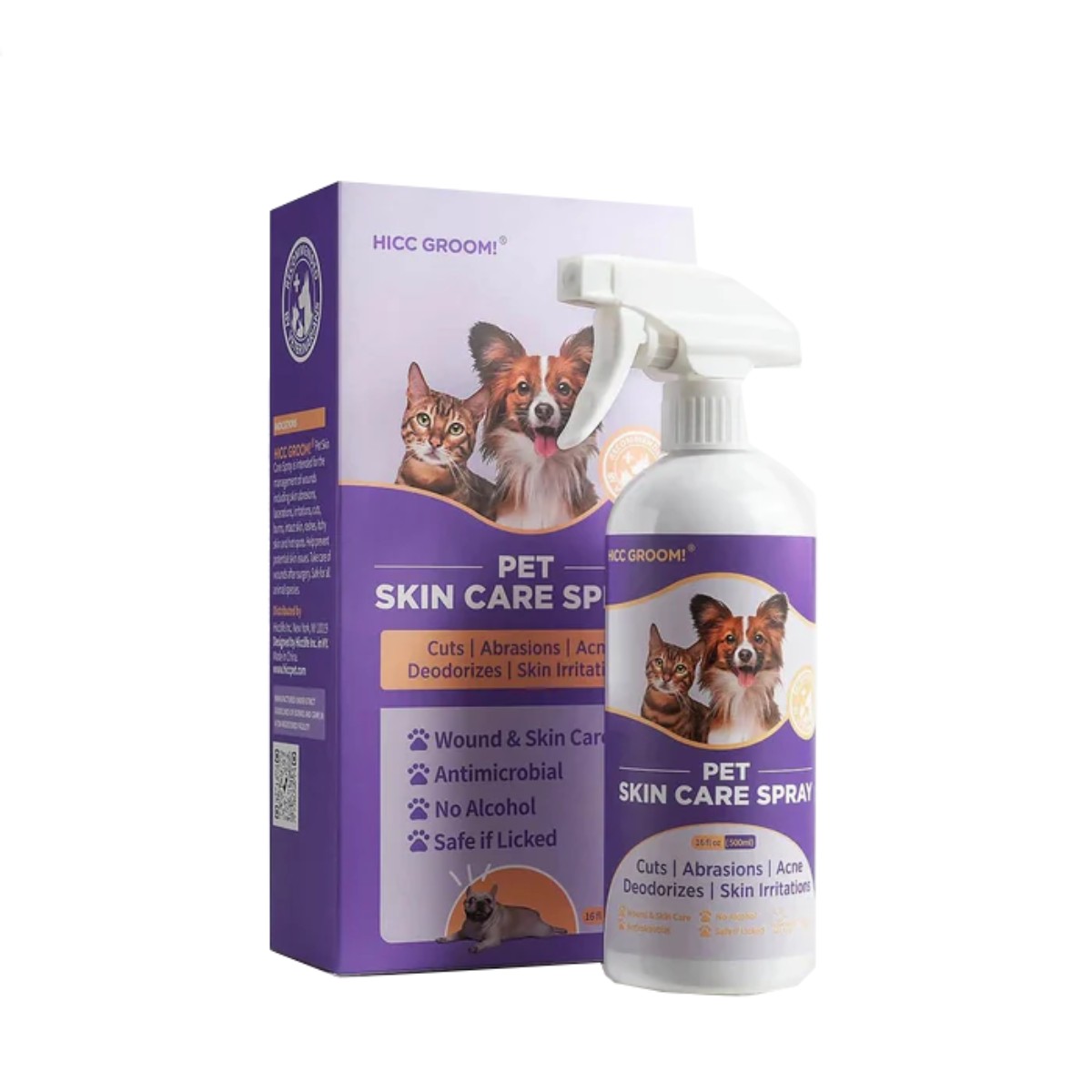
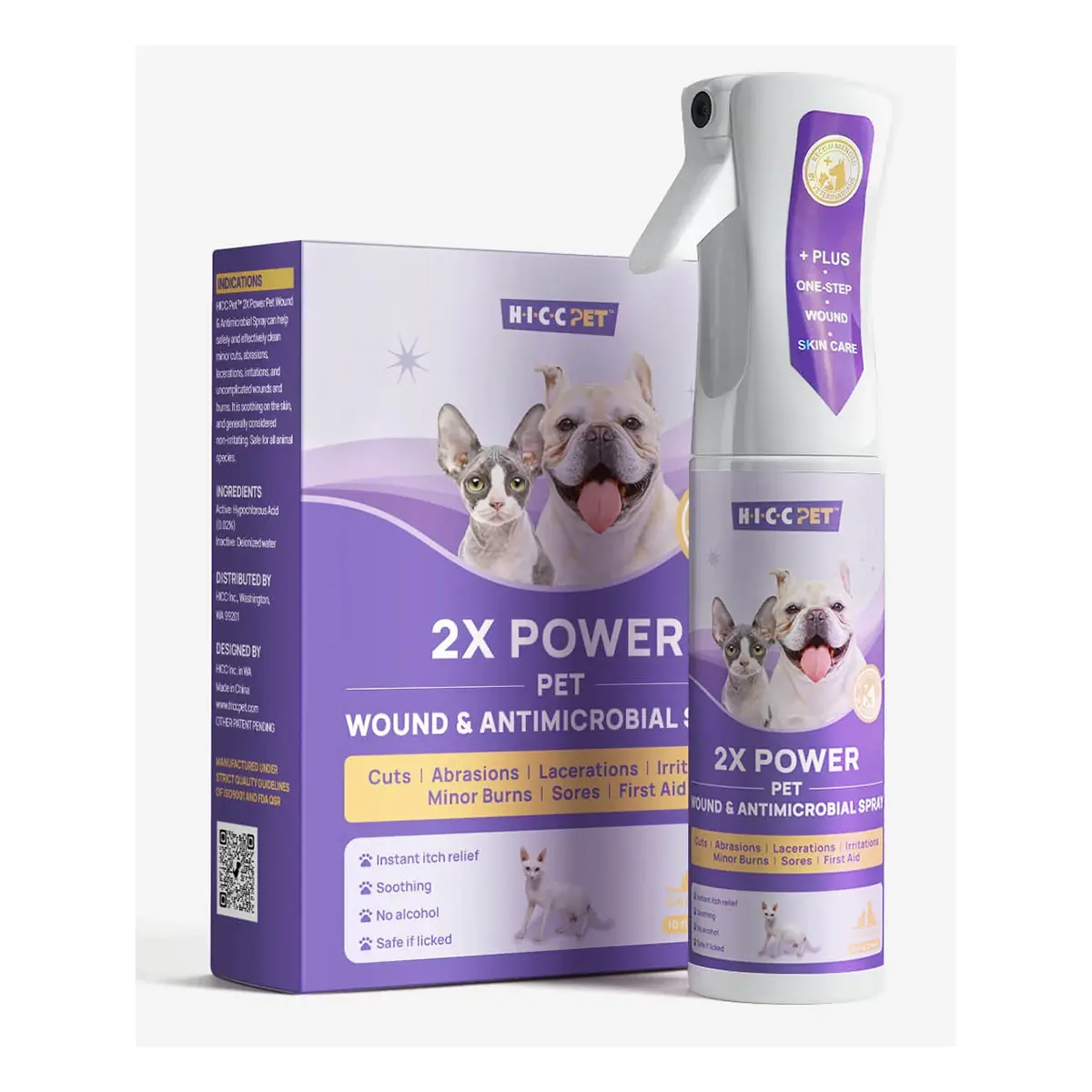
Avoid using human dandruff shampoos on your cat. Many of these contain ingredients like zinc or salicylic acid that can be toxic if licked. Instead, look for waterless foams or wipes designed specifically for felines. These products can help break down flakes and moisturize the skin without the stress of a full bath.
Transitioning to a Skin-Focused Diet
Step 1: Consult your veterinarian. Ensure there is no underlying allergy before switching foods.
Step 2: Choose a high-quality food. Look for formulas labeled for skin and coat health.
Step 3: Mix the new food. Gradually increase the ratio of new food over 7 to 10 days to avoid stomach upset.
Step 4: Monitor the coat. It usually takes 4 to 6 weeks to see the results of a diet change on the skin.
When to See a Veterinarian
While a few flakes during a dry winter might not be an emergency, certain signs indicate a deeper problem. You should always seek professional advice if the dandruff does not improve with basic home care.
You should contact your vet if you notice:
- Intense scratching or biting at the skin.
- Red, inflamed, or bleeding areas.
- Patches of total hair loss.
- A foul odor coming from the skin or ears.
- Changes in appetite, thirst, or energy levels.
Our pet pharmacy for cats offers FDA-approved medications through our partnership with Pet's Choice. If your vet prescribes a medicated shampoo, an antifungal, or an allergy medication, we can help you fulfill that prescription conveniently. Having access to a real pharmacy ensures you get exactly what your cat needs to resolve chronic skin issues.
Vet Tip: Do not attempt to treat suspected parasites or infections with over-the-counter remedies without a diagnosis. Using the wrong product can delay proper treatment and potentially irritate your cat's skin further.
Supporting Your Cat Through Life Stages
The reasons for dandruff often shift as a cat ages. Kittens might have flakes due to poor nutrition or parasites like ear mites. Adult cats are more likely to deal with allergies or environmental dryness. Senior cats frequently face grooming challenges due to physical decline.
For our older feline friends, we recommend focusing on mobility support. Supplements containing glucosamine and chondroitin can make it easier for them to reach those tricky spots on their back. Combining mobility support with a regular brushing routine can keep a senior cat's coat looking youthful even if they cannot groom as well as they used to.
For more guidance on safe weight management, read our article about helping an indoor cat lose weight.
BaxterBoo has been helping pet parents navigate these changes since 2006. We handpick every product in our warehouse to ensure it meets our standards for quality and safety. Whether you need a better brush, a specialized diet, or a prescription from our pharmacy, we are here to support your cat's health.
Bottom line: Dandruff is a manageable condition, but it requires a proactive approach that considers your cat's age, weight, and environment.
Conclusion
Seeing dandruff on your cat is a signal to slow down and check in on their health. Most cases are easily solved with better hydration, improved nutrition, or a more consistent grooming routine. However, because flakes can also hide parasites or internal illnesses, a quick chat with your vet is always a smart first step. At BaxterBoo, we are committed to providing the tools you need for a flake-free coat, from premium foods to expert pharmacy services. By staying observant and providing the right nutrients, you can help your cat maintain the soft, shiny fur they were meant to have. To stay on top of your cat's needs, consider setting up an Autoship programme for their favorite skin and coat supplements. This ensures they never miss a dose of the nutrients that keep their skin healthy and comfortable.
FAQ
Is cat dandruff the same as human dandruff?
While both involve visible flakes of dead skin, the causes are often different. Human dandruff is frequently linked to a yeast-like fungus, whereas cat dandruff is more often tied to grooming habits, weight, or environmental humidity. You should never use human dandruff shampoos on a cat, as the ingredients can be toxic if ingested during grooming.
Can I give my cat a bath to get rid of dandruff?
Most cats find baths very stressful, which can actually make skin conditions worse. Unless your vet prescribes a specific medicated soak for an infection, it is usually better to use grooming wipes or waterless foam. These options remove flakes and moisturize the skin without the trauma of a tub.
Will a change in food really help my cat's dandruff?
Yes, nutrition is one of the most effective ways to improve skin health. Diets rich in Omega-3 fatty acids and high-quality proteins help strengthen the skin's natural moisture barrier. It usually takes about a month of consistent feeding to see a visible difference in the coat as new skin cells reach the surface.
Is "walking dandruff" dangerous?
"Walking dandruff" is caused by Cheyletiella mites and is highly contagious to other pets and humans. While it is not typically life-threatening, it causes significant itching and discomfort. If you suspect your cat has mites, see a vet immediately for a prescription treatment from a pharmacy to clear the infestation.






- Site & Contents BaxterBoo.com. BaxterBoo is located in the United States.
- Privacy & Security
- Terms of Use
- Accessibility Statement
