
 Save 15% on your 1st Autoship learn more

 Email us
 Live Chat
 FAQs





Introduction
You reach out to pet your cat and expect the usual silkiness, but instead, your fingers feel a heavy, greasy residue. You might also notice a dusting of white flakes along their lower back or near the base of their tail. When a cat has oily fur and dandruff, it is often a sign that their natural self-grooming routine has hit a snag or an underlying health issue is surfacing. At BaxterBoo, we know how much pride cats take in their coats, so a change in texture usually means they need a little help. This guide covers why these coat changes happen, from simple grooming hurdles to complex medical conditions. We will help you understand when to manage things at home and when it is time to call your veterinarian.
Understanding Feline Seborrhea
The medical term for these skin changes is seborrhea. This condition happens when the sebaceous glands in the skin produce too much sebum, which is a natural oil. While sebum keeps the skin hydrated and protected, an overabundance creates a greasy mess.
There are two primary types of this condition. Seborrhea sicca causes dry, flaky skin. Seborrhea oleosa causes the oily, heavy feel you notice when you pet your cat. Many cats actually experience a combination of both. This is why you often see oily fur and white flakes at the same time. The excess oil causes skin cells to clump together and flake off more visibly than they would during normal shedding.
Quick Answer: A cat with oily fur and dandruff likely has seborrhea, which is caused by an overproduction of skin oils. This often happens because the cat cannot groom themselves properly or because of an underlying health issue like hyperthyroidism or allergies.
Cat Skin & Coat Care








Common Signs and Symptoms
While the oil and flakes are the most obvious signs, other symptoms often accompany these coat changes. You might notice a strong, musty odor coming from your cat. This happens because the excess oil can trap bacteria or lead to a secondary yeast infection.
Keep an eye out for these specific signs:
- Yellowish or white flakes that stick to the hair shafts.
- Fur that looks spiky, clumped, or separated.
- Redness or irritation on the skin beneath the fur.
- Blackheads on the chin, which is often called feline acne.
- Thinning hair or bald patches from over-grooming itchy spots.
- A waxy buildup inside the ears or between the toes.
Why Reduced Grooming Is the Most Likely Cause
Cats are famous for their grooming habits, but many things can stop them from reaching every spot. When a cat stops grooming, the natural oils on their skin are not distributed or cleaned away. This leads to a greasy buildup, especially on the back and the base of the tail where it is hardest to reach.
Obesity and Mobility
If a cat is carrying extra weight, they simply cannot bend enough to reach their lower back. This is a very common reason for a greasy "racing stripe" of fur down the spine. Similarly, senior cats often suffer from osteoarthritis. If it hurts to twist and turn, they will stop cleaning those hard-to-reach areas.
For guidance on weight management, read how to help an indoor cat lose weight.
Dental Pain
Grooming requires the use of the tongue and teeth. If a cat has a dental infection, broken tooth, or inflamed gums, the act of grooming becomes painful. You might notice their coat looking dull or oily because they are avoiding the discomfort of their daily wash.
Vet Tip: If you notice your cat has stopped grooming, schedule a physical exam. A veterinarian can check for hidden signs of pain, such as dental disease or joint stiffness, that might be preventing your pet from staying clean.
Systemic Health Conditions and Oily Fur
Sometimes the problem is not about the cat's ability to groom, but rather a change in their internal chemistry. Several systemic diseases can alter the way a cat's skin functions.
Hyperthyroidism
This is a common condition in middle-aged and senior cats. An overactive thyroid gland speeds up the metabolism and can cause the skin to produce excessive amounts of oil. Cats with hyperthyroidism often have a "matted" or "unrefined" look to their coat despite their best efforts to stay clean.
Diabetes Mellitus
Diabetes can affect the quality of a cat's skin and coat. Dehydration is a common side effect of diabetes, which leads to dry, flaky skin. At the same time, the coat can become greasy and unkempt as the cat loses interest in self-care due to feeling unwell.
Prescription Support
If your veterinarian diagnoses an underlying condition like diabetes or hyperthyroidism, they will likely prescribe specific medications or a therapeutic diet. Our cat pharmacy carries FDA-approved medications and prescription pet foods through our partnership with Pet's Choice. Having these items delivered to your door makes managing a chronic health condition much easier for both you and your cat.
The Role of Parasites and Infections
Small invaders can cause big problems for a cat's skin health. Parasites are a frequent cause of both oiliness and dandruff.
- Fleas: Flea saliva can cause an allergic reaction known as flea allergy dermatitis. This leads to intense itching, oiliness, and flaking.
- Mites: A specific mite called Cheyletiella is often referred to as walking dandruff. These mites are large enough to see with the naked eye and look like white flakes moving across the fur.
- Ringworm: This is actually a fungal infection, not a worm. It often causes circular patches of hair loss and very flaky, crusty skin.
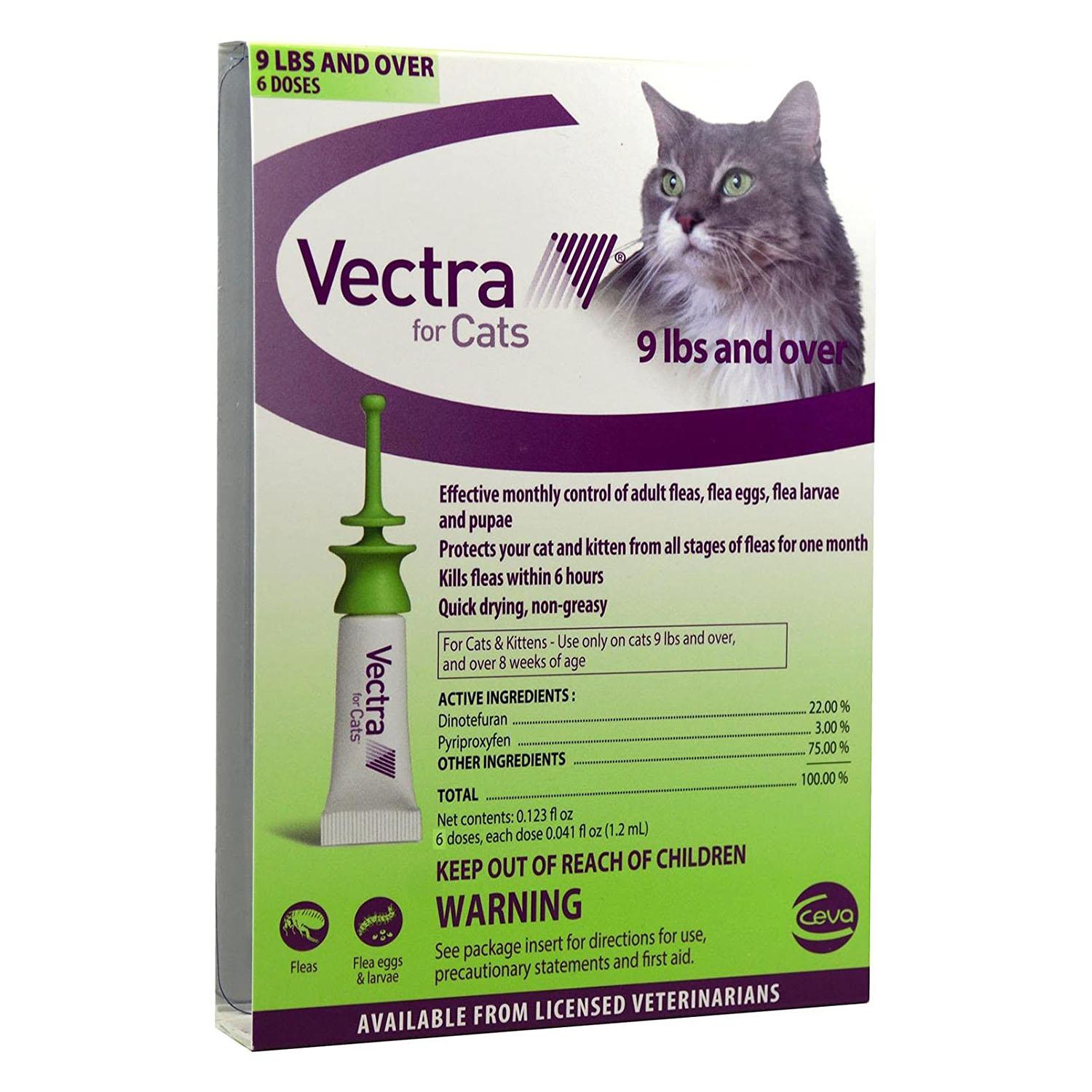
We carry trusted brands like Frontline and NexGard to help you stay ahead of parasite problems. You can browse our Frontline and NexGard selection for available flea and tick products. Keeping your cat on year-round prevention is the best way to avoid skin issues caused by bites.
Environmental and Nutritional Factors
The environment inside your home plays a role in how your cat's skin looks and feels. During the winter, heaters can strip the moisture out of the air. This leads to dry, itchy skin and increased dandruff. Using a humidifier in the rooms where your cat spends the most time can provide significant relief.
Nutrition is the foundation of a healthy coat. Cats require specific nutrients to maintain their skin's moisture barrier.
- Omega-3 Fatty Acids: These essential fats help reduce inflammation and keep the skin supple.
- Protein Quality: A cat's hair is made almost entirely of protein. If their diet is lacking, their coat will be the first thing to suffer.
- Hydration: Dehydrated cats have less elastic skin that flakes easily. Always provide multiple sources of fresh water.
You can compare options in our cat food collection when reviewing your cat's everyday diet with your veterinarian.
Key Takeaway: Oily fur and dandruff are rarely just a cosmetic issue. They are usually a symptom of a physical limitation, a nutritional gap, or an internal health struggle.
How to Help Your Cat at Home
While you work with your vet to find the root cause, there are steps you can take to make your cat more comfortable.
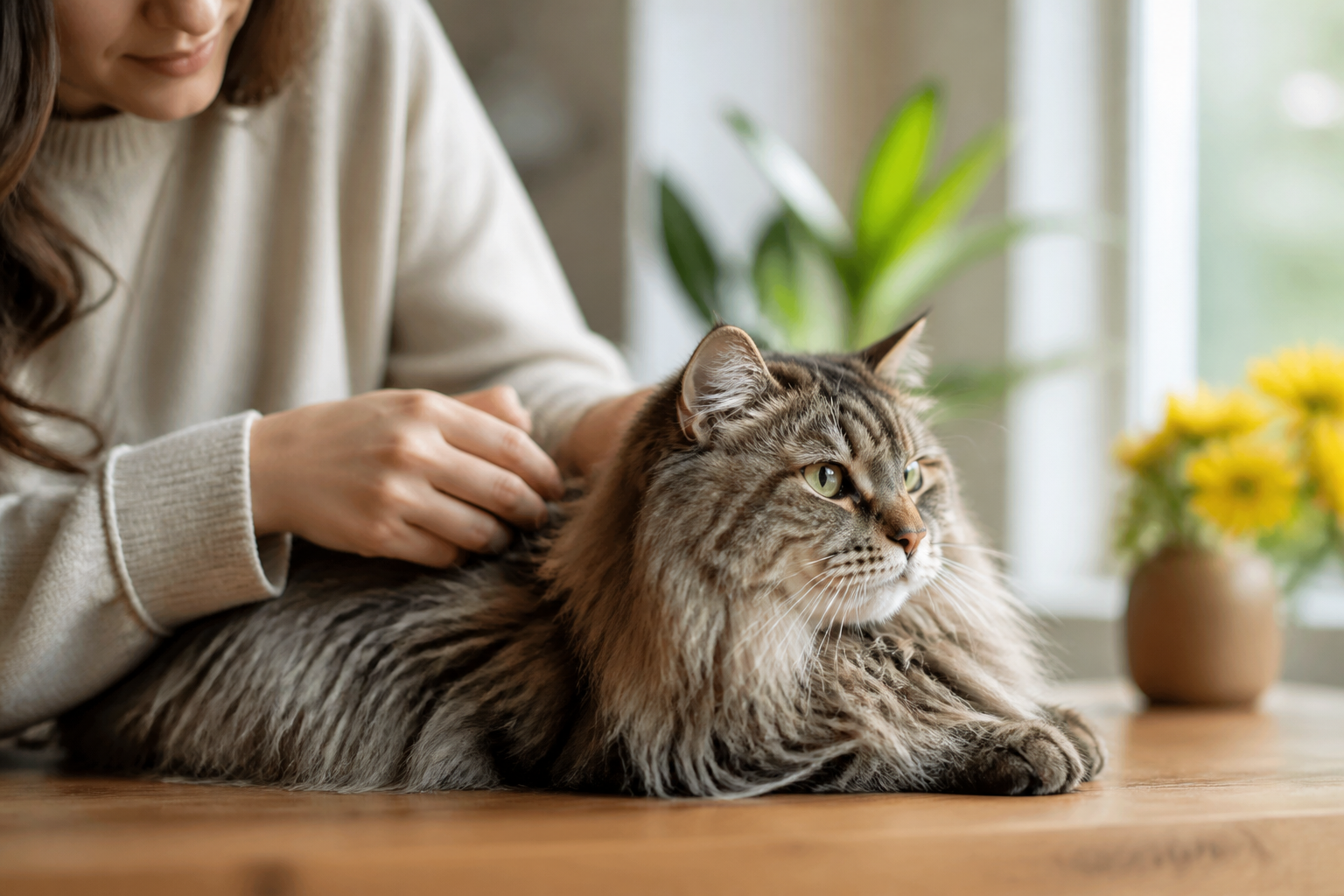
Step 1: Increase grooming sessions. / Use a soft slicker brush or a fine-toothed comb to gently remove loose flakes and distribute oils. This is especially important for senior or overweight cats who cannot reach their own backs.
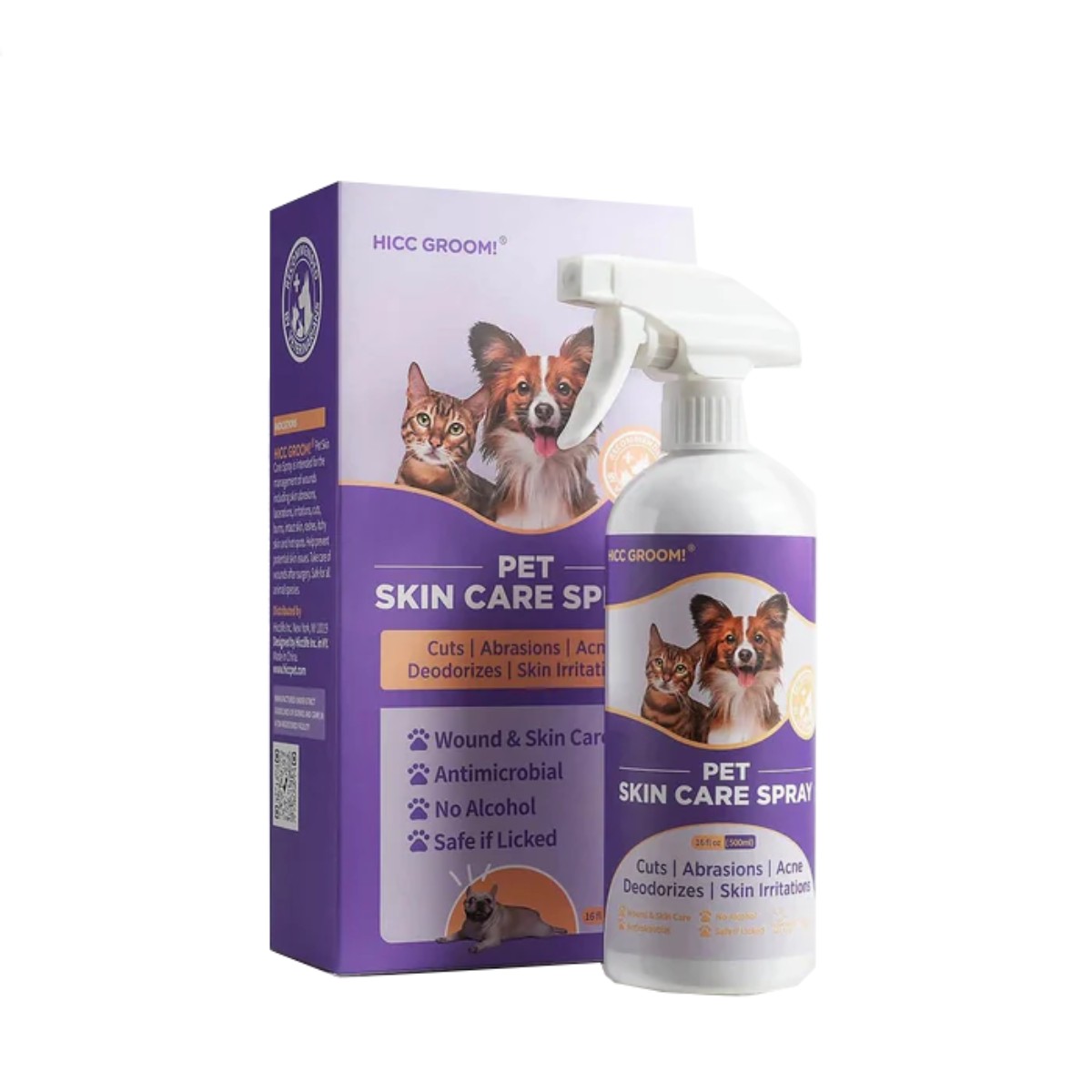
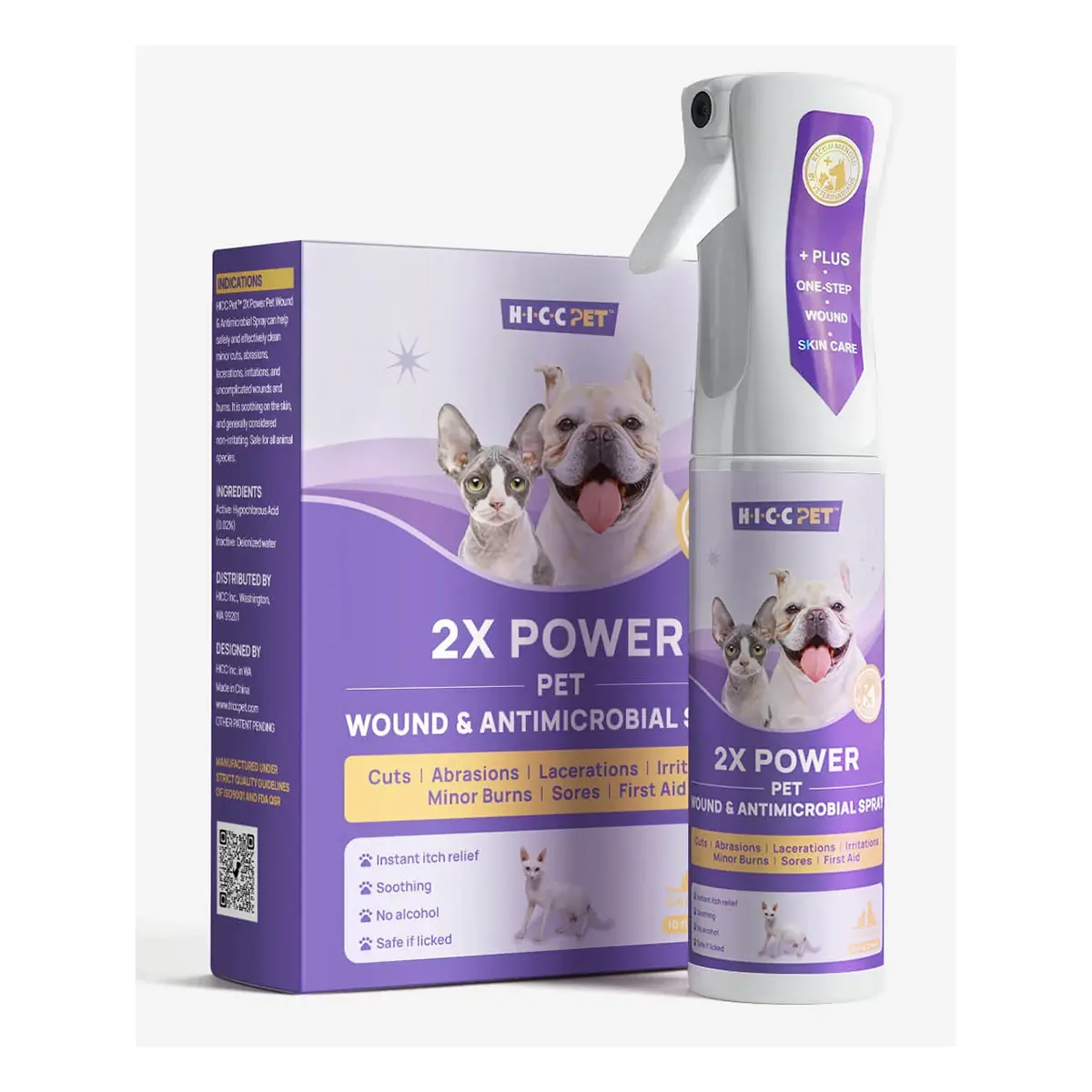
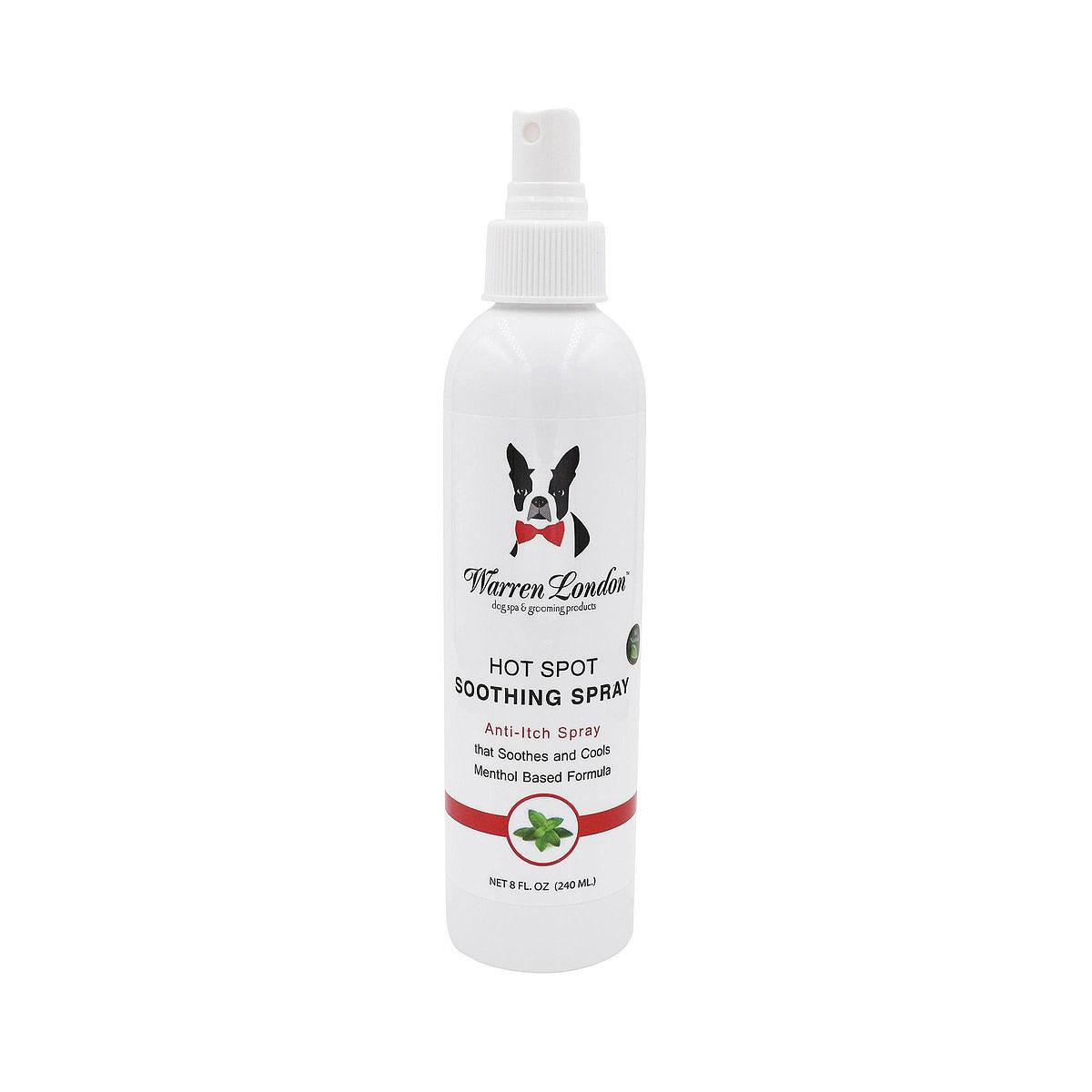
Step 2: Use waterless shampoo or wipes. / Most cats find traditional baths very stressful. Stress can actually make skin conditions worse. Use a cat-specific grooming wipe or a waterless foam shampoo to break up excess grease without the tub. Our waterless grooming options can help with quick cleanups.
Step 3: Add a skin and coat supplement. / Brands like Zesty Paws or Honest Paws offer salmon oil and other supplements rich in Omega-3s. These can be easily mixed into your cat's wet food to support skin health from the inside out.
Step 4: Evaluate the diet. / Ensure you are feeding a high-quality, complete, and balanced food. If your cat is overweight, talk to your vet about a weight management plan to help them regain their mobility.
Selecting the Right Grooming Tools
Not all brushes are created equal when it comes to oily skin. If you use a brush that is too harsh, you might irritate the skin further and cause the sebaceous glands to produce even more oil.
- Slicker Brushes: Good for removing mats and loose fur, but use a gentle touch.
- Rubber Grooming Mitts: Excellent for stimulating the skin and removing loose hair without the risk of scratches.
- Fine-Toothed Combs: The best tool for physically removing dandruff flakes from the hair shafts.
You can find brushes, combs, wipes, and other options in our cat grooming collection.
If your cat's coat is severely matted due to oil and lack of grooming, do not try to cut the mats out with scissors. A cat's skin is incredibly thin and easy to cut. Instead, consult a professional groomer or your veterinarian for a safe "sanitary clip" or "lion cut."
When to See the Veterinarian
It is easy to dismiss a little bit of dandruff as normal, but you should seek professional advice if you notice persistent changes. A veterinarian can perform skin scrapings, blood work, or cytology to see exactly what is happening.
You should make an appointment if you see:
- Sores, scabs, or bleeding on the skin.
- A sudden change in appetite or thirst.
- Your cat acting lethargic or hiding more than usual.
- Patches of total hair loss.
- An unpleasant smell that does not go away after a light grooming.
Vet Tip: Always consult your vet before starting new supplements or medicated shampoos. Some ingredients that are safe for dogs can be toxic to cats, and your vet can ensure the product is right for your cat's specific skin type.
Managing Chronic Skin Issues
If your cat is diagnosed with primary seborrhea, which is an inherited condition seen in some breeds like Persians, you may be managing their coat for the long term. This usually involves a combination of a specific diet, regular assisted grooming, and perhaps medicated topicals.
For cats with secondary seborrhea, the goal is to treat the "trigger." Once the fleas are gone, the thyroid is balanced, or the joints are less painful, the skin usually returns to normal on its own. Our Autoship programme is a great way to ensure you never run out of the supplements or specialty foods your cat needs to keep their skin in top shape.
Bottom line: Solving oily fur and dandruff requires looking beyond the surface to address your cat's overall health and environment.
Summary of Care
Taking care of a cat with oily fur and dandruff is about patience and observation. By helping them with the grooming tasks they can no longer handle and addressing their internal health, you can restore that soft, glossy coat they love.
- Brush your cat daily to help distribute oils and remove flakes.
- Monitor your cat's weight and joint health to ensure they can groom themselves.
- Use Omega-3 supplements to support the skin's moisture barrier.
- Consult your veterinarian to rule out systemic diseases like diabetes or hyperthyroidism.
- Check for parasites and maintain a regular prevention schedule.
The next time you notice your cat's coat looking a bit greasy, remember it is their way of telling you they need a little extra support. Whether it is a new grooming tool or a visit to our pharmacy for prescription support, taking action early will keep your feline friend comfortable and flake-free.
FAQ
Why does my cat have oily fur specifically on their lower back?
The lower back and base of the tail are the hardest areas for a cat to reach. If a cat is overweight, has arthritis, or is simply feeling stiff, they often stop grooming these spots first. This leads to a buildup of natural oils and dead skin cells, resulting in a greasy feel and visible dandruff in that specific area.
Can I use human dandruff shampoo on my cat?
No, you should never use human dandruff shampoos on cats. Many human products contain ingredients like salicylic acid or zinc which can be toxic if your cat licks their fur. Always use a product specifically formulated for felines, and ideally, one recommended by your veterinarian to treat their specific type of seborrhea.
Is cat dandruff the same thing as dander?
They are related but not the same. Dander consists of microscopic skin cells that all cats shed naturally, and it is usually what triggers human allergies. Dandruff refers to much larger, visible flakes of dead skin that indicate an imbalance or a health problem that needs to be addressed.
How does stress cause dandruff in cats?
When a cat is stressed, their body produces hormones like cortisol that can affect skin health. Stress can also lead to changes in grooming behavior; some cats may stop grooming entirely, while others might over-groom. Both changes can disrupt the skin's natural balance and lead to a sudden appearance of white flakes.






- Site & Contents BaxterBoo.com. BaxterBoo is located in the United States.
- Privacy & Security
- Terms of Use
- Accessibility Statement
