
 Save 15% on your 1st Autoship learn more

 Email us
 Live Chat
 FAQs






Introduction
Loose stools, frequent gas or an upset stomach can make choosing your dog's next food feel like a guessing game. A limited ingredient recipe may be worth discussing with your veterinarian, especially if you suspect a particular ingredient doesn't agree with your dog. But a shorter list doesn't guarantee easier digestion, and it won't tell you on its own what caused the problem.
At BaxterBoo, we know the best choice depends on your dog's food history, age and symptoms. We'll walk through how to compare recipes, which ingredients to consider and when a veterinary diet may be more appropriate. Start with a complete and balanced food that avoids any ingredient your dog needs to avoid, then follow your veterinarian's guidance on changing meals.
What Does Limited Ingredient Mean?
Limited ingredient dog food generally has a simpler ingredient list than many other recipes. It may emphasize one animal protein and a small selection of carbohydrate sources, while still including the vitamins and minerals needed for a balanced diet.
There isn't a set number of ingredients that makes a food "limited ingredient." According to PetMD's guide to limited ingredient diets, the term isn't regulated, so recipes can differ considerably. Read the full label rather than relying on the front of the bag.
A simpler recipe can make it easier to keep track of what your dog eats. It doesn't necessarily have fewer calories or less fat, and it isn't automatically hypoallergenic. A food can have a short list and still contain an ingredient that doesn't suit your dog.
Limited Ingredient vs. Sensitive Stomach Food
These labels describe different approaches. A limited ingredient recipe focuses on simplifying the ingredient list. A food marketed for sensitive stomachs may instead emphasize its overall formulation, such as a particular fiber blend, and it may contain several protein sources.
Neither label is a diagnosis or a guarantee that the food will resolve your dog's symptoms. If your veterinarian has recommended a specific type of food, compare that guidance with the full label before choosing.
Dog Food






How to Choose the Best Recipe for Your Dog
There isn't one best limited ingredient food for every sensitive stomach. The right choice is one your dog can tolerate, that meets their nutritional needs and that fits any plan your veterinarian has given you.
Start by writing down what your dog eats now. Include the main food, treats, chews, table scraps, supplements and flavored medications. Bring that list to your veterinarian, along with notes about symptoms and when they occur.
Use these questions to narrow your choices:
- Does the recipe avoid a known problem ingredient? Check the entire list, not only the protein named on the front.
- Is it complete and balanced? Look for a nutritional adequacy statement for your dog's life stage.
- Can you identify the protein sources? A clear list makes the food easier to compare with your dog's history.
- Does your veterinarian suspect an allergy? An ordinary store-bought recipe may not be suitable for a diagnostic food trial.
- Can you feed it consistently? Consider the format, storage needs and amount your dog will need each day.
For a puppy, look for a food with a growth or all-life-stages nutritional adequacy statement. If you have a large-breed puppy, check that the statement covers growth of large-size dogs. Adult-maintenance food alone isn't an appropriate substitute for a diet formulated for growth.
Read Past the Front Label
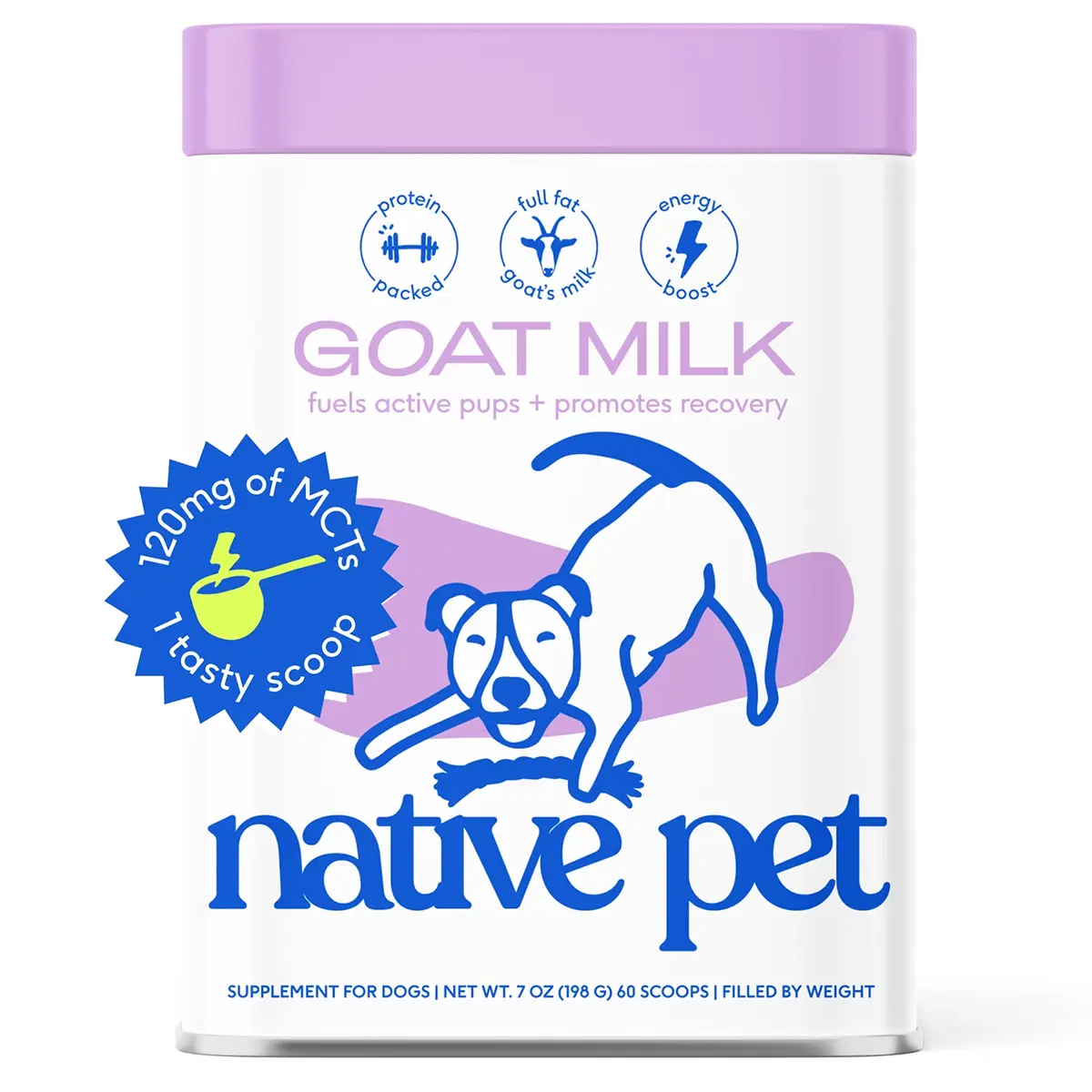
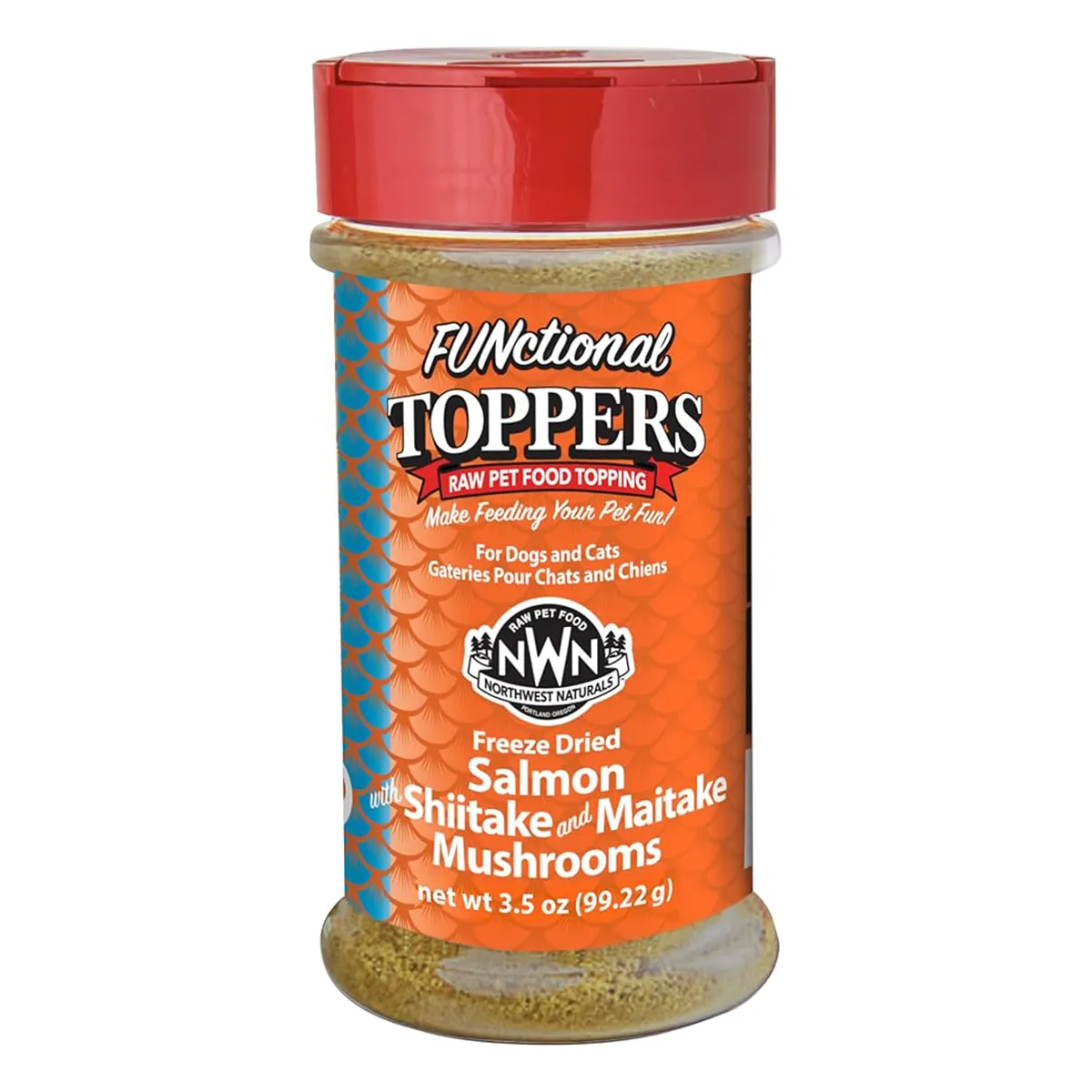
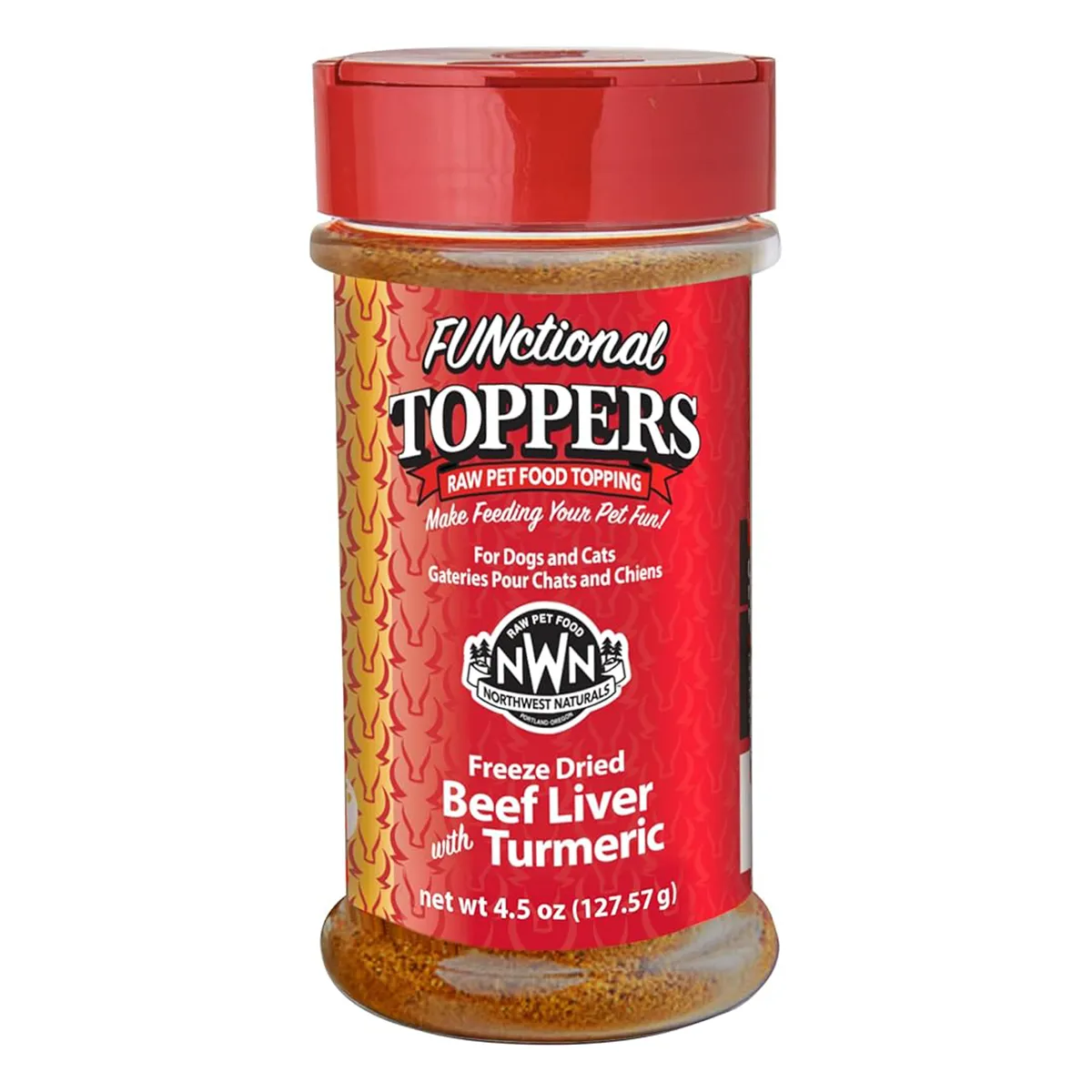
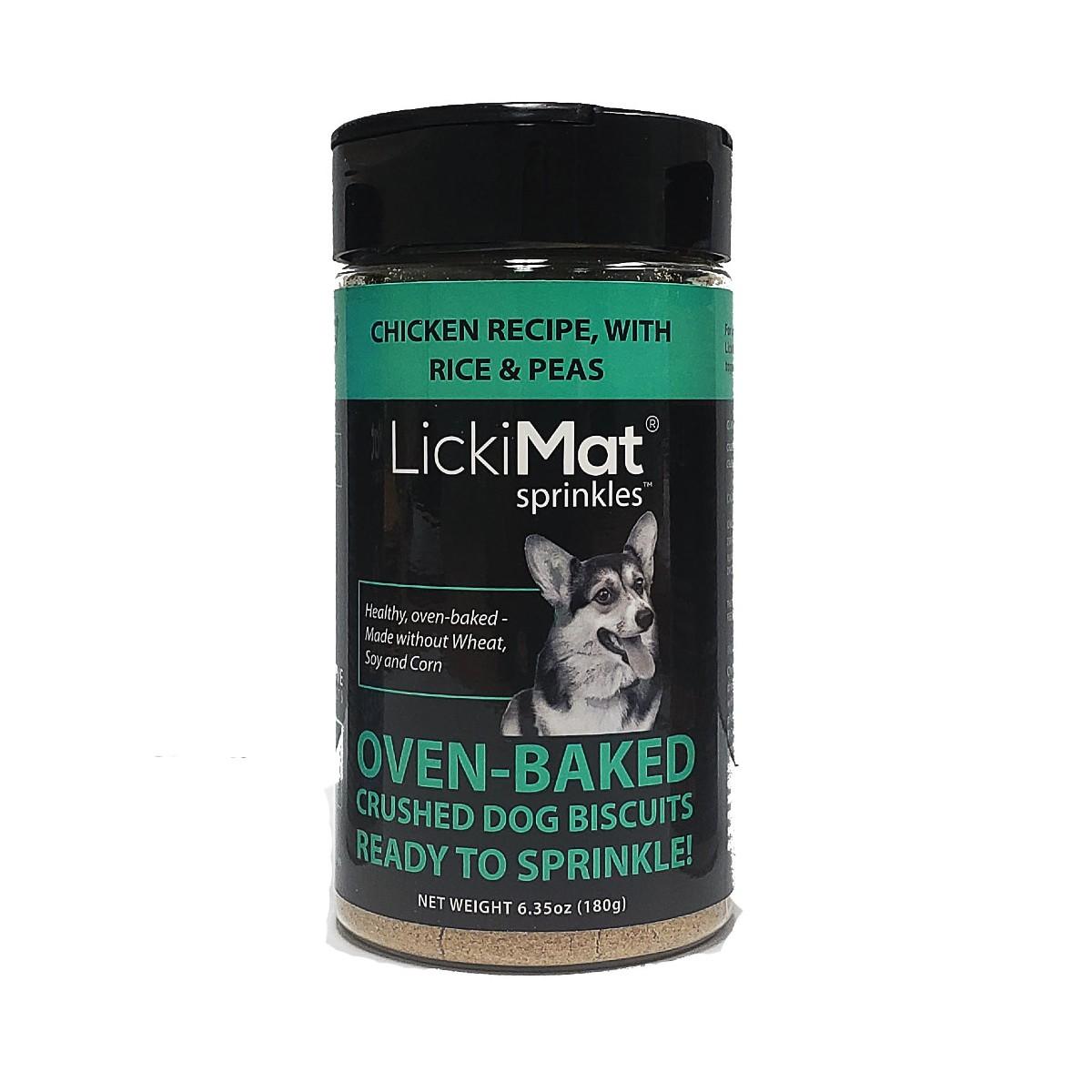
A bag that highlights salmon, for example, may also contain other animal-derived ingredients. Read through the whole list if your dog needs to avoid a particular protein. Treats and meal toppers count, too.
Don't judge a food solely by how short its list is. Vitamins and minerals may appear as separate ingredients, and removing nutrients just to make a label shorter would not make a food better. Look for the complete-and-balanced statement alongside a recipe that fits your dog's needs.
Ingredients to Consider for a Sensitive Stomach
The best ingredients are the ones that suit your individual dog as part of a complete diet. Chicken, lamb, fish and other proteins aren't universally easy or difficult for every dog to digest. A dog that does well on one recipe may not do well on another.
Protein Sources
If your dog has consistently eaten a protein without problems, your veterinarian may suggest considering a recipe that contains it. If an allergy is suspected, your vet may instead recommend a carefully selected novel protein or a hydrolyzed-protein diet.
A novel protein is one your individual dog hasn't eaten before. Duck isn't novel to a dog that has already had duck treats, for example. That's why a complete food and treat history matters more than choosing an unusual-sounding meat.
A hydrolyzed protein has been broken into smaller pieces. Veterinary hydrolyzed diets are different from ordinary limited ingredient foods, even if both have labels aimed at dogs with food sensitivities.
Carbohydrates and Fiber
Rice, oats, potatoes and sweet potatoes are examples of carbohydrate ingredients found in some limited ingredient foods. They aren't interchangeable for every dog, and none is a guaranteed fix for loose stools. Check them against your dog's history just as you would a protein.
Some recipes include fiber sources or prebiotics. Fiber can affect stool consistency, while prebiotics provide food for beneficial intestinal bacteria. The overall recipe matters more than the presence of one ingredient, and adding extra fiber on your own isn't necessarily the right choice.
Fats and Other Ingredients
Fat is part of a balanced diet, but the right amount depends on your dog's needs. If your veterinarian has recommended a lower-fat diet, don't assume a limited ingredient label means the food meets that recommendation.
A recipe may also contain oils that provide fatty acids. These can be part of a diet formulated for skin and coat health, but a particular oil won't tell you whether the whole food is suitable for your dog.
Vet Tip: Bring the ingredient lists from both your dog's current food and any recipe you're considering. Your veterinarian can help you compare them with your dog's symptoms and medical history.
Does Limited Ingredient Food Help Sensitive Skin?
It may help a dog whose skin symptoms are related to an ingredient the new food avoids. But scratching, irritated skin and ear problems can have several causes. Food is only one possibility, so it's worth having persistent symptoms checked rather than switching repeatedly.
Your dog can also have stomach and skin symptoms at the same time without a food allergy being the cause of both. Tell your veterinarian about everything you've noticed, including changes in stool, scratching, licking and ear discomfort.
PetMD notes that an appropriate elimination diet trial is used to investigate a food allergy. Skin and ear symptoms can take longer to improve than digestive signs, so follow your veterinarian's timetable rather than deciding after a few meals that a diet has or hasn't worked.
When a Veterinary Food Trial Makes Sense
If your dog has ongoing digestive trouble, persistent itching or recurring ear issues, ask your veterinarian whether a food allergy is a possibility. A diagnostic trial is more controlled than simply buying a new bag and seeing what happens.
Your veterinarian may recommend a therapeutic food with a carefully chosen novel protein or hydrolyzed protein. Ordinary limited ingredient foods can be made on shared equipment and may contain traces of other proteins. That can make them less reliable for a diagnostic trial, even when the ingredient list looks suitable.
| Food choice | What it may be useful for | Important limit |
|---|---|---|
| Store-bought limited ingredient food | Comparing simpler recipes or avoiding an ingredient on the label | It isn't automatically suitable for diagnosing an allergy |
| Sensitive stomach food | Following a veterinarian's advice to try a digestive-focused recipe | It may contain multiple protein sources |
| Veterinary novel-protein diet | A vet-directed food trial using a protein selected for your dog's history | A protein is only novel if your dog hasn't eaten it before |
| Veterinary hydrolyzed-protein diet | A vet-directed trial using a specially formulated protein | Use it according to your veterinarian's instructions |
During a trial, follow your veterinarian's rules for everything your dog eats. A flavored treat, chew, supplement or medication can complicate the results, so ask what is allowed before making substitutions. Don't stop a prescribed medication without speaking to your vet.
Your veterinarian may also recommend a later food challenge to help confirm whether an ingredient is responsible. A favorable response to a new food alone doesn't identify the exact trigger.
At BaxterBoo, the pharmacy path can be a useful next step when your veterinarian recommends a prescription diet. Pet's Choice fulfills prescriptions; BaxterBoo itself is not the licensed pharmacy.
How to Change Foods Carefully
For an ordinary food change, a gradual transition can help you see how your dog responds. A veterinary food trial may have different instructions, so follow your veterinarian's plan instead of a general schedule.
Step 1: Confirm the new food fits. Check the ingredient list and nutritional adequacy statement. Ask your veterinarian how to make the change if your dog has a medical condition or is already having symptoms.
Step 2: Start with a small amount. Mix some new food into the current food, keeping the total meal appropriate for your dog's needs. If your veterinarian recommends a different approach, use that instead.
Step 3: Increase the new food gradually. Over roughly seven to ten days, increase the new food and reduce the old food. Your veterinarian may recommend a different pace for your dog.
Step 4: Watch and record. Note appetite, stool consistency, vomiting, itching and anything else your veterinarian has asked you to monitor. Avoid introducing several new foods or treats at once, since that makes changes harder to interpret.
Step 5: Ask for help if problems continue. Contact your veterinarian if symptoms persist or worsen during the transition. Don't keep moving to the next food in the hope that one will eventually solve an ongoing problem.
Keep fresh water available throughout the change. Check feeding directions on both packages, too. Two foods can have different calorie amounts per cup or can, so an equal volume isn't always an equal meal.
When to Call Your Veterinarian
Call your veterinarian about repeated vomiting, persistent diarrhea, ongoing itching, changes in appetite or unexplained weight loss. Blood in stool, repeated vomiting or a dog that won't eat calls for prompt veterinary advice rather than a food-shopping experiment. A swollen belly needs emergency veterinary care.
Your vet can help determine whether a diet change is appropriate and whether your dog needs an exam or other care. For a young puppy, senior dog or dog with an existing health condition, ask for guidance early rather than waiting through several food changes.
Making Your Next Choice
A limited ingredient recipe can make the ingredient list easier to navigate, but the label alone won't tell you whether it's right for your dog. Work from your dog's history and your veterinarian's advice, then choose a food that meets their nutritional needs.
- Check the full list for ingredients your dog needs to avoid.
- Choose a complete and balanced food for the right life stage.
- Keep treats and other extras in mind when tracking a response.
- Follow a veterinarian's instructions if your dog needs a diagnostic food trial.
Bottom line: Compare limited ingredient options in our dog food category, or ask your veterinarian about a prescription diet when a controlled trial is needed.
FAQ
Is limited ingredient dog food the same as grain-free food?
No. A limited ingredient recipe may contain grains such as rice or oats. Grain-free is not automatically a better choice for a dog with a sensitive stomach, so ask your veterinarian whether avoiding a particular grain is necessary.
How long does it take to see a change?
The timing depends on your dog's symptoms and the reason for the diet change. Digestive signs may change sooner than skin or ear symptoms, while a diagnostic food trial needs to follow your veterinarian's prescribed schedule. Contact your vet sooner if your dog worsens.
Can a dog eat limited ingredient food long term?
Yes, if the food is complete and balanced for your dog's life stage and remains appropriate for their needs. Your veterinarian can help you reassess the diet as your dog ages or if health needs change.
What treats can a dog eat during a food trial?
Ask your veterinarian which treats, if any, are permitted. Even a small extra food can make a diagnostic trial harder to interpret, and flavored medications or supplements should be discussed too. Don't stop a prescribed medication without veterinary guidance.






- Site & Contents BaxterBoo.com. BaxterBoo is located in the United States.
- Privacy & Security
- Terms of Use
- Accessibility Statement
