
 Save 15% on your 1st Autoship learn more

 Email us
 Live Chat
 FAQs





Introduction
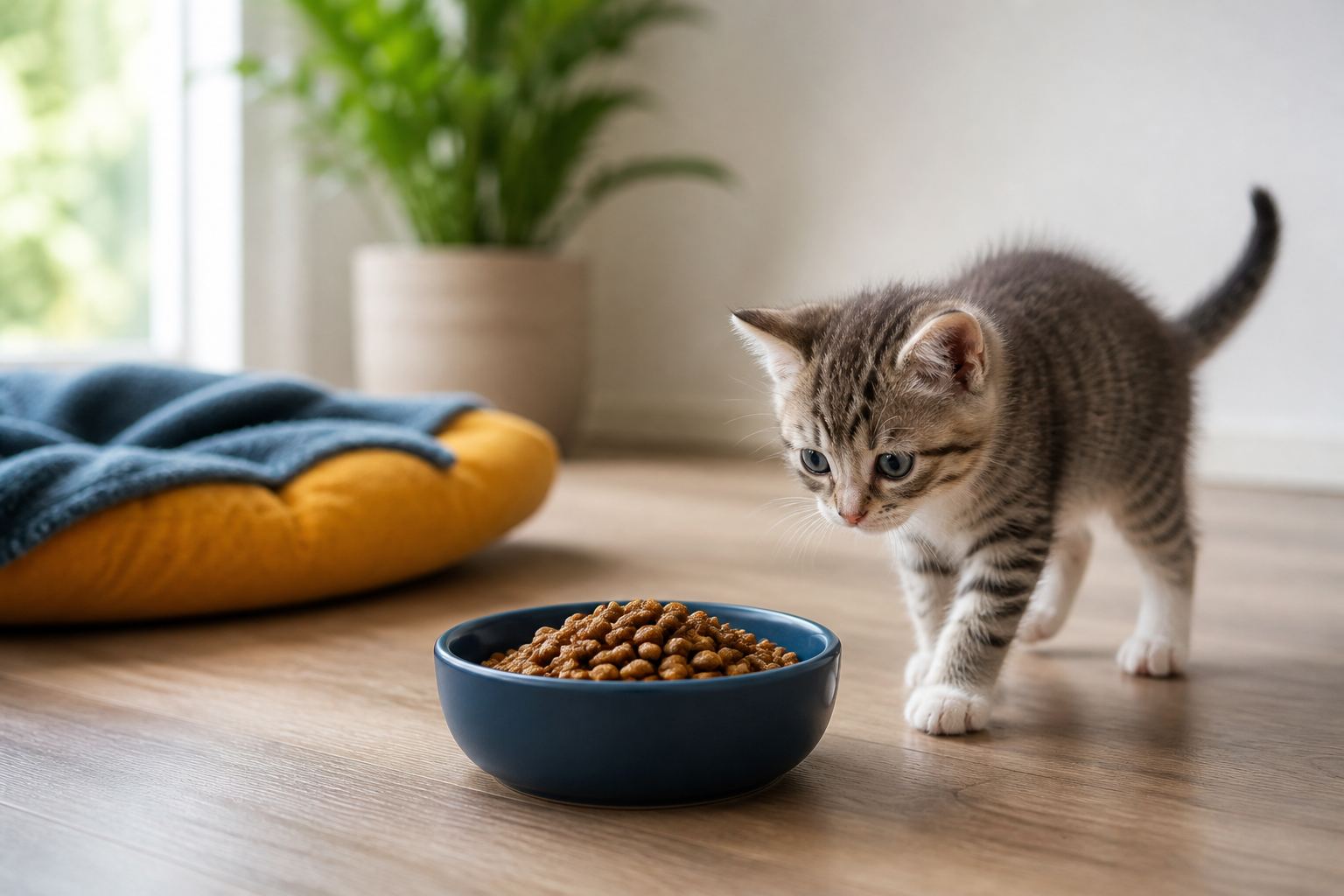
Watching a tiny kitten attempt to navigate their first bowl of kibble is a major milestone for any pet owner. Those early weeks of growth require a massive amount of energy and specific nutrients that adult cat formulas simply cannot provide. You want to ensure your new companion has the best possible foundation for a long and healthy life. At BaxterBoo, we have spent years helping pet parents select the right nutrition to support this critical developmental stage. This post covers the essential nutrients kittens need, how to read ingredient labels, and how to establish a feeding routine that works for your schedule. By the end, you will feel confident choosing a dried kitten food that supports their brain, bones, and immune system.
Why Kittens Need Specialized Dried Food
A kitten is not just a small cat. Their bodies are working overtime to develop muscles, sharpen their vision, and build a strong immune system. For the first few months, a kitten needs significantly more calories per pound of body weight than an adult cat. Dried kitten food is formulated to be more calorically dense. This means a kitten can get the energy they need without having to eat a massive volume of food that their small stomachs cannot handle. Explore our dry kitten food selection to compare growth formulas.
Standard adult cat food focuses on maintenance. If a kitten eats adult food exclusively, they may miss out on key minerals like calcium and phosphorus. These minerals are vital for bone mineralization. Without them, a kitten might develop skeletal issues or weak joints. Quality kitten kibble ensures the ratios are exactly right for a growing body.
Caloric Density and Small Stomachs
Kittens have very high metabolic rates. They play hard and grow fast. Dried food offers a concentrated source of energy. Because the water has been removed, each bite is packed with protein and fat. This is helpful for owners who are away during the day. You can leave a measured amount of kibble out for grazing, ensuring your kitten never runs out of fuel while you are at work.
The Role of Kibble Texture
The physical shape and size of dried kitten food matter just as much as the ingredients. Kitten kibble is usually much smaller than adult versions. This makes it easier for tiny mouths to pick up and chew. The crunchy texture also serves a practical purpose. As they chew, the friction helps scrape away soft plaque from their new teeth. While it does not replace dental care, it is a helpful daily benefit.
Quick Answer: Dried kitten food is necessary because it contains higher levels of protein, fat, and minerals than adult food. These nutrients support rapid bone growth, brain development, and high energy levels during the first year of life.
Dehydrated Cat Food


Essential Nutrients for Growth
When you look at a bag of dried kitten food, the first few ingredients tell the most important story. Kittens are obligate carnivores. This means they must have animal protein to survive and thrive. They cannot efficiently process plant-based proteins to get the amino acids they require.
Protein and Amino Acids
Protein is the building block of every tissue in your kitten's body. Look for named meat sources like chicken, turkey, or salmon. Avoid bags that list generic "meat meal" without specifying the animal. High-quality protein provides taurine. This is an essential amino acid that cats cannot produce on their own. Taurine is critical for heart health and vision. A deficiency in taurine can lead to serious health complications as they grow.
Fats and DHA
Fat is a primary energy source for kittens. It also helps them absorb fat-soluble vitamins like A, D, and E. One specific fat to look for on the label is DHA (docosahexaenoic acid). This is an omega-3 fatty acid often found in fish oil. DHA is essential for brain development and retinal function. Kittens that receive adequate DHA in their diet often show better cognitive function and trainability.
Vitamins and Minerals
Calcium and phosphorus must be carefully balanced in dried kitten food. Too much or too little of either can cause orthopedic problems. Most premium brands, such as Royal Canin or Orijen, spend years researching these specific ratios. Antioxidants like Vitamin E and Vitamin C also help support a kitten’s developing immune system. This is especially important during the "immunity gap" when the protection from their mother's milk begins to fade. Royal Canin Kitten Dry Cat Food is one available option formulated for growing kittens.
Key Takeaway: Prioritize kitten foods that list a specific animal protein as the first ingredient and include DHA for brain health. Balanced calcium and phosphorus levels are non-negotiable for skeletal development.
Deciphering the Ingredient Label
Reading a pet food label can feel like learning a second language. The Association of American Feed Control Officials (AAFCO) provides guidelines that help consumers understand what is inside the bag. A bag of dried kitten food should state that it is formulated for "growth" or "all life stages." If the label says "adult maintenance," it is not suitable for a kitten.
Identifying Fillers
Many lower-priced dried foods use fillers to bulk up the kibble. These might include corn, wheat, or soy. While these ingredients provide calories, they are not as easily digested by kittens as animal-based ingredients. Some kittens may have sensitivities to these grains. Choosing grain-free options from brands like Acana or Stella and Chewy's can be a great way to ensure more of the nutrients are coming from meat sources.
Natural Preservatives vs. Synthetic
Dried food needs to stay fresh on the shelf. High-quality brands use natural preservatives like tocopherols (a form of Vitamin E) or rosemary extract. Try to avoid synthetic preservatives like BHA, BHT, or ethoxyquin. Natural options are gentler on a kitten's developing digestive system and provide a cleaner source of nutrition.
Understanding By-Products
The term "by-product" often worries pet owners. However, by-products can include nutrient-rich organ meats like heart, liver, and kidneys. These are parts of the animal that cats would naturally eat in the wild. The key is to look for "named" by-products. "Chicken by-product meal" is more transparent than "poultry by-product meal." Organ meats are excellent sources of vitamins and minerals that muscle meat alone might lack.
Vet Tip: Always look for the AAFCO statement on the back of the bag. This confirms the food is nutritionally complete and balanced for the growth phase of a kitten’s life.
Managing Health Conditions with Specialized Diets
Sometimes a kitten starts life with specific health hurdles. This might include a sensitive stomach, skin allergies, or urinary issues. In these cases, standard over-the-counter kibble might not be enough. We provide access to specialized nutrition through our pharmacy program. Through our partnership with Pet's Choice, we offer FDA-approved medications and prescription diets.
If your veterinarian recommends a specific diet for a medical condition, you can find options like Farmina Vet Life in our selection. Prescription foods are formulated to manage specific physiological needs while still providing the high energy a kitten requires.
Allergies and Skin Sensitivity
If your kitten is constantly scratching or has red, inflamed skin, they may have a food sensitivity. Limited ingredient dried kitten foods can help identify the culprit. These recipes use a single protein source and a single carbohydrate source. If these do not work, a veterinarian might prescribe a hydrolyzed protein diet. This is a process where the protein is broken down into tiny pieces so the immune system does not recognize it as an allergen.
Digestive Support
Kittens often deal with soft stools as their gut microbiome develops. Some dried kitten foods are enriched with prebiotics and probiotics. These "good bacteria" help maintain a healthy balance in the digestive tract. Brands like Open Farm focus on high-quality ingredients that promote easy digestion. For chronic digestive issues, always consult your vet to rule out parasites or underlying infections. For more on food changes and tummy concerns, read our article about sensitive-stomach kitten foods.
Vet Tip: If your kitten has persistent diarrhea, vomiting, or weight loss, do not attempt to treat it with diet changes alone. Consult your veterinarian for a professional diagnosis and to see if a prescription diet is necessary.
Establishing a Feeding Routine
Kittens have high energy needs but tiny stomachs. This means they need to eat small amounts frequently. Most kittens under six months of age do well with three to four small meals a day. As they get older, you can transition to two meals a day, usually around the six-month to one-year mark. Our kitten shop also brings together supplies for your new companion.
Free Feeding vs. Scheduled Feeding
Free feeding involves leaving a bowl of dried kitten food out at all times. This is convenient for busy owners and ensures the kitten can eat whenever they feel hungry. However, it can make it difficult to monitor exactly how much your kitten is eating. If you have multiple pets, an older cat might steal the high-calorie kitten food, which could lead to weight gain for the adult.
Scheduled feeding allows you to track appetite and use mealtime as a training opportunity. It also prevents the kibble from going stale or attracting pests. Many owners choose a hybrid approach: wet food for breakfast and dinner, with a measured amount of dry kibble available for grazing during the day.
Transitioning to New Food
Never switch your kitten's food abruptly. Their digestive systems are sensitive, and a sudden change can lead to an upset stomach. Use a gradual transition over seven to ten days.
Step 1: Mix 25 percent of the new food.
Keep 75 percent of the old food in the bowl for the first two or three days.
Step 2: Increase to a 50/50 mix.
Watch for any changes in stool consistency or energy levels over the next few days.
Step 3: Move to 75 percent new food.
If your kitten is eating well and acting normal, you are almost there.
Step 4: Serve 100 percent of the new food.
Once the week is up, your kitten should be fully transitioned to their new diet.
Key Takeaway: Consistency is vital for kitten digestion. Establish a routine early and use a slow transition whenever you introduce a new brand or flavor of kibble.
Hydration and Dried Food
One common concern with an all-dry diet is hydration. Cats naturally have a low thirst drive. In the wild, they get most of their water from their prey. Dried kitten food only contains about 10 percent moisture. It is essential to ensure your kitten is drinking enough water to support their kidney and urinary health.
Encouraging Water Intake
Place multiple water bowls around your home. Some kittens are fascinated by moving water and may prefer a pet fountain. Change the water daily to keep it fresh and free of dust. If you are worried about their intake, you can add a small amount of warm water or low-sodium bone broth to their dried food. This creates a savory gravy and increases their fluid intake.
Mixing Wet and Dry Food
Many veterinarians recommend a "mixed feeding" approach. This combines the dental benefits and convenience of kibble with the high moisture content of wet food. You can serve wet food as a topper or as separate meals. Brands like Tiki Cat offer high-protein wet foods that pair perfectly with a quality dried kitten food. Browse our cat food selection for wet and dry options.
Vet Tip: Check your kitten's hydration by gently pinching the skin between their shoulder blades. If it snaps back quickly, they are hydrated. If it stays "tented" for a moment, they may need more fluids.
The Role of Treats and Supplements
While dried kitten food should be the primary source of nutrition, treats play a role in socialization and training. However, treats should never make up more than 10 percent of your kitten's daily caloric intake. Overfeeding treats can lead to nutritional imbalances, as treats are not usually "complete and balanced."
Healthy Treat Options
Look for treats that mirror the quality of their food. Freeze-dried meat treats are excellent choices because they are single-ingredient and high in protein. Avoid treats with heavy dyes or excessive sugar. You can also use pieces of their regular kibble as rewards for good behavior. This keeps their calories in check while still providing a positive reinforcement.
Do Kittens Need Supplements?
If you are feeding a high-quality, AAFCO-approved dried kitten food, supplements are rarely necessary. In fact, over-supplementing minerals like calcium can be harmful. Supplements should only be used under the guidance of a veterinarian. For example, if a kitten has a specific joint issue, a vet might recommend a supplement like Cosequin once the kitten reaches a certain age.
Bottom line: Most healthy kittens get everything they need from a high-quality dried food, so use treats sparingly and skip supplements unless a vet prescribes them.
Choosing the Right Brand at BaxterBoo
With over 500 trusted brands, we offer a wide variety of dried kitten food to fit every budget and dietary need. We carry expertly curated selections from brands like Farmina, NutriSource, and PureVita. Whether you are looking for a grain-free recipe, a high-protein formula, or a budget-friendly option that doesn't compromise on quality, we have you covered.
Value and Convenience
We know that raising a kitten can be expensive. To help you save, we offer several programs designed for pet parents. Our MVP Rewards program allows you to earn rewards on eligible purchases. For items you buy regularly, like dried kitten food, our Autoship program offers scheduled deliveries.
Trusted Expertise
BaxterBoo has been operating since 2006. We are not just an online store; we are a real warehouse superstore located in Vernon Hills, Illinois. Every product we carry is handpicked by people who genuinely care about pets. We are proud of our 4.9-star average on Google reviews and have been featured in outlets like Newsweek and BuzzFeed. When you shop with us, you are getting advice and products from experts who understand the unique needs of your growing kitten.
Conclusion
Choosing the right dried kitten food is one of the most important decisions you will make for your new pet. By focusing on high-quality proteins, essential fats like DHA, and a balanced mineral profile, you provide the tools your kitten needs to grow into a strong, healthy adult. Remember to monitor their hydration, establish a consistent feeding routine, and transition to new foods slowly to avoid digestive upset.
- Look for "growth" or "all life stages" on the AAFCO statement.
- Prioritize named animal proteins as the first ingredient.
- Ensure the kibble size is appropriate for a kitten's small mouth.
- Monitor hydration and consider mixing in wet food for extra moisture.
- Consult your vet for any persistent health or digestive concerns.
Key Takeaway: A high-quality dried kitten food serves as the nutritional foundation for your kitten's first year. Focusing on protein and DHA ensures healthy physical and cognitive development.
Ready to stock up on nutrition for your new family member? Explore our dried kitten food collection and consider Autoship for scheduled deliveries of your kitten's favorite meals.
FAQ
How long should my cat stay on dried kitten food?
Most cats should eat kitten food until they are about 12 months old. This is the point when most breeds reach their full physical skeletal maturity. Larger breeds, like Maine Coons, may need to stay on a growth formula for up to 15 or 18 months. Always consult your veterinarian before making the switch to adult maintenance food to ensure your cat is ready.
Can I feed my kitten dried food and wet food together?
Yes, mixing wet and dry food is a great way to provide variety and ensure your kitten stays hydrated. You can use wet food as a topper on the kibble or serve them at different times of the day. This "mixed feeding" approach gives your kitten the dental benefits of crunchy kibble and the moisture benefits of wet food. Just be sure to adjust the portions so you are not overfeeding total daily calories.
What should I do if my kitten refuses to eat dried food?
If a kitten is reluctant to eat kibble, try softening it with a tablespoon of warm water or low-sodium chicken broth. The warmth enhances the aroma and makes the texture easier to chew for very young kittens. Ensure the bowl is shallow so their whiskers do not touch the sides, which can cause "whisker fatigue." If your kitten refuses to eat for more than 12 hours, contact your veterinarian immediately, as kittens can become weak very quickly without food.
Is grain-free dried kitten food better for my pet?
Grain-free food is a good option for kittens with specific sensitivities to corn, wheat, or soy. These formulas often replace grains with other carbohydrate sources like peas or sweet potatoes and may have a higher meat content. However, grains are not inherently bad for all kittens unless they have a diagnosed allergy. The most important factor is the overall balance of protein, fat, and essential nutrients like taurine and DHA.




- Site & Contents BaxterBoo.com. BaxterBoo is located in the United States.
- Privacy & Security
- Terms of Use
- Accessibility Statement
