
 Save 15% on your 1st Autoship learn more

 Email us
 Live Chat
 FAQs





Introduction
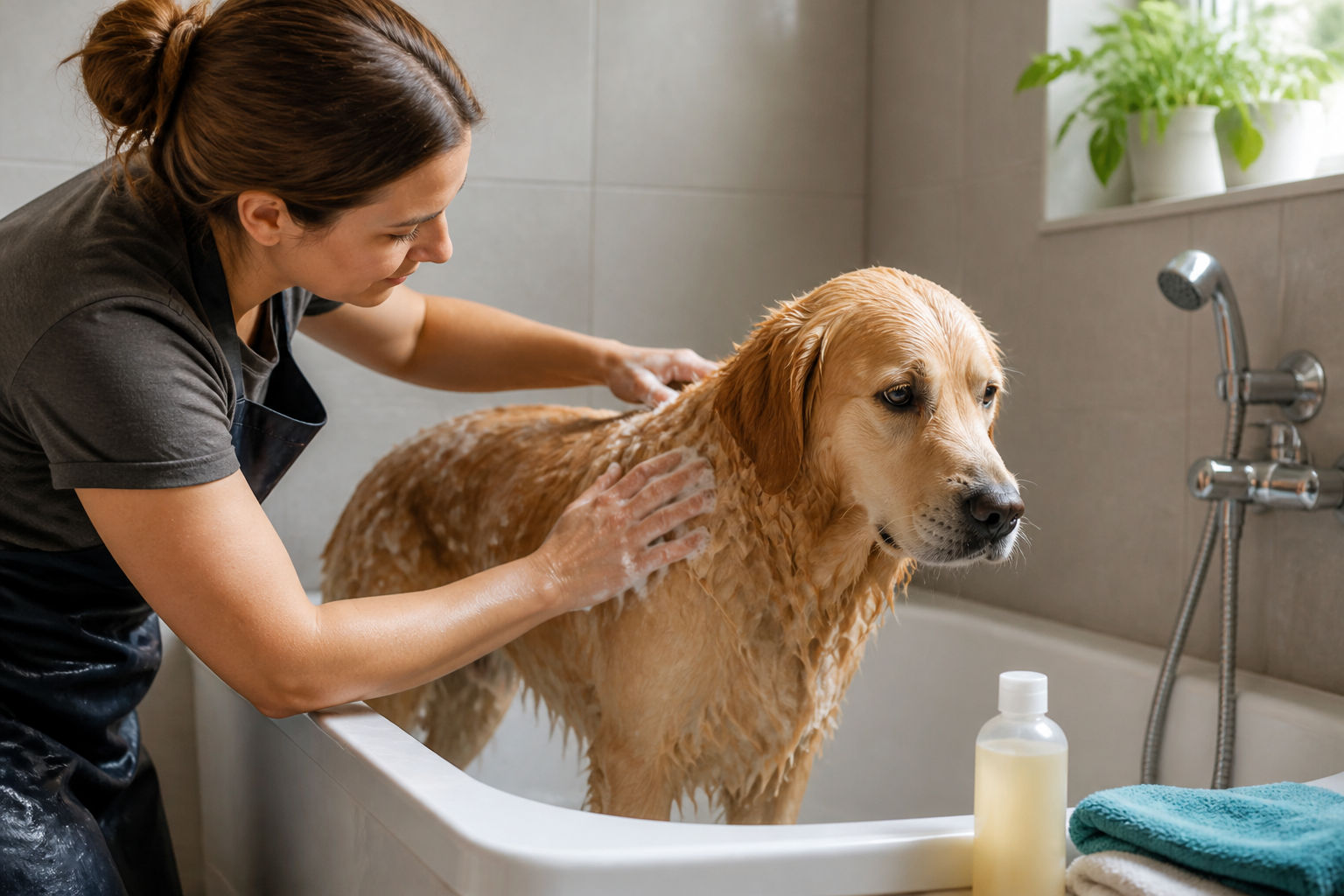
You are relaxing on the couch when you notice your dog scratching more than usual. You part their fur and see a tiny dark insect darting through the coat. It is the moment every pet owner dreads. At BaxterBoo, we know that finding fleas feels like an immediate emergency. Your first instinct is likely to head straight for the bathtub. While a bath is a great first step, doing it incorrectly can actually make the problem worse. This guide covers how to bathe your dog to remove adult fleas and soothe their irritated skin. We will also discuss why the bath is just the beginning of your flea control strategy. Following a specific process ensures you provide your dog with the comfort they need while protecting your home from a larger infestation.
The Goal of a Flea Bath
A bath provides immediate relief for an itchy pet. It washes away adult fleas and the irritating debris they leave behind. You will likely see the water turn a rusty brown color. This is called flea dirt, which is actually dried blood from the fleas. Removing this waste helps reduce skin inflammation and prevents secondary infections.
However, a bath is not a complete cure. It primarily targets the adult fleas currently living on your dog. It does not provide a long term barrier against new fleas jumping onto your pet tomorrow. It also does not kill eggs or larvae hiding in your carpets. Think of the bath as a way to reset your dog's comfort level while you prepare for deeper treatment.
Key Takeaway: A flea bath is a tool for immediate comfort and adult flea removal. It must be paired with environmental cleaning and long term prevention to fully resolve an infestation.
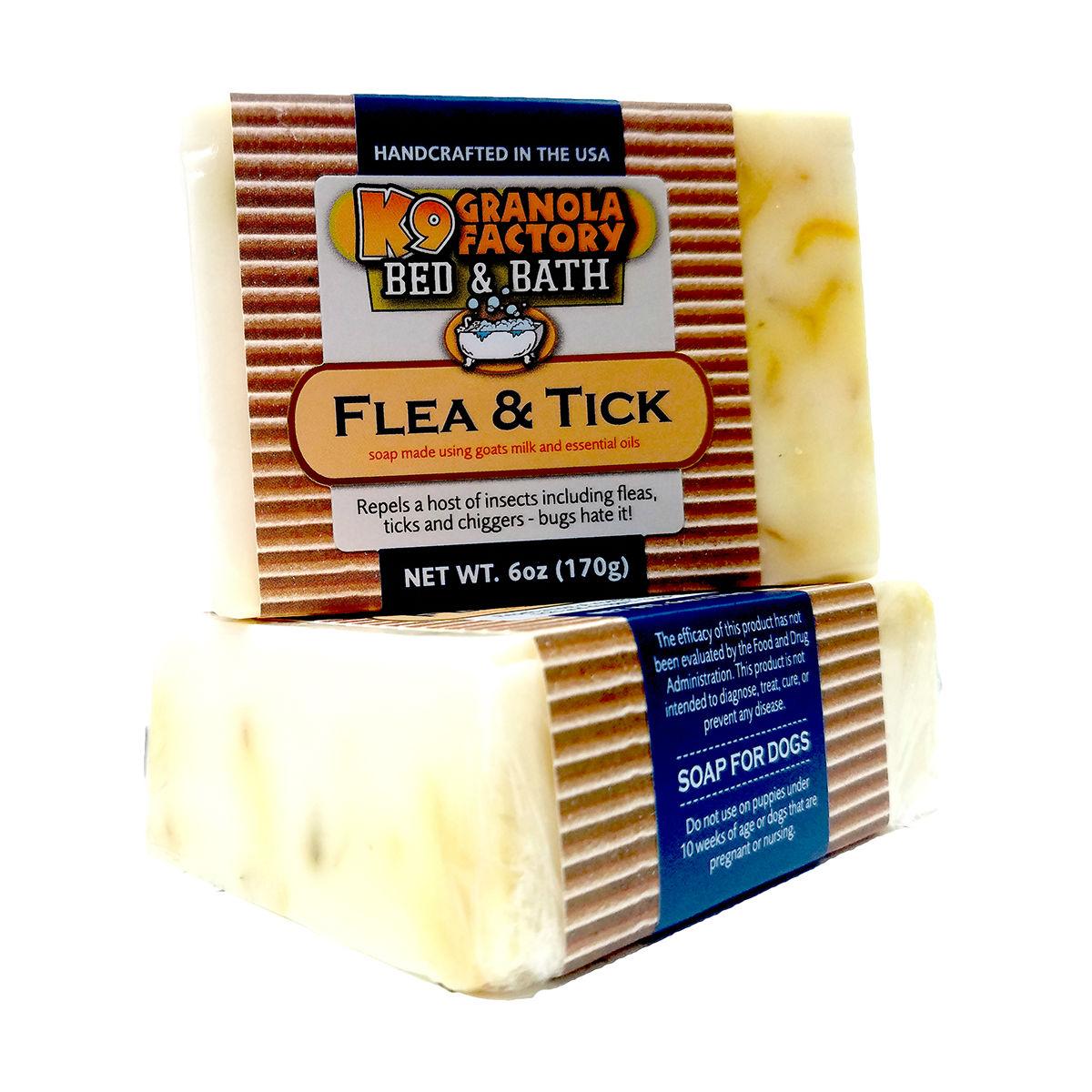
Dog Flea & Tick Shampoos & Conditioners


Preparing Your Supplies
Flea baths can be messy and stressful for your dog. Having everything ready before you start will keep the process moving quickly. You will need a few specific items to be successful.
- A fine-toothed flea comb.
- A bowl of soapy water for drowning fleas.
- Lukewarm water.
- Mild pet shampoo or a dedicated flea shampoo.
- Plenty of thick towels.
- A small cup for pouring water.
- A long-lasting treat or toy to keep your dog distracted.
Check the label of any medicated shampoo before you begin. Some products are not safe for puppies under a certain age. Most flea shampoos require the lather to sit on the skin for five to ten minutes. If you rinse too early, the treatment will not be effective. Browse our flea and tick collection for shampoos and other supplies.
The Critical First Step: The Neck Barrier
One of the biggest mistakes owners make is wetting the dog's back first. Fleas are incredibly fast and sensitive to water. As soon as they feel moisture, they will run to the highest and driest point on your dog. This usually means the ears, eyes, and top of the head. This makes the fleas much harder to remove and very uncomfortable for your dog.
Step 1: Create a soapy ring.
Before getting the rest of the dog wet, apply a thick ring of shampoo around their neck. Lather it down to the skin. This creates a physical barrier that fleas cannot cross.
Step 2: Lather the ears and tail base.
Wipe a small amount of suds behind the ears and at the very base of the tail. Fleas love to hide in these warm, protected spots.
Step 3: Begin wetting the body.
Once the neck barrier is secure, you can wet the rest of your dog starting from the shoulders and moving backward.
Vet Tip: If you see fleas crawling toward the face during the bath, use a damp cloth to gently wipe them away. Avoid getting soap directly in your dog's eyes or nose.
Choosing the Right Shampoo
There are many schools of thought on which soap is best for a flea bath. Many people use a standard grease-cutting dish soap like Dawn. This is often used by shelters because it is inexpensive and effective at breaking down the flea's exoskeleton. While it kills fleas on contact, it can be very drying to a dog's skin.
We carry several specialized flea and tick shampoos at BaxterBoo that are formulated to be gentler. These products often include soothing ingredients like oatmeal or aloe vera. They help repair the skin barrier while they work. If your dog has a known skin allergy, a medicated prescription shampoo may be necessary. Our pharmacy offers these types of clinical solutions through our partnership with Pet's Choice.
Quick Answer: Does a regular bath kill fleas? Yes, water and soap can drown and wash away many adult fleas. However, a regular bath will not prevent new fleas from jumping back on immediately after the dog dries.
How to Perform the Bath
Once your supplies are ready and the neck barrier is in place, follow these steps for a thorough clean.
Step 1: Thoroughly soak the coat.
Use lukewarm water to saturate the fur all the way to the skin. Thick or double coats take a long time to get truly wet.
Step 2: Apply and massage the shampoo.
Apply a generous amount of shampoo. Massage it deep into the fur using your fingertips. Pay close attention to the armpits, the groin, and between the toes. These are favorite hiding spots for parasites.
Step 3: Let the lather sit.
This is the hardest part. Most flea shampoos need ten minutes to work. Use a distraction like a Kong toy filled with peanut butter to keep your dog still.
Step 4: Rinse until clear.
Rinse your dog until you no longer see bubbles or brown debris in the water. Any leftover soap can cause severe itching once the coat dries.
Step 5: Towel dry carefully.
Squeeze excess water out of the coat with towels. Avoid rubbing too vigorously if your dog’s skin is already red and irritated.
Bottom line: Patience during the lathering stage is what determines if the fleas actually die or just get wet.
The Importance of the Flea Comb
Bathing alone will not catch every single flea. A flea comb is a mandatory tool for after the bath. The teeth on these combs are spaced so closely that fleas and eggs get trapped while hair passes through.
Run the comb through the damp fur starting at the head and moving toward the tail. After every stroke, check the teeth. If you see a flea, dip the comb into your bowl of soapy water. This drowns the flea instantly so it cannot jump back onto your dog. Focus heavily on the base of the tail and the neck area.
Even if you do not see live bugs, look for flea dirt. These look like small black pepper flakes. If you place these specks on a wet white paper towel and they turn red, you know they are flea droppings. This confirms your dog still has an active infestation that needs further treatment. You can find a flea comb and other flea-control tools in our collection.
Safety Precautions for Puppies and Seniors
Young puppies and senior dogs require extra care during a flea bath. Puppies under twelve weeks old often cannot handle the harsh chemicals in many over the counter flea shampoos. Their skin is very thin and can absorb toxins easily. For very young puppies, a gentle bath with mild baby soap and extensive flea combing is usually the safest route.
Senior dogs may have mobility issues that make standing in a slippery tub difficult. Use a rubber mat to provide traction. If your dog has arthritis, the stress of a bath can cause a flare up of joint pain. Keep the water warm to help relax their muscles and keep the session as short as possible.
Vet Tip: If your dog appears lethargic, has pale gums, or is losing weight alongside a flea problem, skip the bath and head to the vet. Severe infestations can cause anemia, which requires professional medical intervention.
Why the Bath is Only Part of the Solution
If you bathe your dog and then put them right back onto their unwashed bed, the fleas will return within minutes. Only a small percentage of the flea population lives on your pet at any given time. The rest are in your home as eggs, larvae, or pupae.
- Wash all pet bedding in hot water.
- Vacuum every carpet, rug, and piece of upholstered furniture.
- Dispose of the vacuum bag or empty the canister in an outdoor bin.
- Clean the areas where your dog spends the most time, like the car or their crate.
Fleas are incredibly resilient. Their eggs can fall off your dog and roll into the deep fibers of your carpet or the cracks in hardwood floors. Consistent cleaning for several weeks is necessary to break the life cycle. For an additional overview of prevention options, read our article on flea and tick prevention products.
Long Term Prevention and the Pharmacy
The most effective way to stop the cycle is through consistent, year-round prevention. While a bath kills what is there now, a preventive product kills fleas before they can lay eggs. There are several options available depending on your dog's lifestyle and health history. See our flea and tick prevention options as you discuss an appropriate plan with your veterinarian.
Topical treatments like Frontline are applied to the skin and spread through the oil glands. These are generally water-resistant, but you should wait 48 hours after a bath before applying them. Oral medications like NexGard are highly effective and start working within hours. These are often easier for owners who do not want to deal with greasy fur.
Many of the most powerful and effective flea preventives require a prescription. We provide access to these FDA-approved medications through our pharmacy partnership with Pet's Choice. This allows you to get the professional strength protection your dog needs delivered right to your door. Consulting your veterinarian about a prescription preventive is the best way to ensure your dog stays flea-free permanently. Learn how prescriptions are fulfilled through Pet's Choice.
Key Takeaway: Prescription preventives offer a higher level of protection than standard shampoos and are the gold standard for ending a flea infestation.
Managing Skin Irritation After Fleas
Flea bites cause an allergic reaction in many dogs. This is called Flea Allergy Dermatitis. Even after the fleas are gone, the itching can persist for days or weeks. Your dog may develop "hot spots" or raw patches of skin from constant biting.
You can use soothing sprays or hydrocortisone creams to help calm the skin. Look for products containing lidocaine or pramoxine for temporary numbing. If the skin looks crusty, smells foul, or is oozing, your dog likely has a secondary bacterial infection. This will require a visit to the vet for antibiotics. Keeping your dog in a soft Elizabethan collar or a recovery suit can prevent them from damaging their skin further while it heals. Ask your veterinarian about persistent or worsening irritation and explore our dog skin-care category.
Conclusion
Bathing a dog with fleas is a vital part of providing them with relief, but it must be done with the right technique. By starting with a neck barrier and allowing the shampoo time to work, you can significantly reduce the number of parasites on your pet. Remember that the bath is a temporary fix. True success comes from cleaning your home environment and starting a regular prevention program. At BaxterBoo, we are here to support you with the tools and medications needed to keep your home pest-free. Protecting your dog from fleas is an ongoing commitment to their health and comfort.
- Always create a shampoo barrier around the neck first.
- Let medicated shampoos sit for the full time listed on the label.
- Use a flea comb to remove eggs and dead fleas after the bath.
- Consult a vet for prescription-strength preventives for long term control.
Bottom line: A bath provides the relief your dog needs today, but a prescription preventive provides the protection they need for the future.
We carry a wide range of flea treatments and preventive medications. Visit our pet pharmacy to see how we can help you fulfill your veterinarian's prescriptions through our partnership with Pet's Choice.
FAQ
How often can I bathe my dog with flea shampoo?
Most medicated flea shampoos should not be used more than once every week or two. Overusing these chemicals can strip the natural oils from your dog's skin and cause severe dryness or irritation. Always read the specific product label or consult your veterinarian for a safe schedule based on your dog's skin health.
Can I use dish soap instead of flea shampoo?
Dish soap is effective at killing adult fleas on contact by breaking down their waxy outer shells. However, it does not contain any residual flea-fighting ingredients and can be very harsh on a dog's skin. If you use dish soap, follow up with a moisturizing conditioner or an oatmeal spray to prevent the skin from becoming flaky and itchy.
Will a bath kill flea eggs?
Standard baths are not very effective at killing flea eggs, as they are designed to be quite hardy. While the water may wash some eggs off the coat and down the drain, many will remain trapped in the fur or fall off into your carpet before the bath begins. This is why using a flea comb and cleaning the home environment is so important.
Why does my dog still have fleas after a bath?
If you see fleas right after a bath, they likely jumped back on from the environment. Fleas live in carpets, furniture, and bedding, waiting for a host to pass by. It is also possible that the shampoo did not sit long enough to kill all the adults, or that you missed a few hiding spots like the ears or between the toes.


- Site & Contents BaxterBoo.com. BaxterBoo is located in the United States.
- Privacy & Security
- Terms of Use
- Accessibility Statement
