
 Save 15% on your 1st Autoship learn more

 Email us
 Live Chat
 FAQs





Introduction
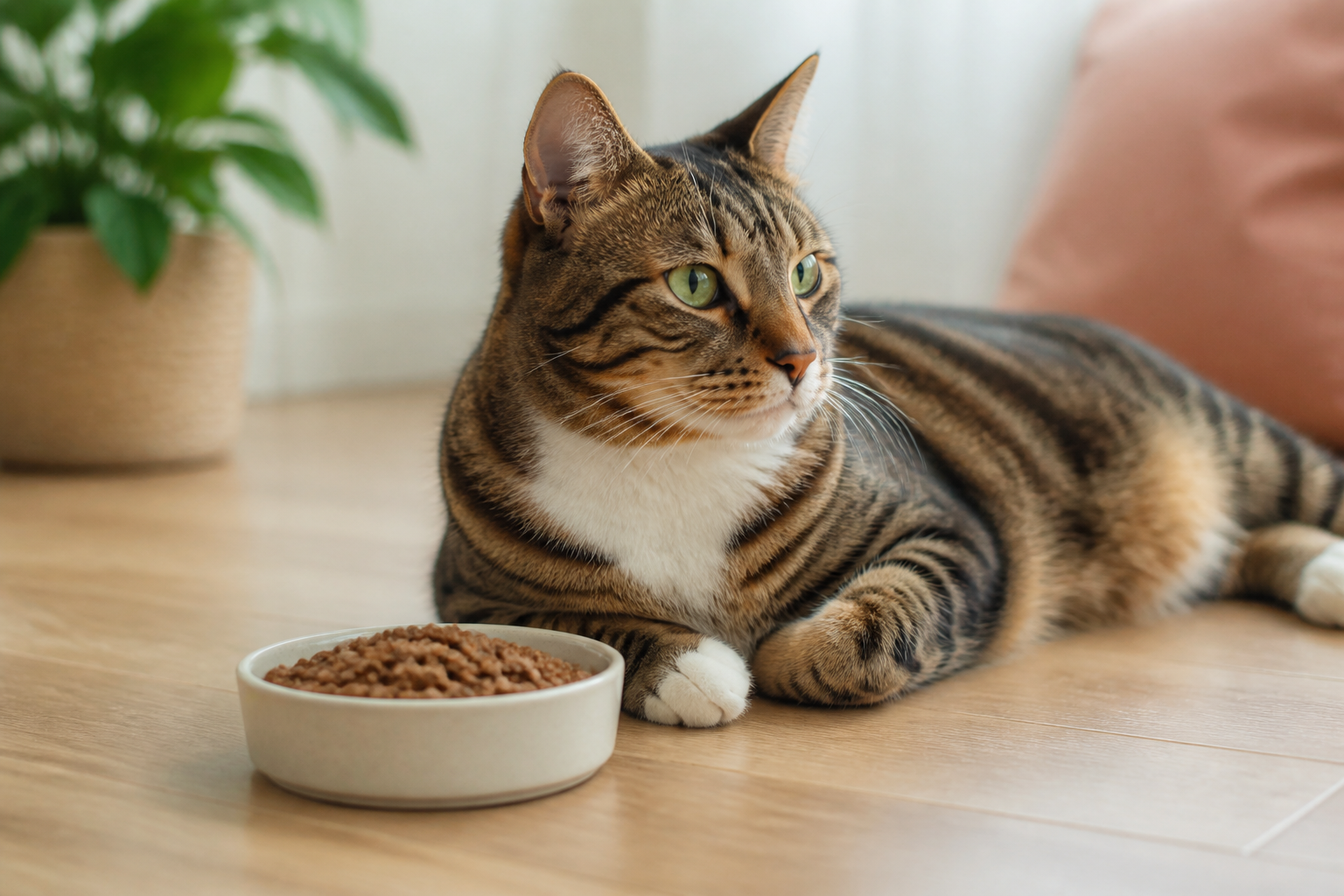
You are petting your cat when you notice small white flakes scattered across their dark fur. It might look like a sprinkle of salt or tiny bits of paper. This is feline dandruff. While it is a common issue for many cats, it often signals that their skin needs better support. At BaxterBoo, we understand that a flaky coat is more than just a grooming concern. It is often an indicator of your cat's internal health and hydration levels. This guide will help you identify the causes of dry skin and choose the best nutritional path to restore a glossy, flake-free coat. We will look at specific ingredients, the benefits of wet food, and when a trip to the veterinarian is necessary for prescription care.
Quick Answer: The best cat food for dandruff is typically high in omega-3 and omega-6 fatty acids with adequate Vitamin E and Zinc. Transitioning to a moisture-rich wet food or a sensitive skin formula can often resolve mild flaking by hydrating the skin from the inside out.
Understanding Feline Dandruff
Many owners use the terms dander and dandruff as if they are the same thing. They are actually quite different. Dander consists of microscopic skin cells that all cats shed naturally. You cannot see dander with the naked eye. It is a normal part of a healthy skin cycle.
Dandruff occurs when those skin cells clump together with oils and become large enough to see. These visible white flakes often accumulate on the lower back and near the base of the tail. If you see these flakes, your cat's skin cells are likely turning over too quickly or the skin barrier is struggling to stay hydrated.
The skin is the largest organ of the body. It requires a significant amount of daily protein and fat intake to remain healthy. If a cat is not getting the right balance of nutrients, the skin is often the first place where you will see signs of deficiency.
Cat Food for Healthy Skin




Primary Causes of Dry Skin in Cats
Before picking a new food, it helps to understand why the flakes appeared in the first place. Several factors can cause a cat's skin to become dry and irritated.
Environmental Factors
Low humidity is a major culprit. During the winter months, indoor heating systems strip moisture from the air. This dries out your cat's skin just as it does yours. If your cat spends a lot of time near heat vents, you may notice more dandruff during the colder months.
Poor Grooming Habits
Cats are famous for their cleanliness. When they groom, they distribute natural oils across their fur. If a cat stops grooming, those oils and dead skin cells build up and form flakes. This often happens in senior cats with arthritis who find it painful to reach their backs. Obesity also plays a role. If a cat is too heavy to reach certain spots, dandruff will quickly accumulate in those areas.
Parasites and Infections
External parasites like fleas or mites can cause skin irritation that leads to flaking. One specific mite, called Cheyletiella, is actually nicknamed walking dandruff. These mites are large enough to see and look like moving white specks. Fungal infections like ringworm can also cause localized dry patches and hair loss.
Stress and Anxiety
Stress impacts a cat's immune system and skin health. An anxious cat might over-groom one area or stop grooming altogether. Both behaviors can lead to a coat that looks dull and flaky.
Vet Tip: If your cat is losing clumps of hair, has red sores, or is constantly scratching, see your veterinarian. These symptoms often indicate a medical issue like mites or an infection rather than simple dry skin.
Essential Nutrients for Skin and Coat
When you read a cat food label, you want to see specific nutrients that support the skin barrier. The best cat food for dandruff will emphasize these ingredients.
- Omega-3 Fatty Acids: Usually sourced from fish oil or flaxseed. These reduce inflammation and help keep the skin supple.
- Omega-6 Fatty Acids: Often found in chicken fat or vegetable oils. These help maintain the structural integrity of the skin.
- Vitamin E: This is a powerful antioxidant that protects skin cells from damage.
- Biotin and B-Vitamins: These promote healthy cell growth and keratin production.
- Zinc: This mineral is vital for protein synthesis and wound healing in the skin.
- Copper: This helps with the pigmentation of the fur and keeps the coat looking vibrant.
Key Takeaway: A balance of omega-3 and omega-6 fatty acids is the most critical factor in dietary skin management. Look for foods that specifically mention salmon oil or added zinc for the best results.
For additional guidance on choosing nutritional support, read our pet supplement guide.
Why Hydration Matters
Hydration is a massive factor in skin health. Cats naturally have a low thirst drive. They evolved to get most of their water from their prey. Many cats living on a strictly dry kibble diet exist in a state of mild, chronic dehydration.
This lack of water shows up on the skin. Dry, brittle fur and flaky skin are common in cats that do not drink enough. One of the simplest ways to address dandruff is to increase moisture intake.
The Benefits of Wet Food
Switching to a high-quality wet food can make a difference in as little as two to three weeks. Canned foods often contain 75 percent or more water. This provides a steady stream of hydration that helps the skin maintain its natural moisture barrier.
Explore our cat food selection to compare wet and dry formulas.
Using Toppers and Broths
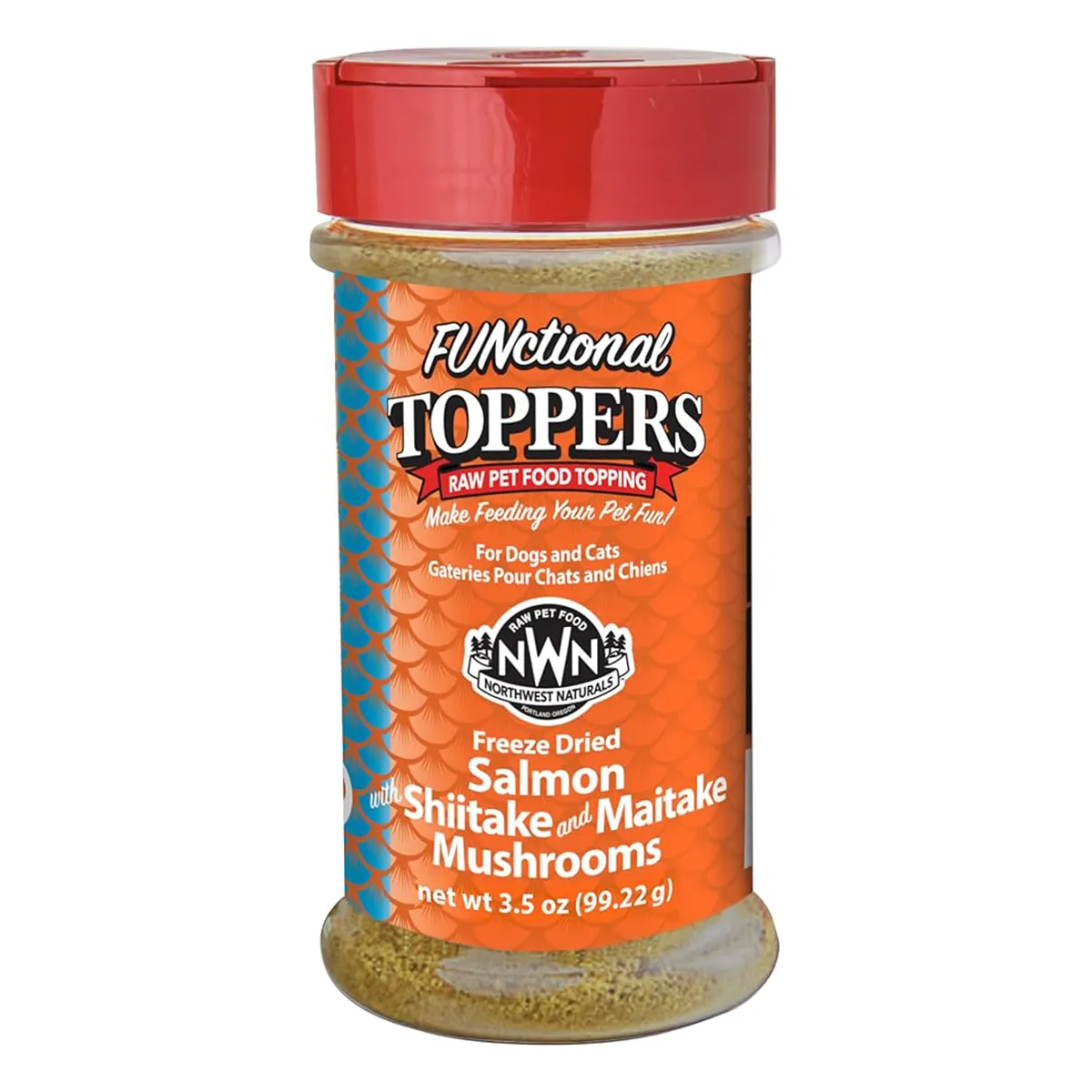
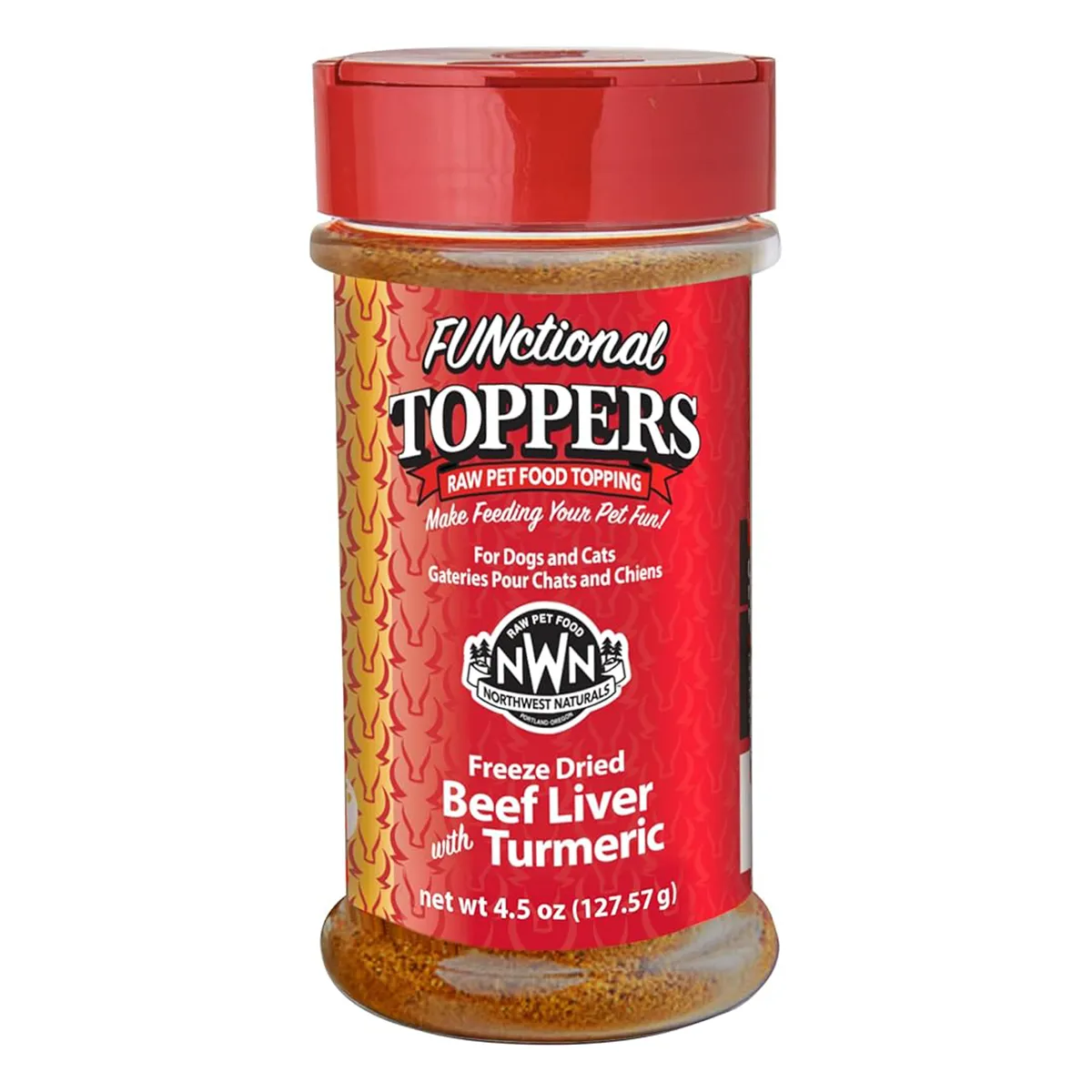
If your cat refuses to eat wet food, you can add hydrating toppers to their kibble. We carry a variety of bone broths and goat milk products that are designed specifically for pets. These add flavor and much-needed moisture to a dry diet.
For more information about moisture-rich diets, see our guide to veterinary diet food.
Choosing the Right Food Category
Not every cat needs the same type of food to fix their dandruff. You should choose a formula based on your cat's specific lifestyle and health needs.
Limited Ingredient Diets
If your cat's dandruff is caused by a food allergy, a limited ingredient diet is a great choice. These formulas use a single protein source, such as duck or rabbit, and a single carbohydrate. This reduces the chance of an immune response that causes skin inflammation. Brands like Zesty Paws or Stella and Chewy's offer options that focus on pure ingredients.
Sensitive Skin and Stomach Formulas
Many brands like Purina Pro Plan or Hill's offer "Sensitive Skin and Stomach" recipes. These are formulated with highly digestible proteins and extra skin-supporting nutrients. They are excellent for cats that have flaky skin along with occasional digestive upset.
Prescription Diets
For severe cases, your veterinarian may recommend a prescription diet. These are used when a cat has a diagnosed medical condition or a severe food intolerance. Our pharmacy carries FDA-approved prescription foods through our partnership with Pet's Choice. These diets, such as Hill's Prescription Diet z/d or Royal Canin Vet Life, require a veterinarian's authorization but offer targeted support that over-the-counter foods cannot provide.
How to Transition to a New Food
You should never switch your cat's food overnight. A sudden change can cause stomach upset, which adds more stress to the body. Follow this step-by-step process to ensure a smooth transition.
Step 1: Mix the foods.
For the first two days, serve a bowl that is 75 percent old food and 25 percent new food.
Step 2: Increase the ratio.
On days three and four, move to a 50/50 split. Observe your cat's stool and appetite.
Step 3: Shift to the new formula.
On days five and six, use 75 percent new food and 25 percent old food.
Step 4: Complete the switch.
By day seven, your cat should be eating 100 percent of the new formula.
Bottom line: Slow transitions prevent digestive issues and give your cat's skin time to begin utilizing the new nutrients.
Beyond the Food Bowl: Grooming and Care
While the best cat food for dandruff is the foundation of health, external care also matters. You can speed up the healing process with a few simple changes to your routine.
Regular Brushing
Brushing your cat for five minutes a day does wonders. It removes the dead skin cells before they can clump into dandruff. It also stimulates the skin to produce natural oils. Use a soft-bristled brush or a grooming glove to keep the experience positive.
Browse our cat grooming supplies for brushes, combs, shampoos, and other care products.
Humidifiers
If your home is very dry, running a small humidifier near your cat's favorite sleeping spot can help. This keeps the skin from losing moisture to the air.
Topical Treatments
Avoid human dandruff shampoos. These are often toxic to cats or too harsh for their delicate skin pH. Instead, look for cat-specific moisturizing mousses or waterless shampoos. These can be applied and brushed through the fur to hydrate the skin without the stress of a full bath.
Supplements
Sometimes a cat needs a little extra boost. Adding a pump of salmon oil to their food is an easy way to increase omega-3 intake. We offer a wide selection of skin and coat supplements, including brands like Zesty Paws and Honest Paws, that are formulated specifically for feline needs.
See our cat skin and coat care collection for supplements and other products.
When to Use the BaxterBoo Pharmacy
If your cat's dandruff is linked to an underlying medical condition, you will likely need more than just a change in diet. Flea infestations are a leading cause of skin flakes and irritation. Our pharmacy offers a variety of FDA-approved flea and tick preventives through our Pet's Choice partnership.
We also provide prescription medications for skin infections and inflammatory conditions. Having a centralized place for both your cat's favorite toys and their necessary medications makes health management much easier for busy owners.
For more information about parasite prevention, read our guide to flea and tick prevention.
Monitoring Progress
Skin takes time to heal. You will not see a change the morning after a new meal. It usually takes a full cycle of skin cell turnover, which is about 21 to 30 days, to see visible results.
Check your cat's coat weekly. You are looking for:
- A reduction in the size and number of white flakes.
- A softer, silkier texture to the fur.
- Less frequent scratching or over-grooming.
- Increased shine and vibrancy in the coat color.
If you have changed the food and improved the environment but the flakes persist after six weeks, it is time for a veterinary consult. There may be an internal issue like hyperthyroidism or a chronic allergy that requires medical intervention.
Summary of Best Practices
Caring for a cat with dandruff requires a two-pronged approach. You must provide the internal nutrients needed for skin repair while managing the external environment.
- Select a food rich in fish oils and specific vitamins like E and Zinc.
- Prioritize wet food to ensure your cat stays hydrated.
- Brush your cat daily to distribute natural oils and remove flakes.
- Control parasites with regular flea and tick prevention.
- Consult a vet if the dandruff is accompanied by sores or hair loss.
Key Takeaway: Feline dandruff is often a sign of dehydration or nutrient deficiency that can be corrected with a high-quality, moisture-rich diet and regular grooming.
Conclusion
Finding the best cat food for dandruff can transform your pet's comfort and appearance. By focusing on high-quality proteins, essential fatty acids, and proper hydration, you can help your cat achieve a healthy, flake-free coat. At BaxterBoo, we have been helping pet owners find the right products since 2006. Whether you need a premium sensitive skin formula or a specific supplement, we carry the brands you trust. Consider signing up for our Autoship programme to ensure you never run out of your cat's favorite skin-supporting food. This also grants you a free MVP Gold membership for even more savings.
Bottom line: Consistent nutrition and hydration are the keys to ending cat dandruff for good.
FAQ
Can I use human dandruff shampoo on my cat?
No, you should never use human products on a cat. Human skin has a different pH balance than feline skin. Shampoos made for people can strip away a cat's natural oils and cause severe irritation. Some ingredients in human shampoos are also toxic if a cat licks their fur after the bath.
Is dandruff in cats a sign of worms?
Dandruff itself is not a direct symptom of intestinal worms. However, a heavy parasite load can strip a cat of essential nutrients, leading to a poor coat and dry skin. External parasites like mites and fleas are much more likely to be the direct cause of flaky skin.
Will olive oil in cat food help with dandruff?
While olive oil is not toxic to cats, it is not the most effective choice for skin health. Fish oils, such as salmon or pollack oil, provide the specific types of omega-3 fatty acids that cats can utilize more efficiently. Always check with your vet before adding large amounts of any oil to your cat's diet.
How often should I brush a cat with dandruff?
If your cat has visible flakes, daily brushing is recommended. This helps remove the buildup of dead skin and prevents matting. Once the dandruff clears up, you can move to a maintenance schedule of two to three times per week to keep the coat healthy.





- Site & Contents BaxterBoo.com. BaxterBoo is located in the United States.
- Privacy & Security
- Terms of Use
- Accessibility Statement
