
 Save 15% on your 1st Autoship learn more

 Email us
 Live Chat
 FAQs





Introduction
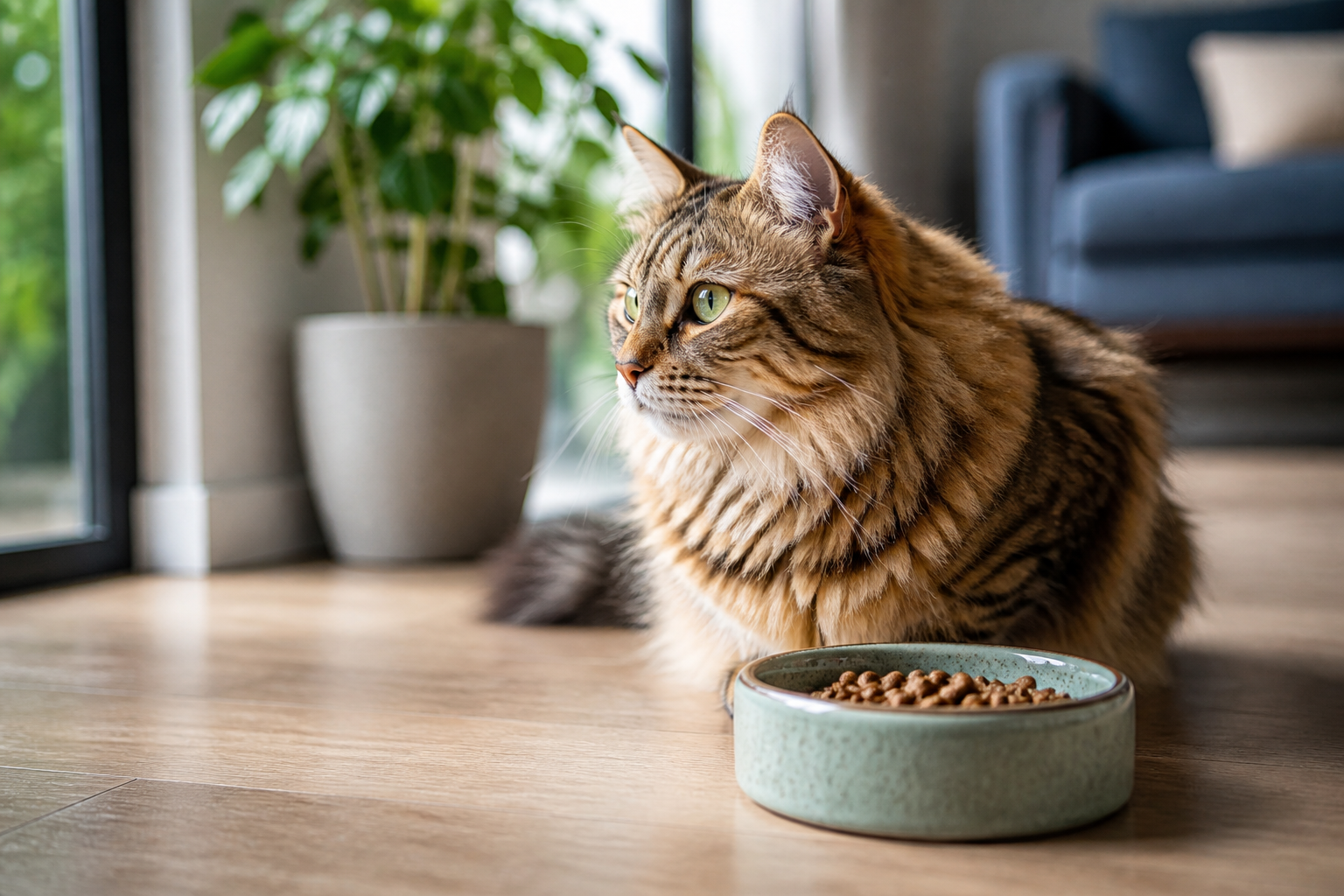
You are brushing your cat when you notice a dusting of white flakes against their dark fur. It looks like salt scattered across their back and tail. While it might seem like a minor cosmetic issue, flaky skin often signals that your cat needs a boost in their daily nutrition. At BaxterBoo, we know that a shiny, flake-free coat starts from the inside out. This guide will help you understand the causes of feline dandruff and how the right food can make a difference. We will look at essential ingredients and lifestyle changes to keep your cat comfortable. Proper nutrition is the foundation of skin health for every cat.
Understanding Cat Dandruff and Skin Health
Cat dandruff is the visible buildup of dead skin cells that have shed from the body. While all cats shed microscopic skin cells called dander, dandruff consists of larger flakes you can actually see. It often clusters on the lower back, base of the tail, and neck. If you notice these flakes, it is time to look closely at your cat's environment and diet.
Dandruff is a symptom rather than a specific disease. It tells you that the skin is either too dry or is producing too much oil. In some cases, it can also mean your cat is struggling to groom themselves properly. When the skin barrier is weak, moisture escapes. This leads to irritation and the characteristic white flakes that settle in the fur.
Quick Answer: Cat dandruff is caused by dry skin, poor nutrition, or an inability to groom. Switching to a high-moisture diet rich in omega fatty acids can often resolve mild cases within a few weeks.
Cat Food for Skin & Coat Health




The Role of Nutrition in Skin Maintenance
The skin is the largest organ of a cat's body. It requires a significant amount of daily protein and fat to stay healthy. If a cat's diet is lacking in specific nutrients, the body will prioritize internal organs over the skin and coat. This often results in a dull, dry, and flaky appearance.
High-quality cat food should lead with animal-based proteins. Brands like Farmina and Orijen focus on biological needs by providing plenty of amino acids. These building blocks help repair skin tissue and support hair growth. Without enough protein, the skin becomes thin and loses its ability to hold onto moisture. Explore our cat food collection when comparing dry, wet, and specialized recipes.
Fat is the other critical component. Fats provide the lipids that form a protective barrier on the skin surface. This barrier keeps allergens out and hydration in. When you choose a food for a cat with dandruff, look for healthy fats from animal sources rather than plant fillers.
Essential Ingredients for a Flake-Free Coat
When reading a cat food label, certain ingredients stand out for their skin-boosting properties. These are not just additives. They are essential tools for biological health.
Omega-3 and Omega-6 Fatty Acids
These are the most important nutrients for managing dandruff. Omega-6 fatty acids help maintain the skin barrier. Omega-3 fatty acids, often found in fish oil, help reduce inflammation. A balance of both is necessary. Look for salmon oil, sardine meal, or flaxseed in the ingredient list.
Zinc and Biotin
Zinc is a mineral that plays a major role in skin cell production. A deficiency can lead to crusty skin and hair loss. Biotin, a B-vitamin, supports the production of keratin. This is the protein that makes up the hair and the outer layer of the skin.
Vitamin A and Vitamin E
Vitamin A helps regulate the life cycle of skin cells. It prevents the overproduction of cells that leads to flaking. Vitamin E acts as an antioxidant. It protects skin cells from damage caused by the environment.
- Salmon or Menhaden Fish Oil: Primary source of DHA and EPA.
- Chelated Minerals: Easier for your cat to absorb.
- Whole Animal Proteins: Provides the necessary sulfur-containing amino acids.
- Limited Fillers: Reduces the risk of food sensitivities that cause itching.
Key Takeaway: The best cat food for dandruff contains high levels of fish-based omega-3 fatty acids and chelated zinc to support the skin barrier.
Wet Food vs. Dry Food for Hydration
Many cats live in a state of mild dehydration. This is because cats have a low thirst drive. They evolved to get most of their water from their prey. Dry kibble only contains about 10 percent moisture. This can lead to dry skin if the cat does not drink enough from their water bowl.
Incorporating wet food is one of the fastest ways to improve skin hydration. Brands like Tiki Cat and Fussie Cat offer high-moisture recipes that mimic a cat's natural diet. The extra water helps keep the skin supple and less likely to flake. If your cat exclusively eats dry food, their body may struggle to keep the skin hydrated during dry winter months.
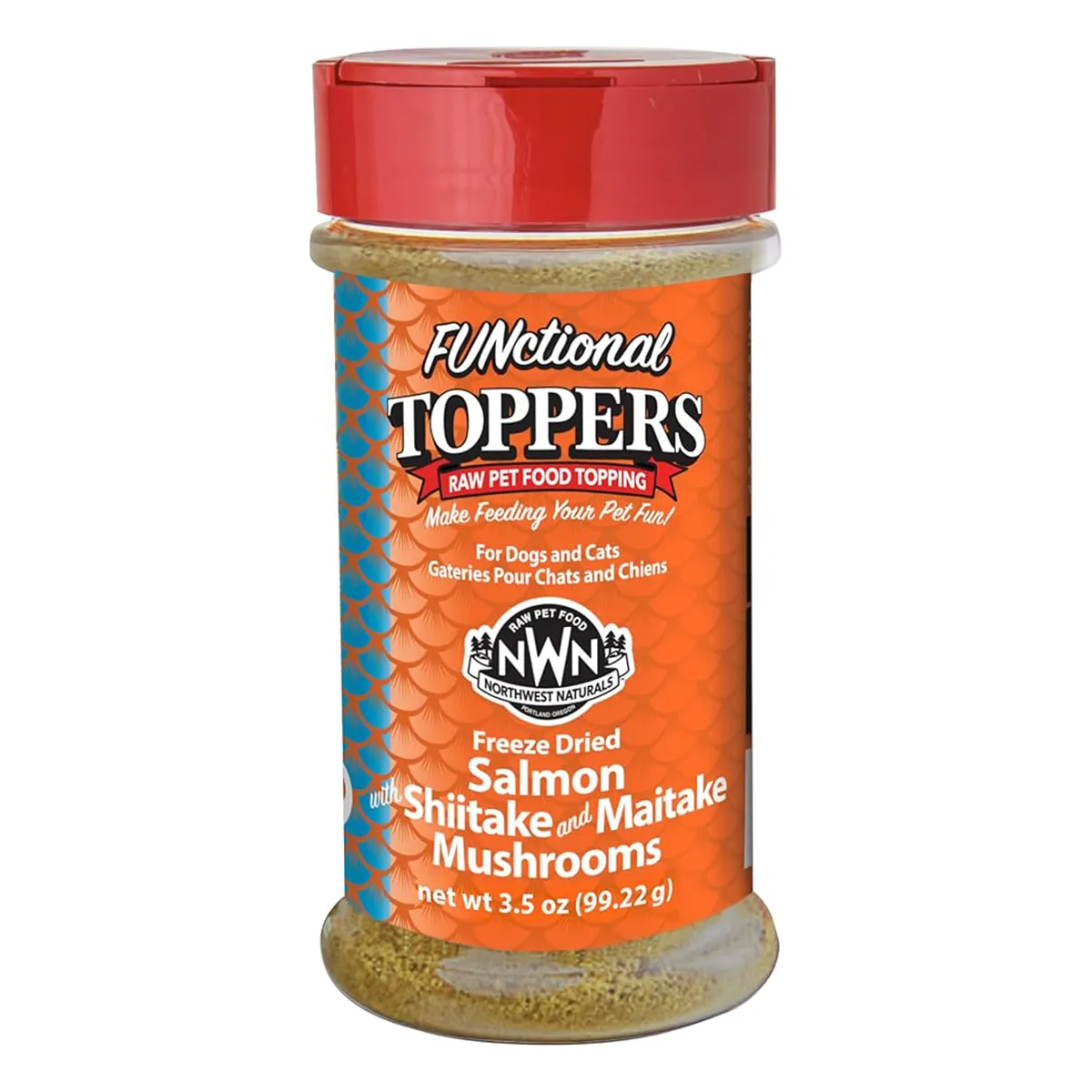
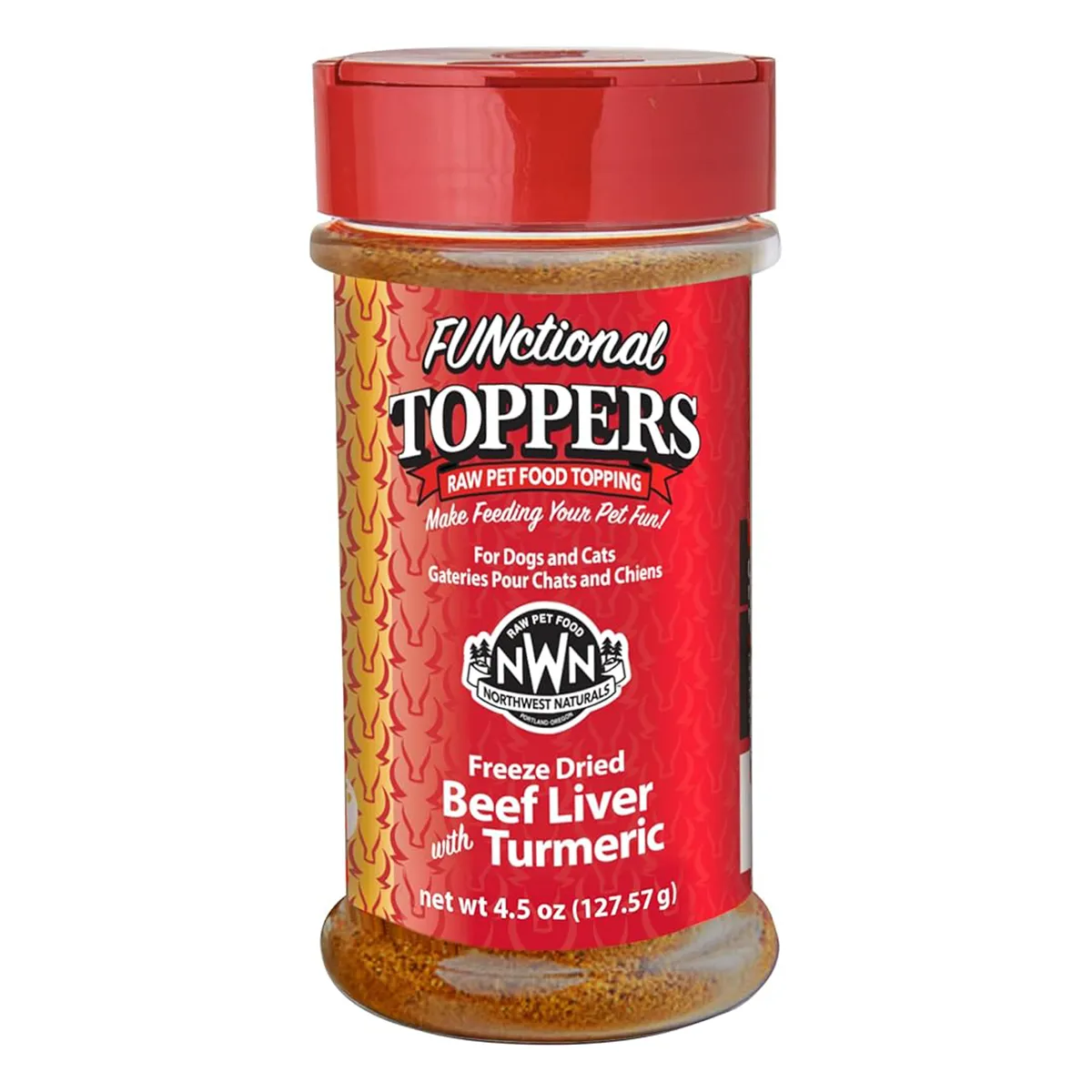
If you prefer to keep dry food as a staple, consider adding a topper. Stella & Chewy’s offers freeze-dried raw morsels that you can rehydrate with warm water. This adds both flavor and essential moisture to the meal. You can also compare wet and freeze-dried cat food options when choosing a format that fits your cat’s routine.
When Weight Affects Grooming Habits
Sometimes the food itself is not the problem, but the amount of food is. Obesity is a leading cause of dandruff in cats. If a cat is overweight, they cannot reach their middle or lower back to groom. Grooming is essential for removing dead skin cells and distributing natural oils across the coat.
If your cat has flakes specifically on their lower back, check their body condition. You should be able to feel their ribs easily without a thick layer of fat. For cats needing weight management, we carry specialized formulas like Farmina Vet Life. These diets help your cat lose weight safely while still providing the nutrients needed for a healthy coat.
Vet Tip: If your cat has stopped grooming and has developed dandruff, consult your veterinarian. Sudden changes in grooming can indicate dental pain, arthritis, or metabolic issues like hyperthyroidism.
Identifying Food Sensitivities and Allergies
In some cases, dandruff is a reaction to an ingredient in the food. Food allergies in cats often manifest as skin issues rather than stomach upset. You might notice your cat scratching their neck or over-grooming their belly. This constant irritation disrupts the skin and causes flaking.
Common allergens include beef, dairy, and certain grains. Switching to a limited ingredient diet can help. These foods use a single protein source and a single carbohydrate source. This makes it easier to identify what is causing the reaction. Natural Balance and Instinct offer excellent limited ingredient options.
If a standard limited ingredient diet does not work, your vet might recommend a prescription hydrolyzed protein diet. Our cat pharmacy carries these specialized foods. These formulas break down proteins into tiny pieces that the immune system does not recognize as a threat.
Managing Parasites and External Irritants
Not all white flakes are dandruff. Sometimes, owners mistake flea eggs or "walking dandruff" mites for simple dry skin. Walking dandruff is actually a microscopic mite called Cheyletiella. It looks like dandruff, but the flakes move because the mites are underneath them.
Fleas can also cause allergic dermatitis. This leads to intense itching, redness, and flaking. Even indoor cats can get fleas. Maintaining a strict flea and tick prevention routine is vital for skin health. Read more about flea and tick prevention options when reviewing your cat’s care routine.
Our pharmacy provides a wide range of FDA-approved preventives. We carry trusted brands like Frontline and NexGard through our partnership with Pet's Choice. Using these products ensures that external parasites are not the hidden cause of your cat's skin troubles. You can also browse our cat flea and tick collection for prevention products.
Environmental Factors and Supportive Care
The air inside your home can also dry out your cat's skin. This is especially true in the winter when the heater is running. Low humidity levels pull moisture out of the skin. Adding a humidifier to the room where your cat sleeps can make a big difference.
Brushing is another important part of the solution. Use a soft slicker brush or a rubber grooming mitt once a day. This stimulates the skin to produce natural oils. It also manually removes the dead cells before they can clump together into visible dandruff. For additional ideas, explore cat grooming and coat-care guidance.
Key Takeaway: Brushing your cat daily is just as important as feeding the right food. It distributes natural oils and removes dead skin cells manually.
How to Transition to a Skin-Supportive Diet
When you find a food that fits your cat's needs, do not switch all at once. A sudden change can cause digestive upset. This adds more stress to the body and can actually make skin issues worse. Follow a slow transition over the course of a week.
Step 1: Mix 25 percent of the new food with 75 percent of the old food for two days.
Step 2: Increase to a 50/50 mix for the next two days.
Step 3: Move to 75 percent new food and 25 percent old food for two days.
Step 4: Offer 100 percent of the new skin-supportive food.
Watch your cat for any signs of itching or redness during this time. It can take four to six weeks to see a real change in the skin and coat. The body needs time to grow new hair and repair the skin barrier. A gradual approach is also recommended when introducing veterinary diet food.
Supplements for Extra Support
If your cat is already on a high-quality diet but still has some flakes, a supplement can help. Fish oil supplements are the most common choice. These come in pumps that you can add directly to their food. Brands like Zesty Paws or Honest Paws offer targeted support for skin and coat health. One available option is Zesty Paws Wild Alaskan Salmon Oil.
Coconut oil is another option some owners use. It can be given in small amounts orally or applied topically to very dry patches. However, always talk to your vet before adding supplements to your cat's routine. They can help you determine the right dose for your cat's specific size and age.
| Feature | Dry Kibble | Wet Food | Raw/Freeze-Dried |
|---|---|---|---|
| Moisture Content | Low (approx. 10%) | High (approx. 75-80%) | Moderate (when rehydrated) |
| Skin Benefit | Convenient, calorie-dense | Excellent for hydration | High nutrient bioavailability |
| Fatty Acid Level | Varies by brand | Often higher in fish recipes | Very high in natural oils |
| Best For | Grazers | Cats with dry skin | Picky eaters/sensitivities |
When to See the Veterinarian
Most cases of cat dandruff are easy to manage at home with better food and grooming. However, skin flakes can sometimes hide more serious issues. You should schedule a vet visit if you notice any of the following:
- Red, inflamed skin: This could mean a bacterial or fungal infection like ringworm.
- Hair loss or bald patches: This often indicates extreme itching or a hormonal imbalance.
- Scabs or sores: These are signs of a more severe allergic reaction or infection.
- Lethargy or weight loss: Dandruff combined with these symptoms could point to internal health issues like kidney disease.
Your vet can perform a skin scraping to look for mites or fungi. They may also suggest blood work to check for hyperthyroidism or diabetes. Both of these conditions can change the texture and health of a cat's skin.
Vet Tip: Always rule out parasites before assuming dandruff is purely nutritional. A single flea can cause an allergic reaction that looks like simple dry skin.
Summary of Skin Care Steps
Managing cat dandruff requires a multi-step approach. You must address the internal nutrition while managing the external environment. Start by looking at the ingredient label of your current cat food. If it is high in grains and low in animal fats, it might be time for a change.
At BaxterBoo, we believe that every pet deserves to feel comfortable in their own skin. By choosing a diet rich in omega fatty acids and keeping up with regular grooming, you can help your cat achieve a soft, shiny, and flake-free coat.
Bottom line: Combining a high-moisture diet with daily brushing and omega-3 supplements is the most effective way to eliminate cat dandruff.
Conclusion
Cat dandruff is often a simple fix once you identify the underlying cause. Whether it is a lack of moisture in the diet, a need for more omega fatty acids, or a struggle with grooming due to weight, the right cat food can help. Focus on high-quality proteins and essential fats to support the skin barrier. Check out our selection of skin and coat cat foods to find the perfect match for your feline friend. For cats needing prescription diets or parasite protection, remember that our pharmacy is here to help with professional guidance and FDA-approved products. You can also save on every order by signing up for our Autoship programme to ensure your cat never misses a meal.
FAQ
Why does my cat have dandruff on her back but nowhere else?
The lower back and the base of the tail are the hardest areas for a cat to reach during grooming. If a cat is slightly overweight or has joint stiffness, they may stop cleaning these areas effectively. This leads to a buildup of dead skin cells and oils that appear as dandruff.
Can I use human dandruff shampoo on my cat?
No, you should never use human dandruff shampoo on a cat. These products are formulated for the pH level of human skin and contain ingredients that can be toxic to cats if licked off the fur. Always use a shampoo specifically designed for felines, or better yet, focus on improving their skin from the inside with better nutrition.
Does changing to wet food really help with dandruff?
Yes, wet food provides significantly more hydration than dry kibble. Many cats are chronically dehydrated, which leads to dry, inelastic skin that flakes easily. The added moisture in wet food helps hydrate the skin cells from the inside, often resulting in a noticeable reduction in flakes.
How long does it take for new food to improve my cat's skin?
It generally takes between four and six weeks to see the full effects of a diet change. The skin takes time to regenerate, and new hair must grow in to replace the old, dry coat. Consistency is key, so avoid giving too many different treats while you are testing a new skin-supportive food.





- Site & Contents BaxterBoo.com. BaxterBoo is located in the United States.
- Privacy & Security
- Terms of Use
- Accessibility Statement
