
 Save 15% on your 1st Autoship learn more

 Email us
 Live Chat
 FAQs





Introduction
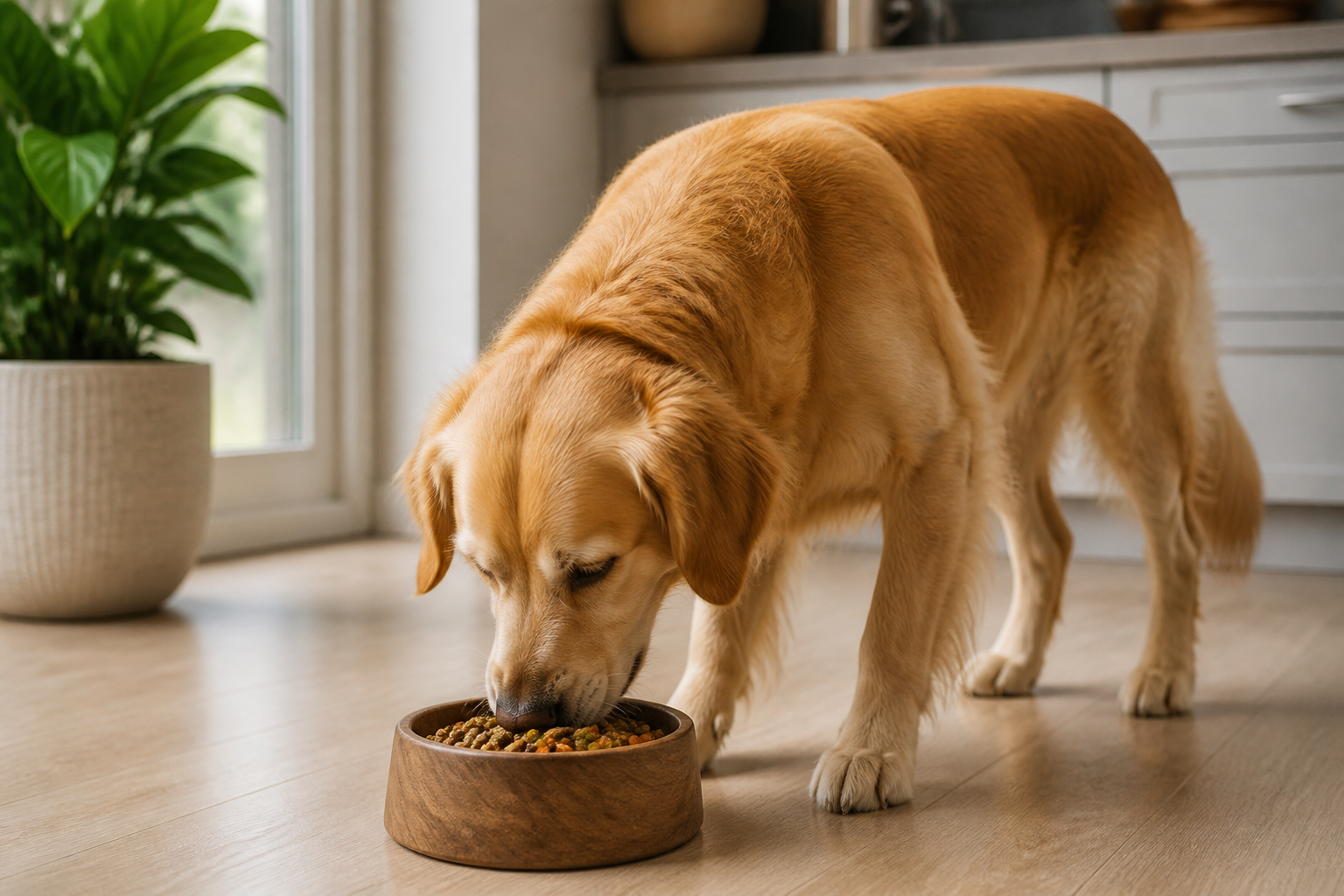
You are likely here because your dog has a sensitive stomach. Maybe it is the occasional bout of loose stools. Perhaps it is the room clearing gas that happens every evening after dinner. At BaxterBoo, we talk to pet owners every day who are navigating these exact digestive hurdles. We know that a healthy gut is about more than just solid stools. It is the foundation of your dog's immune system and even their mental well being. This guide explains how to find the best dog food with probiotics and prebiotics to support your pup. You will learn the difference between these two gut health powerhouses and how to read a label like a pro. A balanced microbiome starts with the right fuel.
Quick Answer: Probiotics are live beneficial bacteria while prebiotics are the fibers that feed them. The best dog food uses both to support digestion, immune function, and nutrient absorption.
Understanding the Canine Microbiome
Your dog's gut is a bustling city of microscopic life. This ecosystem is known as the microbiome. It contains billions of bacteria, fungi, and other microbes. When this city is thriving, your dog feels great. Their skin is clear. Their energy is high. Their bathroom breaks are predictable and easy to clean up.
When the microbiome gets out of balance, things go sideways. This imbalance is often called dysbiosis. It can happen for many reasons. Antibiotics can wipe out good bacteria along with the bad. Stress from moving or boarding can shift the balance. Even a sudden change in diet can cause a temporary collapse of the gut city.
A healthy gut does more than digest kibble. Roughly 70 to 80 percent of a dog's immune system lives in the gastrointestinal tract. If the gut is weak, the dog is more susceptible to illness and allergies. This is why many owners seek out food specifically formulated with digestive support, including options in our dog digestive health collection.
Dog Food for Gut Health








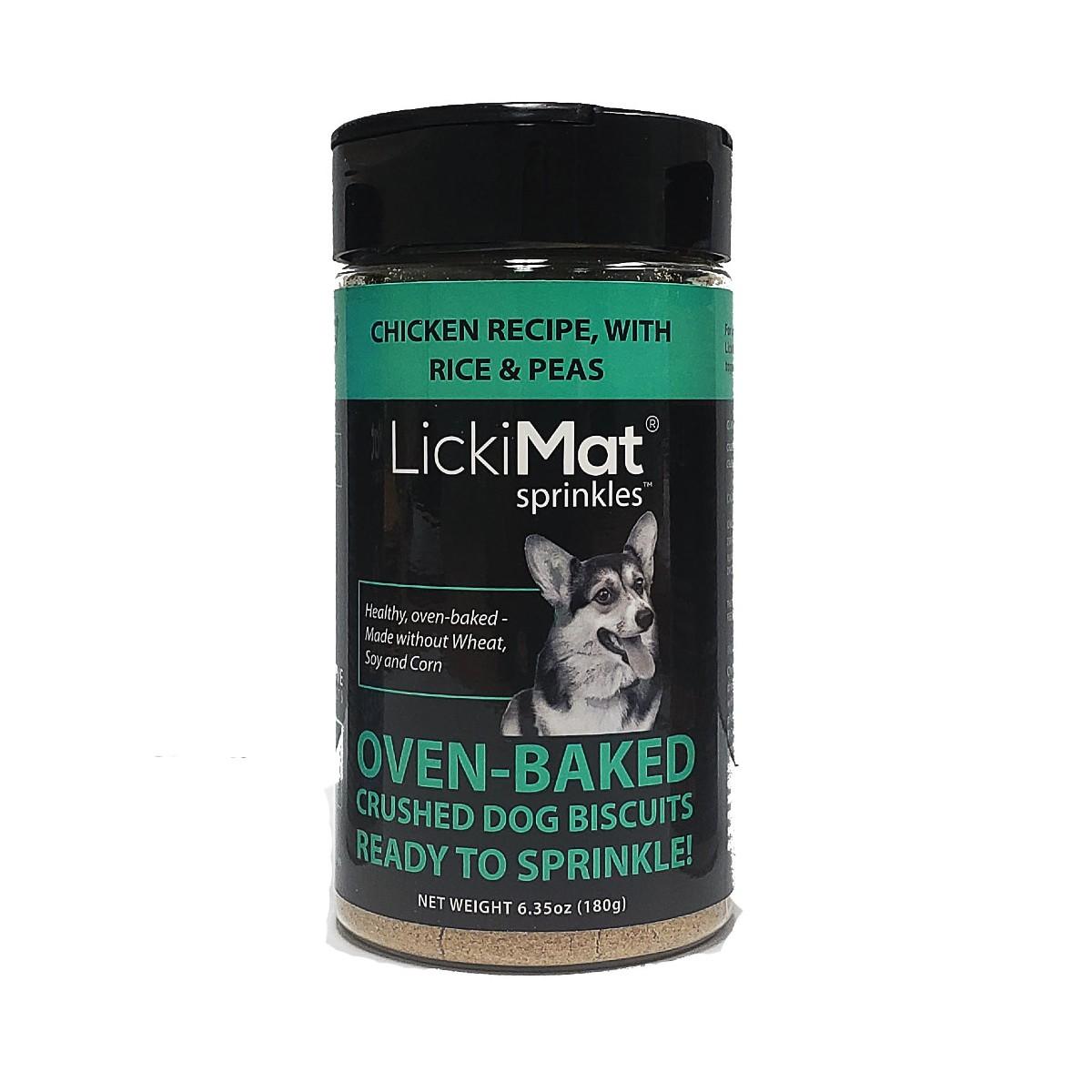
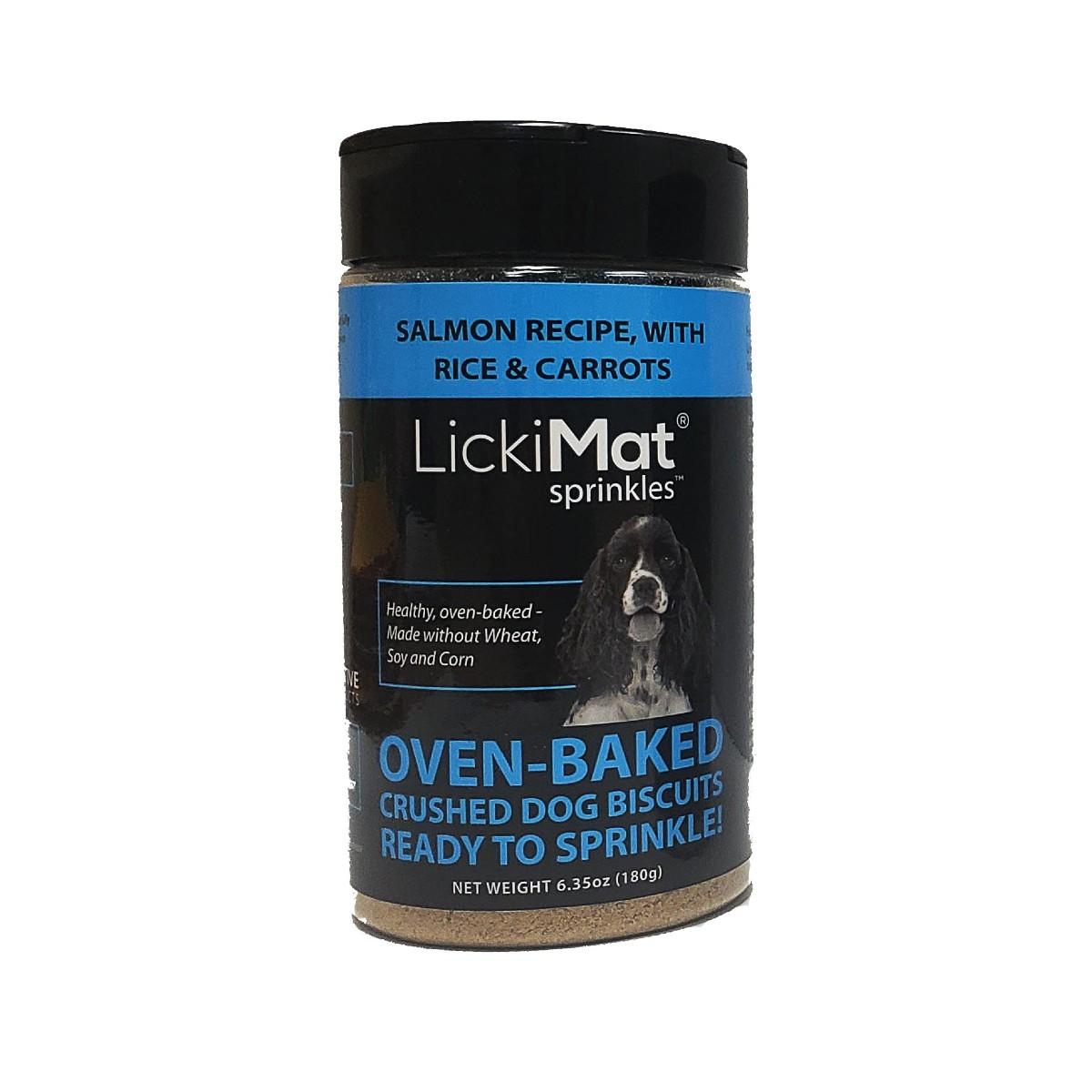
What Are Prebiotics for Dogs?
Think of prebiotics as the fuel for the fire. They are not alive themselves. Prebiotics are specialized plant fibers that your dog cannot fully digest on their own. Instead, these fibers travel through the stomach and small intestine mostly intact.
Once they reach the colon, the beneficial bacteria waiting there have a feast. The bacteria ferment these fibers. This process produces short chain fatty acids. These acids are vital. They provide energy to the cells lining the colon and help keep the gut environment slightly acidic. That acidity is a good thing. It makes the gut less hospitable to harmful bacteria like E. coli.
Common prebiotics you will see on a dog food label include:
- Chicory root
- Inulin
- Dried beet pulp
- Acacia gum
- Fructooligosaccharides (FOS)
- Mannan-oligosaccharides (MOS)
Key Takeaway: Prebiotics are the "food" for the good bacteria already living in your dog's gut. Without them, even the most expensive probiotic supplement will struggle to survive and thrive.
What Are Probiotics for Dogs?
Probiotics are the "workers" in the gut city. These are live microorganisms that provide a health benefit when eaten in the right amounts. When you feed your dog a food with probiotics, you are essentially sending in reinforcements.
These beneficial bacteria help crowd out the "bad" bacteria. They compete for space and resources on the intestinal wall. They also help break down certain nutrients that the dog's body might otherwise struggle to process.
On a label, you want to see specific names of bacteria. General terms like "probiotics" are not helpful. Look for names like:
- Enterococcus faecium: Often used to help manage diarrhea and support a healthy intestinal balance.
- Lactobacillus acidophilus: Known for supporting a healthy immune system and improving stool quality.
- Bifidobacterium animalis: Can help reduce the time it takes for a dog to recover from acute digestive upset.
- Lactobacillus plantarum: Supports the gut barrier and helps manage inflammation.
For additional ideas, explore our probiotic dog products.
Why Quality Matters More Than Quantity
You might see a bag of food that claims to have millions of probiotics. That sounds impressive, but it is not the whole story. Probiotics are very delicate. They are sensitive to heat, light, and air.
The process used to make most dry kibble is called extrusion. It involves high heat and pressure. This heat kills most live probiotics. This is why the best dog food companies apply the probiotics after the cooking process is finished. They spray a coating on the outside of the kibble once it has cooled down.
When you look at the back of the bag, check the Guaranteed Analysis. You want to see a "guaranteed" number of Colony Forming Units (CFUs). This tells you how many live bacteria are expected to be in the food at the time of purchase. If the bag only lists the ingredients but does not give a CFU count in the guarantee, the probiotics might not actually be alive by the time the bag reaches your home.
Vet Tip: If your dog has chronic diarrhea, vomiting, or weight loss, a food change might not be enough. Please consult your veterinarian to rule out underlying issues like parasites, inflammatory bowel disease, or organ dysfunction.
How to Read a Label for Gut Health
Navigating the pet food aisle can be overwhelming. To find the best dog food with probiotics and prebiotics, you need to look past the marketing. Follow this checklist when reviewing a new formula:
- Check the prebiotic source: Look for chicory root or inulin near the middle or end of the ingredient list.
- Find the specific strains: Ensure the probiotic names are clearly listed (e.g., Bifidobacterium animalis).
- Look for CFUs: The Guaranteed Analysis should list a minimum number of live cultures.
- Identify the protein: High quality, easily digestible proteins like lamb, salmon, or turkey are often better for sensitive stomachs than generic "meat meal."
- Watch for fillers: Excessive corn or wheat can sometimes irritate a sensitive gut, though this varies by dog.
The Role of Fiber
Fiber is the bridge between prebiotics and general digestion. You want a balance of soluble and insoluble fiber. Soluble fiber (like the kind in prebiotics) helps feed bacteria. Insoluble fiber (like cellulose or certain grains) adds bulk to the stool. This bulk helps the stool move through the digestive tract at the right speed. Too fast, and you get diarrhea. Too slow, and you get constipation.
Top Brands for Digestive Support
At our Vernon Hills warehouse, we stock several brands that prioritize gut health. These companies invest in the research and testing necessary to ensure their probiotics actually work.
Farmina
Farmina is known for its "N&D" (Natural and Delicious) line. They use a cold infusion technology to apply vitamins and probiotics. This ensures that the delicate microbes are not destroyed by heat. Their formulas often include high quality prebiotics like pea fiber and chicory root.
Purina Pro Plan
The Purina Pro Plan Sensitive Skin and Stomach lines are favorites for a reason. They use specific strains like Enterococcus faecium that have been extensively studied. Many of their formulas are backed by feeding trials, which provide real world evidence of how the food performs.
Stella and Chewy's
For owners who want something closer to a raw diet, Stella and Chewy's offers freeze dried options. Because freeze drying does not use the intense heat of kibble extrusion, the natural nutrients and added probiotics stay intact. Their "Solutions" line specifically targets digestive health with added pumpkin and specialized fiber.
The Honest Kitchen
The Honest Kitchen uses human grade ingredients and a dehydration process. Their digestive support clusters include probiotics and a variety of colorful vegetables that provide natural prebiotic fiber. It is a great middle ground for owners who want the convenience of kibble with the quality of whole foods.
Key Takeaway: The best food for your dog depends on their specific needs. Some dogs thrive on grain inclusive formulas with beet pulp, while others do better on grain free options with chicory root.
When Food Alone Is Not Enough
Sometimes a change in diet is only part of the solution. If your dog is recovering from a major illness or a heavy round of antibiotics, they may need a more concentrated dose of probiotics.
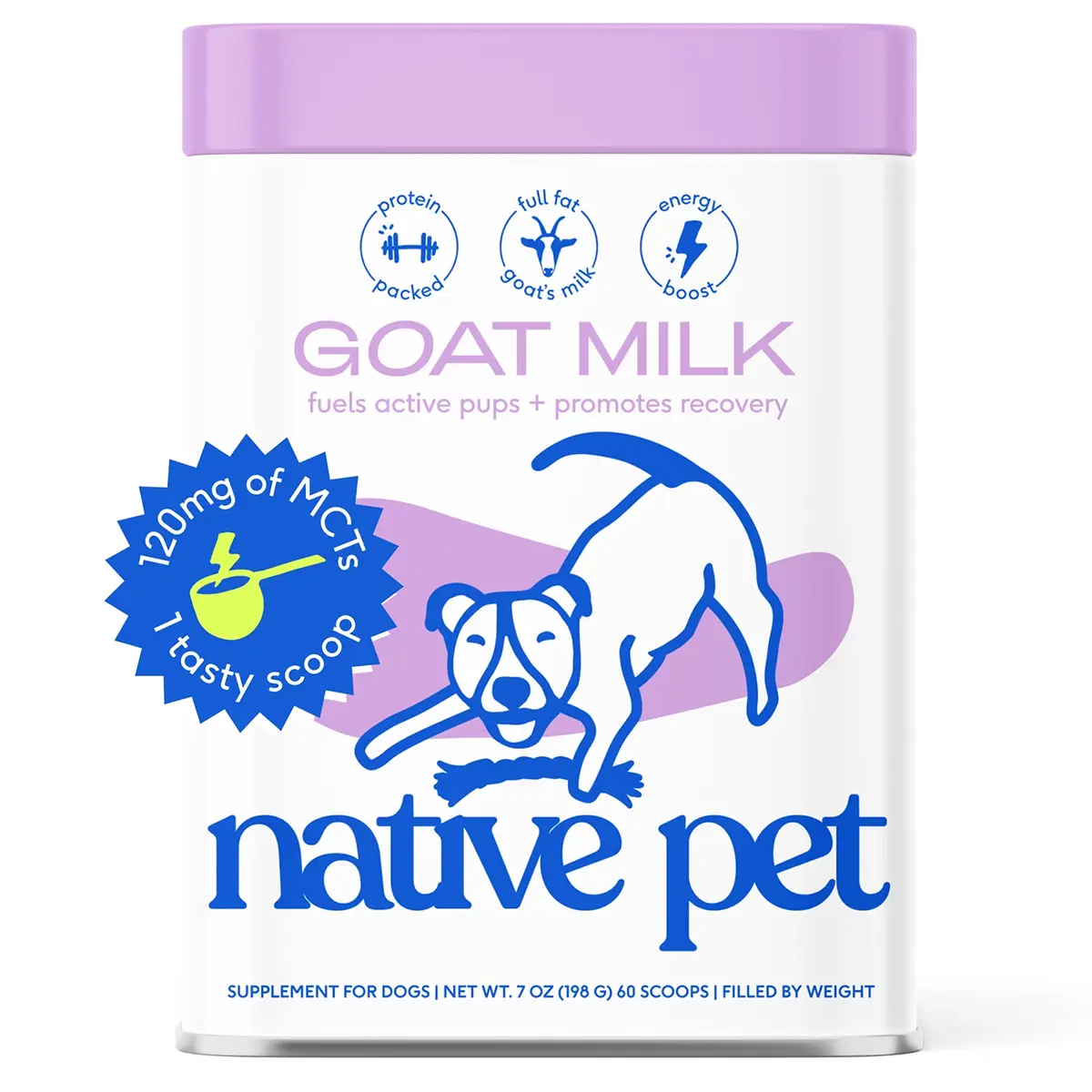
This is where supplements come in. We carry brands like Zesty Paws, Honest Paws, and Cosequin that offer probiotic chews. These can be added to the daily meal for an extra boost. For more ideas, read our guide to pet supplements and digestive probiotics.
For more serious medical conditions, your veterinarian might recommend a prescription diet. These are formulated to be ultra digestible or to use hydrolyzed proteins that the body does not recognize as allergens. Through our partnership with Pet's Choice, we offer our pet pharmacy. We can fulfill prescriptions for FDA approved medications and therapeutic diets from brands like Royal Canin Vet Life and Farmina Vet Life. This allows you to get your dog's specialized medical food delivered right to your door alongside their favorite toys.
How to Transition to a New Gut Health Food
You have found the perfect bag of food. You are excited to see those stools firm up. But wait! Do not just dump out the old food and fill the bowl with the new stuff. This is the fastest way to cause a digestive disaster.
A dog's gut needs time to adjust to new ingredients and new probiotic strains. Follow these steps for a smooth transition:
Step 1: Mix 25% new food with 75% old food. / Do this for two to three days. Watch for any signs of gas or soft stools.
Step 2: Increase to a 50/50 split. / Continue this for another two to three days. This is usually when you will notice if the new food is agreeing with your pup.
Step 3: Move to 75% new food and 25% old food. / Maintain this for two days. If all looks good, you are almost there.
Step 4: Transition to 100% new food. / Monitor your dog for the next week. It can take up to 21 days for the microbiome to fully stabilize on a new diet.
For another perspective on gradual food changes, see how to switch from dry to wet dog food.
The Connection Between Gut and Mind
One of the most exciting areas of pet health research is the "gut brain axis." It turns out that the gut and the brain are in constant communication via the vagus nerve. The bacteria in the gut actually produce neurotransmitters like serotonin and dopamine.
Studies have shown that certain probiotic strains, like Bifidobacterium longum, may help dogs stay calmer during stressful events. If you have a dog that paces, barks excessively, or struggles with separation anxiety, their gut health might be a contributing factor. While food is not a cure for clinical anxiety, a healthy microbiome provides a stable foundation for behavior training and other supports.
Managing Senior Dog Digestion
As dogs age, their digestive systems often become less efficient. They may produce fewer digestive enzymes. Their microbiome may lose some of its diversity. This can lead to weight loss or a lack of interest in food.
For senior pets, the best dog food with probiotics and prebiotics often includes extra support for inflammation. Look for formulas that pair gut health ingredients with Omega 3 fatty acids from fish oil. This combination supports the gut and the joints at the same time.
Senior dogs are also more likely to be on long term medications for conditions like arthritis or heart health. These medications can sometimes tax the digestive system. A steady intake of prebiotics and probiotics helps maintain the gut barrier, ensuring that the dog can still absorb the nutrients they need from their meals.
BaxterBoo Programs for Easy Replenishment
At BaxterBoo, we want to make it easy for you to maintain your dog's health routine. We know that once you find a food that works, you never want to run out.
- Autoship: This is our most popular program. You can set your dog's favorite probiotic food to arrive on a schedule that works for you. You will save on your first order and receive a free MVP Gold membership. Learn more about our Autoship programme.
- MVP Rewards: Every purchase earns you points. You can get up to 5% back on your orders. It is our way of saying thanks for being a loyal part of our community. Explore the MVP Rewards programme.
- Expert Support: We have been operating since 2006. Our team in Vernon Hills knows these 500+ brands inside and out. If you are stuck between two formulas, we are here to help.
Bottom line: Investing in a high quality food with guaranteed probiotics and diverse prebiotics is one of the most effective ways to support your dog's long term vitality.
Conclusion
Finding the best dog food with probiotics and prebiotics is a journey of label reading and observation. Look for guaranteed live cultures, specific bacterial strains, and high quality prebiotic fibers like inulin or chicory root. Remember that the gut is the heart of your dog's immune system and emotional health.
- Start with a slow transition over 7 to 10 days.
- Look for the "Guaranteed Analysis" to confirm live CFUs.
- Consult your vet if symptoms are severe or persistent.
If your dog needs a specialized prescription diet for a chronic GI condition, our pharmacy is ready to help through our Pet's Choice partnership. For everyone else, explore our curated selection of premium digestive health foods and supplements. Sign in at checkout to take advantage of our new customer rewards and start your pup on the path to a happier tummy today.
FAQ
Can I just give my dog human probiotics instead of buying special food?
While human probiotics are generally safe, they are formulated for the human microbiome. Dogs have different types of bacteria and a much shorter digestive tract. A species-specific probiotic or a dog food formulated with canine strains like Enterococcus faecium is much more likely to provide real results for your pet.
How long does it take for probiotic dog food to work?
You might see an improvement in stool quality within a few days, but the full benefits take longer. It usually takes three to four weeks for the gut microbiome to fully adjust and for the immune system to reap the rewards. For behavioral benefits like reduced anxiety, it can take up to six weeks of consistent feeding.
Will probiotics help my dog's itchy skin and allergies?
Yes, they often help. Since a huge portion of the immune system is in the gut, a balanced microbiome can help regulate the body's inflammatory response. Many dogs with "environmental allergies" actually have a gut imbalance that makes their immune system overactive, leading to skin irritation and itching.
Does wet dog food contain probiotics?
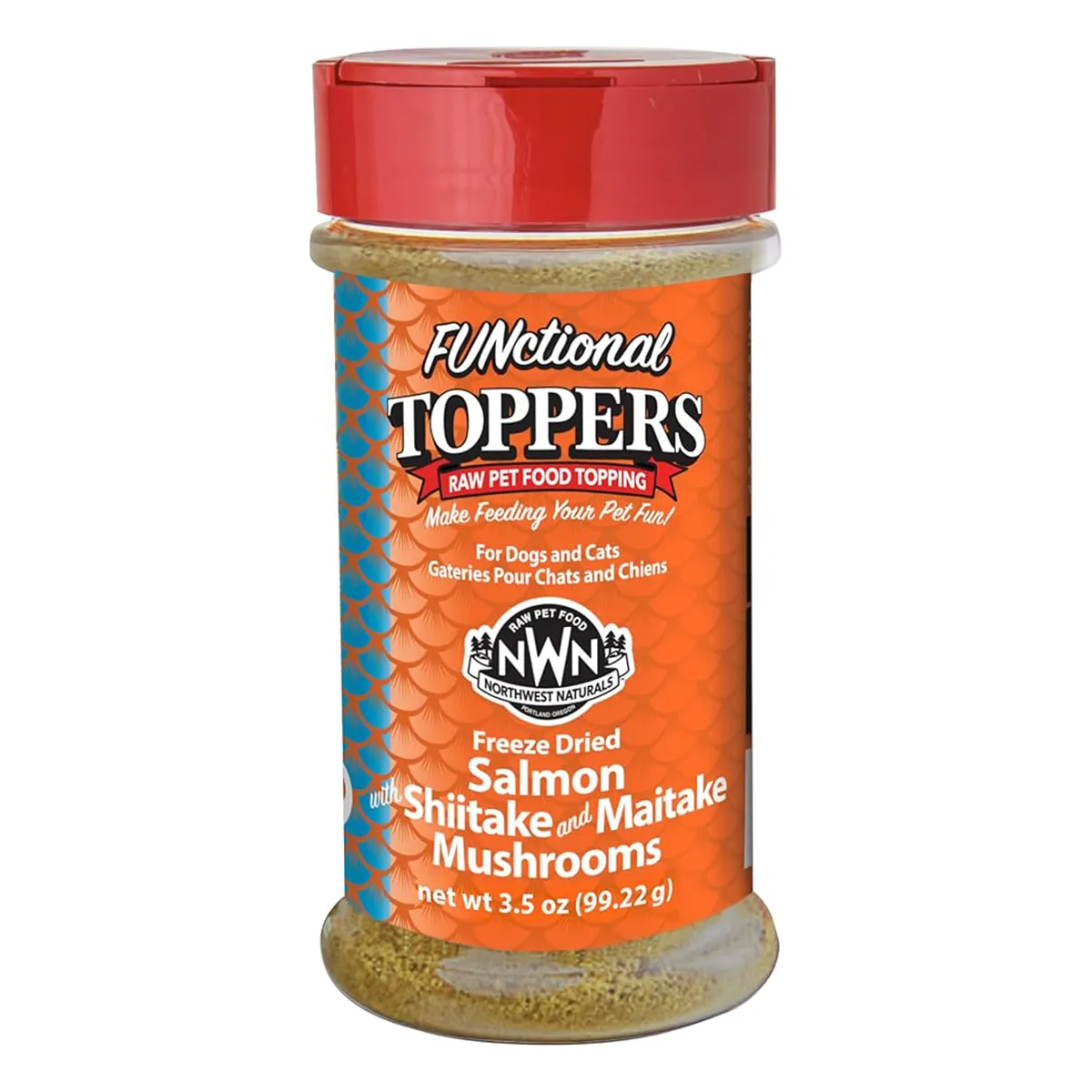
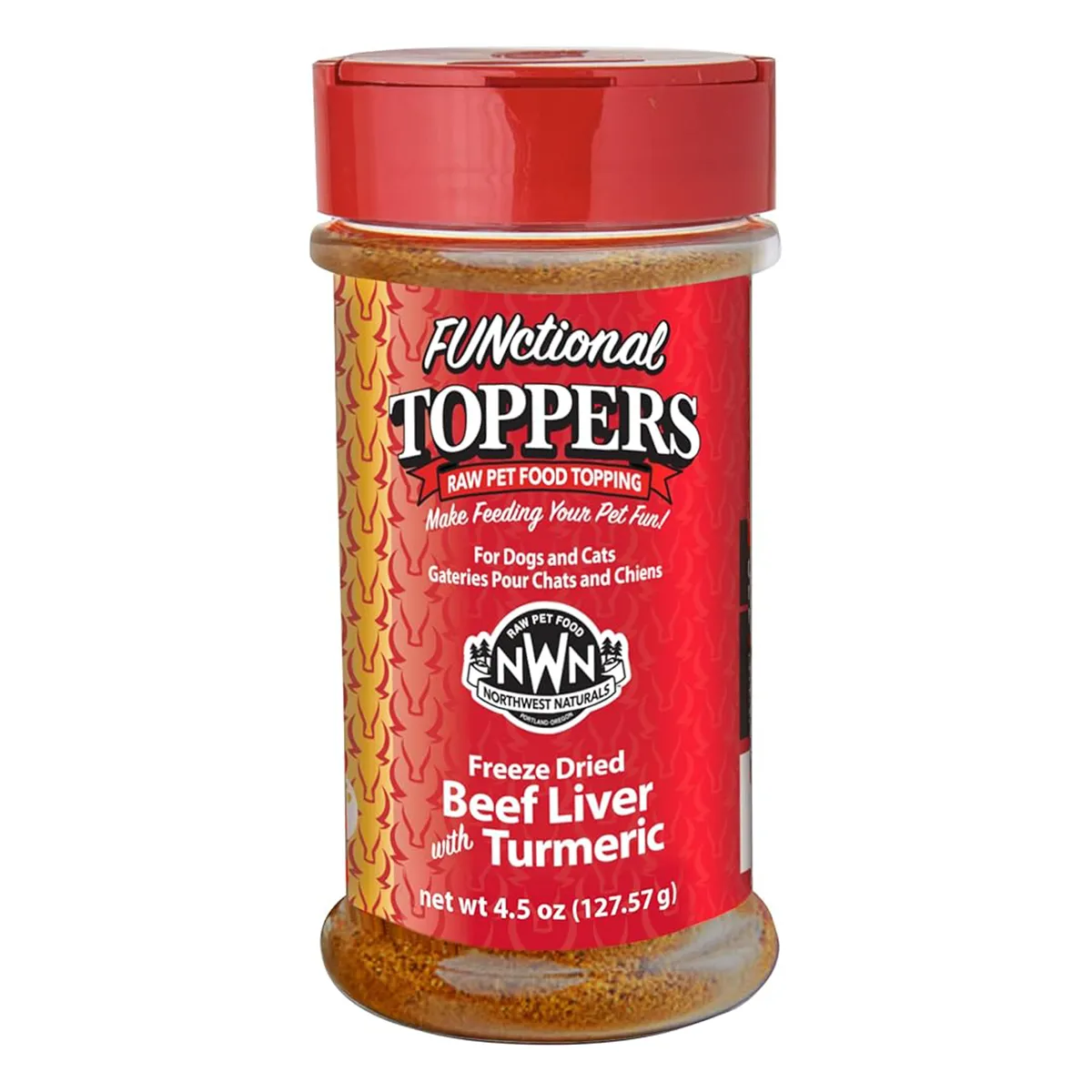
It is very rare to find live probiotics in canned wet food because the canning process requires high heat to kill bacteria and ensure shelf stability. This heat also kills the "good" bacteria. If you prefer wet food, it is usually better to buy a high quality prebiotic wet food and add a separate probiotic powder or topper at mealtime.




- Site & Contents BaxterBoo.com. BaxterBoo is located in the United States.
- Privacy & Security
- Terms of Use
- Accessibility Statement
