Save 15% on your 1st Autoship learn more

 Email us
 Live Chat
 FAQs
FAQs





Introduction
You are likely here because your dog is dealing with an upset stomach, frequent gas, or perhaps a sudden change in stool quality. It is a common situation for many pet owners. You want to help your companion feel better, but the world of supplements feels overwhelming. At BaxterBoo, we have helped thousands of pet parents navigate these exact concerns since 2006. We understand that your dog's digestive health is the foundation of their overall well-being. This guide covers everything you need to know about selecting the right prebiotics and probiotics for your dog. We will explain how these "friendly" bacteria work, the specific strains to look for, and how to choose a high-quality supplement that actually delivers results. Choosing the right support can help restore balance to your dog's gut and keep their immune system strong.
Quick Answer: The best dog probiotics contain specific strains like Enterococcus faecium or Lactobacillus acidophilus and provide 1 to 10 billion CFUs (colony-forming units) per day. Prebiotics are essential fibers that feed these bacteria, and using both together creates a more effective environment for your dog's digestive health.
Understanding the Canine Microbiome
The canine gut is a complex ecosystem. It is home to billions of microorganisms, including bacteria, fungi, and viruses. This community is called the microbiome. When this system is in balance, your dog digests food efficiently and absorbs essential nutrients. However, various factors can disrupt this delicate environment. Antibiotics, high stress, sudden diet changes, or even aging can kill off beneficial bacteria. This allows "bad" bacteria to overgrow.
The result of this imbalance is often gastrointestinal distress. You might notice your dog scooting, experiencing bloating, or having inconsistent bowel movements. More importantly, about 70 percent of a dog's immune system is located in the gut. When the microbiome suffers, your dog's ability to fight off illness may also decrease. This is why maintaining a healthy gut is not just about avoiding gas. It is about protecting your dog's total health.
Key Takeaway: A healthy gut microbiome is essential for both digestion and immune function, but it is easily disrupted by stress, medication, and poor diet.
The Difference Between Prebiotics and Probiotics
It is easy to confuse these two terms, but they serve different roles. Think of your dog's gut like a garden. Probiotics are the actual seeds you plant. They are live, beneficial bacteria that help crowd out harmful microbes. Prebiotics are the fertilizer. They are non-digestible fibers that feed the "good" bacteria already living in the gut.
Without prebiotics, the probiotics you give your dog might not survive long enough to do their job. When a supplement contains both, it is often called a synbiotic. Most of the high-quality brands we carry focus on this combination to ensure maximum effectiveness. You can explore our dog digestive health supplements when comparing options.
Common Prebiotic Sources
- Inulin
- Chicory root
- Fructooligosaccharides (FOS)
- Mannan-oligosaccharides (MOS)
- Pumpkin (contains prebiotic fiber)
Common Probiotic Strains
- Enterococcus faecium
- Lactobacillus acidophilus
- Bifidobacterium animalis
- Bacillus coagulans
Top Benefits of Probiotics for Dogs
While most people think of probiotics for diarrhea, their benefits go much further. Research has shown that specific strains can help with a variety of conditions.
Managing Diarrhea and Gas
This is the most common reason vets recommend probiotics. Strains like Enterococcus faecium (specifically strain SF68) are widely used to shorten the duration of diarrhea. They help firm up stools and reduce the frequency of accidents. If your dog suffers from chronic gas or bloating, a daily probiotic can help break down food more effectively and reduce fermentation in the gut.
Support During Antibiotic Use
Antibiotics are life-saving, but they are "blind" medications. They kill harmful bacteria along with the beneficial ones. This often leads to antibiotic-associated diarrhea. Starting a probiotic at the same time as an antibiotic (or shortly after) can help replenish the gut flora and prevent secondary digestive issues. For prescription concerns, you can review our dog pharmacy.
Reducing Anxiety and Stress
The gut-brain axis is a real connection. The gut and the brain communicate constantly. Some research shows that certain strains, like Bifidobacterium longum (BL999), may help dogs feel calmer. This can be especially useful for dogs with separation anxiety or those who get stressed during thunderstorms.
Allergy and Skin Support
It might seem strange to treat skin issues through the gut, but it works. Because the gut controls so much of the immune response, a balanced microbiome can reduce systemic inflammation. This may lead to less itching, fewer hot spots, and a healthier coat for dogs with seasonal or food allergies.
Vet Tip: If your dog has chronic diarrhea, skin issues, or severe anxiety, consult your veterinarian for a full diagnosis before relying solely on supplements. They can help you determine if your dog requires a prescription diet or medication through a professional pharmacy service.
Key Probiotic Strains to Look For
Not all bacteria are created equal. When you look at a supplement label, you should see specific names listed. If a label just says "probiotics" without naming the strains, it is usually a sign of a lower-quality product.
Enterococcus faecium
This is one of the most researched strains for dogs. It is particularly effective at managing acute diarrhea. It is the primary ingredient in many veterinary-strength powders like Purina Pro Plan FortiFlora.
Lactobacillus acidophilus
This strain is a powerhouse for overall digestive health. It helps improve the consistency and frequency of bowel movements. It is a great choice for daily maintenance in healthy dogs.
Bifidobacterium animalis
This strain is excellent for general gut health and has been shown to help dogs recover faster from digestive upset. It is often found in multi-strain supplements meant for everyday use.
Bacillus coagulans
This is a spore-forming bacterium. Unlike some other strains, it is very hardy and can survive the high heat of manufacturing and the acidic environment of a dog's stomach. This makes it a popular choice for soft chews.
Choosing the Best Delivery Method
How you give the supplement matters as much as what is in it. Probiotics are living organisms. They are sensitive to heat, moisture, and air.
Powders
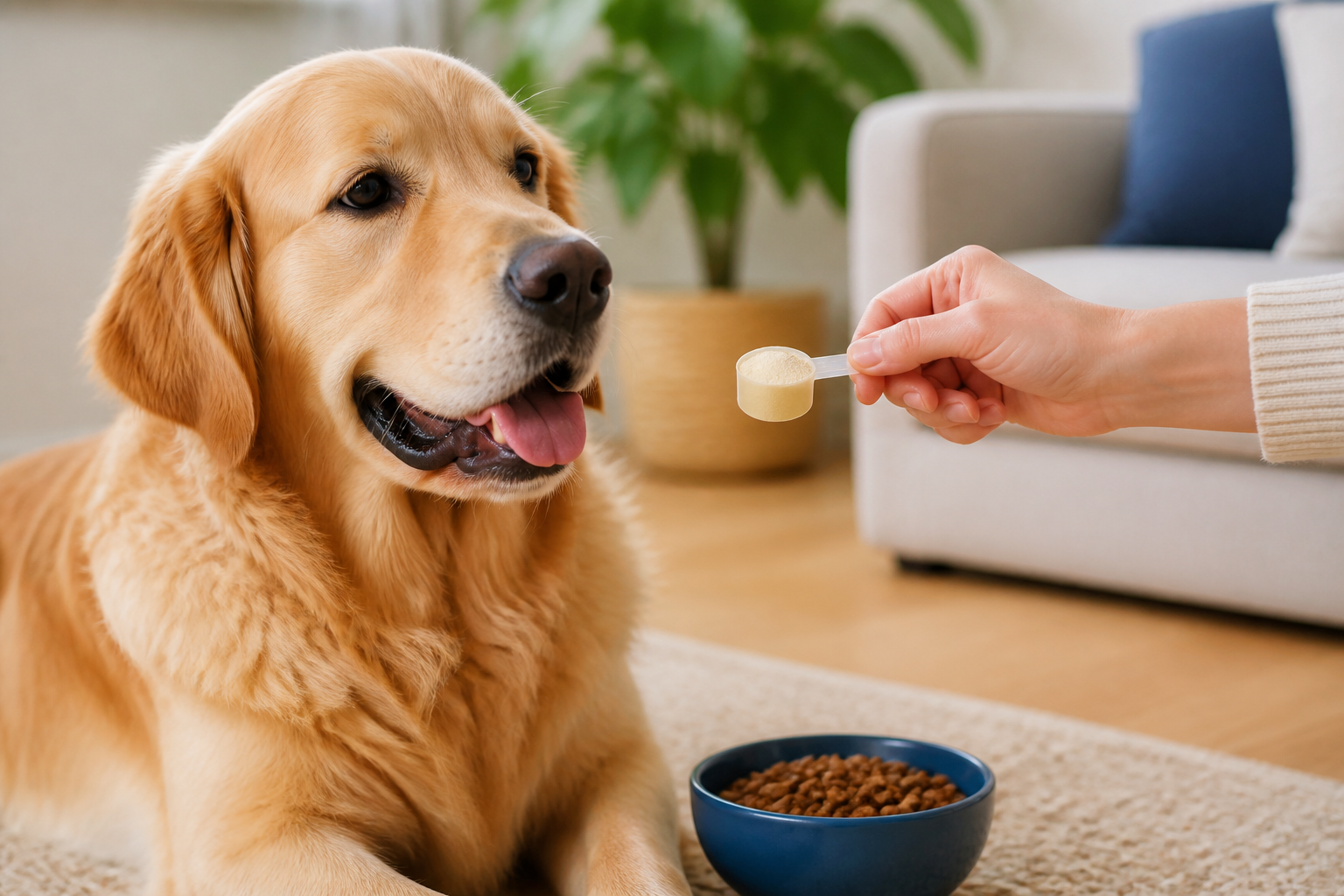
Powders are often the most stable and potent option. They are usually flavorless or have a light liver flavor that dogs enjoy. You simply sprinkle them over your dog's food. Brands like Purina FortiFlora or Fera Pets offer high-quality powders that are easy to dose.
Soft Chews
Chews are the most convenient option. They act like a treat, so most dogs take them willingly. However, you must ensure the brand uses a "cold-press" or "no-heat" method. High heat during the cooking process can kill the live bacteria. Zesty Paws and PetLab Co. are popular choices for chewable probiotics.
Capsules
Capsules are great for dogs with severe food sensitivities. They contain the active ingredients without the extra fillers or flavorings found in chews. You can give them whole or open them to sprinkle the powder onto food. Nutramax Proviable is a well-known capsule option, and you can find it among our probiotic supplements.
Pastes
Pastes are typically used for acute issues. If your dog has a sudden bout of diarrhea, a paste like VetriScience Fast Balance can provide a concentrated dose of probiotics and electrolytes to help them recover quickly.
Key Takeaway: Powders and capsules generally offer better stability for live bacteria, while chews and pastes provide convenience for daily treats or acute care.
How to Read a Supplement Label
Reading a supplement label can feel like reading a different language. To find the best dog prebiotics and probiotics, you need to know what the numbers mean.
CFU Count (Colony Forming Units)
CFU tells you how many live, active bacteria are in each serving. For most dogs, a range of 1 billion to 10 billion CFUs is the standard for daily maintenance. If your dog is dealing with a specific illness or is on antibiotics, your vet might recommend a higher dose.
Guaranteed Analysis at Expiration
Many companies guarantee the CFU count at the time of manufacture. However, bacteria die off over time. Look for brands that guarantee the live count through the expiration date. This ensures your dog is actually getting what is promised on the bottle.
Storage Requirements
Check if the product needs refrigeration. Some strains are more sensitive to room temperature than others. If a label says to refrigerate after opening, follow those instructions. Leaving a temperature-sensitive product on a warm counter will render it useless within days.
Bottom line: Always look for a specific CFU count and a list of identified bacterial strains to ensure you are buying a functional supplement.
When Your Dog Needs More Than a Supplement
Sometimes, a standard over-the-counter probiotic is not enough. If your dog has a chronic condition like Inflammatory Bowel Disease (IBD), kidney disease, or severe food allergies, they may need a prescription-strength approach.
Our pharmacy at BaxterBoo offers FDA-approved medications and prescription pet foods through our partnership with Pet's Choice. Brands like Royal Canin and Farmina Vet Life offer specialized diets that are formulated with specific prebiotic and probiotic profiles to manage medical conditions. If your dog’s digestive issues persist for more than a few days or are accompanied by vomiting and lethargy, you should seek veterinary care immediately.
Vet Tip: Chronic gut issues can be a sign of underlying health problems. Your veterinarian can prescribe specific medical-grade probiotics or prescription diets that we can fulfill through our pharmacy service with a valid prescription.
How to Introduce Probiotics to Your Dog
If your dog is not used to these supplements, introducing them too fast can actually cause more gas or a temporary upset stomach. It is best to take it slow.
Step 1: Start with a half dose. Give your dog half the recommended amount for the first three to five days.
Step 2: Observe their reaction. Look for any increase in gas, bloating, or changes in stool. A tiny bit of gas is normal as the gut bacteria adjust.
Step 3: Move to a full dose. If your dog is doing well after the first week, move up to the full daily amount recommended on the package.
Step 4: Stay consistent. Probiotics work best when given at the same time every day. This helps maintain a steady population of "good" bacteria in the gut.
Safety and Considerations
For the vast majority of dogs, probiotics are extremely safe. They are a natural way to support the body's existing systems. However, there are a few exceptions.
If your dog is severely immunocompromised or is undergoing chemotherapy, check with your vet before starting any bacterial supplement. In rare cases, a weakened immune system might struggle with the introduction of new bacteria.
Also, be careful with human probiotics. While some are safe, others contain artificial sweeteners like xylitol, which is highly toxic to dogs. Human supplements are also formulated for human gut strains, which may not be the most effective options for your dog's specific physiology. Stick to products formulated specifically for canines.
Quality Control and Trust
At BaxterBoo, we take product selection seriously. We don't just stock items because they are popular. We look for brands that have clinical research behind them and clear labeling. We carry over 500 trusted brands because we believe pet owners deserve a variety of high-quality choices at competitive prices.
Whether you are shopping online or visiting our warehouse superstore in Vernon Hills, Illinois, you can trust that the products we offer have been handpicked by people who care about pets. We have been operating since 2006, and our 4.9-star Google rating reflects our commitment to quality service and expert guidance.
Key Takeaway: Stick to dog-specific probiotics to avoid dangerous ingredients like xylitol and ensure the strains are appropriate for canine biology.
Summary of Best Practices
Finding the best dog prebiotics and probiotics involves looking at the specific needs of your pet. A puppy might need immune support during weaning, while a senior dog might need help with nutrient absorption and regularity.
- Look for identified strains like Enterococcus faecium.
- Ensure the product has at least 1 billion to 10 billion CFUs.
- Verify the product contains prebiotics like inulin or FOS.
- Start with a slow introduction to avoid gas.
- Consult a vet for chronic or severe issues.
Bottom line: Probiotics are a powerful tool for maintaining your dog's digestive health and immune system when used correctly and consistently.
Conclusion
Supporting your dog's gut health is one of the most proactive steps you can take for their long-term wellness. By choosing a high-quality supplement with the right strains and CFU counts, you can help manage gas, improve digestion, and support a strong immune system. We have seen firsthand how much of a difference the right gut support can make for dogs of all ages. If you need consistent supplies, our Autoship program is a great way to save on every order and ensure you never run out of your dog's essentials. You can also join the MVP Rewards program to earn money back on your purchases. For more specialized needs, remember to talk to your vet about our pharmacy services for prescription diets and medications.
FAQ
Can I give my dog human probiotics?
While some human probiotics are technically safe, they are not ideal because they are formulated for human gut flora. More importantly, some human supplements contain xylitol or other sweeteners that are toxic to dogs. It is always safer and more effective to use a product designed specifically for a dog's unique digestive system.
How long does it take for dog probiotics to work?
The timeline depends on what you are treating. For acute diarrhea, you might see improvements within one to three days. For chronic issues like skin allergies or anxiety, it can take four to six weeks of consistent daily use to see a noticeable difference in your dog's condition.
Can my dog take probiotics every day?
Yes, daily use is safe and often recommended for most healthy dogs. Continuous use helps maintain a balanced microbiome and keeps the immune system supported. If your dog has a compromised immune system, you should consult your veterinarian before starting a daily regimen.
Do probiotics help with my dog's bad breath?
Bad breath often starts in the gut or the mouth. If your dog's bad breath is caused by digestive issues or an imbalance of bacteria in the upper GI tract, a probiotic can help. However, if the smell is due to plaque or gum disease, you will need to look into dental care products or a professional cleaning.