Save 15% on your 1st Autoship learn more

 Email us
 Live Chat
 FAQs
FAQs





Introduction
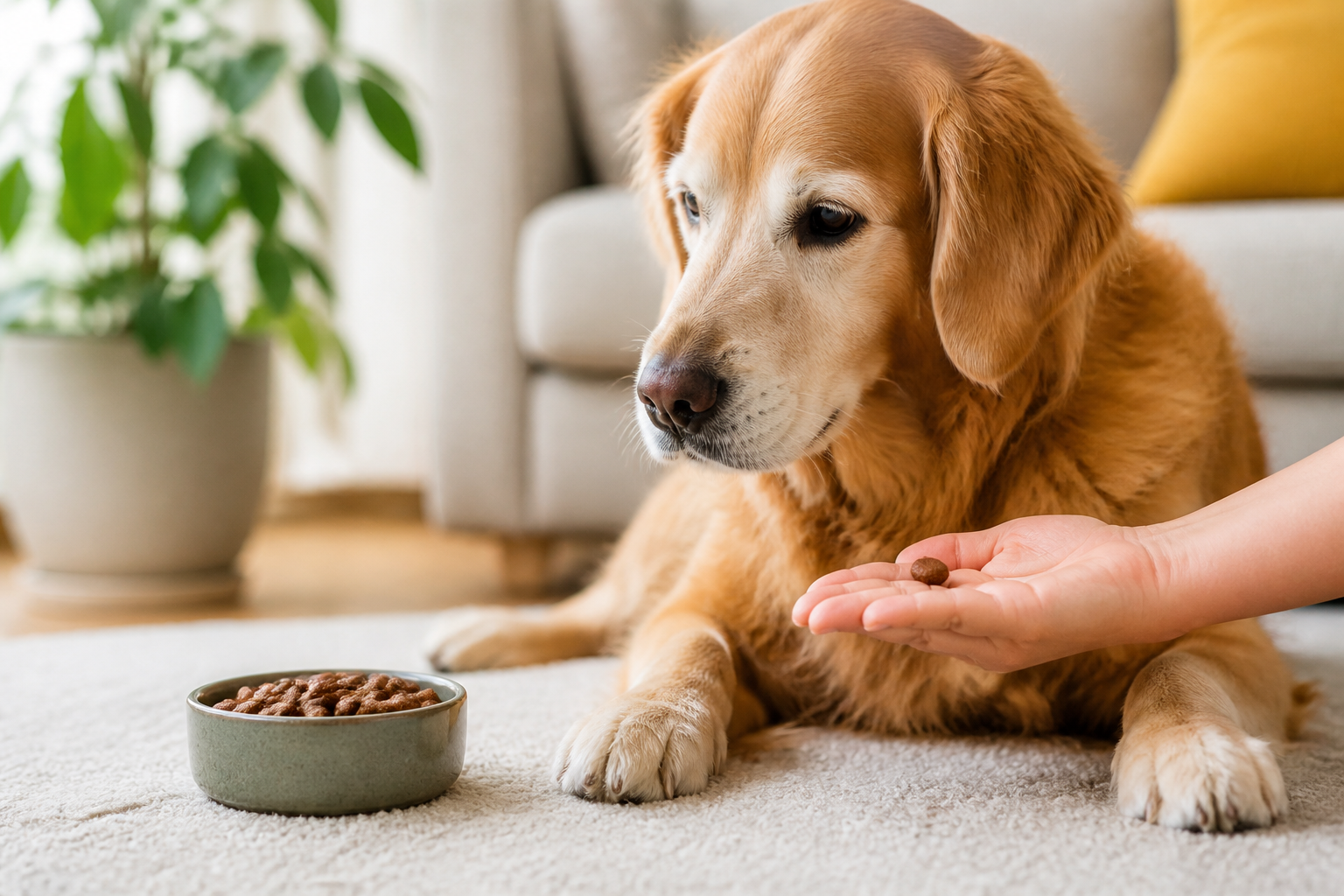
It usually starts a few days into a prescription for a skin infection or a stubborn UTI. You notice your dog is skipping meals, acting a bit sluggish, or dealing with a sudden bout of loose stools. At BaxterBoo, we talk to pet owners every day who are navigating the side effects of necessary medications. Antibiotics are life-saving tools for fighting bacterial infections, but they are not selective. They often clear out the beneficial bacteria in the gut alongside the harmful ones. This disruption can leave your dog’s digestive system out of balance long after the infection is gone. Using dog probiotics for antibiotics can help bridge this gap. This guide covers how to choose the right strains, why timing matters, and how to support your pet’s recovery through our dog digestive health collection and curated supplements.
Understanding Antibiotics and the Canine Microbiome
The canine gut is a complex ecosystem known as the microbiome. It contains trillions of microscopic organisms that handle everything from digesting nutrients to supporting the immune system. In fact, about 70 percent of a dog’s immune system resides in the digestive tract. When a veterinarian prescribes an antibiotic like amoxicillin, cephalexin, or metronidazole, the goal is to kill specific harmful bacteria.
The challenge is that these drugs cannot distinguish between a pathogen and the helpful bacteria that keep your dog healthy. This collateral damage leads to a state called dysbiosis. When the microbiome is thinned out, your dog may experience gas, bloating, and diarrhea. In some cases, the gut may take weeks or even months to return to its baseline state without proper support.
Vet Tip: Always complete the full course of antibiotics prescribed by your veterinarian. Stopping early because your dog has diarrhea can lead to antibiotic resistance and a return of the original infection.
Why Probiotics Are Essential During Treatment
Probiotics are live, beneficial microorganisms that can be introduced to the gut through food or supplements. When your dog is on a course of medication, these "good bugs" act as a temporary workforce. They help maintain the intestinal barrier and keep opportunistic, harmful bacteria from taking over the empty space left behind by the antibiotic.
Research suggests that starting a probiotic early in the treatment process can significantly reduce the risk of antibiotic-associated diarrhea. It helps keep the stool firm and ensures the digestive tract continues to absorb nutrients effectively while the body fights the infection.
Key Takeaway: Probiotics do not replace the natural microbiome but rather support it by crowding out harmful bacteria and maintaining gut acidity during a course of medication.
Choosing the Right Probiotic Strains for Your Dog
Not all probiotics are created equal. Different strains of bacteria and yeast perform different roles in the canine body. When you are looking at labels for dog probiotics for antibiotics, certain names carry more weight in clinical research.
- Saccharomyces boulardii: This is actually a tropical yeast rather than a bacterium. Because it is a yeast, it is naturally resistant to antibiotics. This makes it one of the most effective options to give while your dog is still taking their medication.
- Enterococcus faecium: This strain is highly resilient and helps inhibit the growth of harmful bacteria like E. coli and Salmonella. It is frequently used in shelter settings to manage stress-related digestive upset.
- Bifidobacterium animalis: Studies have shown this strain can significantly shorten the duration of acute diarrhea in dogs.
- Lactobacillus acidophilus: This is a classic probiotic that supports general gut health and helps the body produce lactic acid, which keeps the gut environment unfriendly to pathogens.
Probiotic Strain Comparison for Antibiotic Support
| Strain Name | Type | Best Used For |
|---|---|---|
| S. boulardii | Yeast | Use during the antibiotic course; resists drug effects |
| E. faecium | Bacteria | Firming loose stools and general gut resilience |
| B. animalis | Bacteria | Reducing the duration of diarrhea |
| L. acidophilus | Bacteria | Long-term microbiome maintenance after treatment |
The Timing Rule: How to Administer Supplements
A common mistake is giving the probiotic at the exact same time as the antibiotic. If you give them together, the antibiotic will likely kill a large portion of the beneficial bacteria in the supplement before they can reach the colon. This makes the probiotic much less effective.
To get the most value, follow the two-hour rule. You want to space the doses out so the antibiotic has passed through the upper digestive tract before the probiotic arrives.
Step 1: Administer the antibiotic dose. Most veterinarians recommend giving these with a meal to prevent nausea.
Step 2: Wait at least two hours. This allows the medication to begin absorption without immediately encountering the new beneficial bacteria.
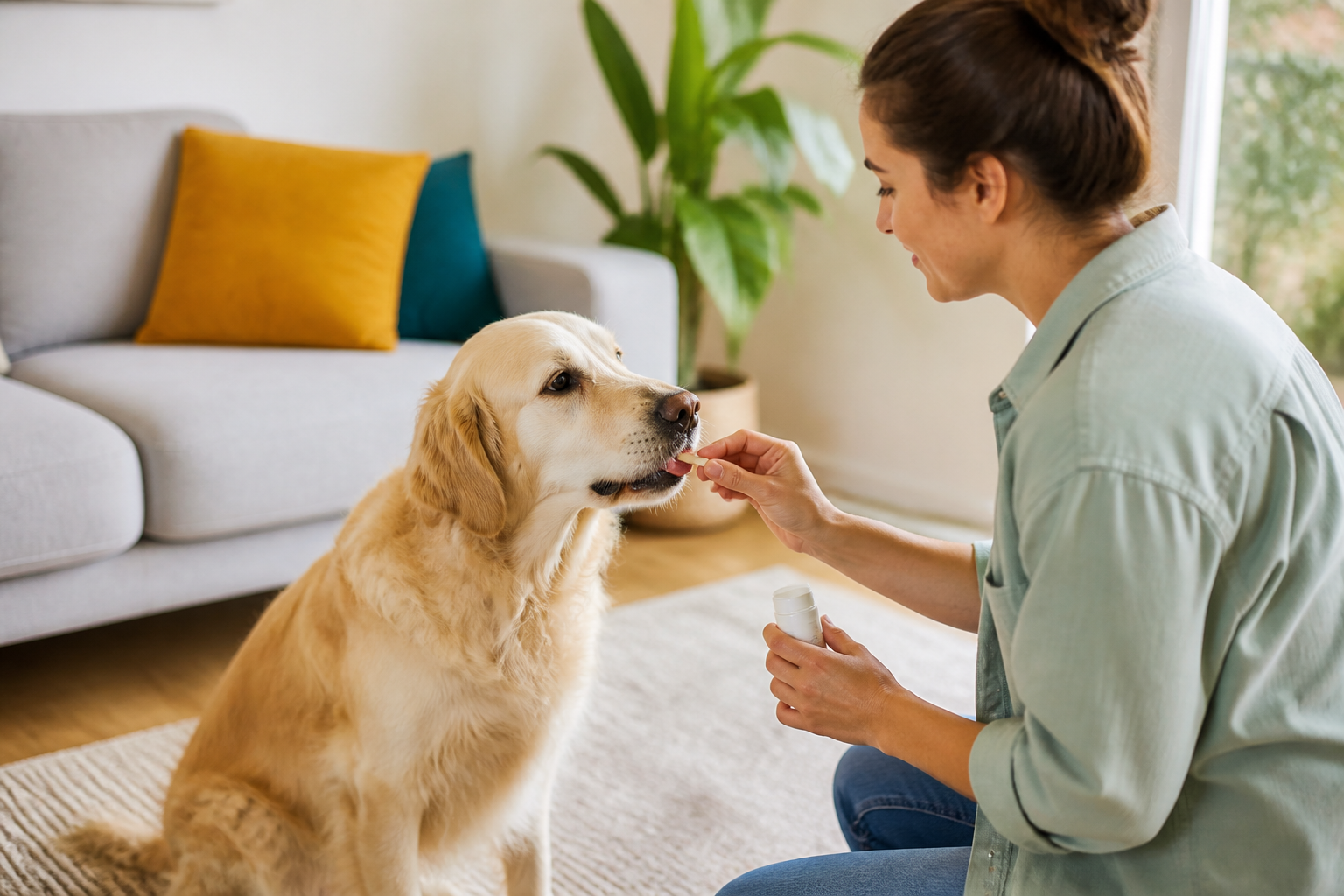
Step 3: Give the probiotic supplement. You can hide a capsule in a bit of wet food or sprinkle a powder over a small snack.
Step 4: Continue this rhythm daily. Consistency is key to keeping the gut populated throughout the entire prescription.
Supporting Long-Term Recovery After the Prescription
The work does not end when the pill bottle is empty. Research indicates that the effects of certain antibiotics, particularly metronidazole, can persist in the gut for up to four weeks after the final dose. Some senior dogs or puppies with less established microbiomes may take even longer to recover.
We generally recommend continuing a high-quality probiotic for at least 30 days after the last antibiotic pill. This gives the native bacterial populations a chance to grow back to healthy levels while the supplement provides a protective buffer. If your dog has a history of sensitive stomach issues, you might even consider a permanent daily probiotic to maintain a strong immune foundation.
Note: If your dog's diarrhea contains blood, is accompanied by vomiting, or persists for more than 48 hours after finishing the medication, consult your veterinarian immediately.
The Role of Prebiotics and Fiber
Probiotics are living creatures, and they need food to survive and colonize the gut. This is where prebiotics come in. Prebiotics are types of indigestible fiber that serve as a fuel source for beneficial bacteria. When you see ingredients like inulin, chicory root, or fructooligosaccharides (FOS) on a label, those are prebiotics.
Pairing a probiotic with a prebiotic is often called a synbiotic. This combination ensures that the "good bugs" you are introducing have a lunch box packed and ready when they reach the intestines. This makes them much more likely to thrive and provide the support your dog needs.
Common prebiotic sources for dogs include:
- Pumpkin puree (plain, not pie filling)
- Ground flaxseed
- Slippery elm bark
- Chicory root extract
Prescription Diets and the BaxterBoo Pharmacy
In cases of severe digestive upset or chronic health conditions, a standard over-the-counter probiotic might not be enough. Some dogs require prescription-strength diets or specific medications to manage the inflammation caused by a depleted microbiome.
Through our partnership with Pet's Choice, the BaxterBoo pharmacy offers a streamlined way to get FDA-approved medications and prescription pet foods delivered to your door. We carry brands like Farmina Vet Life and Royal Canin that formulate specific diets for gastrointestinal recovery. If your veterinarian determines that your dog needs a prescription-strength solution or a medicated digestive aid, we can help fulfill that order directly. This hybrid model allows us to provide both the daily wellness supplements you want and the clinical care your dog needs through our dog pharmacy.
Quick Answer: Yes, you can give your dog probiotics while they are on antibiotics. Just ensure you wait at least two hours between the antibiotic dose and the probiotic supplement to prevent the medication from killing the beneficial bacteria.
Signs the Probiotic Is Working
When you start a supplement for a dog on antibiotics, you should look for specific physical improvements. The most obvious sign is the consistency of the stool. It should gradually move from watery or soft to firm and formed.
Other positive signs include:
- A return of a healthy appetite
- Decreased gas and flatulence
- Less gurgling in the stomach (borborygmus)
- Better energy levels and less lethargy
- No more straining or urgency when going outside
If you do not see these changes within a week of starting support, it may be time to discuss a different strain or a more intensive gut health plan with your vet. For additional guidance, read about the causes of diarrhea in dogs.
Managing the Whole Dog During Treatment
Gut health is a primary concern, but supporting your dog through a course of antibiotics involves a few other practical steps. When the microbiome is stressed, the whole body can feel a bit off.
First, focus on hydration. Diarrhea can lead to dehydration quickly, especially in smaller dogs or seniors. Ensure fresh water is always available. You can even add a bit of low-sodium bone broth to their bowl to encourage more drinking.
Second, consider a bland diet for a few days. If the gut is highly sensitive, a mix of boiled chicken breast and white rice can be easier to process than heavy kibble. This gives the digestive system a "rest" while the probiotics do their job. Once the stool is firm, you can slowly transition back to their regular food over three to five days.
Finally, keep a close eye on their skin and ears. Occasionally, a course of antibiotics can lead to a yeast overgrowth because the bacteria that normally keep yeast in check have been killed off. If you notice a "corn chip" smell or excessive scratching, the gut imbalance may be manifesting as a skin issue.
Summary of Best Practices
Using dog probiotics for antibiotics is one of the most effective ways to prevent side effects and speed up recovery. By selecting the right strains like S. boulardii and following the two-hour dosing rule, you can protect your dog’s digestive health without interfering with their necessary medication.
Key Takeaway: Success with probiotics during antibiotic treatment depends on timing and duration. Start during the course, space the doses by two hours, and continue for at least a month after the last pill.
- Use a yeast-based probiotic during the active antibiotic course.
- Always wait two hours between the medication and the supplement.
- Include prebiotics like pumpkin or inulin to feed the beneficial bacteria.
- Monitor stool quality and appetite as indicators of recovery.
- Talk to your vet about prescription diets if symptoms are severe.
Conclusion
Managing a pet's health often requires a balancing act between treating an infection and maintaining overall wellness. Antibiotics are necessary tools, but they don't have to result in weeks of digestive distress. By incorporating dog probiotics for antibiotics into your routine, you are giving your pet the best chance at a quick and comfortable recovery. At BaxterBoo, we are committed to providing the expert-curated supplements and pharmacy access you need to keep your dog feeling their best. Whether you need a daily wellness chew or a prescription diet through our Pet's Choice partnership, we are here to support every step of your dog's journey back to health. Consider setting up an Autoship order for your favorite probiotics to ensure you never run out when your dog needs support the most.
FAQ
Can I give my dog human probiotics while they are on antibiotics?
While some strains are similar, it is best to use a product specifically formulated for dogs. Canine digestive tracts have different pH levels and unique bacterial needs, so a pet-specific supplement like those from Zesty Paws or Honest Paws will be more effective. Some human probiotics also contain xylitol, which is highly toxic to dogs.
How soon after starting antibiotics should I start the probiotic?
You can start the probiotic the very same day your dog begins their antibiotic course. The earlier you introduce beneficial bacteria and yeast, the better they can protect the gut from the initial "wipeout" caused by the medication. Just remember to maintain the two-hour gap between the two doses.
What happens if I forget to space the probiotic and antibiotic?
If you accidentally give them at the same time, don't worry. It won't hurt your dog, but the antibiotic will likely kill off many of the beneficial microbes in that specific probiotic dose, making it less effective. Simply resume the two-hour spacing with the next dose to get back on track.
Is it normal for my dog to still have soft stool even with a probiotic?
Probiotics are a supportive tool, not a total cure for antibiotic side effects. While they often help significantly, some very strong antibiotics may still cause soft stool. If the diarrhea is severe, liquid, or contains blood, you should contact your veterinarian to discuss additional medications or a change in treatment.