Save 15% on your 1st Autoship learn more

 Email us
 Live Chat
 FAQs
FAQs





Introduction
If you have ever spent a morning cleaning up a surprise mess on the living room rug, you know the sinking feeling of a dog with an upset stomach. Whether it is a sudden bout of loose stools after a weekend of boarding or chronic gas that clears the room, digestive issues are one of the most common reasons pet parents visit us at the warehouse. While a bland diet often helps in the short term, many owners are turning to otc dog probiotics to support long-term gut health. These supplements introduce beneficial bacteria into the digestive tract to help balance the microbiome and strengthen the immune system. We will walk you through how these supplements work, which strains matter most, and how to choose a high-quality option for your dog. Understanding the science behind gut health can help you make the best decision for your pet's wellness.
Quick Answer: OTC dog probiotics are supplements containing live, beneficial bacteria that support a healthy gut microbiome. They are commonly used to manage diarrhea, gas, and digestive upset caused by stress, diet changes, or antibiotic use.
Understanding the Canine Microbiome
The canine digestive system is home to trillions of microorganisms, including bacteria, fungi, and viruses. This complex ecosystem is known as the microbiome. When your dog is healthy, these "good" and "bad" microbes live in a delicate balance. The beneficial bacteria do much more than just help with digestion. They produce essential vitamins, assist in nutrient absorption, and act as the first line of defense against harmful pathogens.
A significant portion of your dog's immune system is actually located in the gut. This means that a healthy microbiome is linked to more than just solid poop. It influences skin health, energy levels, and even mood. When the balance is disrupted, a state called dysbiosis occurs. This is when the harmful bacteria begin to outnumber the beneficial ones, leading to visible symptoms like bloating, cramping, or diarrhea.
Common Triggers for Gut Imbalance
Many everyday events can throw a dog's gut out of whack. Identifying these triggers can help you decide when it is time to start a probiotic regimen.
- Antibiotic Treatment: While antibiotics are necessary to kill infections, they do not distinguish between good and bad bacteria. They often wipe out the beneficial gut flora, leading to "antibiotic-associated diarrhea."
- Dietary Indiscretion: We have all seen it. A dog eats something they shouldn't in the backyard or gets too many table scraps. This sudden influx of new proteins or fats can cause a bacterial bloom that upsets the stomach.
- Stress and Anxiety: Moving to a new house, traveling, or staying at a kennel can cause physical stress. This stress changes the environment of the gut, making it less hospitable to good bacteria.
- Aging: As dogs get older, their digestive systems can become less efficient. The natural diversity of their microbiome may decrease, making them more prone to sensitivities.
Key Takeaway: The gut microbiome is a complex living system that influences your dog's digestion and immune function. Keeping it balanced is essential for preventing common gastrointestinal issues.
How OTC Dog Probiotics Support Wellness
Probiotics work by colonizing the intestinal tract with specific strains of healthy bacteria. They do not just take up space. They actively compete with harmful bacteria for resources and attachment sites on the intestinal wall. By crowded out the "bad guys," they help restore a peaceful environment in the gut.
Beyond competition, probiotics also produce short-chain fatty acids. These acids lower the pH level in the intestines, creating an environment that inhibits the growth of pathogens like E. coli or Salmonella. They also help strengthen the intestinal barrier, often called the "tight junctions," which prevents harmful substances from leaking into the bloodstream.
Benefits Beyond the Bathroom
While most people think of probiotics for diarrhea, their impact is much broader. Research suggests that certain strains can help manage seasonal allergies by modulating the immune response. If your dog has itchy skin or chronic ear infections, a gut-health supplement might be a helpful addition to their routine.
There is also emerging research into the "gut-brain axis." Some probiotic strains, specifically Bifidobacterium longum, have shown promise in helping dogs maintain a calmer demeanor during stressful events. By supporting the gut, you are essentially supporting the whole dog.
Vet Tip: If your dog has a weakened immune system or is undergoing chemotherapy, always consult your veterinarian before starting a probiotic. In rare cases, introducing live bacteria to a severely immunocompromised animal can lead to complications.
Essential Probiotic Strains to Look For
Not all bacteria are created equal. When you look at a label for otc dog probiotics, you will see long, scientific names. Each of these strains has a specific job. A high-quality supplement usually contains a blend of several strains to provide broad-spectrum support.
Enterococcus Faecium (Strain SF68)
This is one of the most well-researched strains for dogs. It is particularly effective at improving stool quality and shortening the duration of diarrhea. It is a hardy strain that can survive the acidic environment of the stomach to reach the intestines where it is needed.
Lactobacillus Acidophilus
Commonly found in many human supplements, this strain is also highly beneficial for dogs. It supports the immune system and helps maintain a healthy balance of flora in the small intestine. It is often used to reduce gas and bloating.
Bifidobacterium Animalis
This strain is a powerhouse for managing acute digestive upset. Studies have shown it can significantly reduce the time it takes for a dog to recover from diarrhea. It is also helpful for maintaining general regularity in dogs with sensitive stomachs.
Bacillus Coagulans
This is a spore-forming bacterium. Because it forms a protective spore, it is incredibly shelf-stable and resistant to heat and stomach acid. It is excellent for supporting the intestinal lining and promoting a healthy inflammatory response in the gut.
Understanding CFUs and Potency
When comparing products, you will notice a number followed by CFUs, or Colony Forming Units. This represents the number of live, active bacteria in each serving. You might see numbers ranging from 100 million to 20 billion.
It is a common mistake to assume that the highest number is always the best. The effective dose depends on the strain and the reason for use. For daily maintenance in a healthy dog, a lower CFU count (around 1 to 3 billion) may be perfectly adequate. For a dog recovering from heavy antibiotics or chronic GI issues, a higher potency might be recommended by your vet.
Bottom line: Focus on the specific strains listed rather than just the highest CFU number. Quality and stability matter more than sheer quantity.
Different Forms of Dog Probiotics
Choosing the right format is about more than just convenience. It is about making sure your dog actually takes the supplement consistently. At BaxterBoo, we find that different dogs have very different preferences when it comes to their "vitamins."
Probiotic Powders
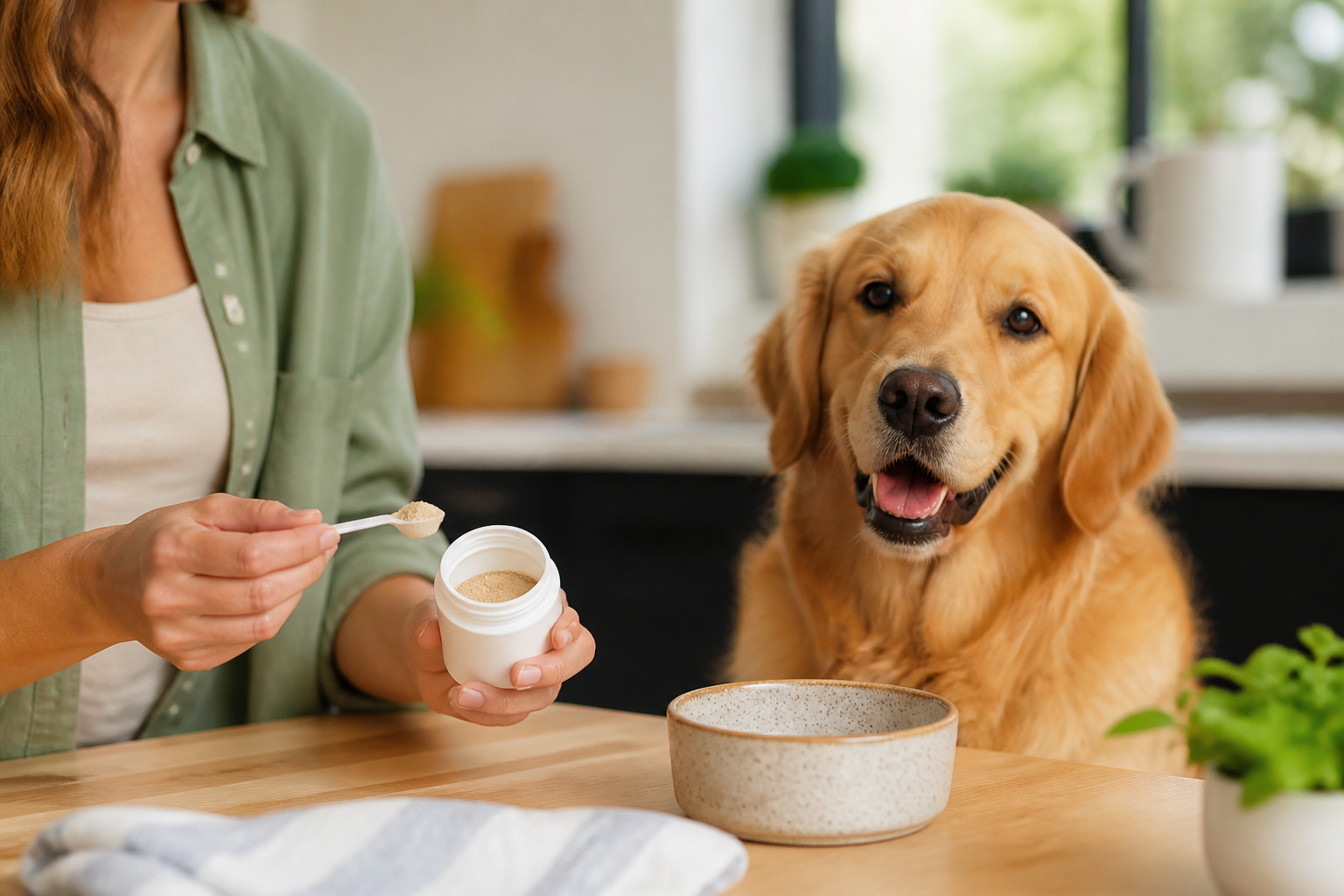
Powders are often the most cost-effective and potent option. They can be sprinkled directly onto dry kibble or mixed into a little wet food. Many powders, like Purina FortiFlora, are flavored with animal digest or liver to make them highly palatable. For picky eaters, a flavored powder can act as a meal topper that encourages them to eat.
Soft Chews and Treats
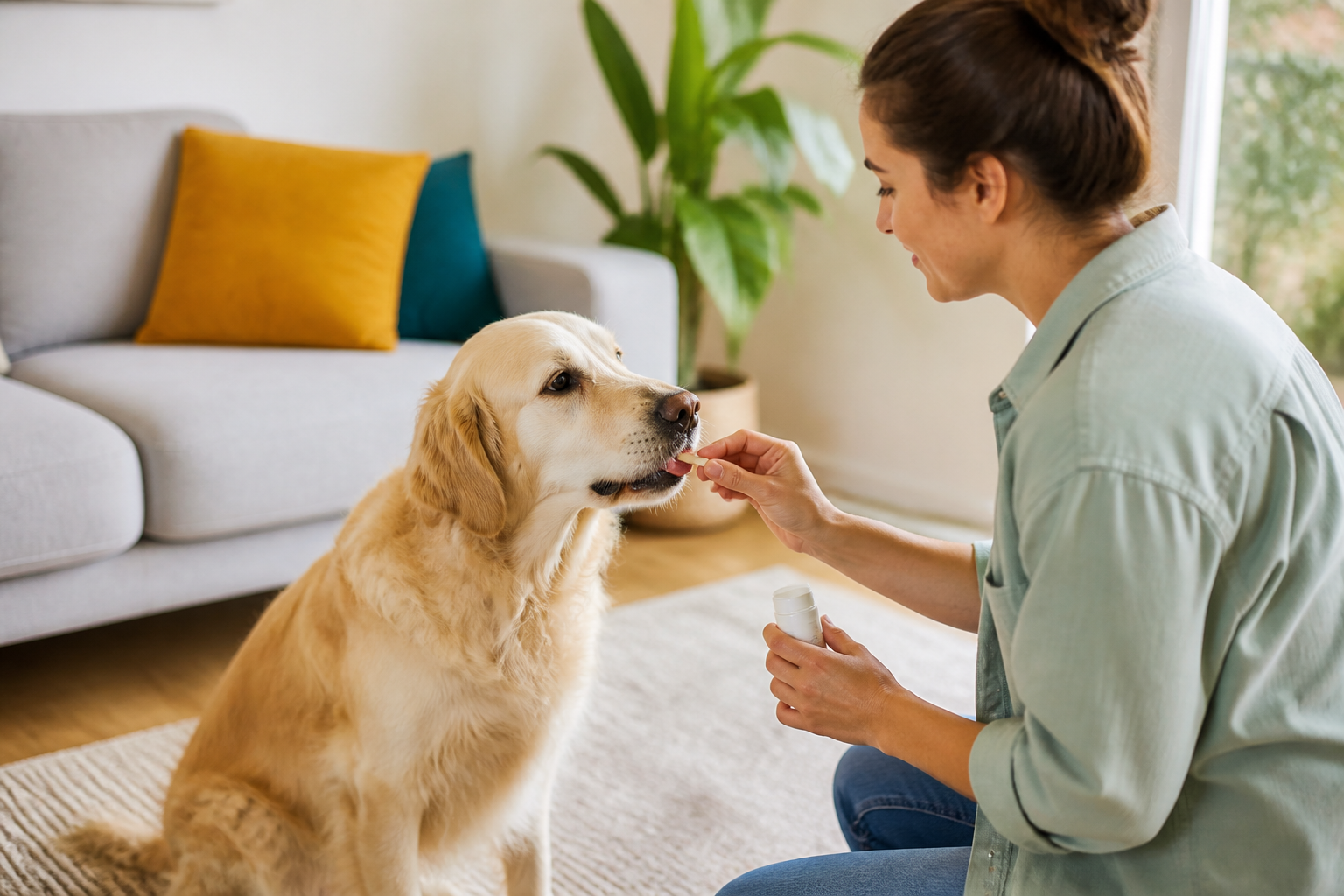
Chews are excellent for dogs who view every supplement as a treat. Brands like Zesty Paws offer probiotic bites that include fiber-rich ingredients like pumpkin. These are easy to dose and require no measuring. However, because chews are processed with heat and moisture, you must ensure the manufacturer uses a "cold-press" or stabilized process to keep the bacteria alive.
Capsules and Tablets
Capsules offer the most protection for the bacteria. They keep the live cultures away from light and air until they are swallowed. You can give them whole hidden in a pill pocket, or open them up and sprinkle the contents on food. This is often the best choice for dogs with severe food allergies, as capsules tend to have fewer additives and flavorings than chews.
For a capsule-based option, AnimalBiome DoggyBiome Gut Restore Supplement is available for dogs needing digestive support.
Pastes and Gels
Probiotic pastes usually come in a dial-a-dose syringe. These are designed for acute situations, such as a sudden onset of "the runs." The paste adheres to the tongue or roof of the mouth, making it hard for the dog to spit out. They often contain additional ingredients like kaolin or pectin to help firm up the stool quickly.
Identifying Quality in OTC Supplements
The supplement industry is not regulated as strictly as prescription medications. This means the burden of quality control is on the manufacturer. To ensure you are getting what you pay for, look for these trust signals.
- NASC Quality Seal: The National Animal Supplement Council is a non-profit that audits companies for quality, labeling, and manufacturing standards. A product with this seal has undergone rigorous testing.
- Guaranteed Analysis: Look for a label that guarantees the CFU count at the "time of expiration," not just at the "time of manufacture." Bacteria die off over time, so you want to know the product is still potent when you buy it.
- Third-Party Testing: Reputable brands like Nutramax or Purina often participate in independent studies to prove their products actually contain the strains listed on the label.
Key Takeaway: Always check for the NASC seal and an expiration-date potency guarantee to ensure your dog is receiving live, functional bacteria.
For additional guidance on comparing supplements, read our pet supplement guide.
Prebiotics vs. Probiotics
You will often see these two terms used together. While they sound similar, they serve different functions. Think of the probiotic as the "seed" and the prebiotic as the "fertilizer."
Prebiotics are non-digestible fibers that feed the beneficial bacteria already living in your dog's gut. Common prebiotics include inulin, chicory root, and fructooligosaccharides (FOS). When a supplement contains both prebiotics and probiotics, it is called a "synbiotic." This combination ensures the new bacteria have a food source the moment they arrive in the digestive tract.
Natural Sources of Prebiotics
- Pumpkin: Rich in soluble fiber that feeds good bacteria.
- Apples: Contains pectin, which supports a healthy gut lining.
- Flaxseed: Provides fiber and healthy fats.
How to Introduce a Probiotic Safely
When you start a new supplement, it is tempting to jump in with a full dose. However, adding a large amount of new bacteria to the gut can sometimes cause temporary gas or bloating as the microbiome shifts.
Step 1: Start with a half-dose. / Give your dog a smaller amount for the first three to five days to let their system adjust.
Step 2: Monitor stool consistency. / Watch for any changes in frequency or firmness. A slight increase in gas is normal during the first week.
Step 3: Gradually increase to the full dose. / Once your dog is stable, move to the recommended daily amount based on their weight.
Step 4: Maintain consistency. / Probiotics work best when given at the same time every day to maintain a steady population of bacteria.
For more context about fiber, food, and loose stools, see this guide to dry food and diarrhea in dogs.
When to Move from OTC to the Pharmacy
While otc dog probiotics are wonderful for general wellness and minor upsets, they are not a cure-all. Some conditions require a more clinical approach. If your dog has chronic inflammatory bowel disease (IBD), severe allergies, or recurring infections, they may need prescription-strength support.
Our pet pharmacy offers FDA-approved medications and prescription pet foods through our partnership with Pet's Choice. Prescription diets, such as those from Farmina Vet Life or Royal Canin, are specifically formulated with therapeutic levels of nutrients and specialized probiotics that are only available with a veterinarian's authorization. If your dog's symptoms persist for more than 48 hours despite using over-the-counter support, it is time to consult your vet.
Vet Tip: Persistent diarrhea can lead to dehydration and electrolyte imbalances, especially in puppies and senior dogs. If your dog is lethargic, has bloody stool, or is vomiting, skip the supplements and head to the vet immediately.
Common Myths About Dog Probiotics
There is a lot of misinformation online about how to manage a dog's gut health. Let's clear up a few common misconceptions.
"I can just give my dog human yogurt."
While plain, unsweetened yogurt contains live cultures, it may not be the best choice. Many dogs are lactose intolerant, and the dairy can actually make diarrhea worse. Furthermore, human yogurt strains are designed for human digestive systems, not the shorter, more acidic canine GI tract.
"Probiotics work instantly."
While a probiotic paste might help firm up stools in a day or two, colonizing the gut for long-term health takes time. For issues like skin health or immune support, you may need to give the supplement consistently for four to six weeks before seeing a noticeable difference.
"All probiotics need to be refrigerated."
Modern manufacturing has created many "shelf-stable" probiotics. These use technologies like micro-encapsulation to protect the bacteria from room-temperature environments. However, you should still keep them in a cool, dry place away from direct sunlight.
Conclusion
Supporting your dog's digestive health with otc dog probiotics is a proactive way to manage their overall wellness. By choosing a product with proven strains like Enterococcus faecium and checking for quality markers like the NASC seal, you can help your dog navigate the stresses of everyday life with a settled stomach. Whether you prefer a tasty chew or a convenient powder, consistency is the key to seeing results.
- Select a supplement with at least 1 to 3 billion CFUs for daily support.
- Look for a blend of multiple strains to cover different aspects of gut health.
- Start with a slow transition to avoid minor gas or bloating.
- Consult your veterinarian for any persistent or severe digestive symptoms.
Bottom line: A healthy gut is the foundation of a healthy dog, and a quality probiotic is one of the simplest tools we have to support that balance.
If your dog needs more specialized care, remember that our pharmacy is available for prescription diets and medications through our Pet's Choice partnership. For everyday support, explore our dog probiotic collection to find the perfect fit for your pet.
FAQ
Can I give my dog probiotics every day?
Yes, daily use is safe and often recommended for most healthy dogs. Routine supplementation helps maintain a stable population of beneficial bacteria, which is especially helpful for dogs with sensitive stomachs or those prone to stress-related digestive upset.
How long does it take for dog probiotics to start working?
The timeline depends on the issue you are treating. For acute diarrhea, you might see improvements in 24 to 48 hours. For chronic issues like skin health or immune support, it typically takes four to six weeks of consistent daily use to see significant results.
Are there side effects to giving my dog probiotics?
Most dogs tolerate probiotics very well, but some may experience temporary gas, bloating, or a minor change in stool consistency when first starting. These symptoms usually resolve within a few days as the gut microbiome adjusts to the new bacteria.
Can my dog take probiotics while on antibiotics?
Yes, and many veterinarians actually recommend it. Antibiotics can kill off the good bacteria in the gut, so giving a probiotic can help prevent antibiotic-associated diarrhea. It is usually best to give the probiotic a few hours before or after the antibiotic dose rather than at the exact same time.