
 Save 15% on your 1st Autoship learn more

 Email us
 Live Chat
 FAQs






Introduction
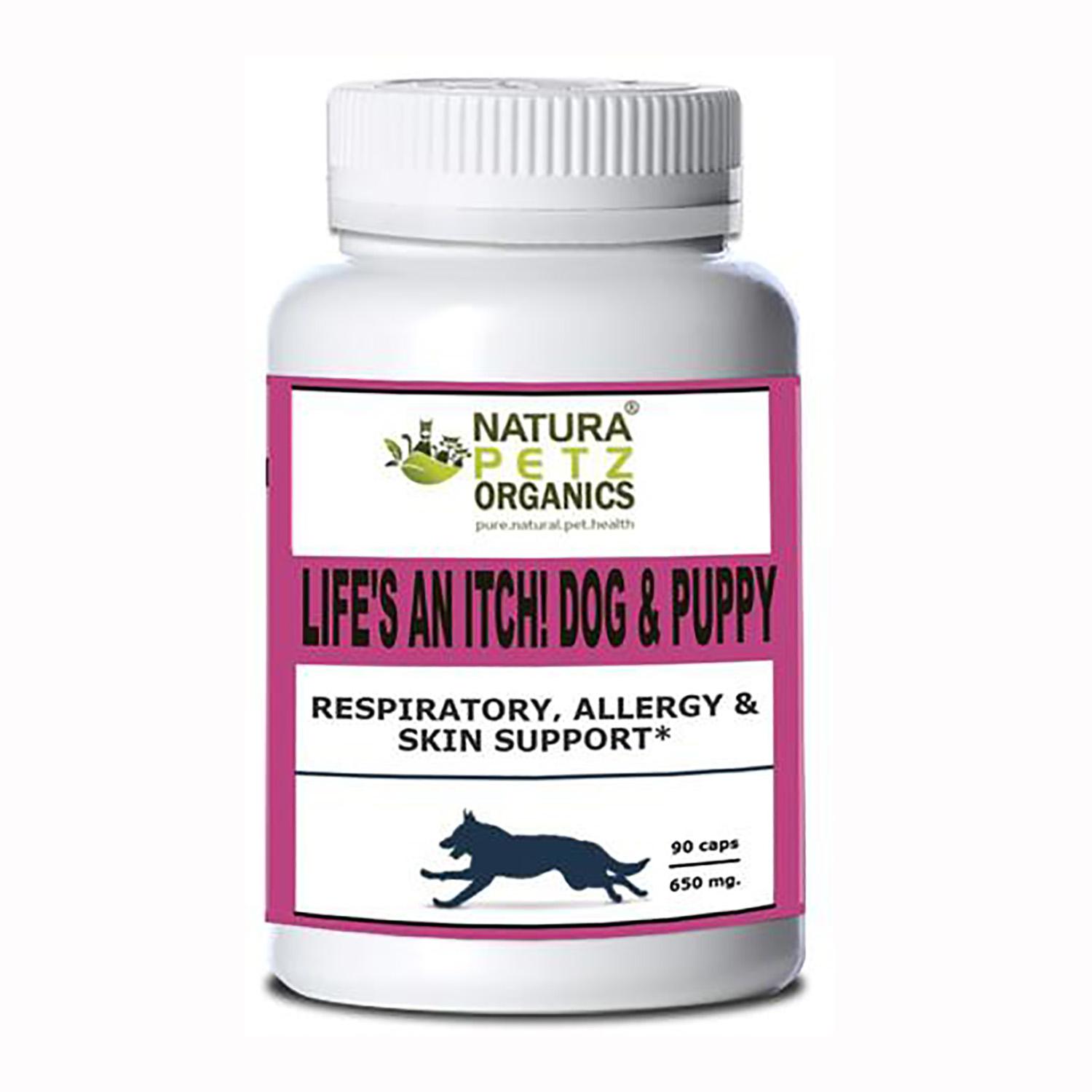
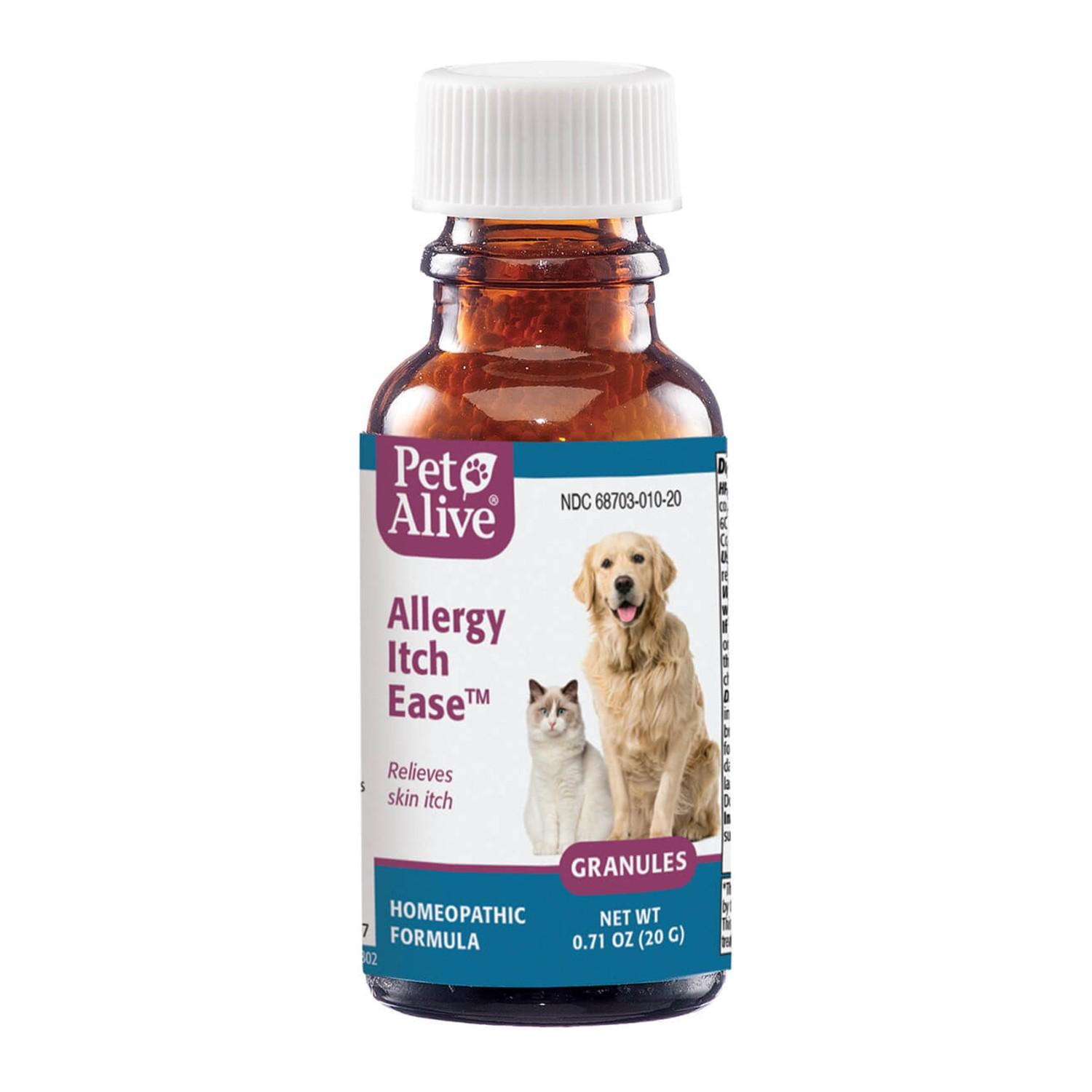
You are likely familiar with the sound of a dog scratching in the middle of the night. The persistent thumping of a paw against the floor or the wet sound of constant licking can keep everyone awake. When your dog suffers from red, itchy skin or chronic ear infections, you want a solution that actually works. Many pet owners are turning to the gut to solve skin problems. At BaxterBoo, we have spent years helping pet parents navigate the overwhelming world of supplements. This guide covers how specific bacterial strains can support your dog's immune system and which products offer the most value. We will explore the science behind the gut-skin axis and how to choose a probiotic that makes a real difference.
Quick Answer: The best probiotics for dog allergies contain specific, research-backed strains like Lactobacillus rhamnosus GG and Bifidobacterium animalis. These beneficial bacteria help regulate the immune system's response to allergens, potentially reducing itching and skin redness.
The Connection Between Gut Health and Itchy Skin
It might seem strange to give your dog a digestive supplement for a skin problem. However, the gut and the skin are deeply connected through the immune system. Roughly 70 percent of a dog's immune system resides in the gastrointestinal tract. This network of immune cells is constantly communicating with the bacteria living in the gut.
When the gut microbiome is balanced, the immune system tends to stay calm. When the microbiome is out of balance, the immune system can become overreactive. This overreaction often manifests as allergies. Your dog might react to pollen, dust mites, or certain food proteins. By stabilizing the gut, you are essentially training the immune system to stop overreacting to the environment.
For additional context on how diet, probiotics, and skin sensitivities can overlap, read our guide to sensitive skin dog food recommendations.
Dog Allergy Support









Understanding the "Kitchen Sink" Problem in Supplements
The pet supplement market is crowded with colorful jars and big promises. Many products are marketed as "all-in-one" allergy chews. These often contain a dozen different ingredients like colostrum, turmeric, apple cider vinegar, and probiotics. While these ingredients sound great on a label, they are often included in tiny amounts.
This is known as the "kitchen sink" approach. A manufacturer puts a small pinch of everything into a chew so they can list it on the packaging. Often, these levels are far below what is needed to produce a biological change in your dog. To help your dog, you need specific strains at therapeutic doses.
Key Takeaway: Quality is more important than the number of ingredients. A dedicated probiotic with a high concentration of the right bacteria is usually more effective than a multi-functional chew with trace amounts of many things.
Identifying the Best Probiotic Strains for Allergies
Not all bacteria are created equal. If you buy a generic probiotic, it might help with a temporary upset stomach but do nothing for allergies. You want to look for specific strains that have been studied for their impact on the canine immune system. You can browse our dog probiotic selection when comparing available formats and formulas.
Lactobacillus rhamnosus GG
This is one of the most researched strains in both humans and pets. Studies suggest that when given to puppies or pregnant mothers, it may reduce the likelihood of developing allergies later in life. For adult dogs, it helps strengthen the intestinal barrier. This prevents allergens from crossing into the bloodstream and triggering an immune response.
Bifidobacterium animalis
This strain is excellent for general immune support. It has been shown to reduce the time it takes for dogs to recover from digestive upset. More importantly for allergy sufferers, it helps modulate the inflammatory response. This can lead to less redness and swelling in the skin.
Lactobacillus acidophilus
This is a staple in many high-quality dog probiotics. It helps maintain the acidity of the gut. This creates an environment where "good" bacteria thrive and "bad" bacteria cannot take hold. It is a foundational strain for any dog with a sensitive system.
Enterococcus faecium
While often used for acute diarrhea, this strain is a powerhouse for immune health. It is highly resilient and can survive the harsh journey through a dog's stomach acid. We often see this strain in veterinary-exclusive formulas because of its reliability.
Vet Tip: If your dog has a known food allergy, always check the inactive ingredients in a probiotic. Many chews use chicken or beef flavoring. For highly sensitive dogs, a pure powder or a hypoallergenic capsule is a safer choice.
How to Read a Probiotic Label Like a Pro
When you are browsing our selection at BaxterBoo, you will see the term CFU. This stands for Colony Forming Units. It tells you how many live, active bacteria are in each serving. Many owners think a higher number is always better, but that is not always true.
The number of CFUs needs to be high enough to survive the stomach and colonize the gut. For most dogs managing allergies, look for a product providing between 1 billion and 10 billion CFUs per day. However, the number matters less than the "use-by" date. Bacteria are living organisms. They die over time, especially if they are exposed to heat or moisture.
Checklist for Quality Probiotics:
- Lists specific strains (e.g., Lactobacillus acidophilus) rather than just "probiotics."
- Guarantees the CFU count through the expiration date, not just at the time of manufacture.
- Carries the National Animal Supplement Council (NASC) seal.
- Includes a "best by" date that is clearly visible.
- Comes in light-resistant or airtight packaging.
For a broader look at probiotics, prebiotics, and other supplement types, explore our pet supplement guide.
The Role of Prebiotics and Postbiotics
You might see the terms "prebiotic" or "postbiotic" on supplement containers. These are not the same as probiotics, but they work together.
Prebiotics are a type of fiber that humans and dogs cannot digest. Instead, they serve as food for the probiotic bacteria. Common prebiotics include chicory root, inulin, and fructooligosaccharides (FOS). If you give a probiotic without a prebiotic, the "good" bacteria might starve before they can do their job.
Postbiotics are the byproducts created when probiotics digest prebiotics. These byproducts, like short-chain fatty acids, provide the actual health benefits to the gut lining. A "synbiotic" supplement is one that contains both prebiotics and probiotics for a more complete effect.
Why Omega-3s Are the Perfect Partner
Probiotics work on the internal immune system, but they take time to show results. If your dog is itching right now, they need immediate anti-inflammatory support. This is where Omega-3 fatty acids come in.
Fish oil is one of the only supplements with consistent evidence for treating dog skin allergies. It works by blocking the inflammatory pathways that cause itching. While the probiotic works to balance the gut over several weeks, fish oil starts working on the skin barrier much faster.
When you use them together, you are attacking the allergy from two different angles. The fish oil calms the skin, and the probiotic calms the immune system. We carry several high-quality fish oils from brands like Nordic Naturals and Zesty Paws that pair perfectly with a daily probiotic routine. You can also explore our dog healthcare collection for additional supplement options.
When Probiotics Aren't Enough: Using the Pharmacy
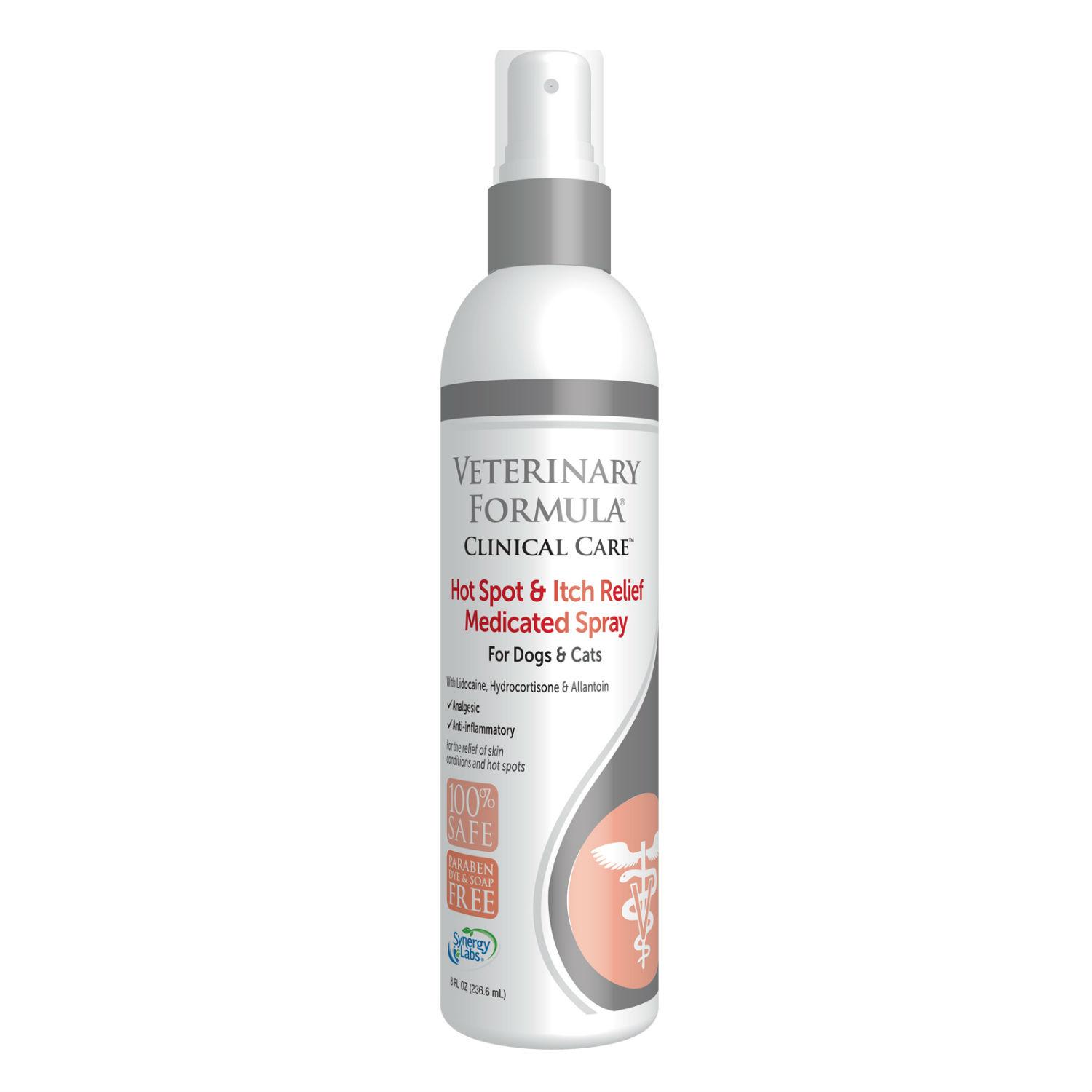
Sometimes, an allergy is too severe for supplements alone to handle. If your dog has open sores, a foul odor, or is losing hair in clumps, you need a medical intervention. Probiotics are excellent for long-term management, but they cannot stop an acute allergic crisis.
This is where our partnership with Pet's Choice becomes a vital resource. Through our pet pharmacy, you can access FDA-approved medications that your veterinarian prescribes. Medications like Apoquel or various prescription-strength antihistamines can stop the itch instantly.
Once the initial flare-up is under control with medication, the probiotic can help maintain that balance. This "hybrid" approach—using medicine for the crisis and supplements for daily health—is often the most successful strategy for chronic allergy sufferers.
Vet Tip: Always consult your veterinarian before starting a new supplement if your dog is already on prescription medication. Some ingredients can interfere with how medications are absorbed in the gut.
Transitioning Your Dog to a New Probiotic
Introducing a probiotic too quickly can actually cause gas or loose stools. This is because you are rapidly changing the bacterial population in the gut. Even "good" changes can be a shock to the system if they happen overnight.
Follow these steps to start a probiotic routine safely:
Step 1: Start with a half-dose. / Give your dog half the recommended amount for the first three to five days.
Step 2: Monitor for changes. / Watch for any increase in gas or a change in stool consistency.
Step 3: Move to the full dose. / If your dog is doing well, move to the full daily amount.
Step 4: Stay consistent. / Give the supplement at the same time every day, preferably with a meal.
Most dogs will not show a decrease in itching for at least four to six weeks. It takes time for the immune system to receive the message and start cooling down. Patience is key when working with natural supplements.
Environmental Management for Allergic Dogs
A probiotic can only do so much if your dog is constantly covered in allergens. Along with a good supplement, you should consider a few lifestyle changes to help your itchy pup.
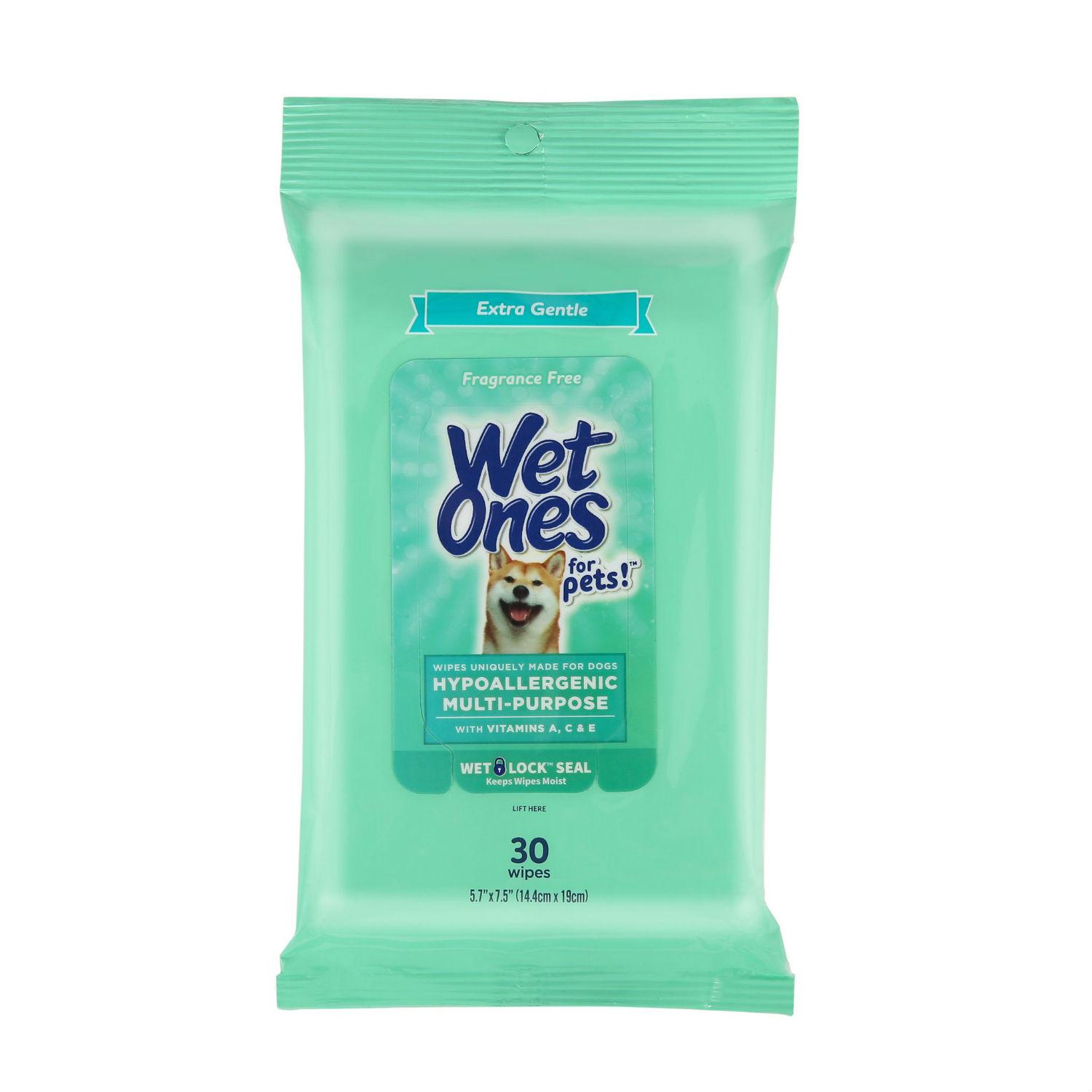
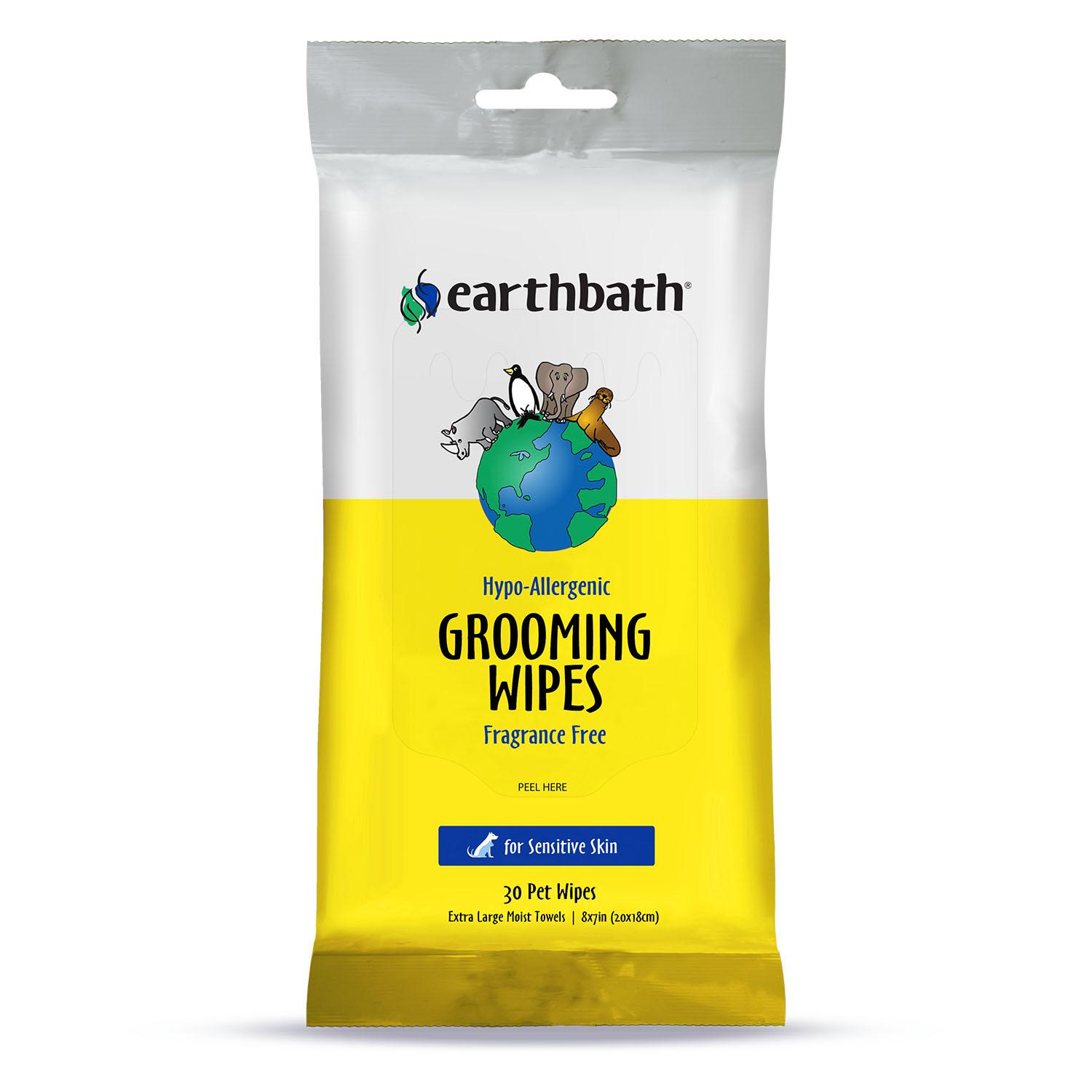
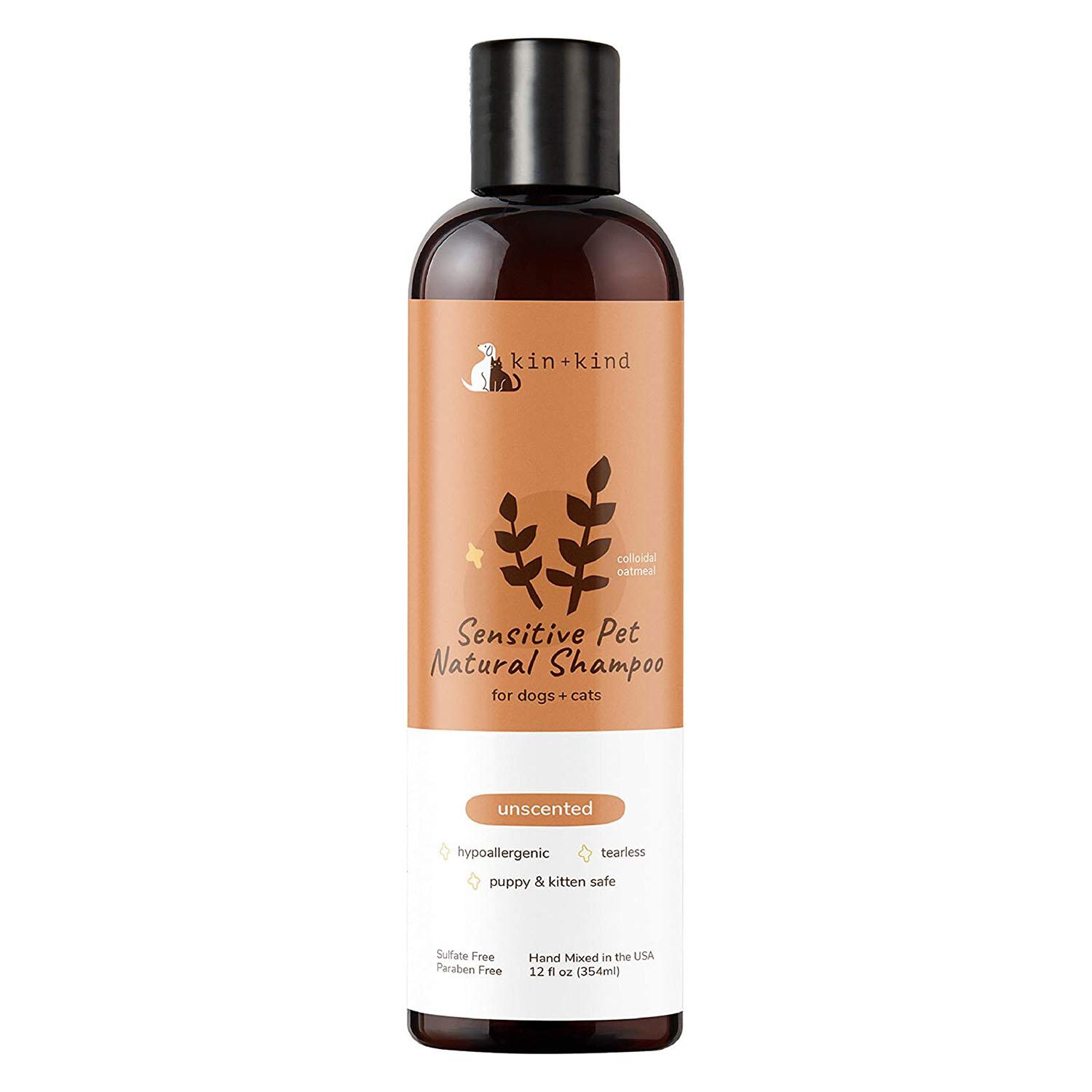
Wipe your dog's paws with a damp cloth every time they come inside. This removes pollen and grass allergens before they can be licked and ingested. Regularly wash your dog's bedding in hot, fragrance-free water. Using a hypoallergenic shampoo can also help remove dander and allergens from the coat without stripping the natural oils.
We offer a variety of gentle grooming supplies that support the skin barrier while you wait for the probiotics to work from the inside out. By combining internal support with external care, you give your dog the best chance at a comfortable, itch-free life.
Real Expectations for Probiotic Use
It is important to be realistic about what a probiotic can do. A supplement is not a "cure" for allergies. Allergies are a chronic condition that most dogs manage for their entire lives.
A successful probiotic routine means your dog might itch less frequently. They might have fewer ear infections. They might be able to stay on a lower dose of prescription medication. Success looks like a dog who sleeps through the night without scratching and has a soft, healthy coat. If you expect the allergies to vanish completely after one bottle, you will likely be disappointed. But if you see it as a long-term tool for wellness, it is an invaluable part of your kit.
The BaxterBoo Difference
We have been in the pet business since 2006. We have seen every trend come and go. We choose the brands we carry because they meet high standards for safety and efficacy. Whether you are visiting our warehouse superstore in Vernon Hills or ordering online for home delivery, you are getting products that we would give to our own pets.
Our goal is to provide value without compromise. This means offering competitive prices on premium brands like Purina Pro Plan, NutriSource, and Stella and Chewy's. We also want to make it easy to stay consistent. Our Autoship programme ensures you never run out of your dog's daily probiotic, and it saves you money on every order.
Bottom line: A high-quality probiotic is a foundational tool for managing dog allergies by supporting a balanced immune system through the gut.
Conclusion
Managing a dog with allergies requires a multi-layered approach. Probiotics offer a way to support the immune system at its source in the gut. By choosing specific strains like Lactobacillus rhamnosus GG and ensuring therapeutic doses, you can help reduce your dog's discomfort over time. Remember that supplements work best when paired with environmental changes and, when necessary, professional veterinary care. Our pharmacy is always available to fulfill prescription needs through our Pet's Choice partnership.
To get started on your dog's wellness journey, explore our digestive health collection. Signing up for the MVP Rewards programme or setting up an Autoship order can help you save while providing the consistent care your dog needs.
FAQ
How long does it take for probiotics to help a dog's allergies?
It typically takes between four and eight weeks of daily use to see a visible change in a dog's skin or itching levels. The gut microbiome needs time to shift and for those changes to translate into a calmer immune response. Consistency is the most important factor in seeing results.
Can I give my dog human probiotics for their allergies?
While some strains are the same, it is better to use a dog-specific product. Human probiotics are formulated for the human digestive tract, which has a different pH and different native bacteria than a dog's gut. Dog-specific supplements are also tested for safety with canine-specific ingredients and flavors.
Do probiotics have any side effects for dogs?
The most common side effects are mild digestive issues like gas, bloating, or temporary loose stools. These usually happen when a probiotic is introduced too quickly or at a very high dose. Starting with a smaller amount and gradually increasing it to the full dose can prevent most of these issues.
Can probiotics replace allergy medication like Apoquel?
Probiotics are a supportive supplement, not a direct replacement for prescription medical treatments. While some dogs may be able to reduce their medication dosage over time with a vet's guidance, probiotics work differently and more slowly. Always work with your veterinarian before making changes to a prescribed allergy treatment plan.






- Site & Contents BaxterBoo.com. BaxterBoo is located in the United States.
- Privacy & Security
- Terms of Use
- Accessibility Statement
