
 Save 15% on your 1st Autoship learn more

 Email us
 Live Chat
 FAQs
FAQs





Introduction
You lean in for a happy pup kiss and get hit with a wall of "dog breath" that smells more like a swamp than a pet. It is a common moment for many of us. We realize that those pearly whites are looking a bit yellow or brown. At BaxterBoo, we know that dental care often feels like a chore that keeps getting pushed to next week. This guide explains exactly what tools you need to maintain your dog's oral health effectively. You will learn about brushes, pastes, chews, and even water additives that actually work. Keeping your dog's mouth clean is one of the best ways to extend their life and keep them comfortable. A proactive approach to dental hygiene prevents pain and expensive veterinary bills later.
Quick Answer: The most effective way to clean a dog's teeth is with a soft-bristled dog toothbrush and enzymatic dog toothpaste. For dogs that resist brushing, you can use dental wipes, VOHC-approved chews, and water additives to reduce plaque.
The Essential Toolkit for Brushing
Brushing remains the gold standard for canine dental care. It is the only way to physically scrub away the film of bacteria known as plaque before it hardens into tartar. Tartar is like concrete on the teeth and usually requires professional equipment to remove. For additional guidance, read our pet dental care tips.
Choosing a Dog Toothbrush
You cannot simply grab a spare human toothbrush from the cabinet. Human brushes are often too large and the bristles can be too stiff for a dog's sensitive gums. Dog toothbrushes come in several specific designs.
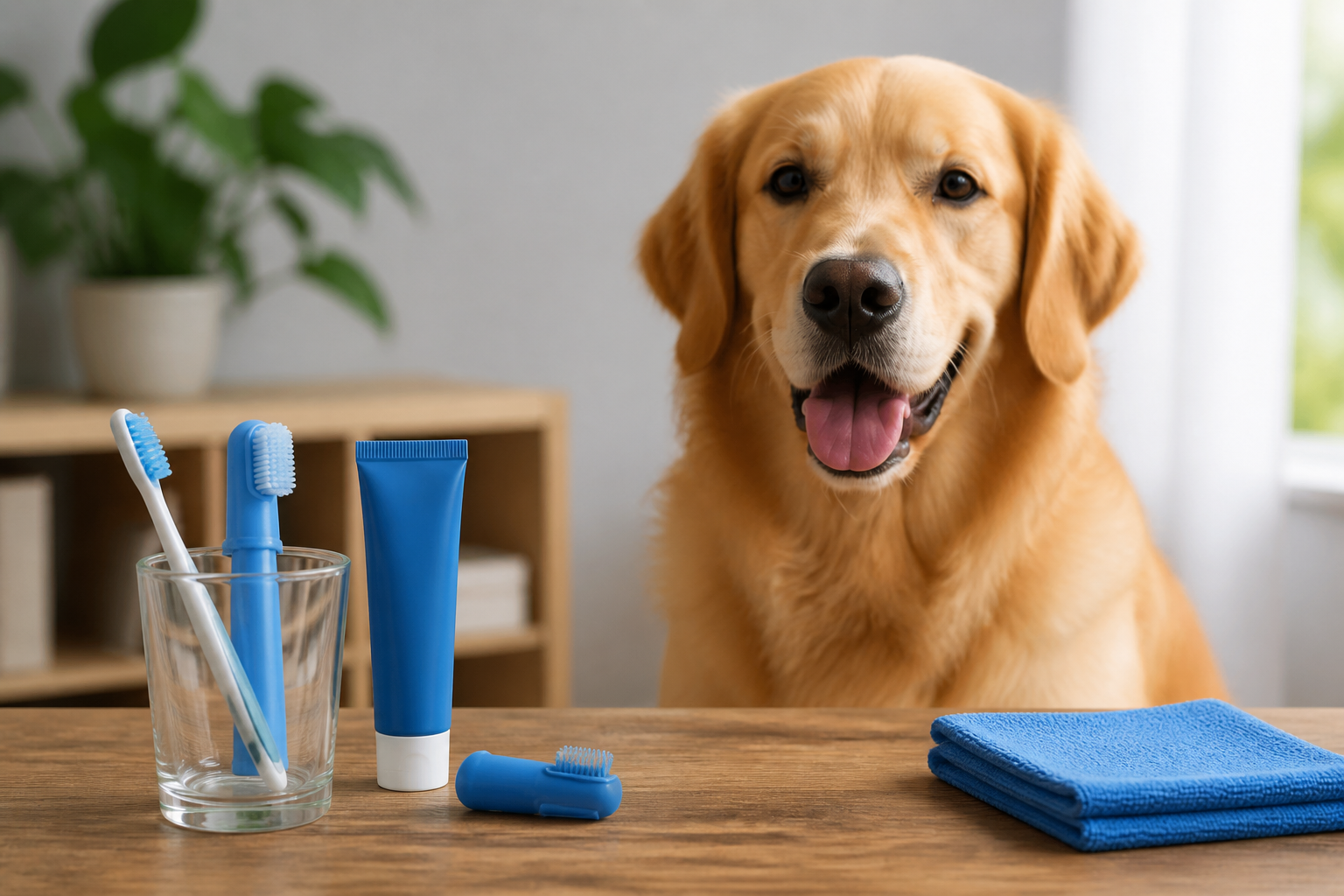
Dual-headed brushes have a large brush on one end and a tiny one on the other. This allows you to reach the big molars in the back and the tiny incisors in the front. Angle-necked brushes are also popular because they help you get behind the teeth without hitting the dog's lips. A ready-made option is the Virbac C.E.T. Pet Oral Hygiene Kit.
The Benefits of Finger Brushes
If your dog is nervous about a plastic stick in their mouth, a finger brush is a great starting point. These are small silicone or rubber caps that slide over your index finger. They have soft nubs or bristles on one side.
This tool gives you much better control. You can feel exactly where you are in the dog's mouth. It feels more like petting or a massage to the dog than a medical procedure. It is an excellent choice for puppies or small breeds with tiny mouths.
Enzymatic Dog Toothpaste
The toothpaste you choose is just as important as the brush. You must never use human toothpaste. Our toothpaste contains fluoride and often xylitol, both of which are toxic to dogs. Dogs do not spit; they swallow everything you put on the brush.
Dog-specific toothpaste is enzymatic. This means it uses proteins to break down the food particles and bacteria that cause plaque. It continues to work even after you stop brushing. Most brands come in flavors dogs actually enjoy, such as poultry, beef, or peanut butter. The Virbac C.E.T. enzymatic beef toothpaste is one available option.
Key Takeaway: Proper dental cleaning requires tools specifically designed for canine anatomy and safety. Always use enzymatic toothpaste and a soft brush to prevent gum irritation and accidental poisoning.
Effective Brushing Alternatives
Not every dog will sit still for a full brushing session. If you have a rescue dog with a sensitive mouth or a senior dog with existing soreness, you may need other options. These tools help reduce bacteria without the need for a traditional scrub. You can compare options in our dog dental and breath care collection.
Dental Wipes for Dogs
Dental wipes are textured pads pre-soaked in cleaning solutions. You wrap the wipe around your finger and rub it over the surfaces of the teeth. This is much faster than brushing.
Wipes are great for removing the daily "slime" of plaque. While they do not reach into the deep crevices of the molars as well as a brush, they are highly effective for the smooth outer surfaces. They are also portable and easy to use after a messy meal.
Dental Gels and Sprays
Gels and sprays are designed for minimal contact. You often just apply a small amount of gel to the gum line or spray the teeth directly. The dog's saliva then spreads the active ingredients throughout the mouth.
Many of these products use natural ingredients like grapefruit seed extract or peppermint to kill bacteria and freshen breath. They are perfect for maintenance between brushings. If your dog has red or inflamed gums, look for soothing gels formulated to support gum health. For more warning signs, see how to recognize bad teeth in dogs.
Edible Cleaning Solutions
Giving your dog something to chew on is one of the easiest ways to support their dental health. The act of chewing creates mechanical friction that scrapes the teeth clean. However, not all chews are created equal. Explore our dental chews and treats for additional options.
Looking for the VOHC Seal
When shopping at BaxterBoo, keep an eye out for the Veterinary Oral Health Council (VOHC) seal. This seal is only awarded to products that have been scientifically proven to reduce plaque or tartar by at least 10 to 20 percent.
Many generic treats claim to "clean teeth," but they may just be hard biscuits that crumble instantly. A true dental chew is designed to be flexible and tough. As the dog's teeth sink into the chew, the material scrubs the tooth all the way down to the gum line. Our guide to the best dental chews for dogs can help you compare chew types.
Safe Raw Vegetables
If you want a natural, low-calorie option, some vegetables can help. Crunchy snacks like raw carrots or apple slices (without seeds) provide a mild cleaning effect. The fiber in these vegetables acts like a very gentle scrub.
While these are healthy treats, they should not be your only dental care method. They do not contain the enzymes or specialized textures found in dedicated dental products. They are a supplement to a good routine, not a replacement for it.
The Danger of Hard Chews
Many owners think that very hard objects like antlers, hooves, or large bones are the best for cleaning teeth. This is a risky misconception. These items are often harder than the tooth enamel itself.
Vet Tip: Use the "fingernail test" on any chew toy or treat. If you cannot make a small dent in the item with your thumbnail, it is likely too hard. Items that are too hard can cause "slab fractures," where a large piece of the tooth breaks off. This is very painful and usually requires an extraction.
Dietary and Water Additives
Sometimes the best way to clean teeth is through what your dog swallows. Modern pet science has created ways to fight bacteria through the dog's daily diet.
Water Additives
Water additives are tasteless liquids you pour into your dog's water bowl. They work by breaking down the biofilm that allows plaque to stick to the teeth. Some also contain ingredients that bind to minerals in the saliva, preventing them from hardening into tartar.
This is the most "hands-off" way to manage dental health. It is particularly useful for multi-dog households or for owners with very busy schedules. Just be sure to change the water daily to keep it fresh and effective.
Prescription Dental Diets
If your veterinarian notices significant plaque buildup, they might suggest a prescription dental diet. We carry these specialized foods through our pharmacy partnership with Pet's Choice. Brands like Royal Canin or Farmina Vet Life offer formulations specifically for oral health.
The kibble in these diets is usually much larger than standard food. It has a specific fiber structure that does not shatter when bitten. Instead, the tooth must penetrate the kibble, which scrubs the surface as the dog eats. These diets often include minerals that prevent tartar from forming.
Monitoring Your Dog's Oral Health
You should check your dog's mouth at least once a week. This helps you catch problems before they become severe. Early detection can save your dog from chronic pain and prevent bacteria from entering their bloodstream.
Signs of Dental Disease
Dental disease is not just about yellow teeth. It can affect the entire body. Watch for these specific warning signs:
- Extremely foul breath that does not go away.
- Bright red, swollen, or bleeding gums.
- A thick layer of brown or tan "crust" on the teeth near the gum line.
- Loose or missing teeth.
- Pawing at the mouth or dropping food while eating.
- Excessive drooling, especially if the saliva is tinged with blood.
The Role of the Veterinarian
Professional exams are non-negotiable. Even with perfect home care, some dogs are genetically prone to dental issues. Smaller breeds and flat-faced breeds like Pugs often have crowded teeth that trap food easily.
A vet can perform a professional cleaning under anesthesia. This allows them to clean under the gum line where home tools cannot reach. They can also take X-rays to see if there is infection or bone loss hidden below the surface.
Key Takeaway: Home cleaning is preventive, but professional veterinary care is necessary for diagnosis and deep cleaning. Regular checks help you catch signs of infection before they lead to more serious systemic health issues.
Step-by-Step: Introducing Your Dog to Brushing
Most dogs do not naturally enjoy having their mouth handled. You have to build trust and make the experience positive. If you rush the process, your dog may become fearful or aggressive when they see the toothbrush.
Step 1: Get them used to touch. / Spend a few days just lifting your dog's lips and touching their teeth with your bare finger. Reward them with a small treat and praise immediately afterward.
Step 2: Introduce the taste. / Put a small dab of enzymatic dog toothpaste on your finger. Let them lick it off. Most dogs love the poultry or beef flavors, which makes them look forward to the "treat."
Step 3: Combine touch and taste. / Rub your finger, now covered in toothpaste, over the outer surfaces of their front teeth. Keep the sessions very short, about 10 to 20 seconds.
Step 4: Introduce the tool. / Once they are comfortable with your finger, switch to a finger brush or a soft toothbrush. Focus on the outside of the teeth first, as the tongue usually does a decent job of cleaning the inside.
Step 5: Work toward the back. / Gradually move toward the large molars in the back. This is where most tartar accumulates. Be patient and always end on a positive note.
Bottom line: Slow introduction and positive reinforcement are the keys to a successful long-term brushing routine.
Advanced Health and Medication Needs
Sometimes, cleaning isn't enough to resolve a problem. If your dog has a mouth infection or has just undergone a dental procedure, they may need medical support. This is where our specialized services become a vital resource for your pet's care.
Our pet pharmacy provides access to FDA-approved medications through our partnership with Pet's Choice. If your vet prescribes antibiotics for a dental abscess or pain medication after a tooth extraction, we can help fulfill those needs. Having a reliable source for these medications ensures your dog recovers quickly and stays comfortable.
We also carry supplements that support overall wellness, which can indirectly help oral health. For example, supplements that support a healthy immune system can help the body fight off the bacteria that lead to gum disease. Always consult your vet before starting a new medication or prescription diet to ensure it is the right fit for your dog's specific health status.
Why Quality Products Matter
It is tempting to buy the cheapest dental treats at the grocery store, but quality matters for safety. Many low-end treats are high in calories and can lead to weight gain if given daily. Others may use synthetic dyes or harsh preservatives that aren't ideal for your pet.
At BaxterBoo, we have been operating since 2006, and we handpick the brands we carry. We look for products from trusted names like Greenies, Virbac, and TropiClean. Our Virbac product selection includes dental care options for building a consistent routine. These companies invest in research to ensure their products are both safe and effective. By choosing expertly curated supplies, you are investing in your dog's long-term health.
Conclusion
Cleaning your dog's teeth is an essential part of being a responsible pet owner. Whether you use a traditional brush, dental wipes, or water additives, the most important thing is consistency. Start by finding a toothpaste flavor your dog loves and a routine that fits your lifestyle. Remember to check their mouth regularly for redness or tartar buildup. If you notice signs of pain or infection, schedule a visit with your veterinarian immediately. For all your dental supplies and prescription needs, you can rely on our warehouse and online pharmacy to support your journey.
- Start with a soft brush and enzymatic toothpaste.
- Use VOHC-approved chews for mechanical cleaning.
- Monitor for red gums or bad breath weekly.
- Schedule annual professional vet exams.
Check out our full collection of dog dental care products to find the perfect tools for your pup's routine. For repeat-purchase items, you can also explore our Autoship programme.
FAQ
What can I use to clean my dog's teeth if they hate brushing?
If your dog will not tolerate a toothbrush, you can use dental wipes or finger brushes for more control. Water additives and dental gels are also effective "no-brush" options that kill bacteria. You should also provide VOHC-approved dental chews to help scrape away plaque through natural chewing.
Is it safe to use human toothpaste on a dog's teeth?
No, you should never use human toothpaste for your dog. Human formulas often contain xylitol, which is a sweetener that is highly toxic to dogs and can cause liver failure. They also contain fluoride and foaming agents that can cause severe stomach upset since dogs cannot spit the paste out.
How often should I realistically clean my dog's teeth?
Ideally, you should brush your dog's teeth every day to prevent plaque from hardening into tartar. If daily brushing is not possible, aim for at least three times a week. Using water additives or dental treats on the "off" days can help maintain their oral health between sessions.
Can a dog's diet help keep their teeth clean?
Certain dry kibbles are specifically designed to scrub teeth as the dog chews, which is much more effective than standard dry food. You can also offer crunchy, safe vegetables like carrots as healthy treats. For dogs with significant dental issues, your vet may prescribe a specialized dental diet available through our pharmacy.






