Save 15% on your 1st Autoship learn more

 Email us
 Live Chat
 FAQs
FAQs





Introduction
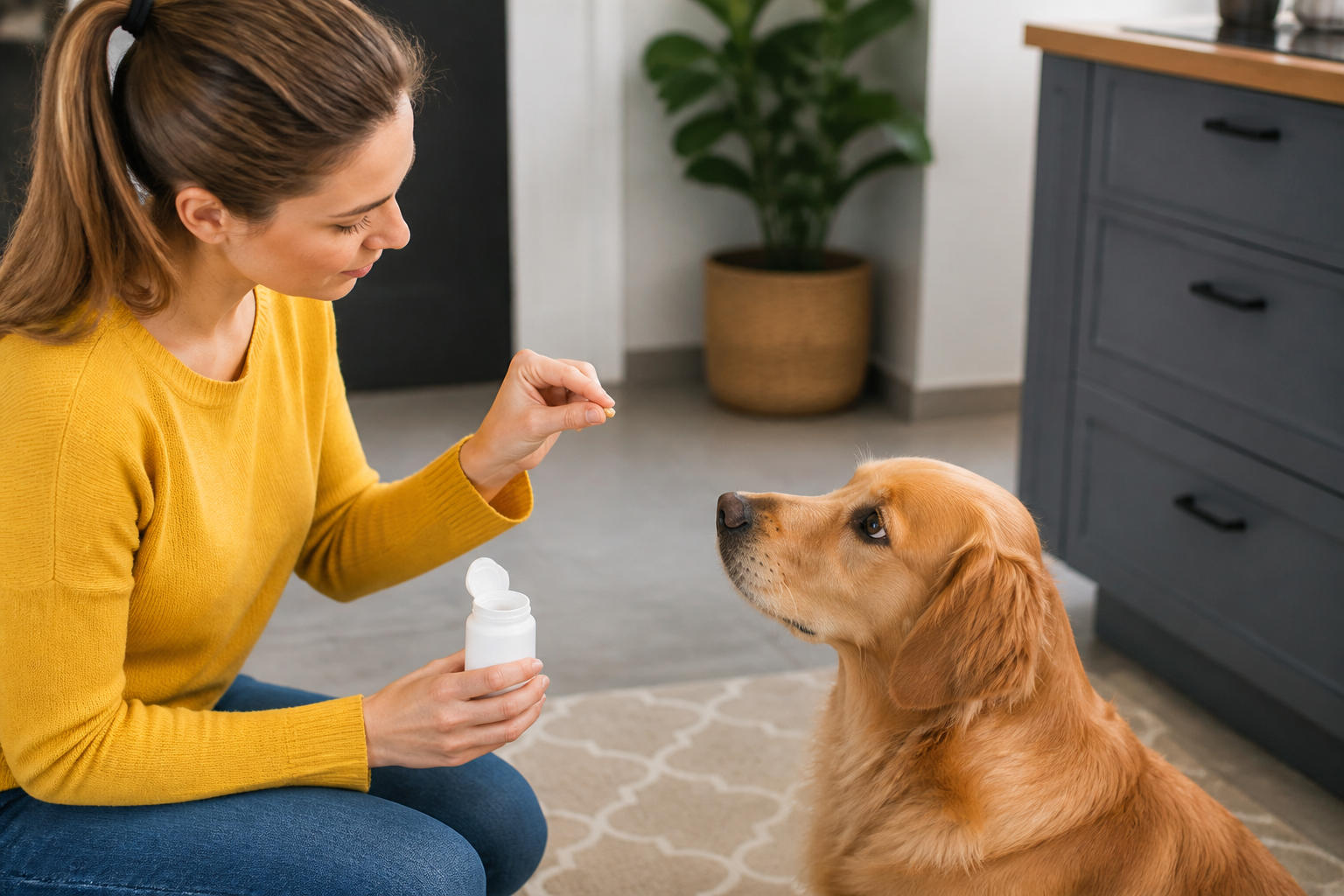
You are standing in your kitchen with a bottle of supplements, wondering if an extra scoop might help your pup's tummy issues clear up a little faster. It is a natural thought for any of us who want our pets to feel their best as quickly as possible. While these beneficial bacteria are excellent for gut health, you can actually give your dog too much of a good thing. At BaxterBoo, we often talk with pet owners who are navigating digestive changes or looking for ways to support a senior dog. This post covers what happens when a dog receives an excessive amount of probiotics, the signs of digestive overload, and how to find the right balance for your pet.
Quick Answer: Yes, a dog can get too many probiotics. While a true toxic overdose is very rare, an excessive amount usually leads to temporary digestive distress like diarrhea, gas, and bloating as the gut microbiome becomes overstimulated.
Understanding Probiotics and the Gut
Probiotics are live microorganisms that support the natural bacteria in your dog's digestive tract. These "good bugs" help break down food, produce vitamins, and keep the immune system strong. Most of a dog's immune system actually lives in the gut. When things are in balance, your dog has steady energy and consistent stools.
Sometimes that balance gets disrupted by stress, a change in diet, or a round of antibiotics. This is when supplements become very useful. However, the gut is a delicate ecosystem. Adding billions of new bacteria all at once can overwhelm the system rather than helping it. For more options, explore our dog digestive health supplements.
Signs Your Dog Had Too Many Probiotics
If your dog gets into the supplement cabinet or receives a dose that is too high, their body will likely try to flush the excess out. This usually results in gastrointestinal upset. You might notice these signs within a few hours of them taking the supplement.
- Loose stools or diarrhea: This is the most common sign that the gut environment is overstimulated.
- Excessive gas: New bacteria produce gas as they settle in, which can lead to a very smelly living room.
- Bloating and discomfort: Your dog might act restless or have a stomach that feels tight to the touch.
- Changes in appetite: A nauseous dog may turn their nose up at their usual meal.
- Increased thirst: Some dogs drink more water as their gut environment shifts.
Key Takeaway: Most side effects from too many probiotics are mild and temporary. They typically resolve within a few days once you reduce the dosage or stop the supplement.
When to Contact Your Veterinarian
While a little gas or a soft stool is usually not an emergency, some situations require professional advice. Puppies and senior dogs are more sensitive to dehydration from diarrhea. If your dog has a pre-existing condition like inflammatory bowel disease, any change in their gut flora should be managed carefully.
Our pharmacy at BaxterBoo offers a wide range of FDA-approved medications and prescription diets through our partnership with Pet's Choice. If your vet determines that your dog needs a specific prescription probiotic or a therapeutic diet like Royal Canin or Farmina Vet Life, we can help fulfill those needs.
Vet Tip: Always consult your veterinarian before starting a new supplement if your dog is immunocompromised or has a chronic health condition. They can help you determine the correct number of Colony Forming Units (CFUs) for your dog's specific weight and health status.
Human Probiotics vs. Dog Probiotics
It is tempting to share your own yogurt or probiotic capsules with your dog. While most human probiotics are not toxic to dogs, they are not always effective. A dog's stomach is much more acidic than a human's stomach. Many human supplements cannot survive that environment to reach the intestines where they are needed.
Additionally, human products sometimes contain sweeteners like xylitol. Xylitol is highly toxic to dogs and can be life-threatening even in small amounts. It is always safer to use a product specifically formulated for canine biology. Brands like Zesty Paws, Honest Paws, and Purina Pro Plan offer options designed to survive the canine digestive journey.
How to Introduce Probiotics Safely
To avoid the "too much" scenario, it is best to start slowly. This gives the existing bacteria in your dog's gut time to adjust to the new arrivals. For additional guidance on choosing a supplement format, read our guide to chews, powders, and oils for dogs.
Step 1: Check the label. Look for the recommended dosage based on your dog's current weight.
Step 2: Start with a half dose. Give your dog a smaller amount for the first three to five days.
Step 3: Monitor their bathroom habits. Watch for any signs of gas, bloating, or loose stools.
Step 4: Increase to the full dose. If your dog handles the half dose well, move up to the amount recommended on the packaging.
Step 5: Maintain consistency. Probiotics work best when given at the same time every day to keep the gut environment stable.
The Role of Prebiotics
You might see the word "prebiotics" on your supplement bottle. Think of prebiotics as the food for the probiotics. They are typically types of fiber that the "good" bacteria eat to stay strong. Using a supplement that combines both can be very effective. However, adding too much fiber too fast can also cause gas. This is another reason why the "start slow" rule is so important for your dog's comfort. One example is Nutramax Proviable Digestive Health Supplement, which combines probiotics and prebiotics.
Bottom line: Slow and steady is the best approach when changing anything in your dog's internal environment.
Managing an Accidental Overdose
If your dog manages to eat a whole bag of probiotic chews while you are out, do not panic. Because probiotics are not drugs, they do not usually cause the same type of toxicity as human medications.
First, look at the ingredient list for any dangerous additives like xylitol or high levels of certain vitamins. Second, provide plenty of fresh water to prevent dehydration. Third, skip the next dose of any supplements and keep their meals bland for a day or two. If they start vomiting repeatedly or seem very lethargic, that is the time to head to the vet.
Conclusion
Probiotics are a fantastic tool for supporting your dog's health, from better digestion to a shinier coat. While it is possible to give too many, most issues are easily avoided by following the feeding guidelines and introducing the supplement gradually. We are proud to carry over 500 trusted brands at BaxterBoo to help you find the perfect fit for your pet's needs. Whether you are looking for daily wellness chews or need to fulfill a prescription through our pharmacy partnership, we have you covered.
Key Takeaway: Stick to the recommended dosage on the label. If you notice digestive upset, scale back the amount until your dog's system adjusts.
If you want to ensure you never run out of your dog's favorite supplements, consider signing up for our Autoship programme. You will save on your first order and earn MVP Rewards on every purchase, making it easy and affordable to keep your dog's gut health on track.
FAQ
Can probiotics cause diarrhea in dogs?
Yes, probiotics can cause diarrhea if they are introduced too quickly or if the dose is too high for the dog's system. This happens because the new bacteria change the environment in the gut, which can temporarily speed up digestion. Usually, this clears up in a few days as the dog's body adjusts to the supplement.
How many CFUs of probiotics does a dog need daily?
Most healthy dogs benefit from a daily dose ranging between 1 billion and 10 billion CFUs (Colony Forming Units). The specific amount depends on your dog's size, age, and the reason they are taking the supplement. It is always best to follow the weight-based guidelines on the product packaging or ask your vet for a specific recommendation.
Is it okay to give my dog probiotics every day?
For many dogs, a daily probiotic is a great way to maintain a healthy immune system and consistent digestion. It is especially helpful for dogs with sensitive stomachs or those who deal with frequent stress. As long as you are following the correct dosage, long-term use is generally considered very safe.
What should I do if my dog ate a whole bag of probiotic chews?
If your dog eats a large amount of probiotics, monitor them closely for vomiting, severe diarrhea, or signs of pain. Check the ingredient label for xylitol or very high doses of Vitamin D, which can be dangerous. Offer plenty of water and a bland diet, and call your veterinarian if the symptoms seem severe or if the dog is very small.