
 Save 15% on your 1st Autoship learn more

 Email us
 Live Chat
 FAQs
FAQs





Introduction
You might notice a sharp, metallic scent when your dog yawns or see a thick layer of yellow buildup along their gumline. Many pet owners wonder if these signs are just a normal part of aging or if they require professional intervention. While at home brushing is a great preventive habit, it cannot remove the hardened tartar that settles beneath the gums. At BaxterBoo, we know that dental health is a cornerstone of overall wellness, and a professional cleaning is often the only way to reverse early stage gum disease. This article covers the specific steps a veterinarian takes during a dental procedure, why anesthesia is a necessary part of the process, and how you can manage the costs. Understanding the role of professional dental care helps you ensure your dog lives a longer, more comfortable life.
The Professional Dental Cleaning Process
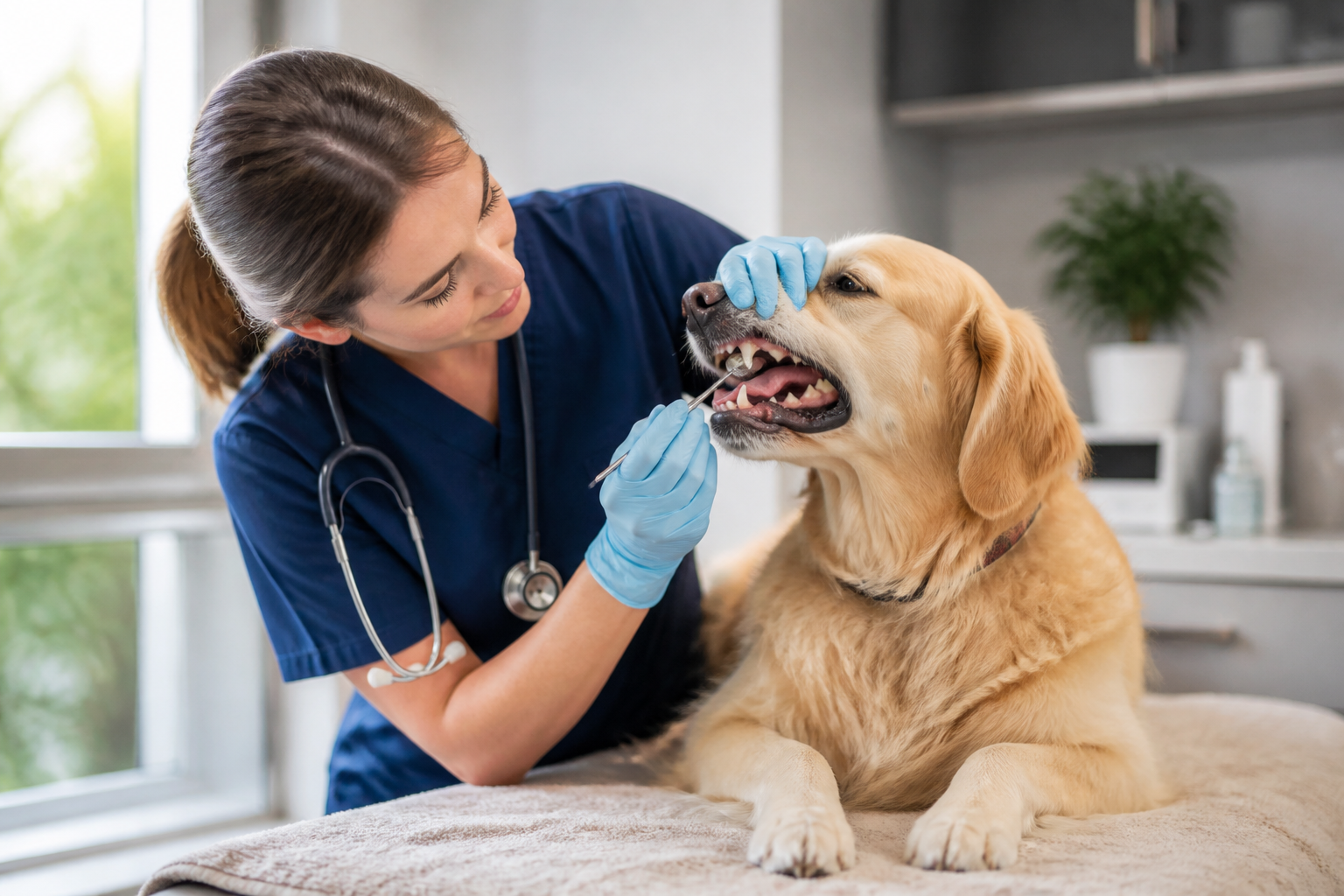
A veterinary dental cleaning is much more involved than a human dental appointment. Because dogs will not sit still and open wide for a vibrating scaler, the process is a surgical procedure that requires careful preparation and specialized equipment. It begins with a physical exam to ensure your dog is healthy enough for the day's events.
Pre-Anesthetic Screening
Before any cleaning begins, your vet will usually perform blood work. This helps them check liver and kidney function to ensure your dog can safely process the anesthesia. For senior dogs or those with known heart murmurs, they might also recommend a chest X-ray or an EKG. This step is about safety first. It allows the medical team to tailor the anesthetic protocol to your dog's specific needs.
General Anesthesia
One of the most common questions owners ask is why dogs must be put under. Anesthesia allows the vet to perform a thorough cleaning without causing your dog stress or pain. More importantly, it allows for the placement of a breathing tube. This tube protects the airway from the water and bacteria that are sprayed around the mouth during the scaling process. Without it, a dog could accidentally inhale debris, leading to aspiration pneumonia.
Scaling Above and Below the Gumline
The vet or a licensed technician uses an ultrasonic scaler to remove plaque and tartar. While the visible part of the tooth is what owners usually notice, the most important work happens under the gumline. This is where bacteria hide and cause periodontal disease. A professional cleaning is the only way to reach these pockets safely and effectively.
Polishing the Enamel
After scaling, the teeth are left with microscopic scratches. If left as is, these grooves would actually attract plaque faster than before. The vet uses a high speed polisher and a special paste to smooth the enamel. This makes it harder for new bacteria to latch onto the tooth surface.
Quick Answer: Yes, a veterinarian can and should clean your dog's teeth. This professional procedure involves scaling above and below the gumline while the dog is under general anesthesia to ensure a thorough, pain-free result that home brushing cannot achieve.
Why Dental X-Rays are Essential
A significant portion of a dog's tooth is hidden beneath the gums. You can have a tooth that looks white and healthy on the outside but is rotting at the root. This is why most modern veterinary practices include or highly recommend full mouth dental X-rays as part of the cleaning.
X-rays allow the vet to see the jawbone and the internal structure of each tooth. They can identify:
- Abscessed roots that are causing hidden pain.
- Bone loss due to advanced periodontal disease.
- Retained baby teeth that may be crowding adult teeth.
- Impacted teeth that never erupted.
- Early signs of oral tumors or cysts.
Without X-rays, a vet is essentially working blind. Identifying these issues during the cleaning allows the vet to address them immediately, often preventing the need for a second surgery a few months down the road.
Key Takeaway: Professional dental cleanings are about more than just white teeth. They are a medical procedure designed to find and treat hidden infections and bone loss that can only be seen through X-rays and probing.
Factors Influencing the Cost of Cleaning
The cost of a dental cleaning can vary significantly. A routine cleaning for a young dog with minimal buildup will be much less expensive than a procedure for an older dog with multiple broken or infected teeth. Geography also plays a role, as veterinary overhead costs differ between rural areas and major cities.
The Complexity of the Case
If your vet finds diseased teeth during the exam or on the X-rays, they may need to perform extractions. Pulling a large, multi-rooted tooth like a carnassial is a surgical event that requires local nerve blocks and sutures. Each extraction adds time to the anesthesia and increases the cost of the procedure.
The Weight of Your Dog
Anesthesia and many medications are dosed by weight. A Great Dane requires significantly more medication than a Yorkie. This means the base price for the procedure is often tiered based on the size of the pet.
Generalist vs. Specialist
Most routine cleanings are handled by your regular general practice veterinarian. However, if your dog has a complex jaw fracture, a large oral mass, or requires a root canal to save a functional tooth, you might be referred to a board-certified veterinary dentist. Specialists have advanced training and equipment, and their fees reflect that higher level of expertise.
How Often Does a Dog Need a Cleaning?
There is no one size fits all schedule for dental care. Some dogs have a genetic predisposition to heavy tartar buildup, while others stay clean for years with minimal help. Generally, most veterinarians recommend an annual dental assessment starting around age one or two.
Small Breeds and Crowded Mouths
Small and toy breeds, such as Pugs, Chihuahuas, and Yorkies, often need cleanings more frequently. Because they have the same number of teeth as a large dog but much smaller jaws, their teeth are crowded together. This crowding creates perfect traps for food and bacteria, leading to rapid decay. It is not uncommon for small dogs to require professional cleanings every six to twelve months.
Large Breeds and Chewing Habits
Larger dogs often have more space between their teeth, which can help slow the progression of disease. However, they are more prone to fractured teeth from chewing on hard objects like rocks, thick bones, or heavy duty antlers. If your large dog is an aggressive chewer, they may need cleanings to address broken teeth even if their tartar levels are low.
Vet Tip: Check your dog's mouth monthly for red gums or a lingering foul odor. If you notice bleeding when they chew on a toy, it is time to schedule a professional evaluation rather than waiting for their annual exam.
Signs Your Dog Needs a Professional Cleaning
It can be difficult to tell how much pain a dog is in because they are experts at hiding discomfort. They will often continue to eat even with severe dental infections. Watching for subtle behavioral changes can help you catch problems before they become emergencies.
Common indicators include:
- Bad Breath: This is often the first sign. While "dog breath" is a common joke, a healthy mouth should not smell foul or rotten.
- Discolored Teeth: Yellow or brown crust near the gumline is tartar, which cannot be brushed away.
- Changes in Eating Habits: If your dog starts dropping food, chewing on only one side of their mouth, or suddenly prefers wet food over dry kibble, they may have a painful tooth.
- Excessive Drooling: Sudden drooling or pawing at the face can indicate a sharp pain or an abscess.
- Visible Redness: The gums should be a healthy pink. Bright red, swollen, or bleeding gums are signs of gingivitis.
For more warning signs to watch for, read about signs your dog may be hiding bad teeth.
The Risks of Ignoring Dental Health
Ignoring your dog's dental health can lead to much more than just a few lost teeth. The mouth is a gateway to the rest of the body. When a dog has periodontal disease, the gums become inflamed and the barrier between the mouth and the bloodstream is weakened.
Bacteria from the mouth can enter the bloodstream and travel to vital organs. Over time, this chronic infection can cause:
- Heart Disease: Bacteria can settle on the heart valves, leading to endocarditis.
- Kidney Failure: The kidneys act as a filter for the blood, and chronic bacterial showers from the mouth can cause cumulative damage and scarring.
- Liver Issues: Like the kidneys, the liver can become inflamed or infected as it processes bacteria originating from the gums.
- Jaw Fractures: In severe cases of untreated dental disease, the infection can eat away at the jawbone until it becomes so thin that it breaks during normal activity.
Managing Dental Costs and Recovery
While the upfront cost of a professional cleaning can feel high, it is a long-term investment. Treating a heart condition or managing kidney failure is far more expensive and stressful than an annual dental visit.
Recovery at Home
Most dogs bounce back quickly from a dental cleaning. They may be a little groal or sleepy for the first 24 hours as the anesthesia wears off. If extractions were performed, your vet will likely prescribe pain medication and antibiotics. You may also need to soften their food with warm water for a few days to allow the surgical sites to heal.
Financial Planning
Some pet insurance providers, including those like FIGO, offer wellness riders that can help cover the cost of routine cleanings. Additionally, many veterinary clinics offer dental health months, often February or August, where they provide discounts on cleanings. You can explore FIGO pet insurance options as part of your financial planning.
We also offer several ways to save on the supplies you need for post-procedure care. By using the MVP Rewards programme, you can earn points on every purchase of dental treats and toothbrushes. If your vet prescribes a specific dental diet, our pet pharmacy carries a wide range of prescription pet foods through our partnership with Pet's Choice. This ensures you can get exactly what your vet recommends delivered to your door.
Bottom line: A professional vet cleaning is a vital health intervention that prevents systemic disease and removes pain that dogs often suffer from in silence.
Maintaining Results Between Cleanings
Once your dog's teeth are clean, the goal is to keep them that way for as long as possible. Plaque begins to form on the teeth within hours of a cleaning. Without a plan, you will be back at the vet for another procedure sooner than necessary.
Daily Brushing
Brushing is the gold standard for home care. You do not need to spend twenty minutes on it; even thirty seconds of focused brushing on the outside of the teeth can make a difference. Always use a toothpaste specifically formulated for dogs. Human toothpaste contains xylitol or fluoride, both of which are toxic to pets.
Dental Chews and Treats
For dogs that absolutely will not tolerate a toothbrush, dental chews like Greenies can help. These treats are designed with a texture that mechanically scrapes the teeth as the dog chews. While they are not a replacement for a cleaning, they are an excellent supplement. Explore our dental treats for dogs for options to use between cleanings.
You can also read more about the role of dental chews in dog oral care.
Water Additives and Gels
There are many liquids and gels available that can be added to your dog's water bowl or applied directly to the gums. These products often contain enzymes that help break down plaque or ingredients that prevent bacteria from sticking to the teeth.
Step 1: Consult your veterinarian. / Ask for a dental assessment during your next wellness visit to see if a cleaning is currently needed. Step 2: Prepare for the procedure. / Follow all fasting instructions provided by the clinic to ensure the anesthesia is as safe as possible. Step 3: Establish a home routine. / Once the vet gives the clear after the procedure, start a daily brushing or treat routine to maintain those pearly whites.
Prescription Dental Care and the BaxterBoo Pharmacy
In some cases, your vet may determine that your dog needs more than just a standard treat to keep their mouth healthy. If your dog has a history of rapid tartar buildup or severe gingivitis, the vet might prescribe a specialized dental diet. These kibbles are usually larger and have a specific fiber matrix that does not crumble immediately. Instead, the tooth sinks into the kibble, allowing the fibers to scrub the tooth surface.
Our pharmacy at BaxterBoo provides access to these prescription diets and FDA-approved medications through our partnership with Pet's Choice. If your dog requires antibiotics for an oral infection or a specific medicated dental rinse, we can help facilitate those needs with the convenience of home delivery.
We carry 500 plus trusted brands, including those focused on specialized health needs like Cosequin for joint support or Royal Canin for prescription nutrition. Managing your pet's health is a team effort between you, your vet, and a reliable supplier who understands the importance of quality.
Conclusion
A professional veterinary dental cleaning is an essential part of responsible pet ownership. It goes far beyond aesthetics, addressing the deep-seated bacteria and infections that can lead to serious systemic health issues like heart and kidney disease. By combining regular vet visits with a solid at-home care routine involving brushing and quality dental treats, you can significantly improve your dog's quality of life. Our MVP Rewards and Autoship programs are designed to make this ongoing care more affordable and convenient for you. If you have concerns about your dog's breath or the color of their teeth, the best next step is to schedule an exam with your veterinarian to discuss a professional cleaning.
For recurring dental care supplies, our Autoship programme can help you manage repeat deliveries.
FAQ
Can I clean my dog's teeth myself instead of going to the vet?
You can brush your dog's teeth at home to prevent plaque from turning into tartar, but you cannot perform a professional cleaning. Once tartar has hardened, it requires ultrasonic scaling tools that only a vet can use safely, especially for the areas beneath the gumline. Attempting to scrape tartar off at home can damage the enamel and lead to more rapid decay.
Is anesthesia really necessary for a dog's teeth cleaning?
Yes, anesthesia is necessary for a safe and effective dental procedure. It allows the veterinarian to clean deep under the gums and take X-rays without the dog moving or experiencing pain. It also involves the use of a breathing tube, which protects your dog from inhaling the bacteria and water spray used during the scaling process.
How much does it typically cost for a vet to clean a dog's teeth?
The cost varies based on your location, the size of your dog, and the health of their mouth. A basic cleaning might start in the low hundreds, while a complex case requiring multiple extractions and X-rays can cost significantly more. Many owners find that regular preventive cleanings are much less expensive than waiting until a dog has advanced periodontal disease.
What are the risks of a professional dental cleaning for older dogs?
While anesthesia always carries a small risk, modern veterinary medicine has made the process very safe for seniors. Vets perform pre-anesthetic blood work to check organ function and monitor the dog closely throughout the surgery. For most senior dogs, the risk of untreated infection and chronic pain from dental disease is much higher than the risk of the procedure itself.






