
 Save 15% on your 1st Autoship learn more

 Email us
 Live Chat
 FAQs
FAQs





Introduction
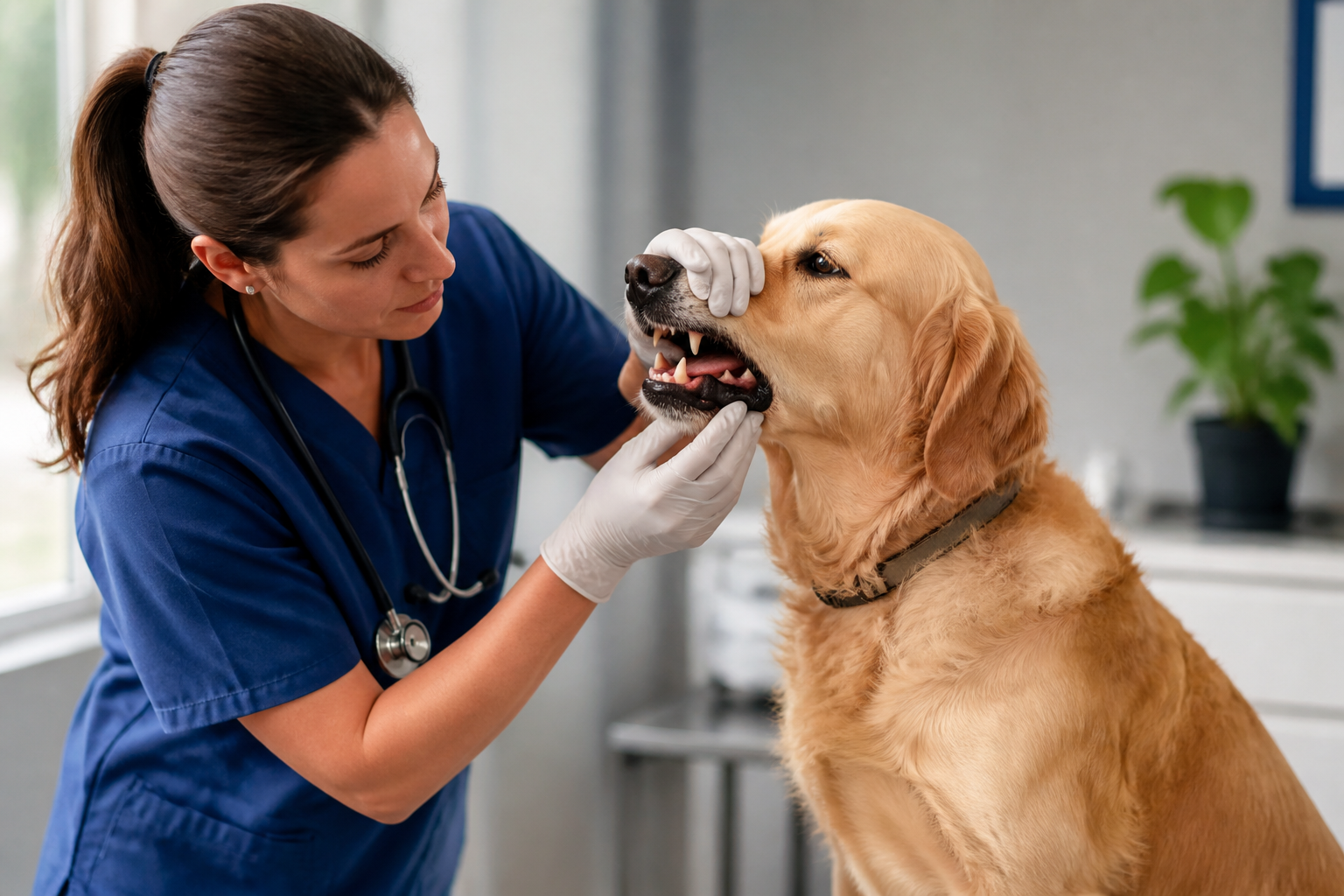
If you have noticed your dog's breath is becoming more than just a little smelly, you are likely looking for solutions. Perhaps you can see a thick layer of brown tartar on their back molars or they seem to pull away when you touch their mouth. You may wonder if a simple tooth brushing at home is enough or if a professional intervention is necessary. At BaxterBoo, we understand that dental health is a major part of your dog's overall wellness. This post covers the details of professional cleanings, from the safety of anesthesia to the expected costs and benefits. A professional cleaning is the only way to remove buildup below the gumline and prevent serious health complications.
Quick Answer: Yes, a veterinarian can and should clean your dog's teeth. A professional dental cleaning involves scaling plaque and tartar above and below the gumline while your dog is under anesthesia. This procedure is essential for preventing periodontal disease and tooth loss.
Why Professional Cleaning is Necessary
You might be diligent about using dental wipes or giving your dog dental chews. While these at-home habits are helpful, they cannot replace what a veterinarian does. Plaque is a soft film that can be brushed away. However, if it sits on the tooth for more than a few days, it hardens into tartar. Tartar is like concrete. It cannot be removed with a toothbrush or a chew toy.
The real danger lies under the gumline. Bacteria thrive in the pockets between the tooth and the gum. This leads to gingivitis and eventually periodontal disease. If left untreated, this bacteria can enter the bloodstream. From there, it can travel to the heart, liver, and kidneys. Professional cleaning is about more than just white teeth. It is about protecting your dog's internal organs.
Key Takeaway: Home brushing cleans the visible part of the tooth, but a vet is needed to clean the hidden areas below the gums where disease starts.
Signs Your Dog Needs a Professional Cleaning
Most dogs should have their first dental exam by age one or two. Smaller breeds often need attention earlier because their teeth are crowded into tiny mouths. This crowding allows plaque to build up much faster. Watch for these specific indicators that it is time for a professional visit:
- Extremely bad breath that does not improve after brushing
- Red, swollen, or bleeding gums
- Yellow or brown crust on the teeth near the gumline
- Dropping food while eating or a sudden loss of appetite
- Excessive drooling or pawing at the mouth
- Loose or broken teeth
If you notice any of these symptoms, your dog may be in pain. Dogs are very good at hiding dental discomfort. They will often continue to eat even if they have a broken tooth or a deep infection.
Vet Tip: If your dog is chattering their teeth or only chewing on one side of their mouth, they may have a painful cavity or abscess. Schedule a veterinary exam immediately to identify the source of the pain.
The Professional Dental Cleaning Process
A professional cleaning is a medical procedure. It is much more involved than a human dental visit because dogs will not sit still and open wide. The process follows a specific set of steps to ensure the dog remains safe and comfortable.
Step 1: The pre-dental exam. Your vet will look at your dog's mouth while they are awake to give an initial assessment. They will also recommend blood work to ensure your dog's liver and kidneys can process the anesthesia.
Step 2: Anesthesia and monitoring. Your dog is placed under general anesthesia. This allows the vet to work safely and prevents the dog from feeling any pain or stress. A technician monitors their heart rate, oxygen levels, and blood pressure throughout the entire procedure.
Step 3: Dental X-rays. Many dental issues are invisible to the naked eye. X-rays show the health of the roots and the jawbone. This helps the vet decide if a tooth is healthy or if it needs to be removed.
Step 4: Scaling and polishing. The vet uses an ultrasonic scaler to vibrate tartar off the teeth. They also clean the area beneath the gumline. Once the teeth are clean, they are polished to smooth out any tiny scratches. This makes it harder for plaque to stick in the future.
Step 5: Extractions or treatments. If a tooth is dead or severely infected, the vet will remove it. They may also apply sealants or local antibiotics to deep gum pockets to encourage healing.
Step 6: Recovery. Your dog is moved to a quiet area to wake up from the anesthesia. They are monitored until they are steady on their feet and ready to go home.
Key Takeaway: Anesthesia is a critical part of the process. It allows the vet to perform a thorough cleaning and take X-rays without causing the dog fear or physical pain.
Understanding the Cost of Dog Dental Cleaning
The cost of a vet cleaning varies significantly. A routine cleaning for a young dog with healthy teeth will be much cheaper than a procedure for a senior dog with multiple infections. In the United States, you can generally expect to pay between $350 and $700 for a basic cleaning. If the vet finds issues that require more work, the price can climb to $1,500 or more.
Factors That Influence the Final Bill
| Factor | Description | Estimated Impact |
|---|---|---|
| Dog Size | Larger dogs require more anesthesia and medication. | Higher |
| Age/Health | Senior dogs may need more extensive pre-procedure blood work. | Moderate |
| Extractions | Removing diseased teeth takes time and surgical supplies. | High |
| X-Rays | Full-mouth X-rays are essential but add to the cost. | Moderate |
| Medications | Post-op pain relief and antibiotics are often necessary. | Low |
| Location | Prices in large cities are typically higher than in rural areas. | Variable |
If your dog needs prescriptions for dental infections or post-surgical recovery, we can help. Our pet pharmacy offers FDA-approved medications and prescription diets through our partnership with Pet's Choice. This includes pain management and antibiotics that your vet may prescribe after a cleaning.
Why Dogs Need Anesthesia for Cleaning
Many owners worry about anesthesia. You may have heard of "anesthesia-free" dental cleanings. While these might seem safer or cheaper, they are not effective for true dental health. Anesthesia-free cleanings are purely cosmetic. The technician scrapes the visible tartar off while the dog is awake.
This method does not allow for cleaning under the gumline. It also does not allow for X-rays. A dog who is awake will not tolerate someone poking around their sensitive gum tissue with sharp metal tools. Furthermore, anesthesia-free cleanings can be very stressful for the dog. They are forced to stay still while someone works in their mouth. Professional veterinarians do not recommend these cosmetic cleanings because they leave the most dangerous bacteria behind.
Modern anesthesia is very safe. Vets tailor the dose to your dog's specific weight and health status. The risk of leaving a dental infection untreated is often much higher than the risk of the anesthesia itself.
Recovery After the Cleaning
When you pick your dog up, they might be a little groggy. This is normal and usually wears off within 24 hours. Your vet will give you specific instructions on how to care for them.
If your dog had extractions, they will need soft food for several days. This allows the gum tissue to heal without being irritated by hard kibble. You should also prevent them from chewing on hard toys like nylon bones or tennis balls during this time.
Watch for any signs of excessive bleeding or swelling. Most dogs bounce back quickly and are much happier once their painful teeth are handled. If your vet prescribes a special dental diet like Farmina Vet Life, you can find options in our dog dental care category. These diets are specifically shaped and formulated to help scrub the teeth as the dog eats.
Bottom line: Post-care usually involves a few days of soft food and rest, with most dogs returning to normal activity within a day or two.
Prevention and At-Home Maintenance
The best way to save money on professional cleanings is to prevent tartar from building up in the first place. You should aim to brush your dog's teeth every day. Use a toothbrush designed for dogs and toothpaste that is safe for them to swallow. Human toothpaste contains xylitol and fluoride which are toxic to dogs.
In addition to brushing, you can use:
- Dental chews like Greenies to help scrub teeth during play
- Water additives that help kill bacteria in the mouth
- Dental wipes for dogs who will not tolerate a brush
- Professional dental diets that reduce plaque formation
You can explore our selection of Greenies products along with other dental care options for your dog. Staying consistent with these tools can extend the time between professional vet visits.
Vet Tip: Always consult your veterinarian before starting a new dental supplement if your dog has a history of kidney issues or heart murmurs.
Frequency of Dental Visits
How often a vet needs to clean your dog's teeth depends on their breed and lifestyle. Most veterinarians recommend a professional cleaning once a year. Small breeds like Chihuahuas or Yorkies may need them every six months. Large breeds with plenty of space between their teeth may be able to go eighteen months between visits.
If you are a member of our MVP Rewards programme, you can earn points on all your dental care purchases. This makes it easier to stay stocked up on the supplies you need for daily maintenance. We also offer Autoship options for dental treats and food so you never run out. Keeping up with a routine is the best way to ensure your dog has a healthy mouth for life.
The Role of Pet Insurance
Because dental procedures can be expensive, many owners look to insurance for help. Some plans cover routine cleanings as part of a wellness add-on. Others only cover dental work if it is the result of an injury or an accident.
If you are considering coverage, our FIGO Pet Insurance information offers flexible options. It is important to look at your policy before you need it. Most insurance companies will not cover dental work if the disease was already noted by a vet before you signed up. Getting a policy while your dog is young is the best way to ensure their future cleanings are covered.
Summary of Dental Health Steps
Maintaining your dog's oral health is a lifelong commitment. It requires a combination of professional care and daily effort at home.
- Schedule an annual dental exam with your veterinarian.
- Budget for a professional cleaning once your dog reaches adulthood.
- Brush your dog's teeth daily with pet-safe paste.
- Provide vet-approved dental chews to help manage plaque.
- Monitor for signs of pain or bad breath between visits.
For additional guidance, read these pet dental care tips.
Key Takeaway: Combining professional veterinary cleanings with daily at-home care is the only way to prevent periodontal disease and ensure your dog's long-term health.
Conclusion
A veterinarian is the only professional who can truly clean your dog's teeth and address the health of the gums and jaw. While the cost and the use of anesthesia can be intimidating, these procedures are vital for a long and happy life. Ignoring dental health can lead to chronic pain and serious organ damage. By staying proactive with at-home brushing and regular vet visits, you are making a major investment in your dog's comfort. We invite you to explore our dental care category to find the brushes, pastes, and treats that will keep your dog's smile bright between vet appointments.
FAQ
How long does a dog teeth cleaning take?
A standard dental cleaning usually takes between 45 and 90 minutes. This time includes the cleaning, X-rays, and the scaling of every tooth. If your dog requires multiple extractions or has advanced gum disease, the procedure may take longer.
Is my dog too old for a dental cleaning?
Age is not a disease, and many senior dogs safely undergo dental cleanings. Your vet will perform thorough blood work and a physical exam to ensure your dog's heart and organs are healthy enough for anesthesia. For many seniors, removing painful, infected teeth actually improves their quality of life and energy levels.
Can I clean my dog's teeth myself to avoid the vet?
You can brush your dog's teeth to prevent new plaque from forming, but you cannot perform a deep cleaning yourself. Home brushing cannot remove hardened tartar or reach the bacteria living deep under the gumline. Only a vet with specialized tools and anesthesia can safely perform a complete dental cleaning.
Will my dog be in pain after a professional cleaning?
A routine cleaning without extractions usually does not cause pain, though the gums might be slightly sensitive for a day. If your dog has teeth removed, the vet will provide local nerve blocks and send you home with pain medication. Our pharmacy can fulfill prescriptions for these medications through our Pet's Choice partnership to ensure your dog stays comfortable.






