
 Save 15% on your 1st Autoship learn more

 Email us
 Live Chat
 FAQs
FAQs





Introduction
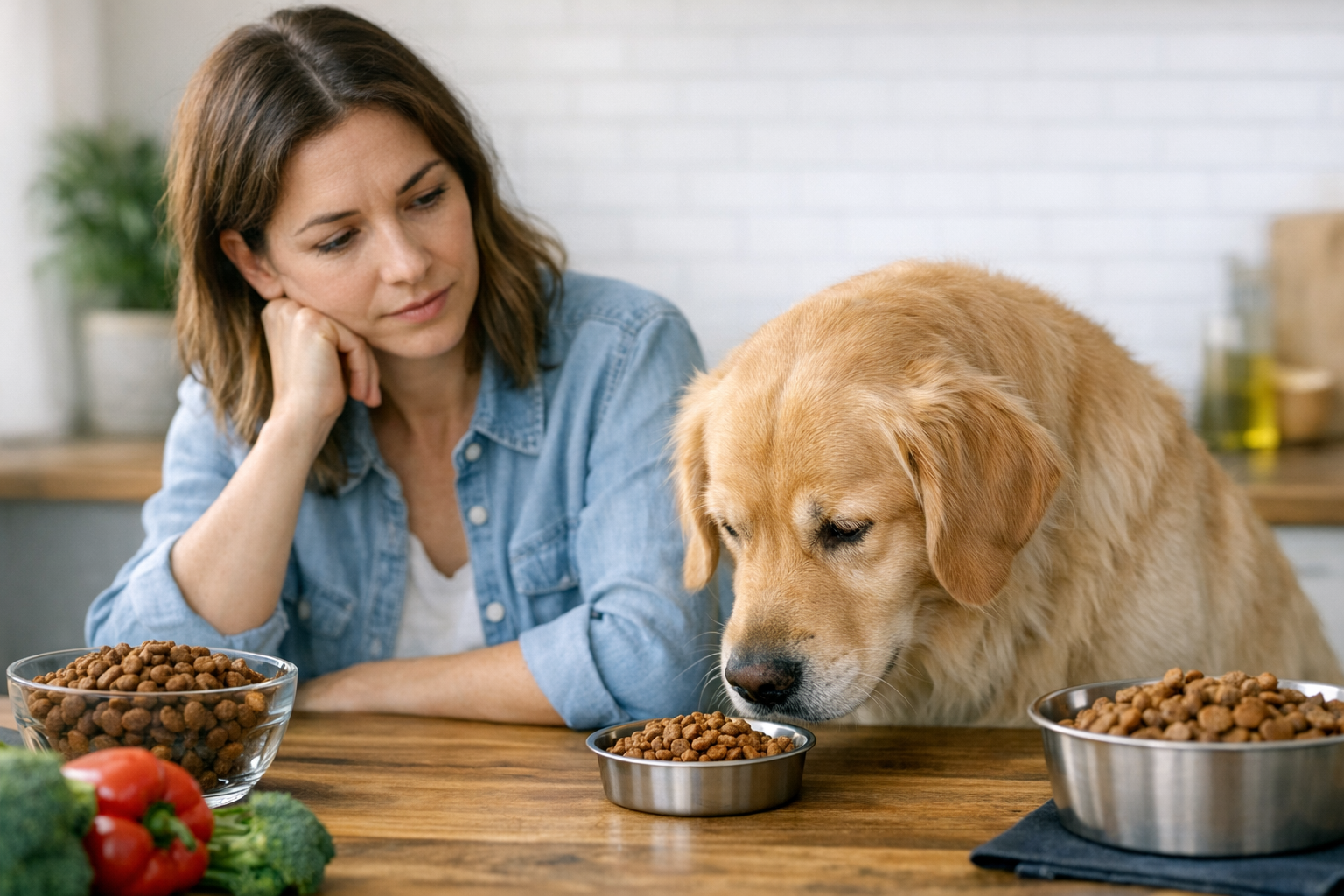
You turn your back for a single minute to refill your coffee and find your dog nose-deep in the cat's kibble bowl. It is a scene played out in multi-pet households across the country every single day. At BaxterBoo, we know that dogs often find cat food far more enticing than their own dinner. This is usually due to the higher protein and fat content found in feline diets. While a few stolen nuggets are rarely a cause for immediate panic, you might wonder if it is safe to let this habit continue. This post explores the nutritional differences between the two species, the potential health risks of long-term consumption, and how to keep your pets in their own bowls. While cat food is not toxic to dogs, it is not a nutritionally complete or safe long-term substitute for a balanced canine diet.
Why Dogs Crave Cat Food
The primary reason dogs are drawn to the cat's bowl is the flavor profile. Because cats are obligate carnivores, their food is manufactured to be extremely high in animal proteins and fats. This creates a very strong, meaty aroma that most dogs find irresistible. To a dog, a bowl of cat dry food often smells and tastes more like a bowl of treats than a standard meal.
Most commercial cat foods are calorie dense and packed with flavor enhancers to satisfy the finicky nature of felines. Dogs are opportunistic scavengers by nature. If they find a food source that smells like concentrated meat, they will likely try to eat as much of it as possible. This can lead to a frustrating cycle where your dog ignores their own balanced kibble in hopes of scoring a feline feast. For more on the feline side of the equation, our cat food selection can help you compare formulas.
Quick Answer: Most dogs can eat a small amount of cat dry food without immediate harm. However, cat food is too high in fat and protein for dogs to eat as a primary diet and can lead to serious health issues like pancreatitis or obesity over time.
Nutritional Differences Between Dogs and Cats
The Association of American Feed Control Officials (AAFCO) sets different nutrient profiles for dogs and cats for a good reason. These two species have fundamentally different metabolic needs. Dogs are omnivores, meaning they can derive nutrition from both animal and plant sources. Cats are obligate carnivores, meaning their bodies require specific nutrients that are only found in animal tissues.
Protein and Fat Requirements
Cat dry food is significantly more concentrated than dog food. If you look at the labels of brands we carry, such as our selection of Royal Canin products or our selection of Orijen products, you will see a clear distinction in the minimum percentages.
| Nutrient | AAFCO Minimum for Adult Dogs | AAFCO Minimum for Adult Cats |
|---|---|---|
| Crude Protein | 18% | 26% |
| Crude Fat | 5.5% | 9% |
| Taurine | Not required | 0.1% |
In practice, many premium cat foods contain 30 percent to 45 percent protein, while standard dog foods hover between 20 percent and 26 percent. For a healthy dog, this excess protein is often simply excreted through urine. However, the high fat content is much harder for the canine digestive system to manage.
Specific Amino Acids and Vitamins
Cats require certain nutrients added to their food that dogs can actually manufacture on their own. Taurine is a vital amino acid for heart and eye health in cats. While many high quality dog foods like those from our selection of Stella & Chewy's products include taurine, it is not a strict requirement for all dogs because they can synthesize it from other amino acids.
Cats also need pre-formed Vitamin A and arachidonic acid, which is an essential fatty acid. Dog food often contains beta-carotene, which dogs convert into Vitamin A. Cat food skips this step and provides the vitamin directly. If a dog eats cat food exclusively, they may end up with an imbalance of these vitamins and minerals. If you're comparing formulas for a picky eater, our guide to getting dogs to eat dry dog food is a helpful next read.
Key Takeaway: Dogs and cats have distinct nutritional requirements based on their biology as omnivores and obligate carnivores. Cat food is formulated with higher concentrations of fat, protein, and specific vitamins that can overwhelm a dog's system.
Health Risks of Dogs Eating Cat Food
While the occasional stolen snack might only cause a bit of gas, regular consumption of cat dry food can lead to significant medical problems. These issues range from mild digestive upset to life-threatening internal inflammation.
Pancreatitis
This is the most significant risk for dogs that eat high fat cat food. The pancreas is responsible for producing enzymes that help digest food. When a dog consumes a meal that is excessively high in fat, the pancreas can become overstimulated and inflamed. This condition is painful and can be fatal if not treated promptly.
Symptoms of pancreatitis include:
- Hunched back or abdominal pain
- Severe vomiting
- Diarrhea
- Lethargy and weakness
- Loss of appetite
Obesity and Weight Gain
The calorie density of cat food is much higher than dog kibble. A single cup of cat dry food might contain twice the calories of a cup of dog food. If your dog is consistently snacking from the cat's bowl, you will likely notice rapid weight gain. Canine obesity contributes to joint stress, heart disease, and a shortened lifespan.
Kidney and Liver Strain
Processing high levels of protein puts extra work on the kidneys and liver. For a young, healthy dog, this might not be an immediate issue. However, for senior dogs or those with underlying health conditions, the extra protein in cat food can accelerate organ decline. If you want a broader look at dog nutrition concerns, our dog healthcare category is a good place to start.
Vet Tip: If your dog has a history of a sensitive stomach, kidney issues, or pancreatitis, even a small amount of cat food can trigger a flare-up. Always consult your veterinarian if your dog accidentally consumes a large amount of cat food or shows signs of abdominal pain.
What to Do if Your Dog Eats a Large Amount
If you discover that your dog has managed to eat an entire bag or a full bowl of cat dry food, do not panic. Most healthy dogs will experience some digestive upset but will recover.
Step 1: Remove the remaining food. / Take away any access to the cat food immediately to prevent further overeating.
Step 2: Monitor for symptoms. / Watch your dog closely for the next 24 hours for signs of vomiting, diarrhea, or bloating.
Step 3: Skip the next meal. / If your dog has gorged themselves, skipping their next scheduled dog food meal can help their digestive system rest.
Step 4: Provide plenty of water. / High protein and dry kibble can increase thirst, so ensure they have a full water bowl.
If the vomiting is persistent or if you notice blood in the stool, call your veterinarian immediately. For dogs with chronic health needs resulting from dietary indiscretion, our pharmacy offers prescription support through our partnership with Pet's Choice. We can help you manage long-term recovery with the right veterinary-authorized supplies.
Strategies for Multi-Pet Feeding
Keeping a dog out of the cat's food requires a mix of training and environmental management. Since dogs are highly motivated by the smell of cat food, you cannot simply rely on them to "be good" when you leave the room.
Elevated Feeding Stations
Most cats are excellent climbers, while many dogs are not. Placing the cat's food bowl on a sturdy counter, a dedicated cat tree, or a high shelf is the easiest way to keep it out of reach. Ensure the cat feels safe and has enough space to eat comfortably without feeling trapped.
Microchip and Selective Feeders
For households where the cat is a "grazer" who likes to eat small amounts throughout the day, a microchip-activated feeder is a great investment. These feeders only open when they sense the specific microchip or RFID collar tag of your cat. This completely prevents the dog from accessing the food, even if the cat walks away from the bowl. A product like the 5-Meal Automatic Pet Feeder can also help keep meal times on schedule.
Physical Barriers
Simple tools like baby gates or specialized door latches can make a huge difference. A door prop can keep a door open just wide enough for a cat to slip through but too narrow for a medium or large dog. This allows you to keep the cat's food in a separate room like a laundry room or bathroom.
High-Quality Dog Food
Sometimes dogs scavenge because they are not satisfied with their own diet. Ensure you are feeding a high-quality dog food that meets their nutritional needs and tastes good. Brands like our selection of The Honest Kitchen products use high-meat inclusions that might make your dog less interested in stealing the cat's dinner. If you are trying to improve mealtime enthusiasm, our blog on how to make your dog eat dry dog food and our article on whether dry food is enough for dogs are both useful follow-ups.
Bottom line: Environmental management is more effective than discipline when it comes to stopping a dog from eating cat food.
The Role of the BaxterBoo Pharmacy
If your dog has managed to develop a health condition like pancreatitis or chronic obesity due to dietary issues, specialized care is often required. We provide more than just standard kibble and toys. Our pharmacy carries a wide range of prescription pet foods and medications through our partnership with Pet's Choice.
If your veterinarian prescribes a low-fat therapeutic diet or a specific medication for digestive health, you can fulfill those needs through us. This is particularly helpful for managing chronic conditions that require ongoing support. Having your prescription diets delivered alongside your regular treats and supplies makes managing your pet's health much simpler. If you want to compare ongoing delivery options for food and supplements, our Autoship programme can help keep essentials on hand.
Conclusion
While a stray piece of cat kibble is not a medical emergency, you should not allow your dog to eat cat dry food as a meal or a frequent snack. The nutritional imbalances and high fat content pose real risks to your dog's long-term health. By using elevated feeders, microchip bowls, or simple gates, you can ensure each pet gets the specific nutrition they need. We are here to support you with a wide selection of premium dog foods and a full pharmacy for any prescription needs. Consider signing up for our Autoship programme to ensure your dog's favorite healthy food always arrives on time, reducing the temptation for them to go hunting in the cat's bowl. You can also earn back on eligible purchases through the MVP Rewards programme.
FAQ
Can cat food kill a dog?
It is highly unlikely that eating cat food once will be fatal for a healthy dog. However, the high fat content can cause a severe bout of pancreatitis, which is a life-threatening emergency. If a dog with a heart or kidney condition eats cat food regularly, it can significantly worsen their condition and shorten their lifespan.
Is cat food a good treat for dogs during training?
Cat food is not a recommended training treat because it is too high in calories and fat. While its strong smell makes it a high-value reward, you are better off using freeze-dried liver or specialized dog training treats. Using cat kibble as a reward can also teach your dog that the cat's bowl is a source of "goodies," encouraging them to scavenge. If you need more ideas, our guide to dry dog food freshness can help you plan better meals and rewards.
Why does my dog's stomach hurt after eating cat food?
The high concentration of protein and fat in cat dry food is difficult for the canine digestive system to process quickly. This often leads to gas, bloating, and diarrhea as the body tries to handle the rich ingredients. If the pain seems severe or the dog's abdomen feels tight, it could indicate a more serious issue like pancreatitis or bloat.
My dog prefers cat food over dog food, what should I do?
If your dog is a picky eater, try enhancing their own food rather than letting them eat the cat's. You can add a topper of wet dog food, a splash of bone broth, or mix in some freeze-dried raw pieces. This provides the meaty aroma they crave without the dangerous fat levels and nutritional imbalances found in feline diets. For a deeper look at freshness and storage, our post on whether dry dog food goes bad is a smart next step.






