
 Save 15% on your 1st Autoship learn more

 Email us
 Live Chat
 FAQs
FAQs





Introduction
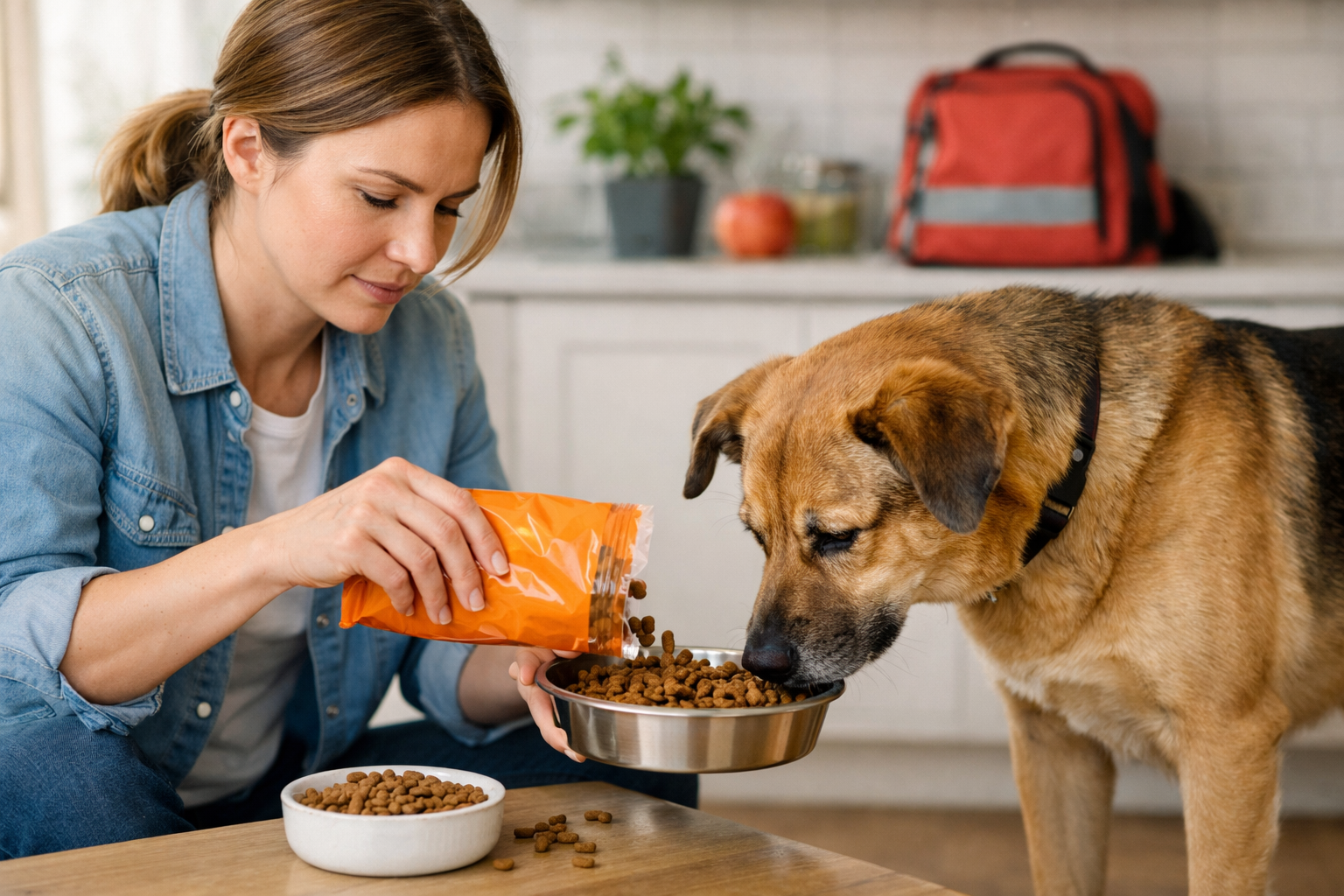
You reach for the bag of dog food at 11 PM only to find it completely empty. The local pet store is closed. Your dog is looking at you with expectant eyes. You notice the bag of dry cat food sitting on the counter and wonder if a single bowl will solve your problem. At BaxterBoo, we hear this question from worried pet owners frequently. It is a common dilemma in multi-pet households or during unexpected travel. This article covers why cat food is a safe short-term fix but a poor long-term choice. We will look at the nutritional differences and the health risks of frequent snacking. One emergency meal likely will not hurt. However, understanding the biological impact on your dog is essential for their long-term wellness.
Quick Answer: Yes, dogs can eat dry cat food in an emergency. It is not toxic to them. However, the high protein and fat content can cause stomach upset or serious conditions like pancreatitis if it becomes a regular habit.
Is Dry Cat Food Safe for Dogs to Eat?
The short answer is that dry cat food is non-toxic to dogs. If your dog sneaks a few nuggets from the cat bowl, you do not need to call poison control. Most dogs find cat food highly palatable because it is much richer in fat and animal protein than their own kibble. This makes it a tempting treat. In a true emergency where no dog food is available, a single meal of cat food is better than letting your dog go hungry.
Safety does not mean it is ideal. Dogs and cats have very different metabolic needs. While your dog can digest cat food, their body is not designed to process such high concentrations of certain nutrients daily. A one-time event is usually fine for a healthy adult dog. You should still monitor them for any signs of digestive distress over the next 24 hours.
When to Be Extra Cautious
Not every dog handles a sudden food change well. Puppies have sensitive developing systems. Senior dogs may have underlying kidney or liver issues that make high-protein meals risky. If your dog has a history of a sensitive stomach, even one bowl of cat food could trigger a bout of vomiting or diarrhea. In these cases, it is often better to look for a bland human food alternative rather than reaching for the cat kibble.
The Emergency Definition
An emergency is a one-time occurrence. This might be a late-night realization or a power outage that prevents you from reaching the store. It should not be a weekly habit. If you find yourself running out of food often, consider a service like our Autoship programme. This ensures a fresh bag of dog food arrives before your current one runs out. It also provides a discount on your orders and a free MVP Gold membership.
Nutritional Differences Between Dogs and Cats
To understand why cat food is not a long-term solution, you must look at biology. Cats are obligate carnivores. This means their bodies require nutrients found only in animal tissue to survive. Dogs are omnivores. They have a more flexible digestive system. They can derive nutrition from a mix of animal proteins, grains, and vegetables.
Cat food is formulated to be much denser in calories, fats, and proteins. It also contains specific additives that cats cannot produce on their own. Dogs can produce some of these nutrients themselves. When a dog eats cat food, they are often getting a massive "overdose" of certain vitamins and minerals while missing out on the fiber they need.
| Nutritional Factor | Typical Cat Food Requirement | Typical Dog Food Requirement |
|---|---|---|
| Protein (AAFCO Min) | 26% for adults | 18% for adults |
| Fat (AAFCO Min) | 9% for adults | 5.5% for adults |
| Taurine | Essential additive | Generally synthesized by dogs |
| Vitamin A | Must be pre-formed | Can convert from beta-carotene |
| Fiber | Usually lower | Usually higher for gut health |
Key Takeaway: Cat food is designed for a carnivore's metabolism. It lacks the balanced fiber and moderate fat levels that dogs need for consistent energy and healthy digestion.
Protein and Amino Acids
Cats require much higher levels of protein to maintain their organs and muscles. Cat food brands like our selection of Tiki Cat products and our selection of Fussie Cat products focus heavily on these animal-sourced proteins. Dogs do need protein, but too much can put a strain on their kidneys over time. Additionally, cats must have taurine added to their diet to prevent heart and eye issues. Most dogs can make their own taurine. While extra taurine is not usually harmful to dogs, the overall imbalance of the meal is the main concern.
Fat and Palatability
The high fat content is why cat food smells so good to your dog. Manufacturers like our selection of Royal Canin products design their feline lines to be highly aromatic. While this helps a picky cat eat, it creates a "junk food" effect for dogs. Eating such a rich meal is like a human eating a double cheeseburger for every meal. It tastes great, but it will eventually cause health problems.
The Risks of Making Cat Food a Habit
If an emergency becomes a regular occurrence, your dog's health will suffer. The most immediate risk is gastrointestinal upset. This usually manifests as gas, bloating, or loose stools. Because cat food lacks the fiber found in dog formulas, your dog’s digestion may slow down or become irregular. If your dog is already prone to tummy trouble, our dog health category is a helpful place to explore supportive options.
Pancreatitis: A Serious Concern
The biggest medical risk of feeding cat food to dogs is pancreatitis. This is an inflammation of the pancreas. It often happens when a dog consumes a meal that is far higher in fat than they are used to. The pancreas becomes overwhelmed while trying to produce enzymes to break down the fat. This condition is extremely painful and can be life-threatening.
Symptoms of pancreatitis include:
- Repeated vomiting
- A hunched back or abdominal pain
- Lethargy and weakness
- Loss of appetite
- Fever
Vet Tip: If your dog has a history of pancreatitis or belongs to a breed prone to it, such as Miniature Schnauzers, never feed them cat food. Even a small amount can trigger a medical emergency that requires a veterinary visit.
Weight Gain and Obesity
Because cat food is so calorie-dense, even small portions can lead to rapid weight gain. A cup of dry cat food can have significantly more calories than a cup of dog kibble. Chronic obesity in dogs leads to joint stress, heart disease, and diabetes. If your dog is already struggling with weight management, keep them far away from the cat's bowl. We carry specific weight management diets through our pharmacy for dogs, which are designed to help dogs with veterinary guidance.
Kidney and Liver Strain
High levels of protein require the kidneys to work harder to filter out waste products. In healthy young dogs, this might not show immediate effects. In older dogs or those with early-stage kidney disease, the extra protein in cat food can accelerate organ decline. This is why species-specific nutrition is so important.
Bottom line: While non-toxic, the high fat and protein in cat food can lead to painful inflammation or long-term organ strain in dogs.
Identifying a Digestive Emergency
If your dog has managed to eat a large amount of cat food, you should monitor them closely. Most dogs will be fine after a few hours of flatulence or a single soft stool. However, some reactions require professional help. If your dog's behavior changes significantly, do not wait to call your veterinarian.
Signs that the "emergency" meal has turned into a medical emergency:
- Vomiting that lasts for more than 12 hours.
- Bloody diarrhea or very dark, tarry stools.
- A belly that feels hard or painful to the touch.
- Extreme panting or inability to get comfortable.
If these symptoms occur, your vet may need to provide intravenous fluids or medications to calm the digestive tract. Our pharmacy works with prescription products that can support treatment plans when a vet recommends them. Having a relationship with a local vet and a reliable pharmacy ensures you can get the help your pet needs quickly.
Better Emergency Alternatives in Your Pantry
Before you reach for the cat's dry food, check your own refrigerator and pantry. There are several human foods that are safer and more balanced for a dog than cat kibble. These items are often easier on the stomach and provide the calories your dog needs without the extreme fat levels of cat food.
The Bland Diet Approach
A mix of a simple protein and a simple starch is the gold standard for a temporary dog meal. This is often what vets recommend for dogs recovering from surgery or stomach bugs.
Safe pantry alternatives include:
- Plain Boiled Chicken: Ensure there is no skin, bones, or seasoning.
- Cooked Lean Ground Turkey: Drain the fat thoroughly after cooking.
- Scrambled Eggs: Cook them plain without butter, oil, or salt.
- White or Brown Rice: Plain, boiled rice is an excellent source of energy.
- Plain Canned Pumpkin: Use 100% pumpkin, not pie filling. This provides excellent fiber.
Key Takeaway: A bowl of plain rice and boiled chicken is a much safer emergency meal than dry cat food for most dogs.
How to Prepare an Emergency Meal
Step 1: Choose a protein. / Use unseasoned chicken, turkey, or eggs.
Step 2: Add a starch. / Mix the protein with an equal or slightly larger amount of plain rice.
Step 3: Keep it bland. / Do not add salt, garlic, onions, or spices, as these can be toxic to dogs.
Step 4: Serve small portions. / Feed a smaller amount than usual to ensure their stomach handles the new food well.
Tips for Preventing Food Theft in Multi-Pet Homes
If you have both cats and dogs, the "emergency" might not be your fault. Some dogs are professional thieves. They will wait for the cat to walk away and then polish off the bowl. Over time, this sneaky snacking adds up to health risks.
Elevated Feeding Stations
Cats are natural climbers. Dogs, for the most part, stay on the floor. Moving the cat's food to a sturdy counter, a cat tree, or a dedicated wall shelf can solve the problem instantly. Ensure the cat feels safe eating up high and that the dog cannot reach the edge of the surface.
Microchip Feeders
Technology has made multi-pet feeding much easier. You can purchase bowls that only open when they sense a specific microchip or RFID collar tag. This ensures that only the cat can access the cat food. While these are an investment, they prevent the long-term health costs associated with a dog eating the wrong diet.
Scheduled Mealtimes
Leaving food out all day is called free-feeding. This is an open invitation for a hungry dog. Instead, put the food down for 20 minutes and then pick up whatever the cat does not finish. This gives you total control over who is eating what. It also helps you monitor your cat's appetite, which is a key indicator of their health.
- Feed pets in separate rooms with a closed door.
- Use a baby gate that has a small "cat door" built-in.
- Train your dog with a "leave it" command near the cat's bowl.
- Store all pet food in airtight, chew-proof containers.
Managing Your Dog's Health and Nutrition
Proper nutrition is the foundation of a long life. At BaxterBoo, we curate our selection of over 500 brands to ensure you have access to the best possible food for your dog's specific life stage. Whether you need a high-protein diet for a working dog or a limited-ingredient diet for a pet with allergies, we focus on quality over convenience.
If your dog has managed to develop a health condition like pancreatitis or chronic kidney disease due to poor diet or genetics, management is key. This often involves transition to a therapeutic or prescription diet. Through our pharmacy services, we offer support for specific dietary needs so you can get professional-grade products delivered to your door alongside your standard supplies.
The Role of Supplements
Sometimes, a dog needs a little extra help after a dietary indiscretion. Probiotics can help restore the balance of healthy bacteria in the gut after an emergency food swap. We carry a variety of digestive aids and supplements from trusted brands. These can support a healthy gut and make transitions between foods much smoother.
Vet Tip: Always consult your veterinarian before starting a new supplement or prescription diet. They can provide a proper diagnosis and ensure the product is safe for your dog's specific health profile.
Conclusion
Running out of dog food is stressful, but you have options. While dogs can eat dry cat food in an emergency without being poisoned, it should always be your last resort. The high fat and protein levels are simply not built for a canine's body. If you must use it, keep the portion small and watch for signs of stomach pain or vomiting. Whenever possible, opt for a bland meal of rice and lean meat from your own kitchen instead.
To avoid these stressful situations, we recommend setting up a recurring delivery. Our Autoship program is the best way to ensure your dog always has their preferred kibble on hand. You will save on your first order and earn rewards through the MVP Rewards programme. Keeping your dog on a consistent, species-appropriate diet is the best way to prevent unnecessary vet visits and keep them wagging for years to come.
Bottom line: Use cat food only as a one-time emergency fix, monitor for GI upset, and return to a balanced dog food as soon as possible.
FAQ
Can one bowl of cat food give my dog pancreatitis?
For a healthy dog with no history of digestive issues, one bowl is unlikely to cause acute pancreatitis. However, for small breeds like Schnauzers or dogs with existing sensitivities, a single high-fat meal can trigger an inflammatory response. It is always safer to use a bland alternative like boiled rice if you are unsure.
What should I do if my dog ate a whole bag of cat food?
If your dog binges on a large amount of cat food, you should contact your veterinarian or an emergency animal hospital immediately. This volume of fat and protein puts them at a very high risk for severe bloating and pancreatitis. The vet may need to induce vomiting or provide supportive care to prevent serious illness.
Is wet cat food worse for dogs than dry cat food?
Wet cat food is often even richer and higher in fat than dry kibble. While it is not more "toxic," it is more likely to cause immediate diarrhea or stomach upset because of its richness. If you must use cat food in a pinch, a small amount of dry kibble is generally easier to portion and slightly less likely to cause a massive digestive shift.
Can I use cat food as a high-value training treat for my dog?
Many trainers use cat treats or a few pieces of cat kibble because dogs find the smell irresistible. In very small quantities, such as a few nuggets during a training session, this is usually fine for healthy dogs. However, you must account for these extra calories in their daily total and avoid this practice if your dog has a sensitive stomach.






